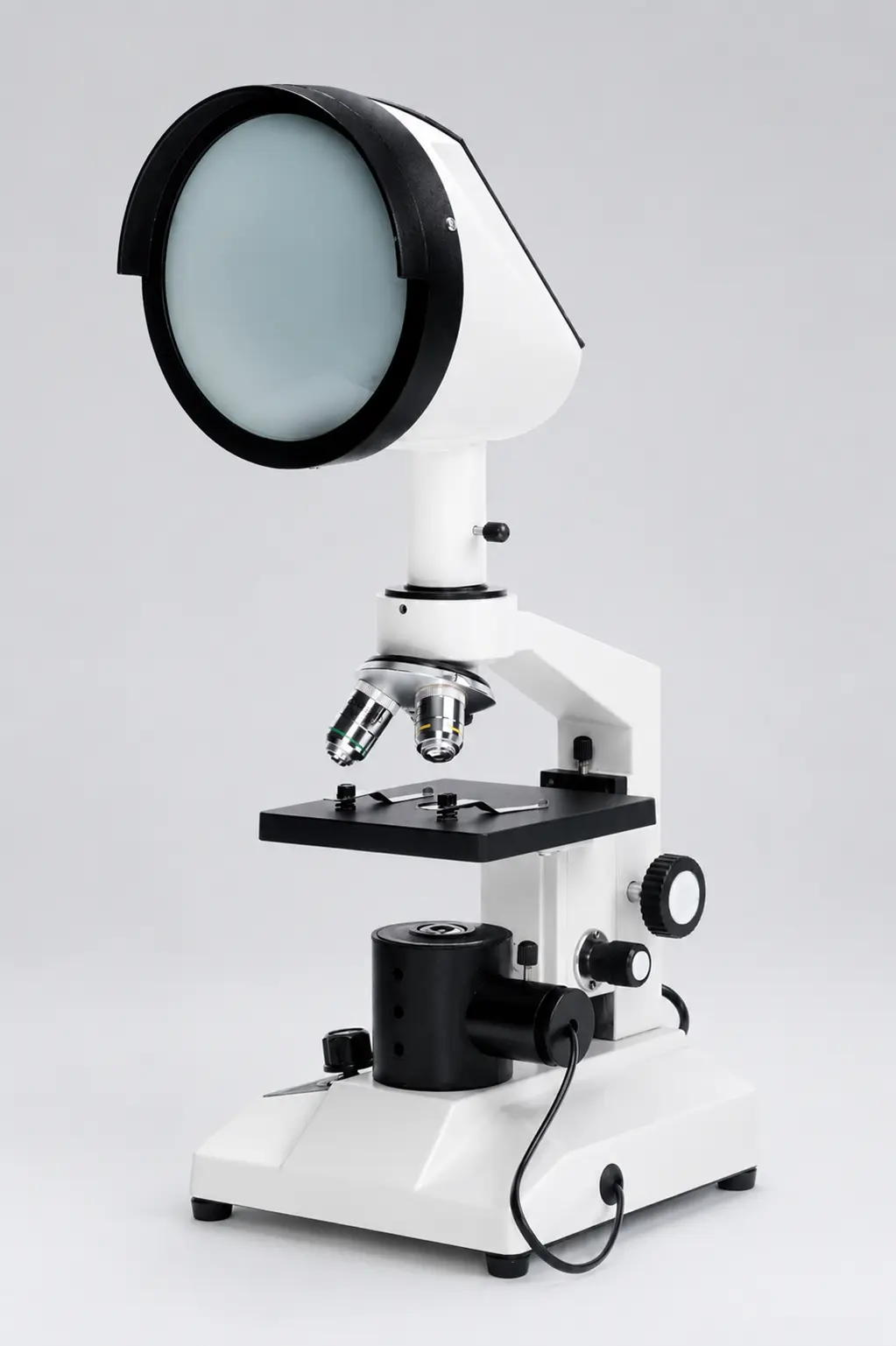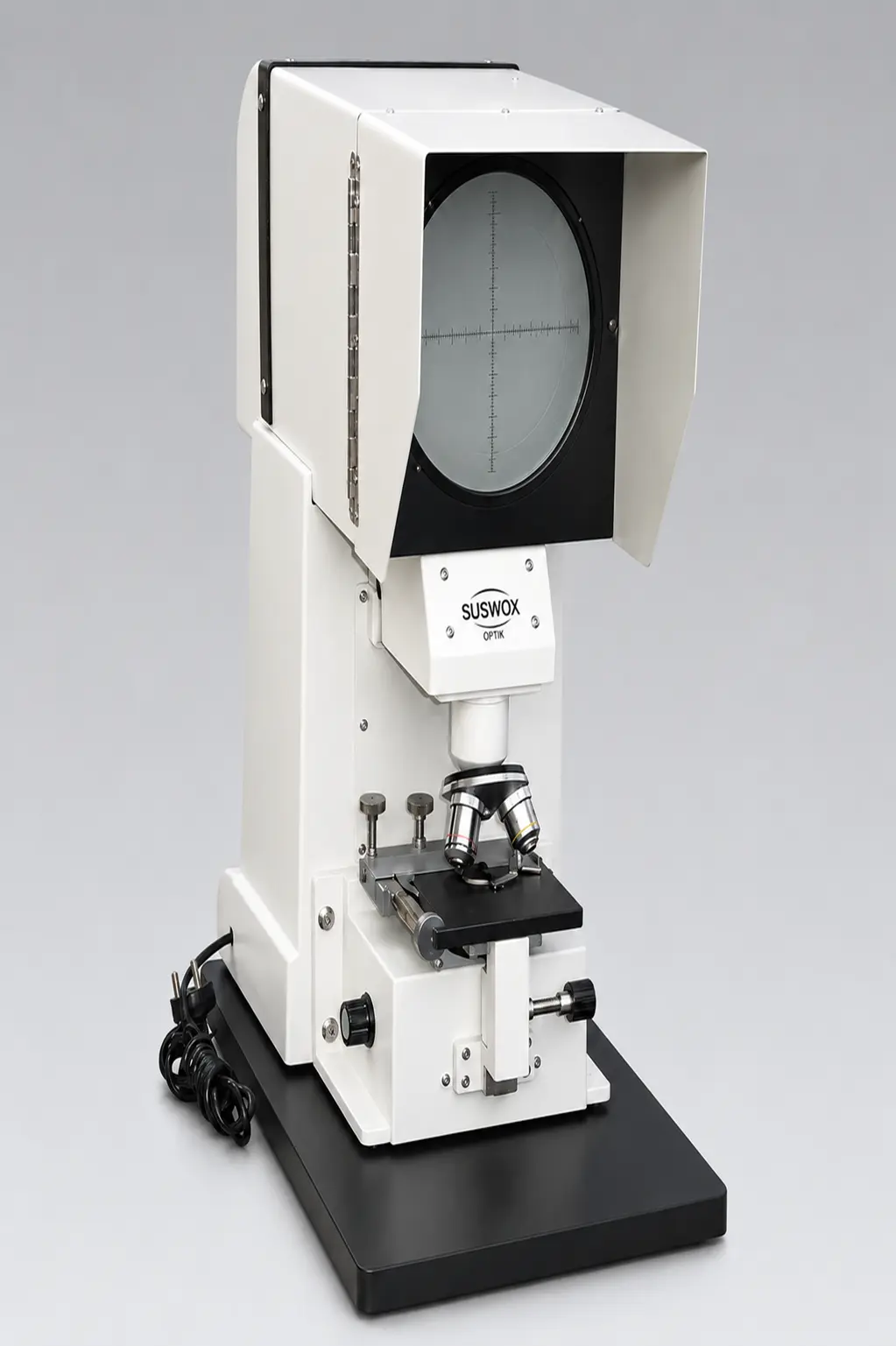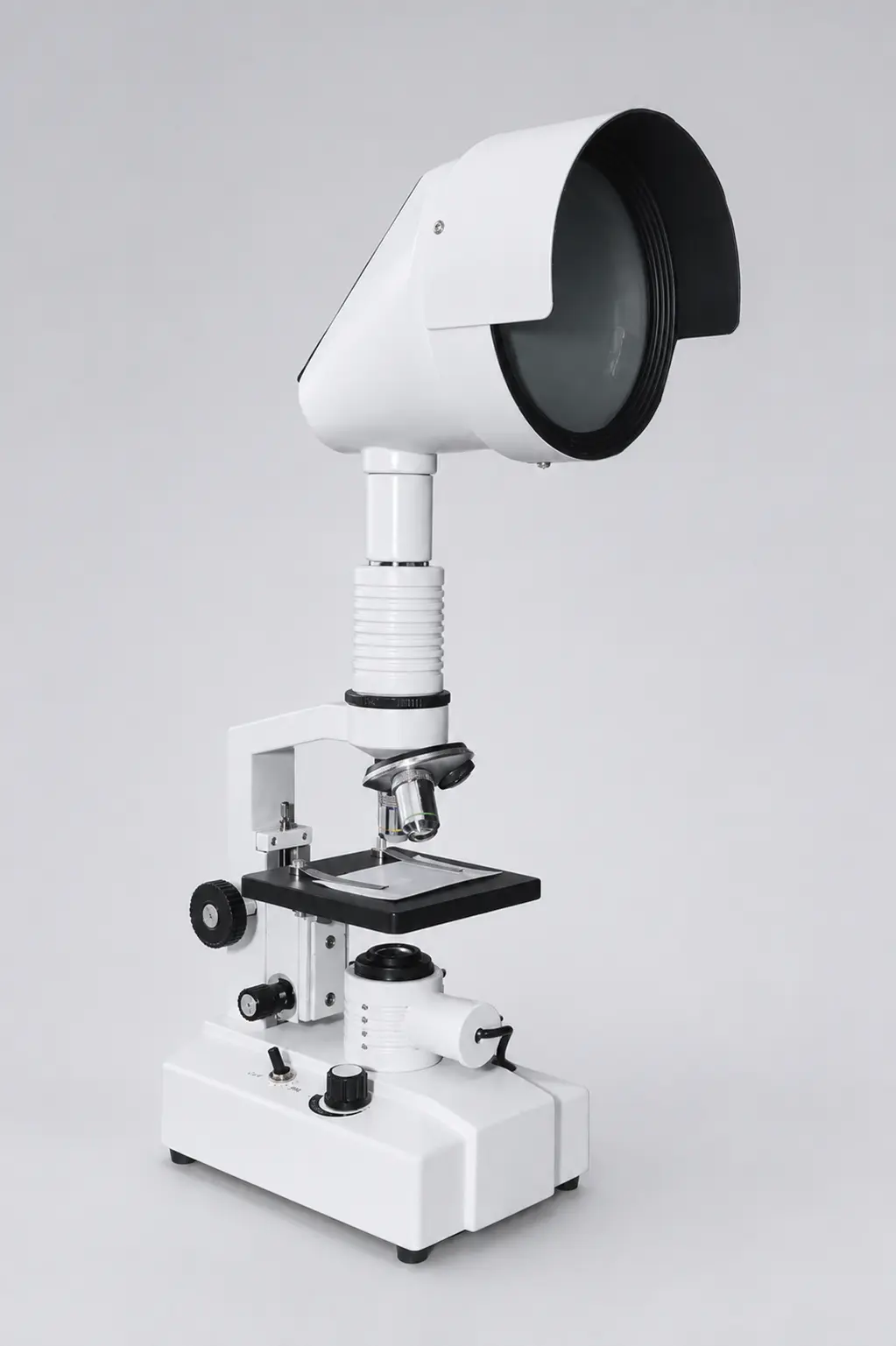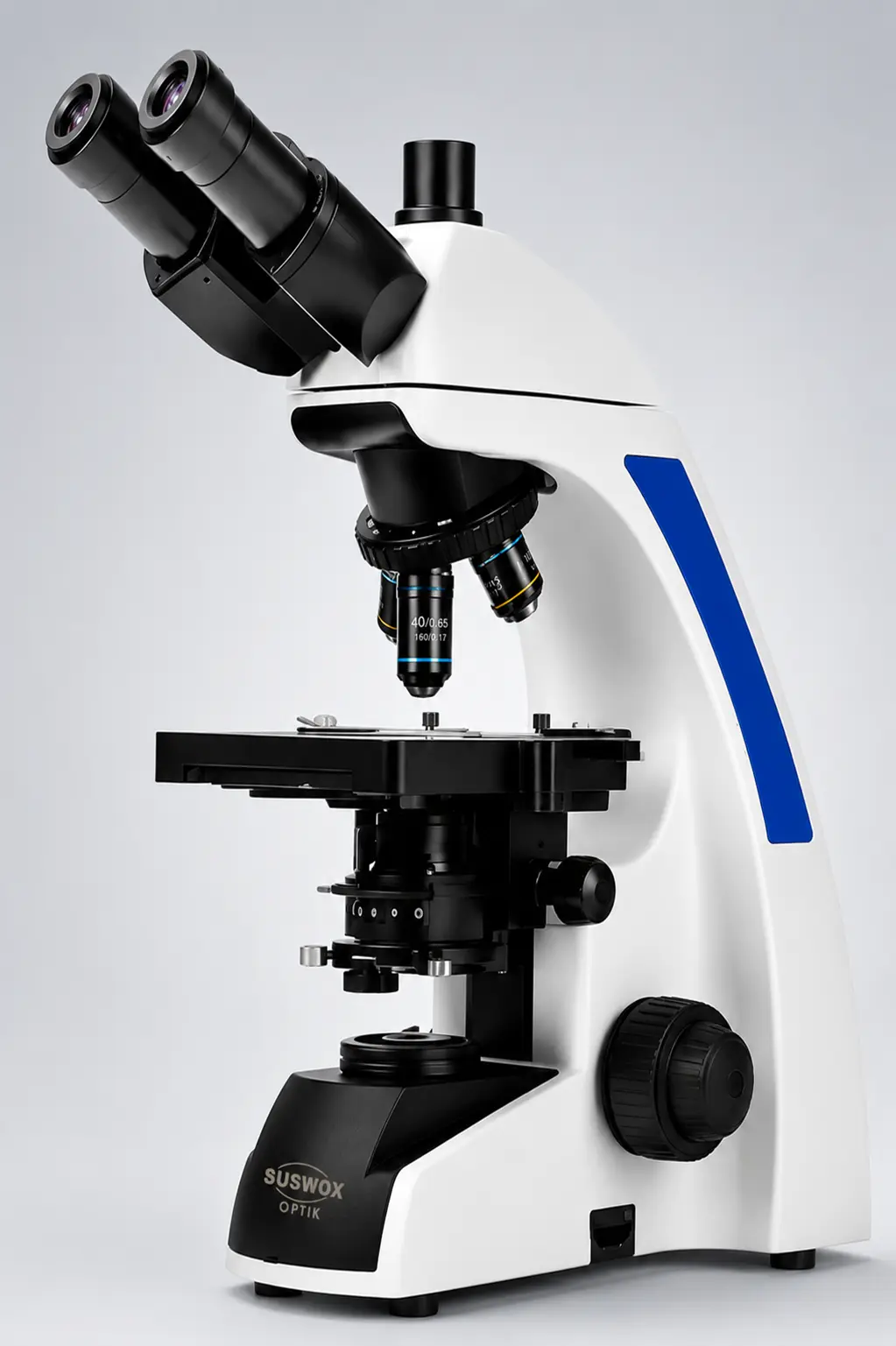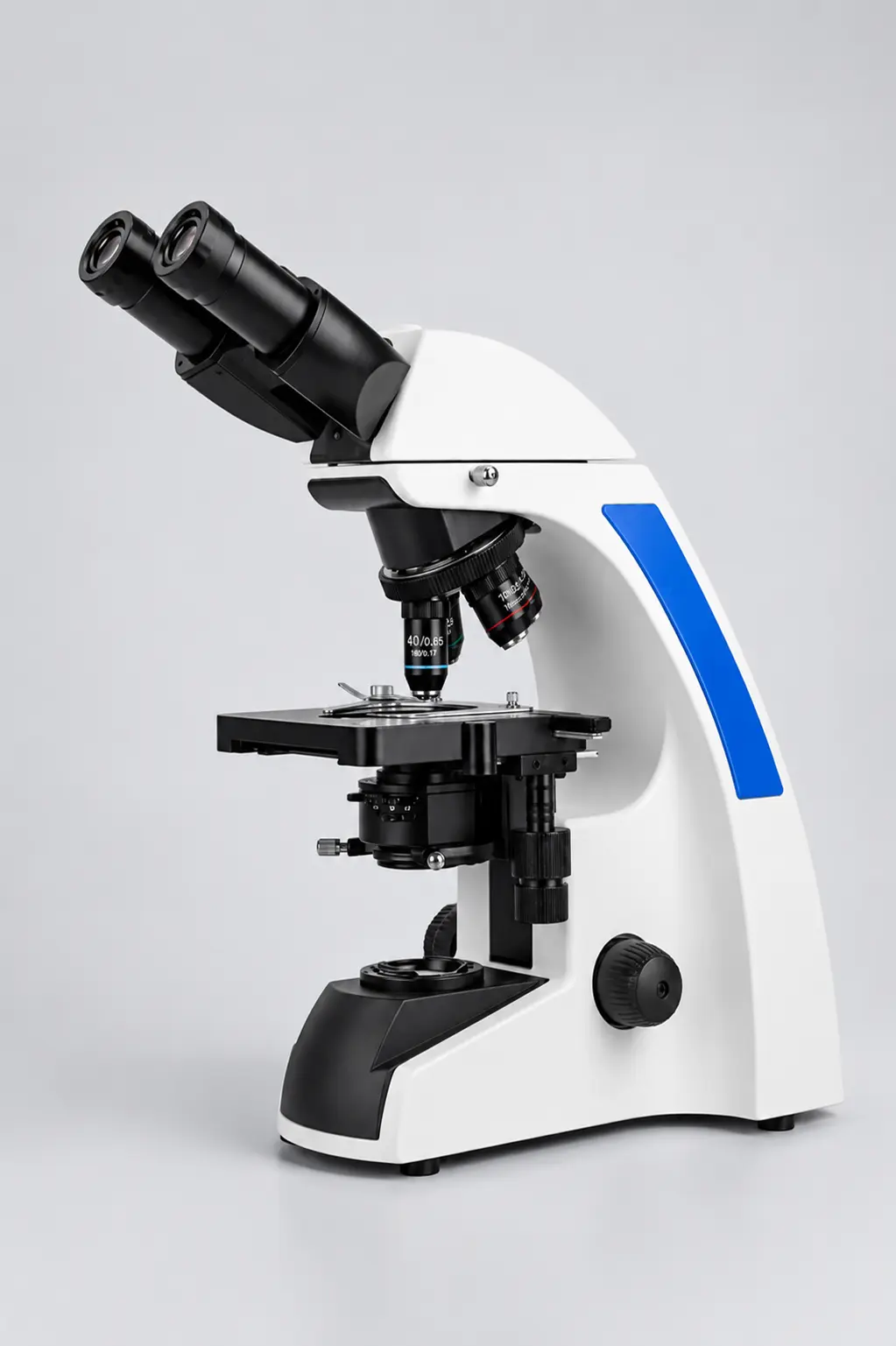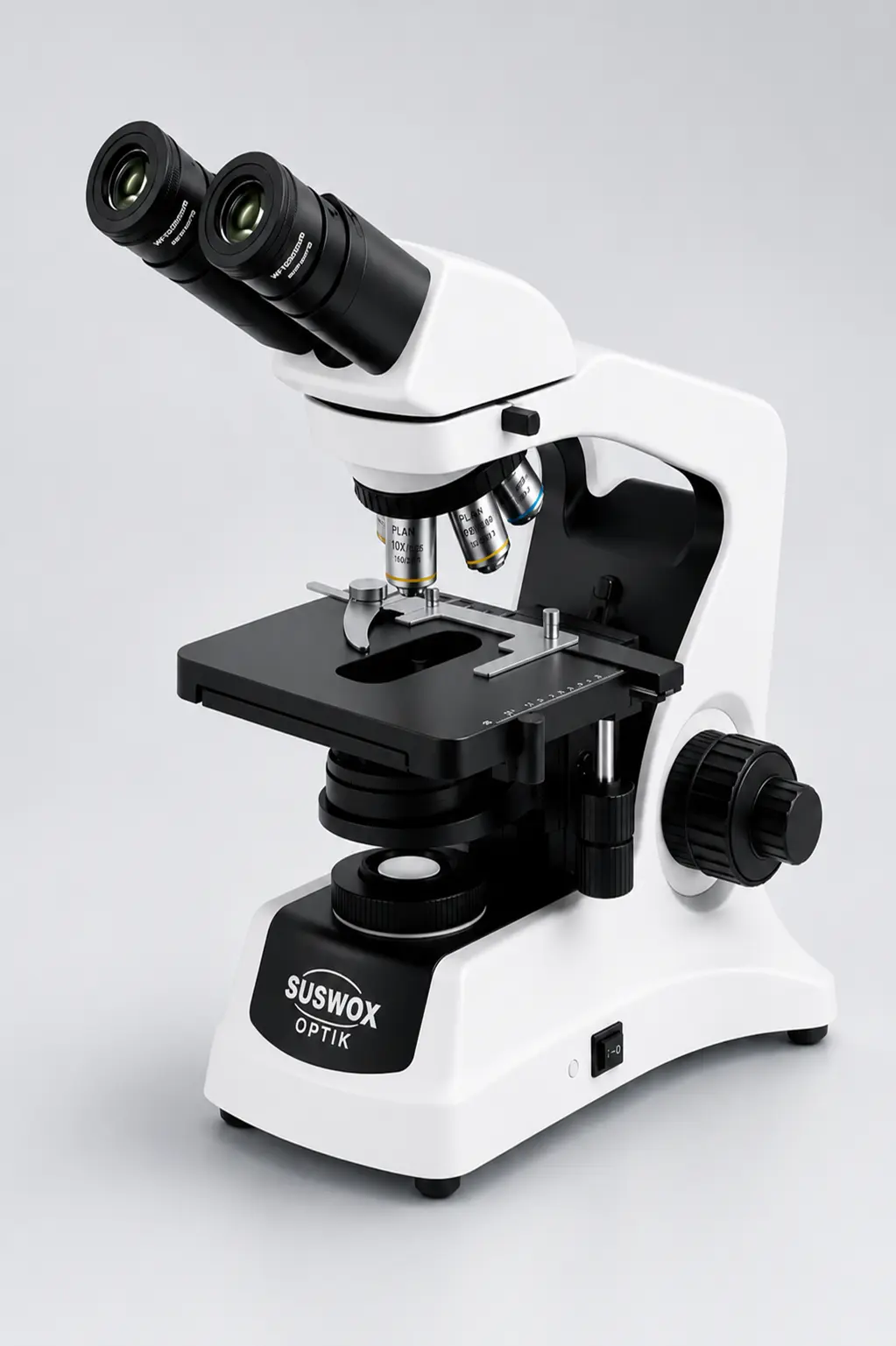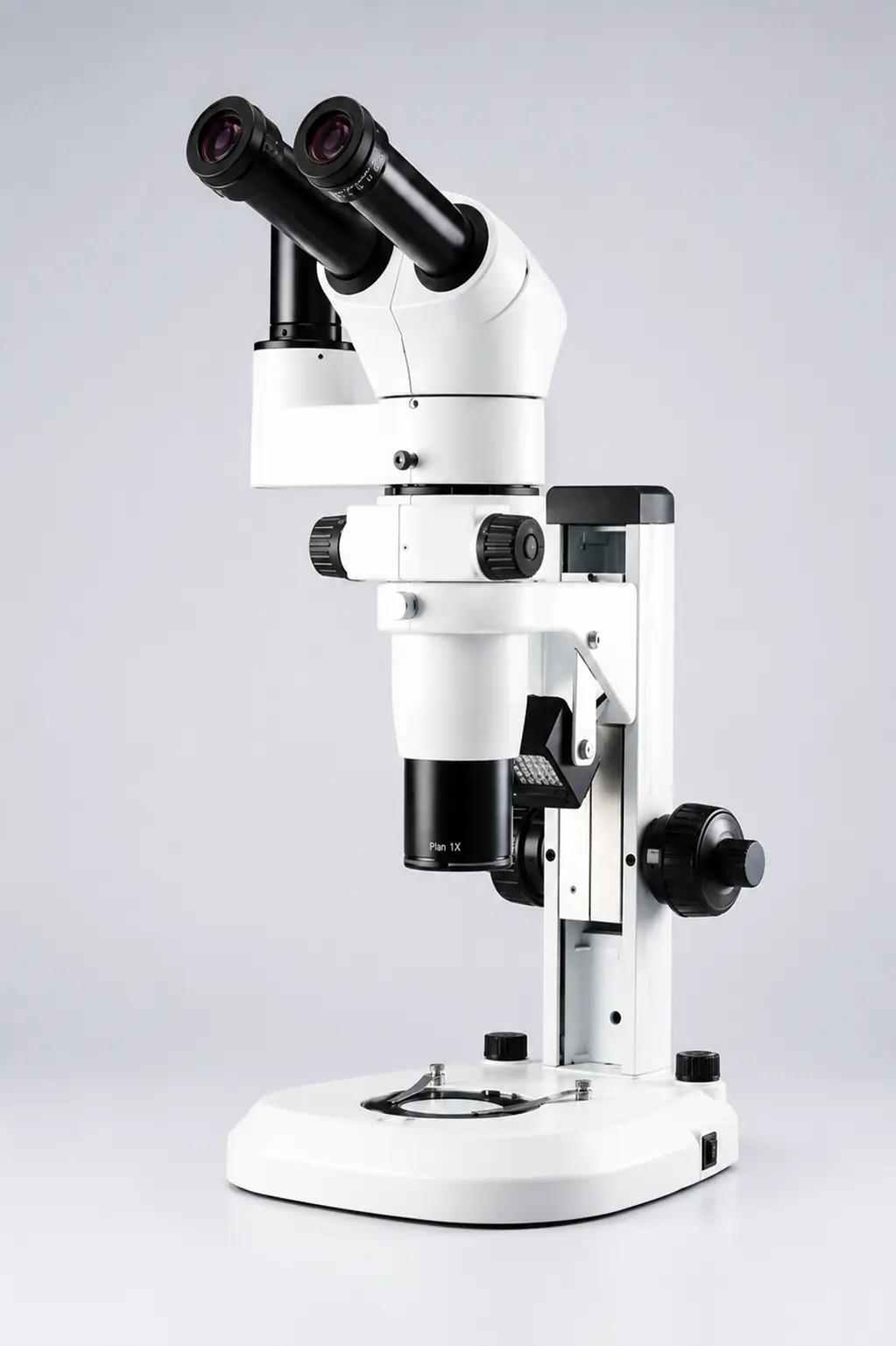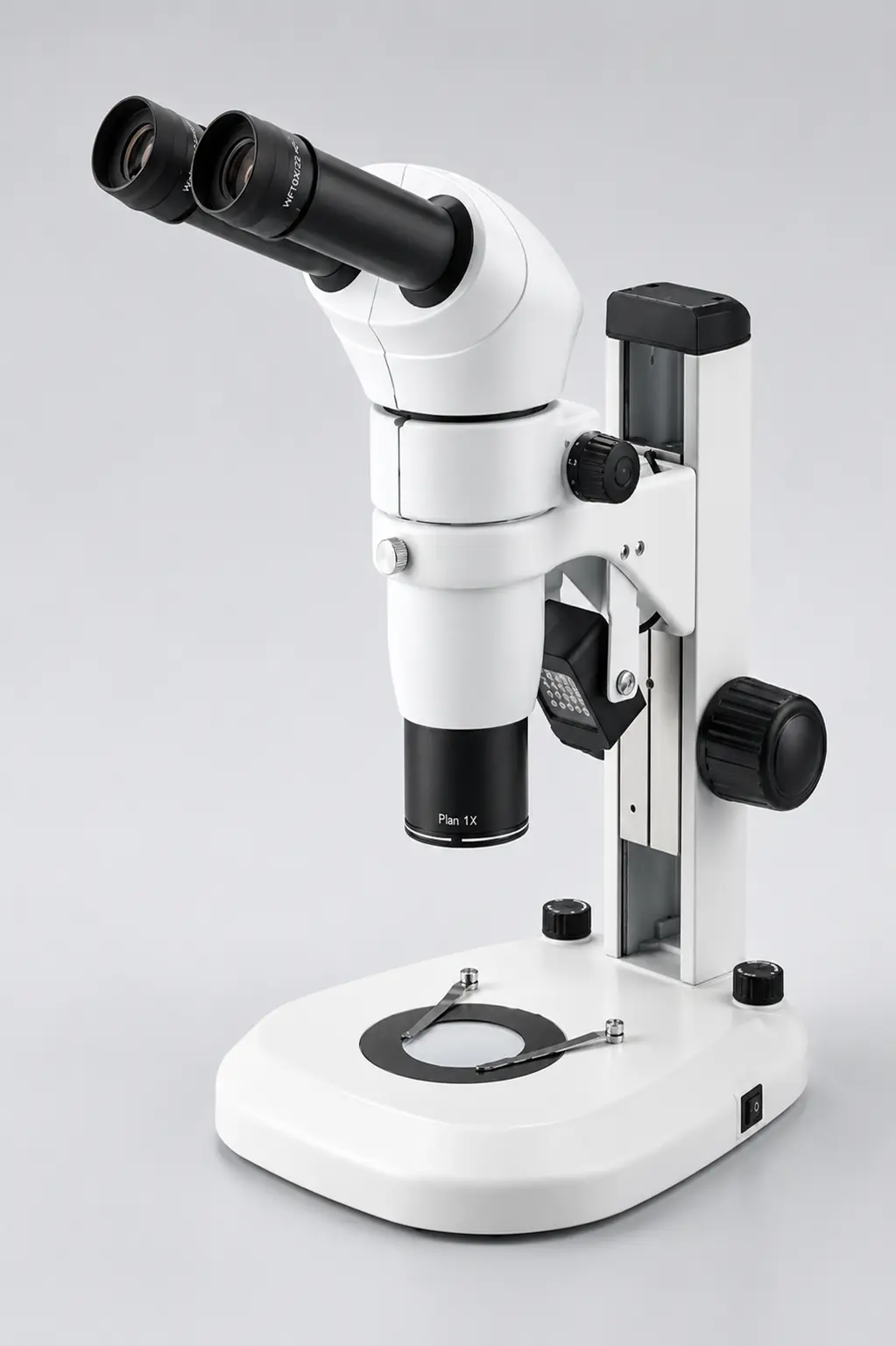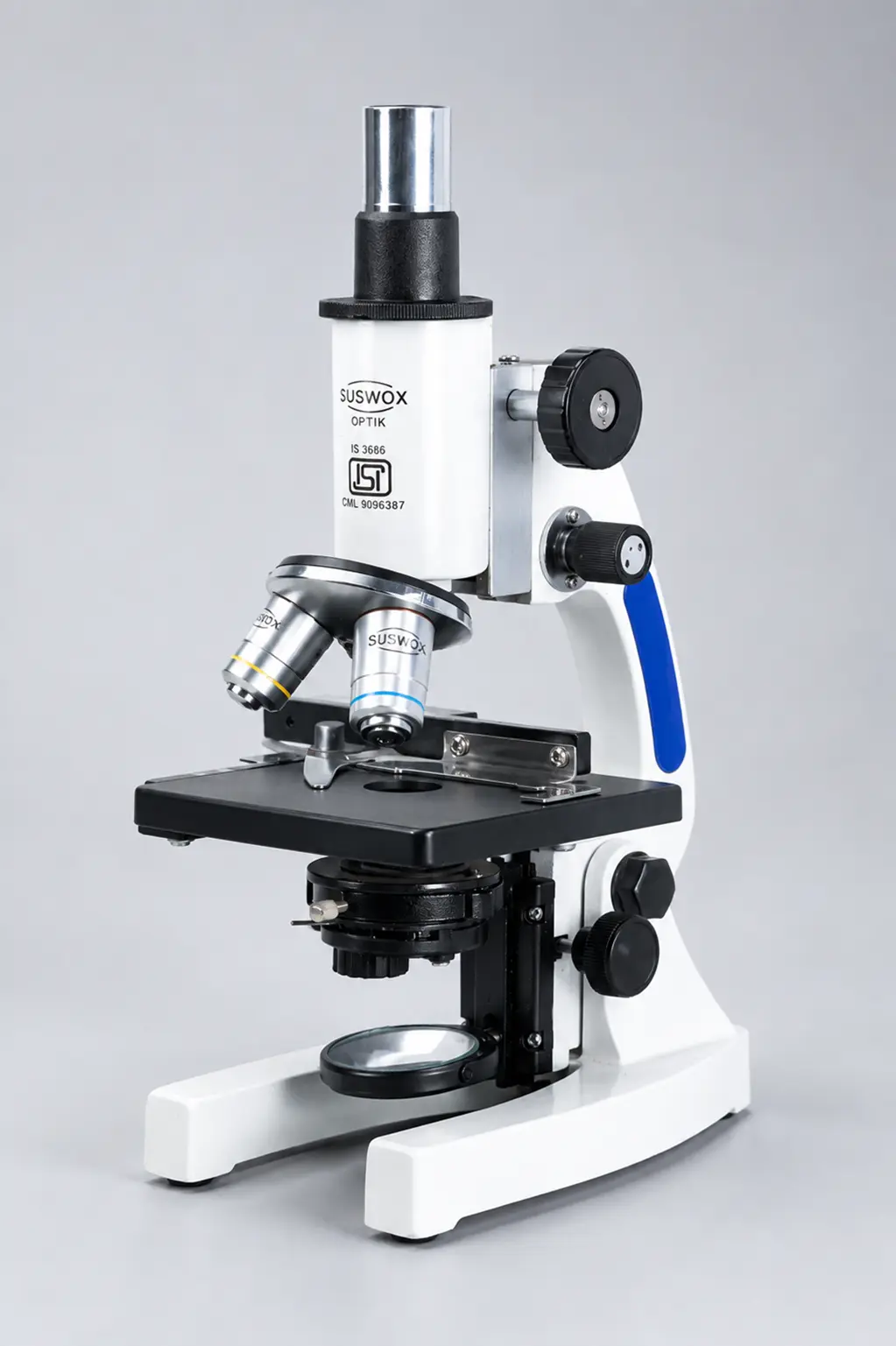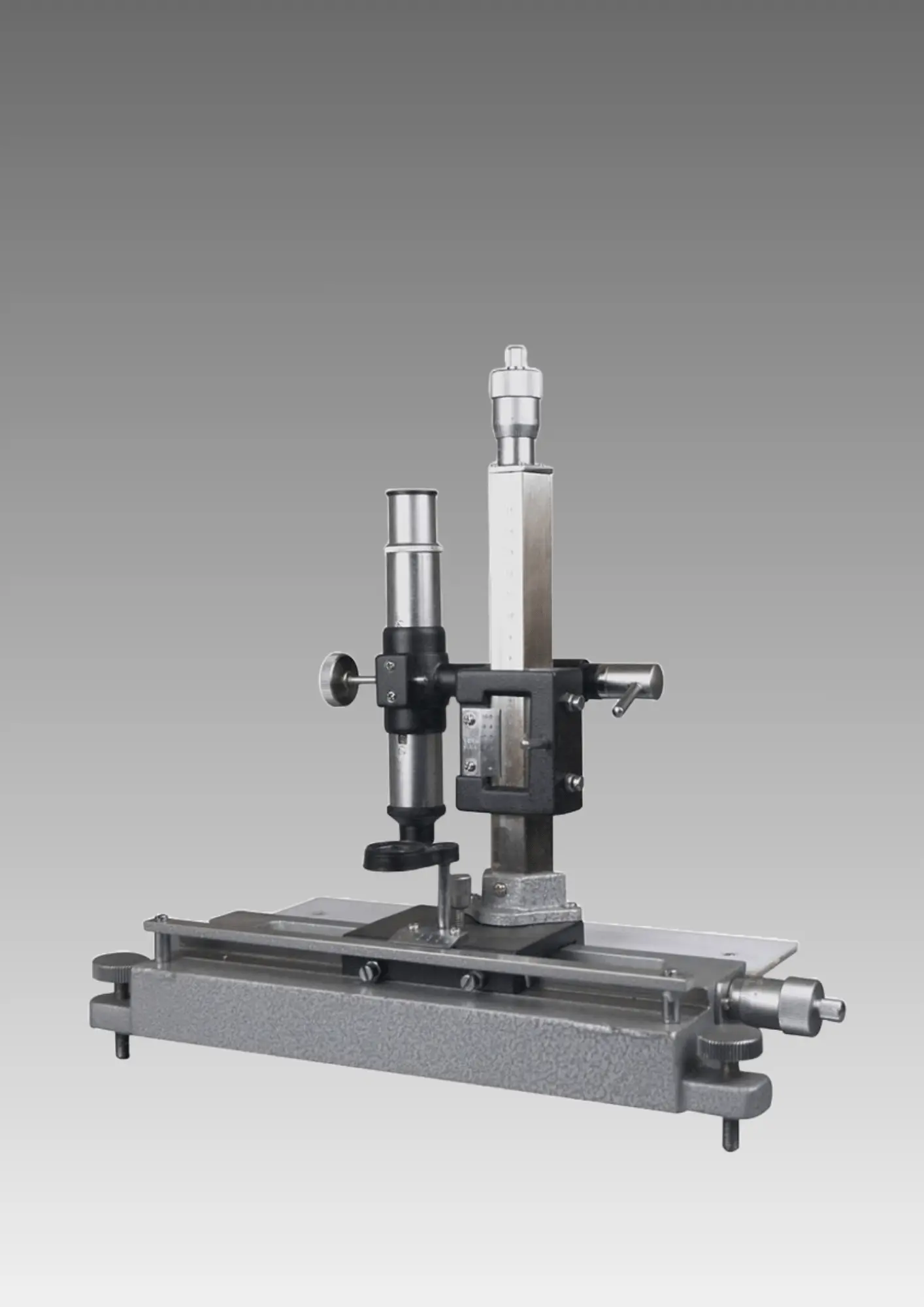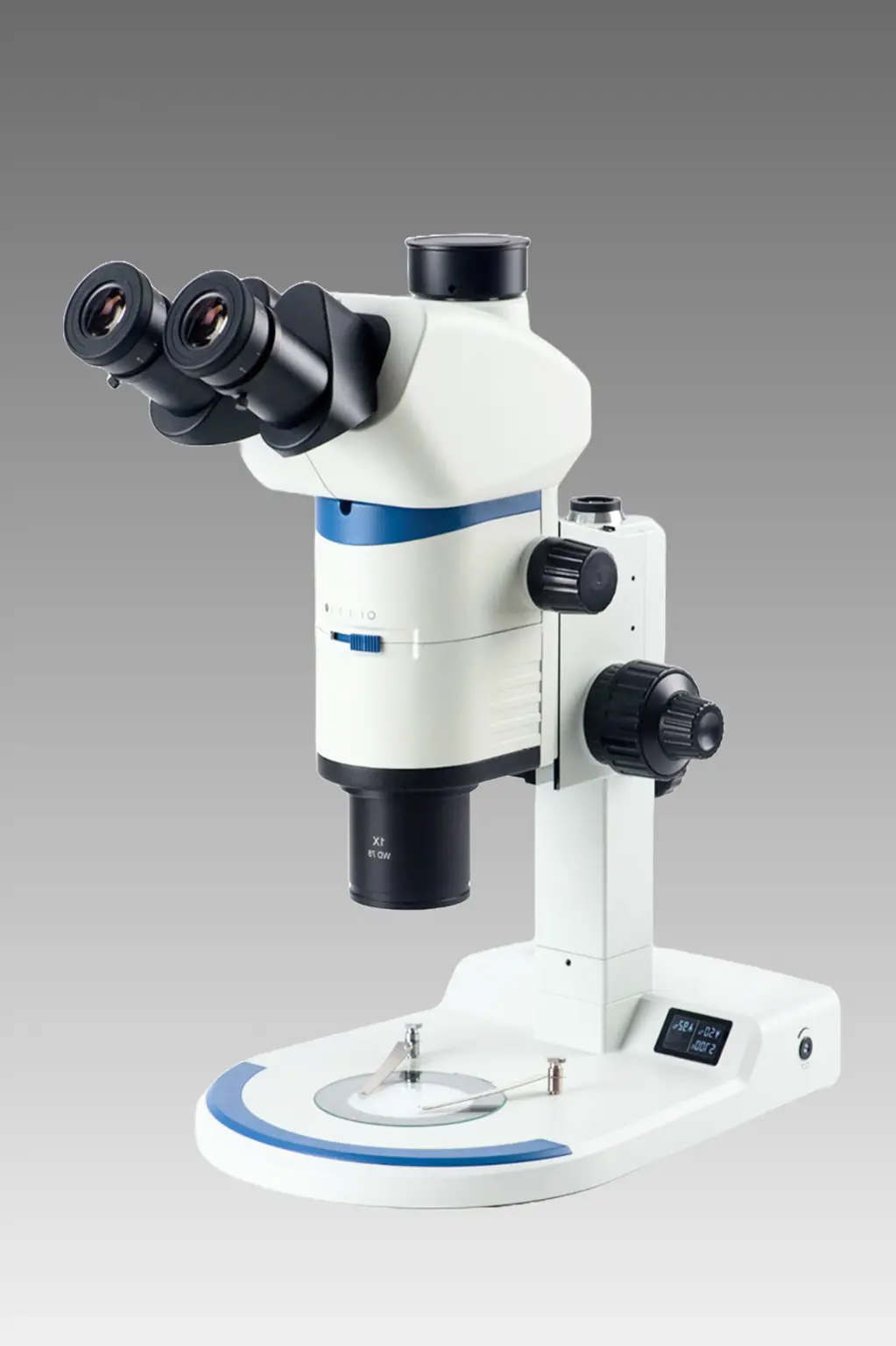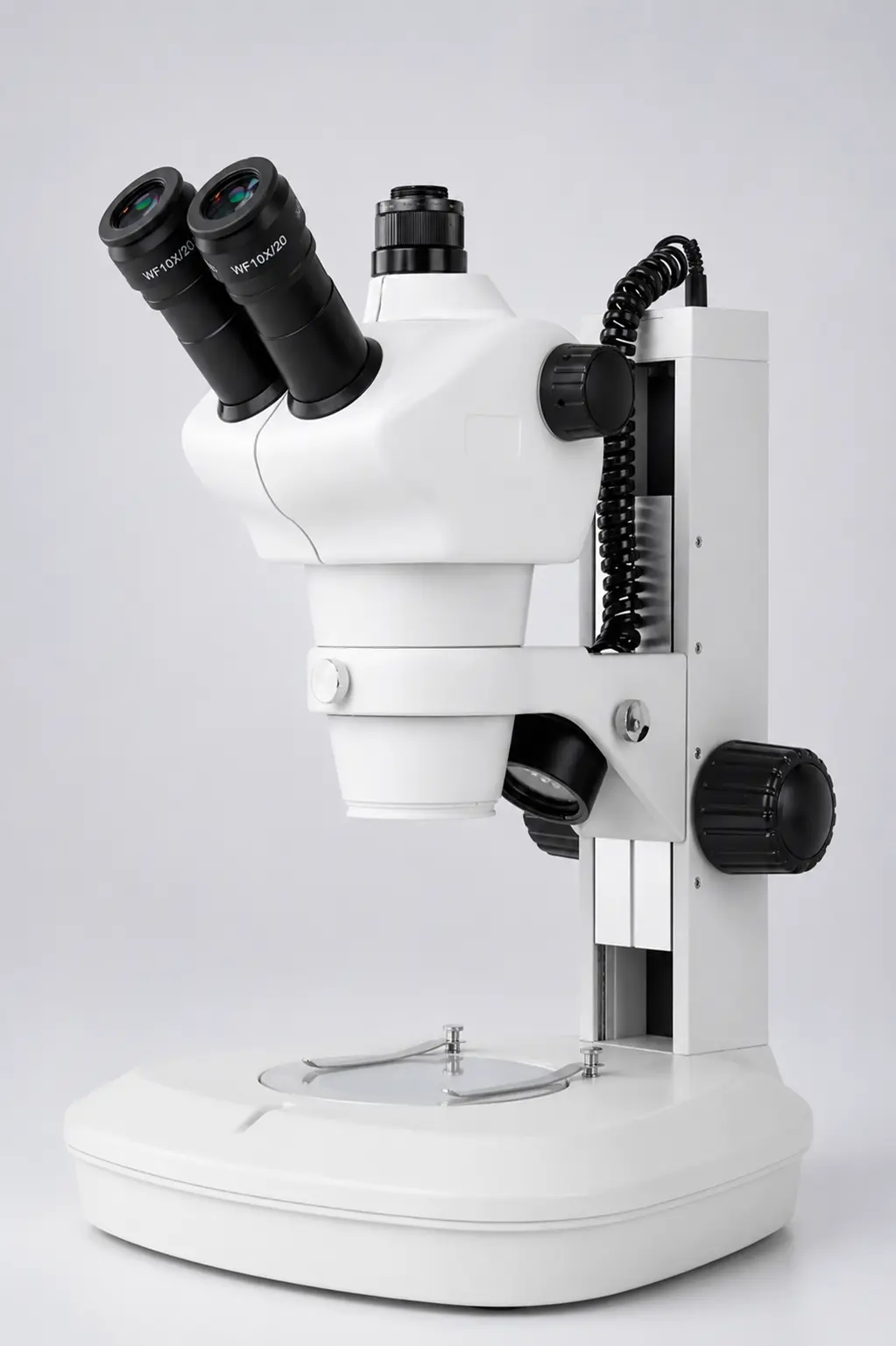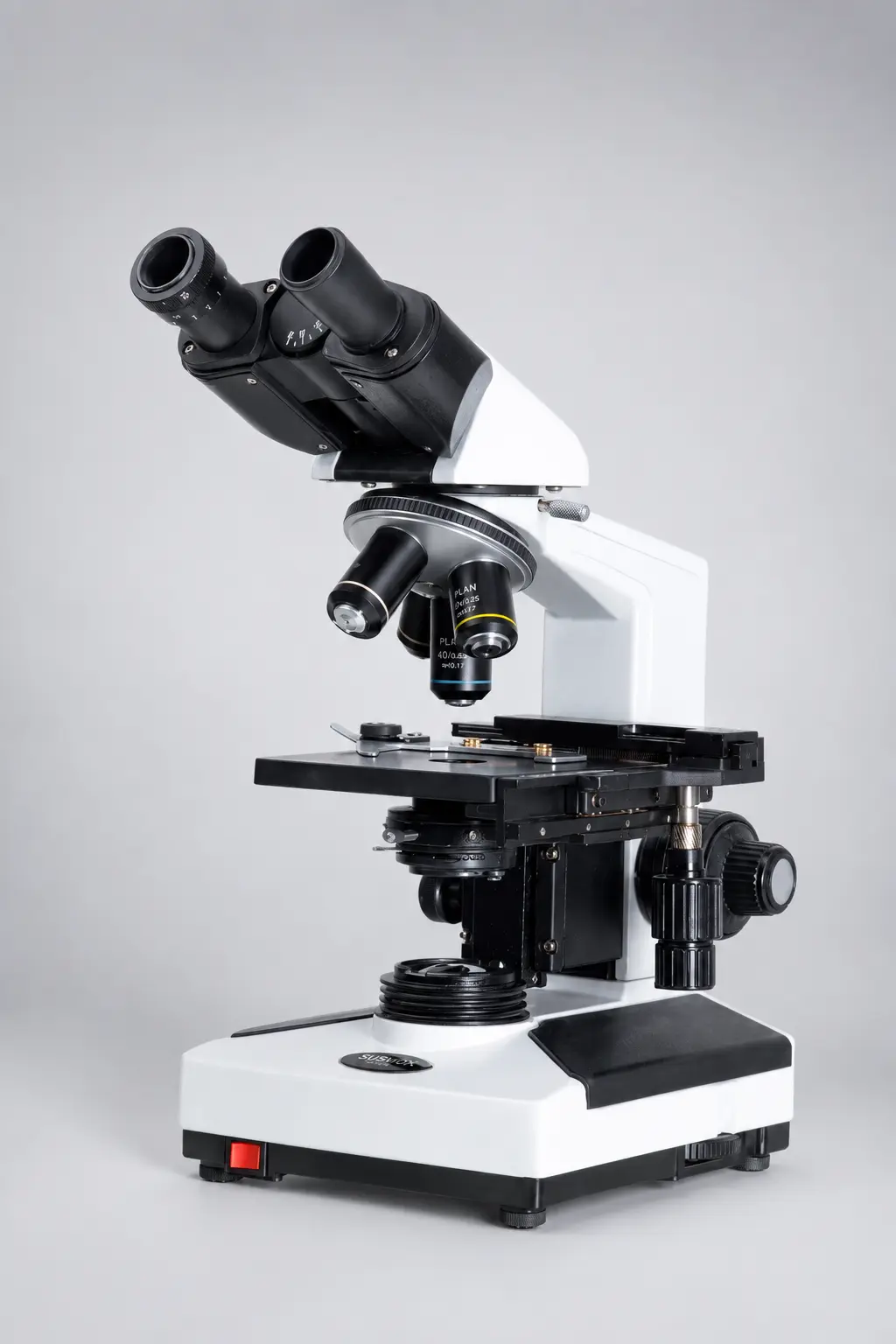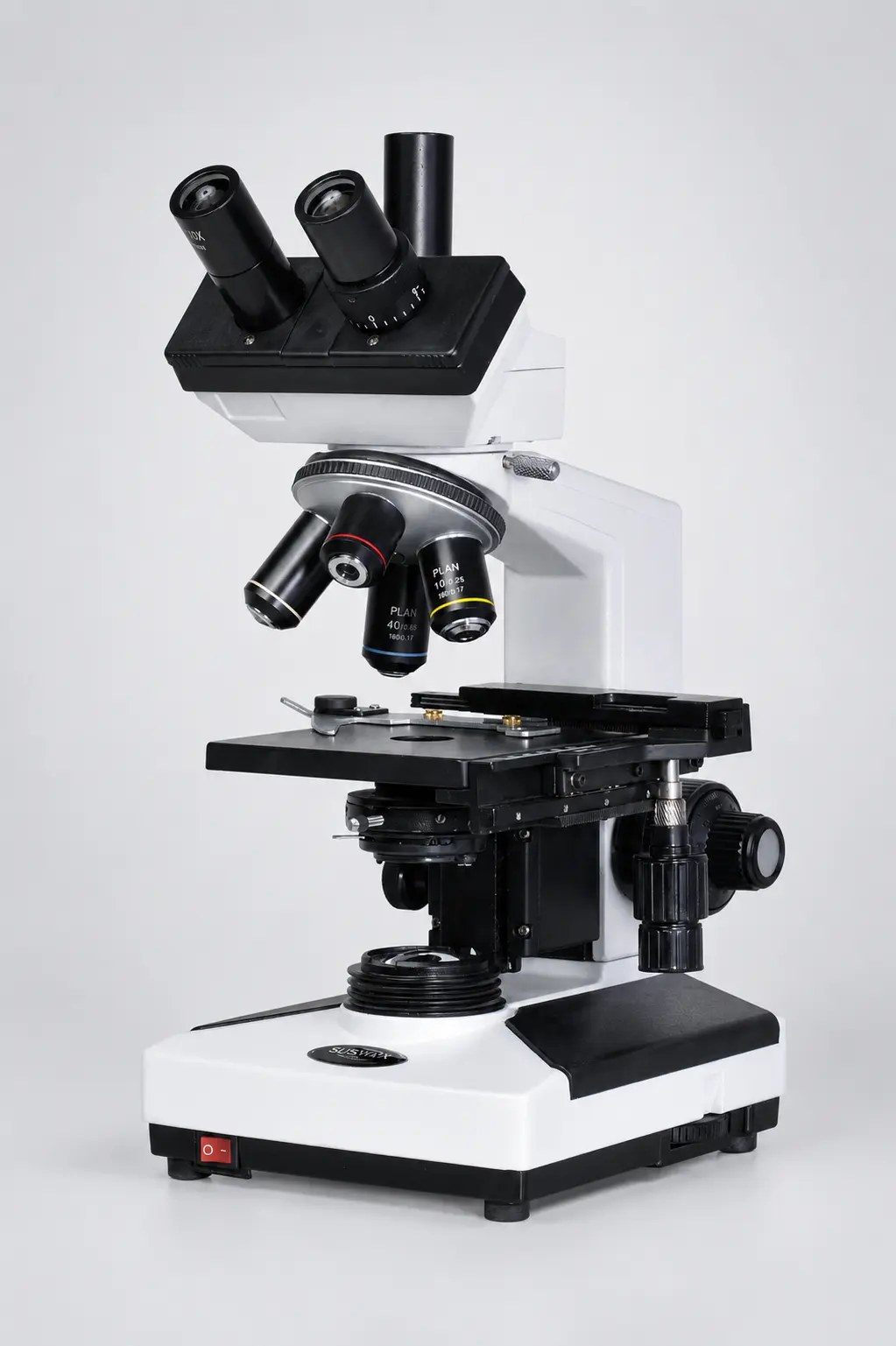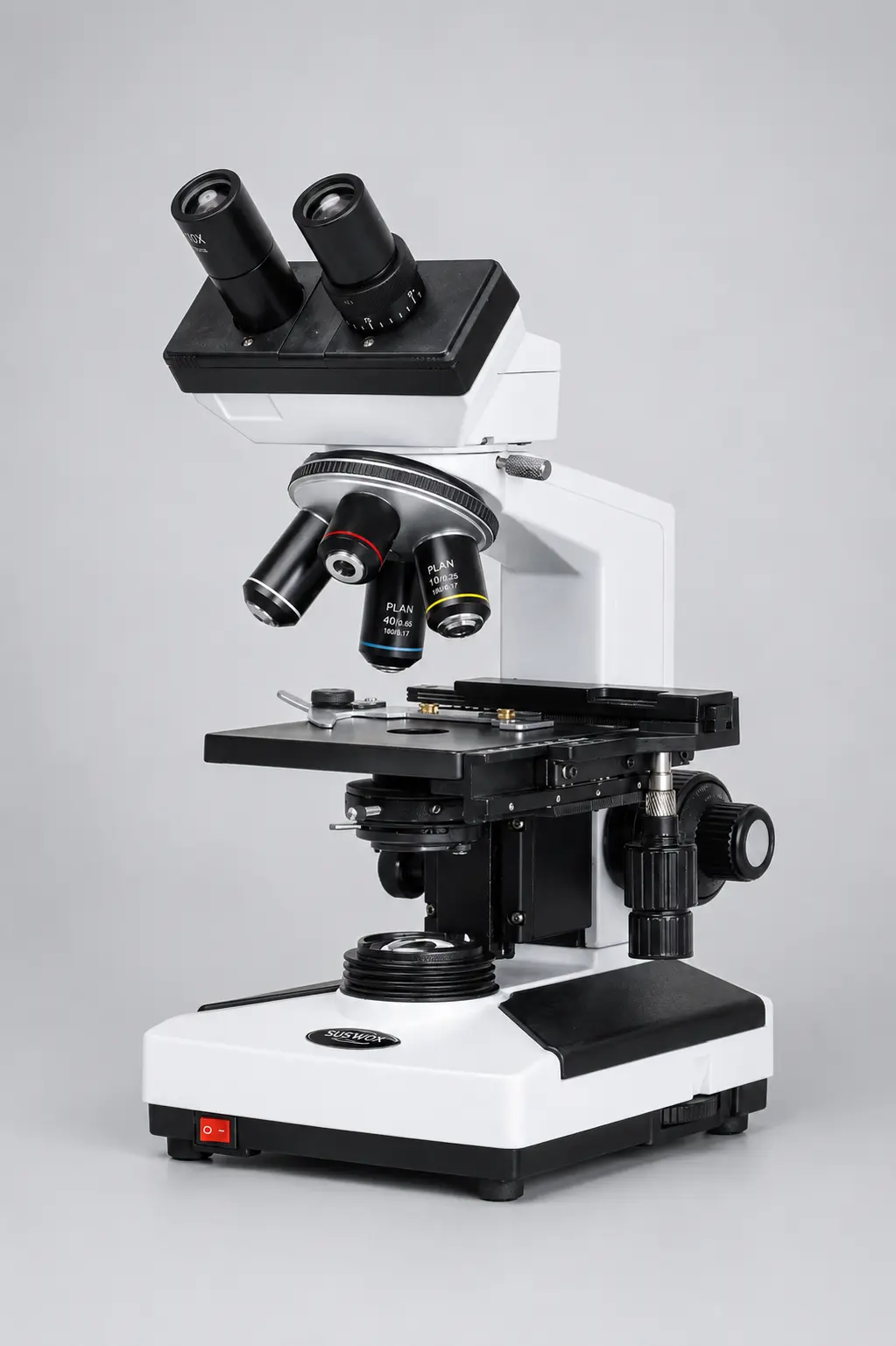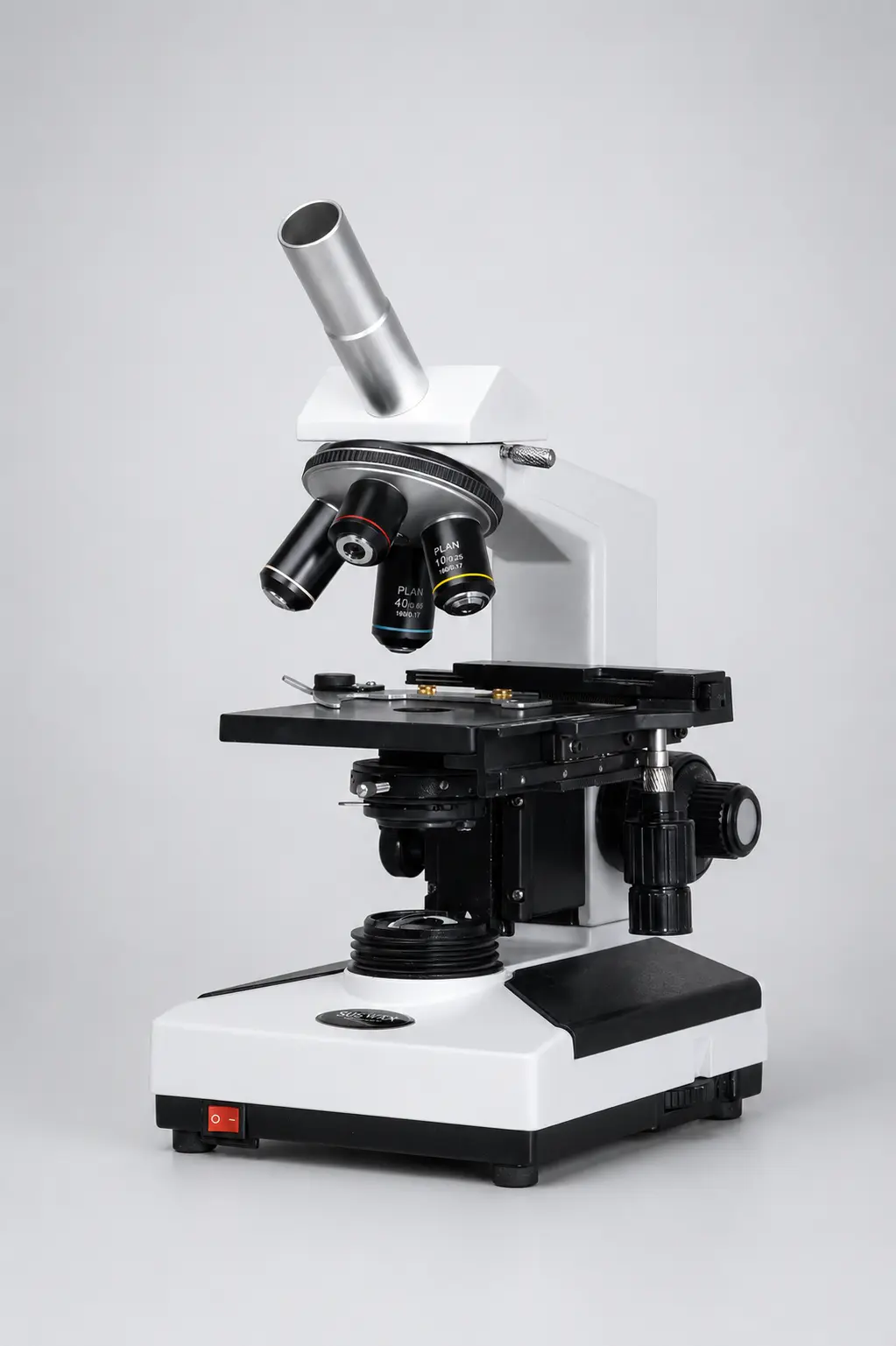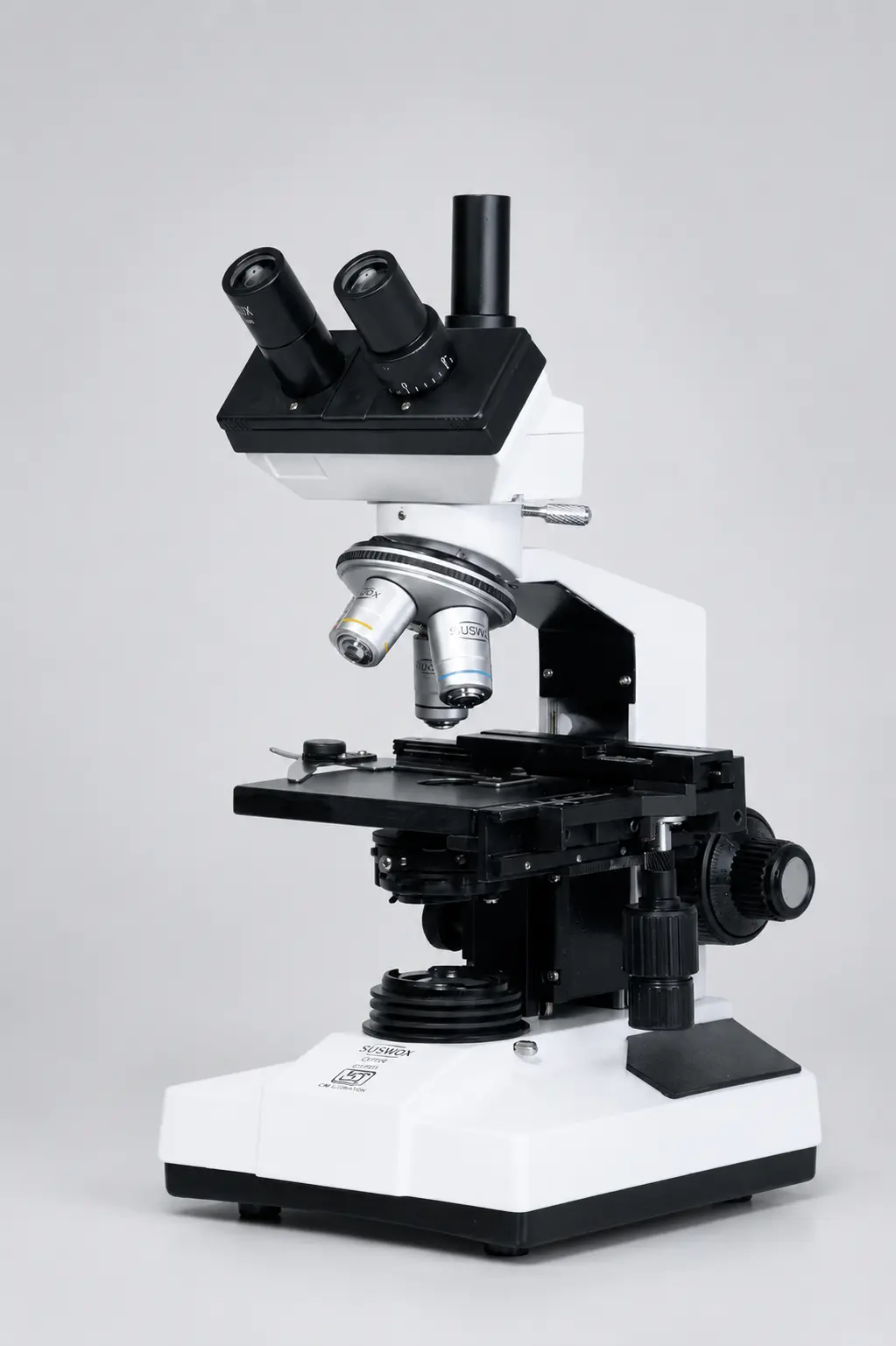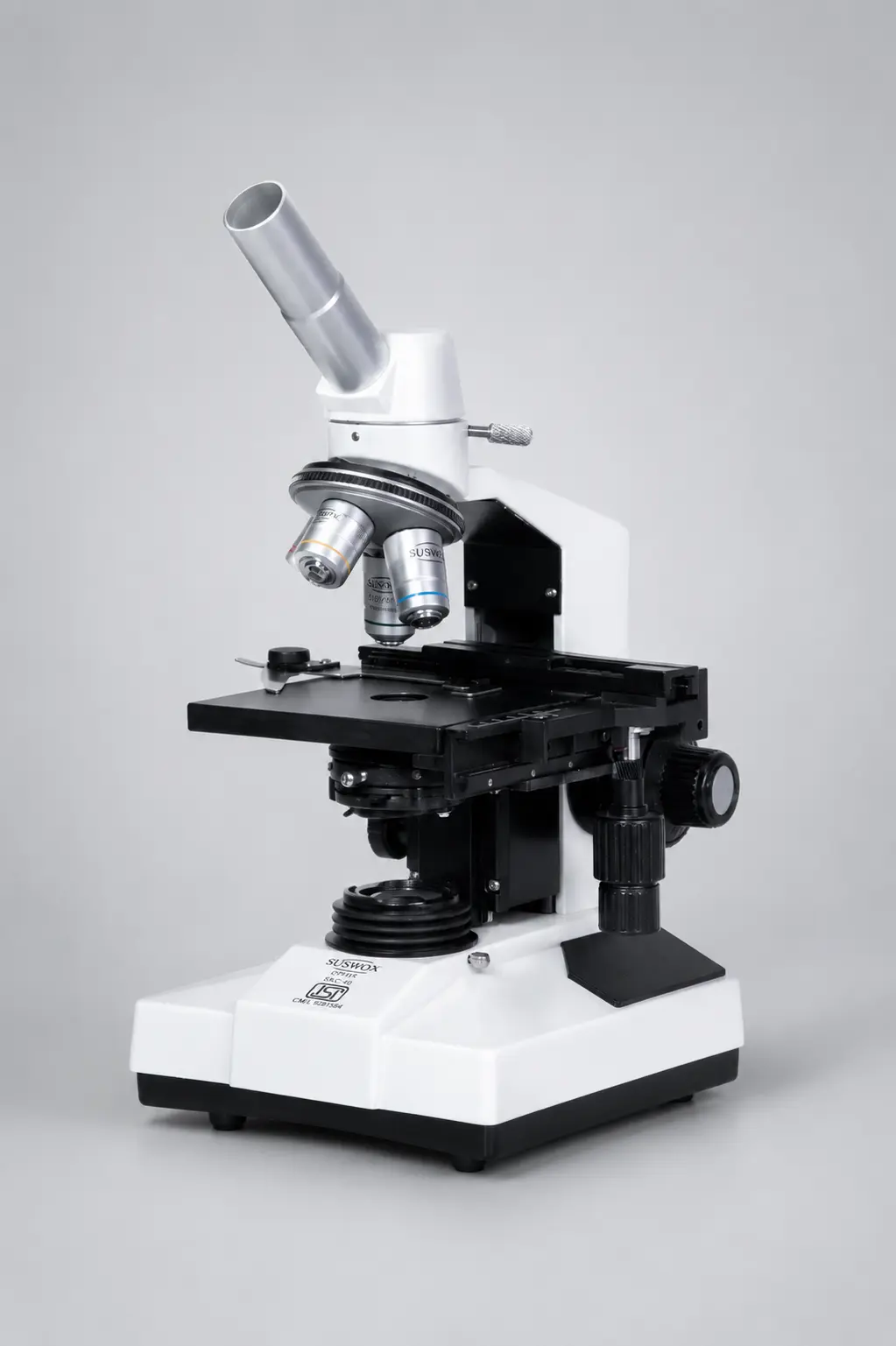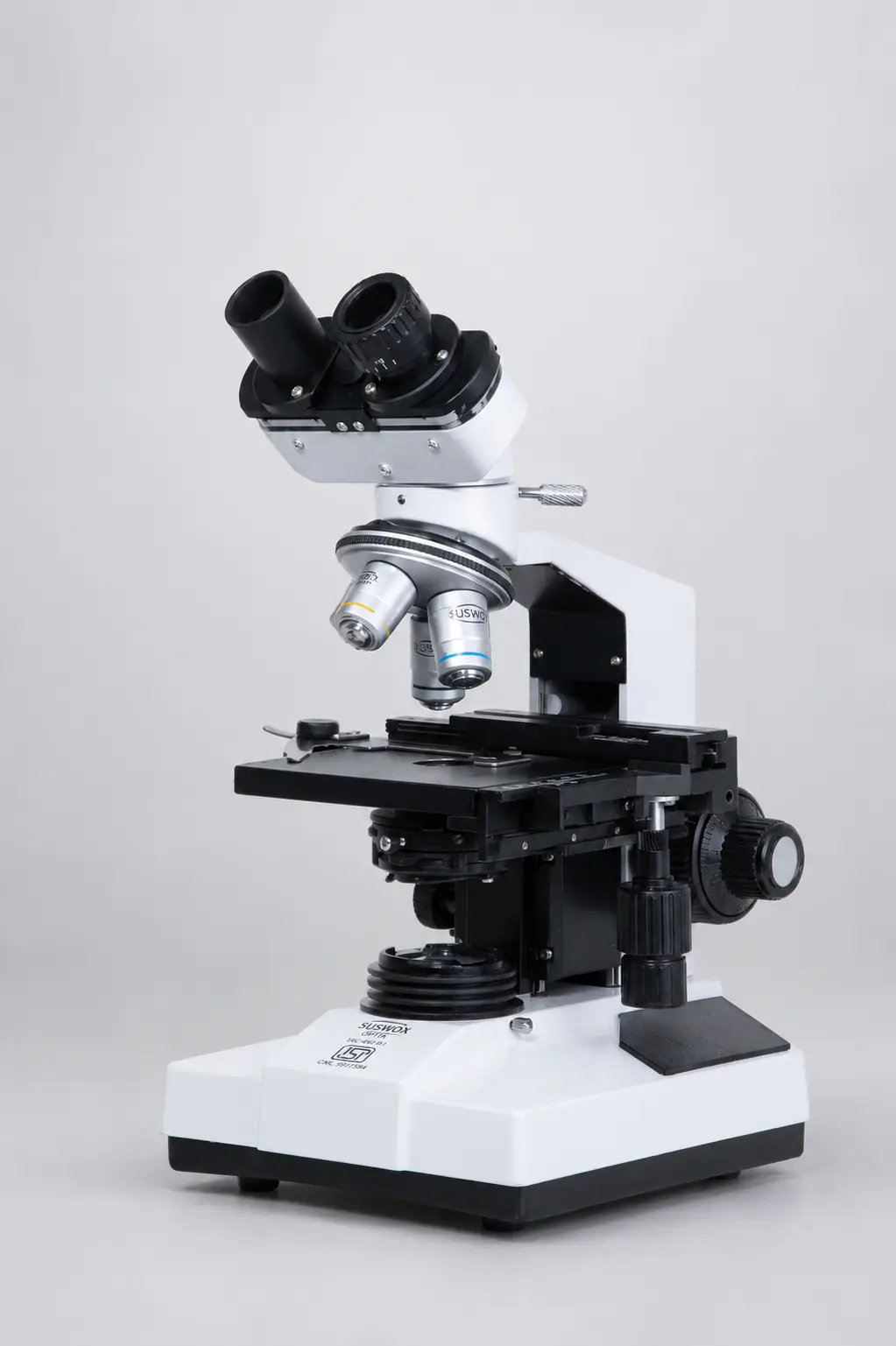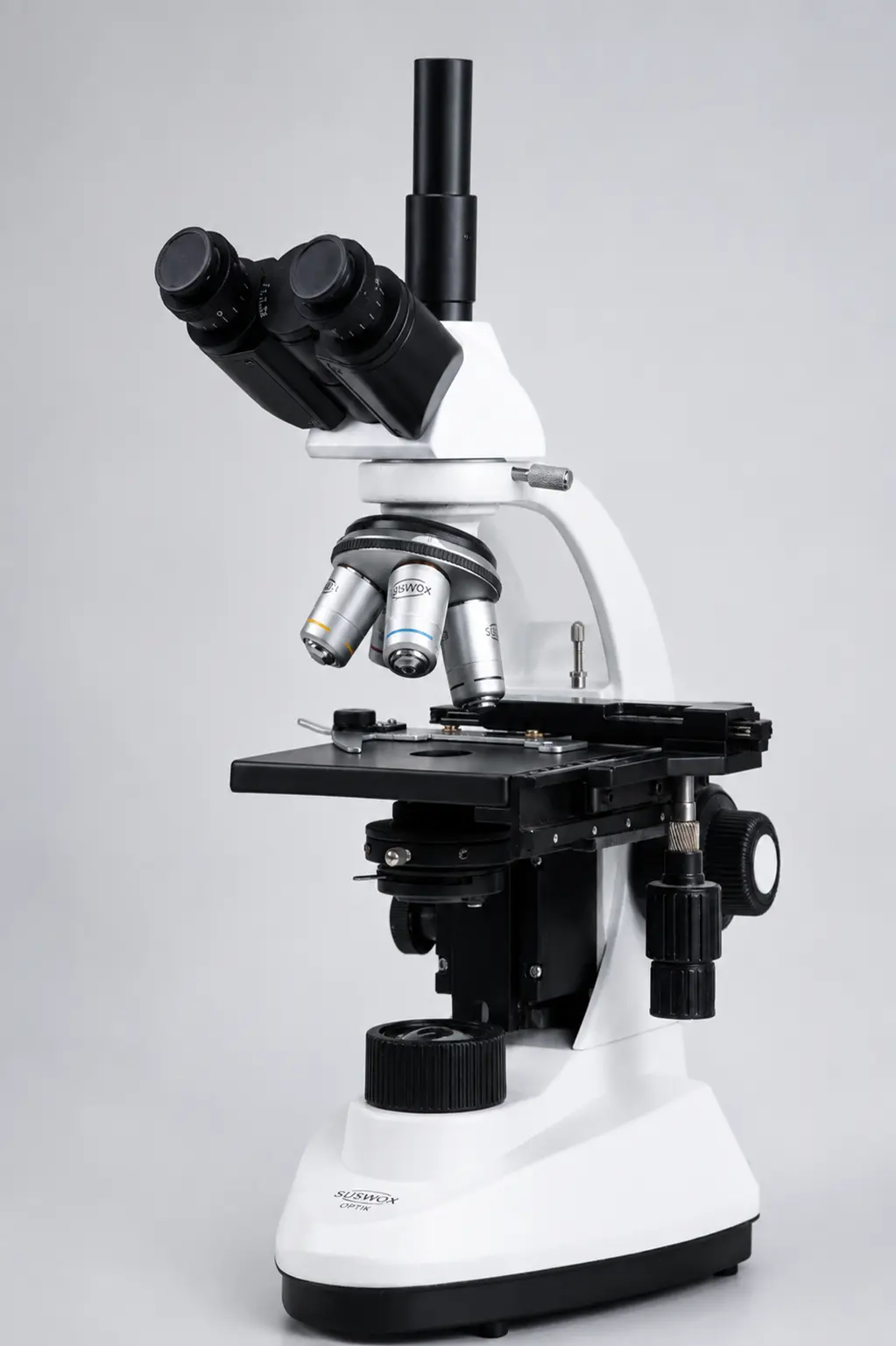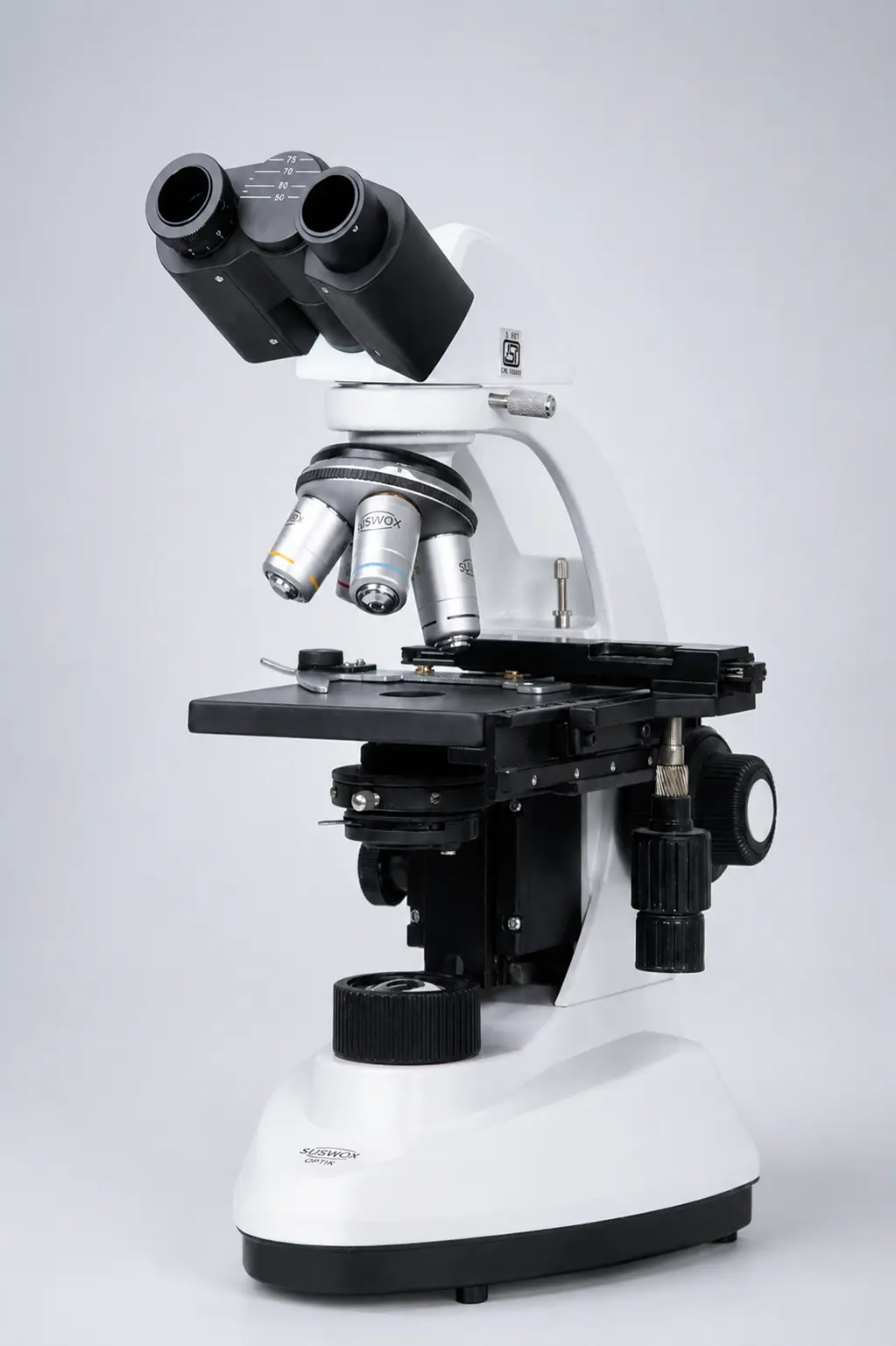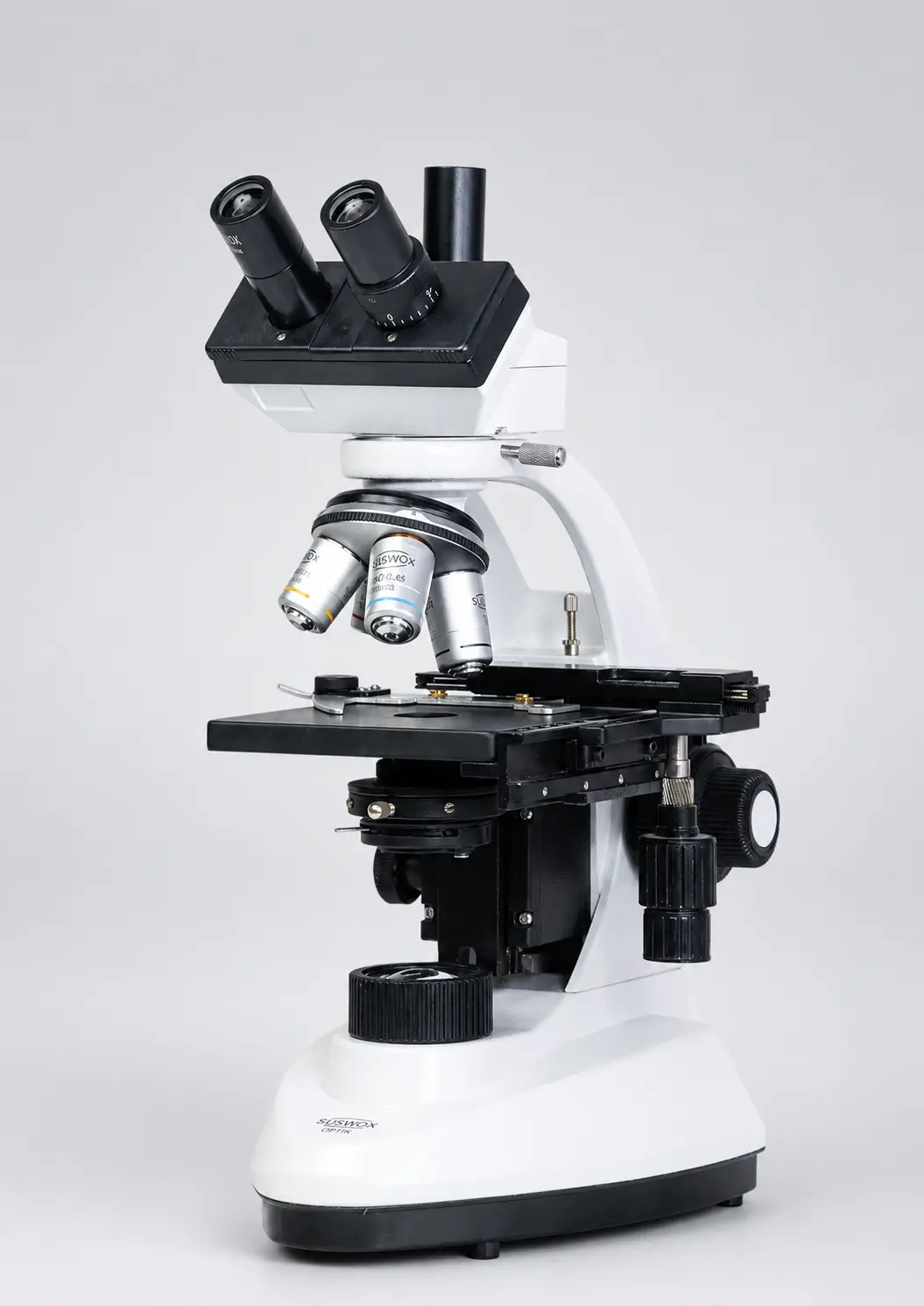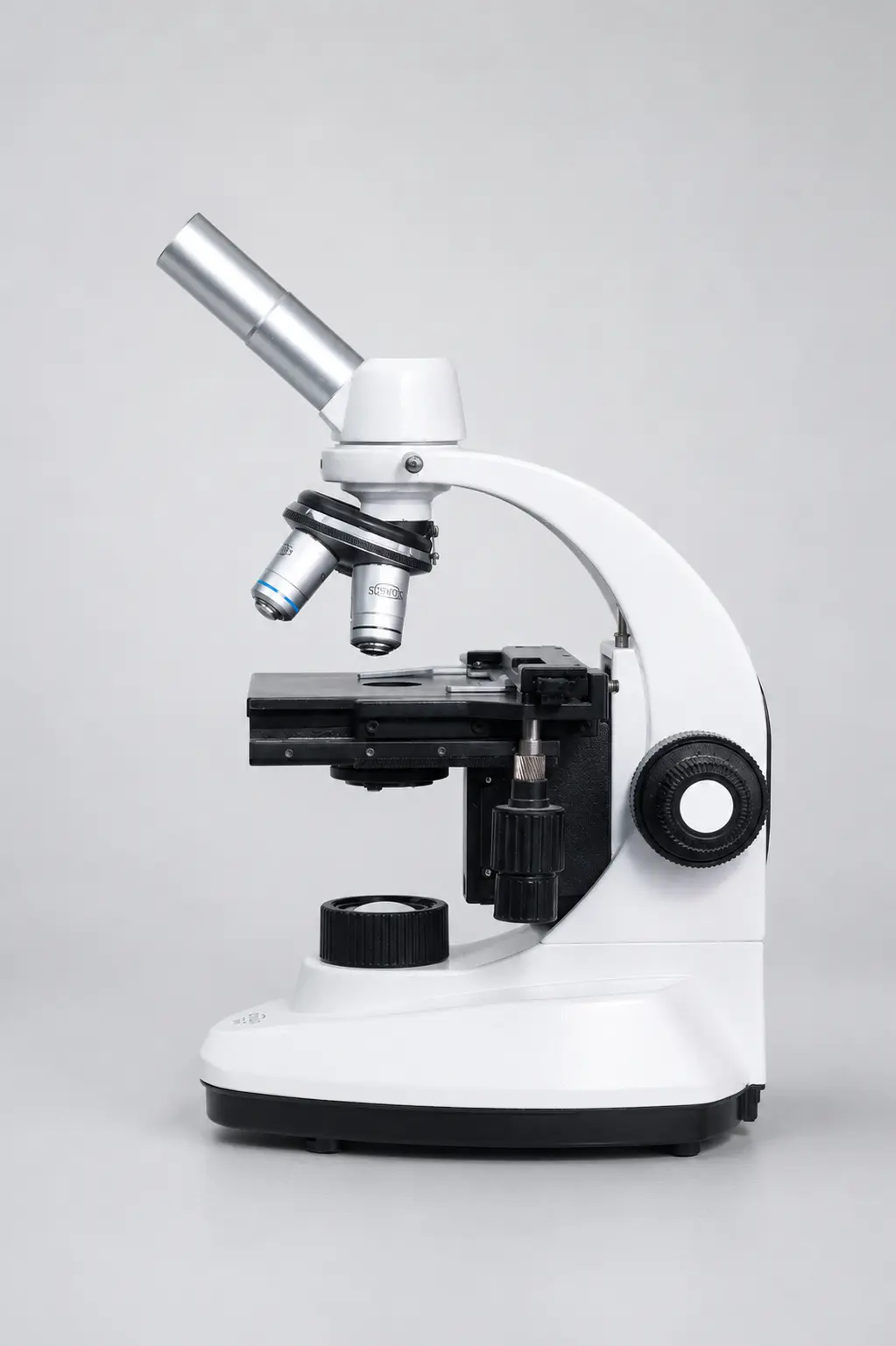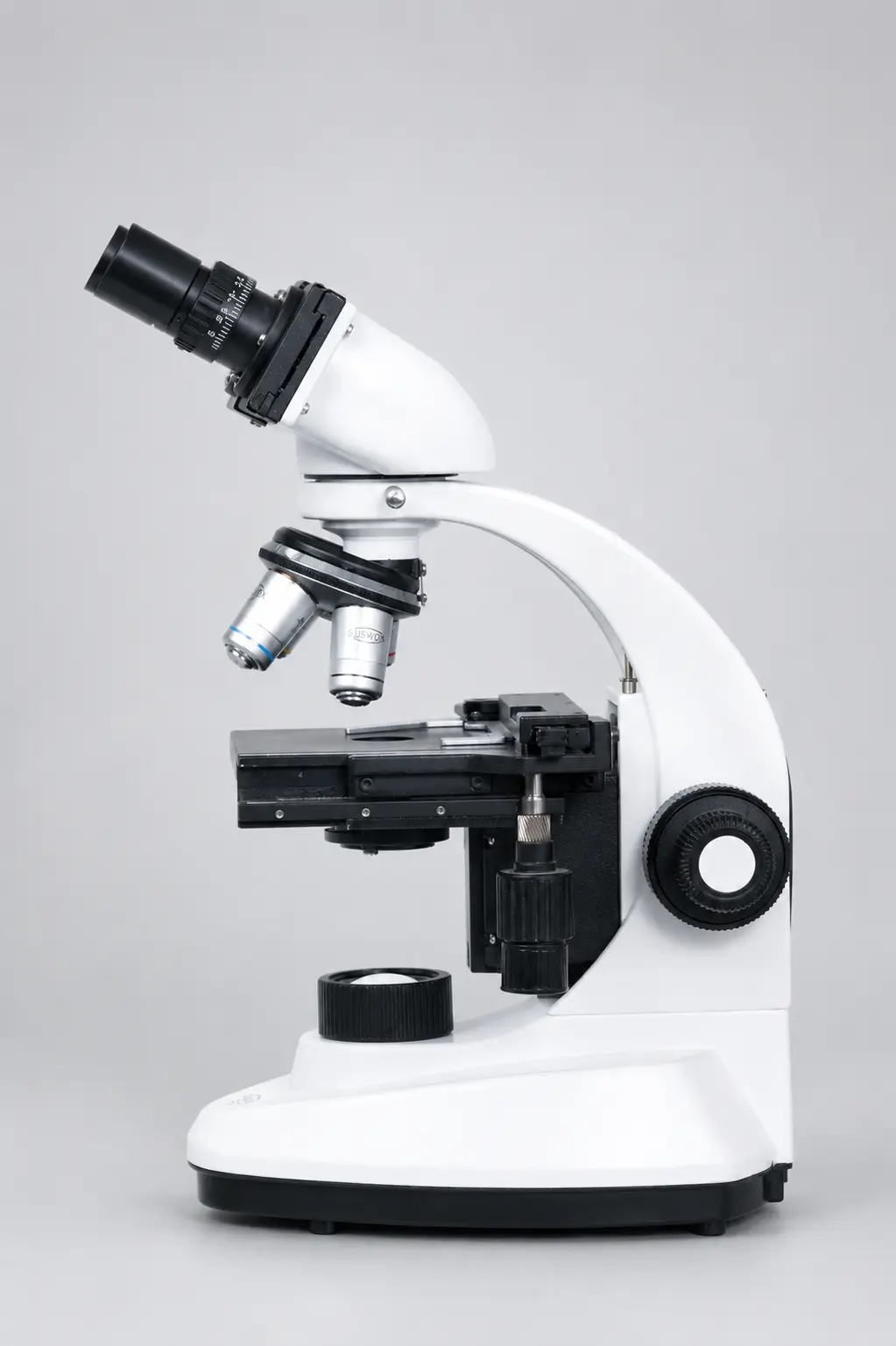
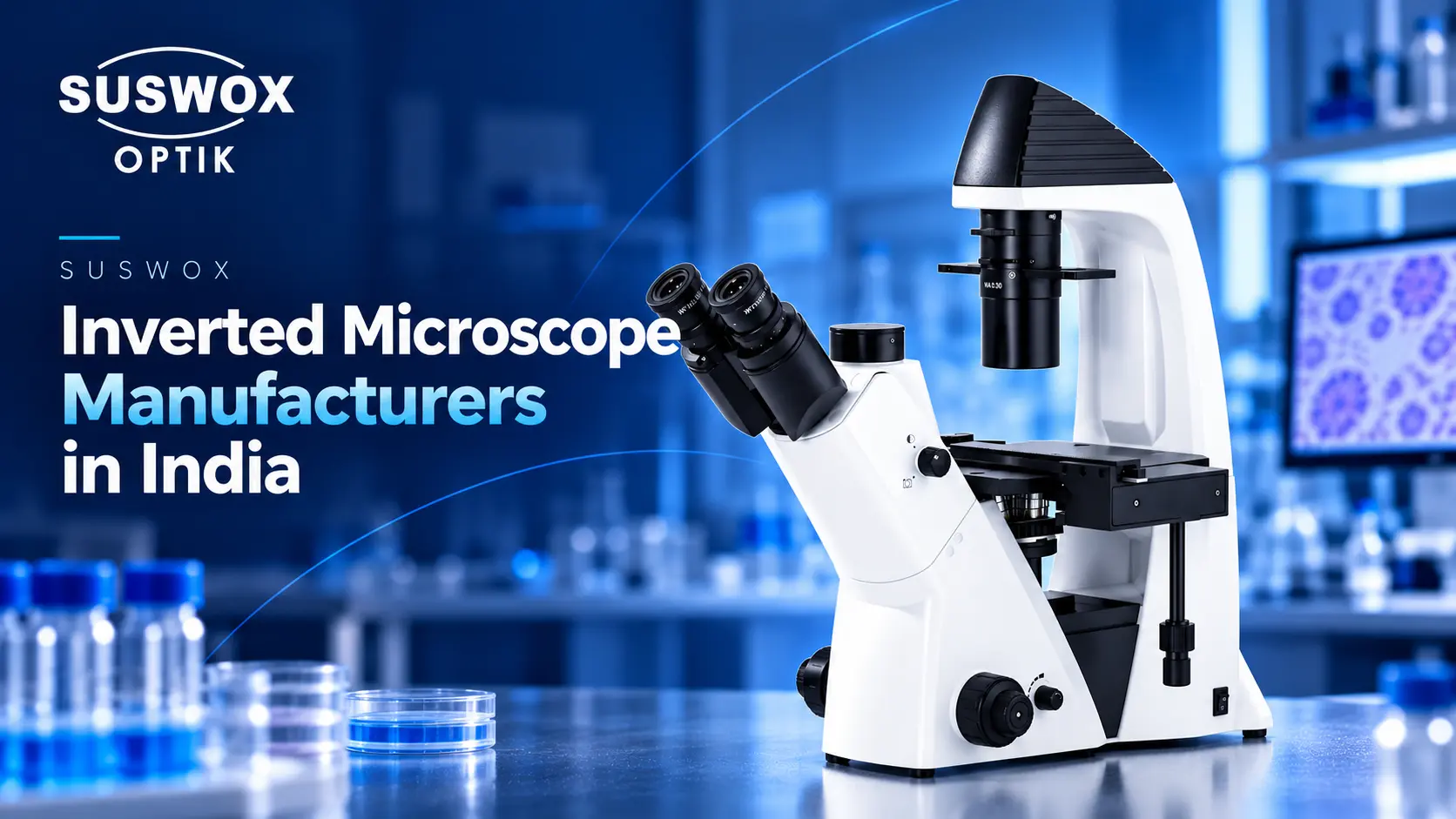
An inverted microscope is one of those instruments where the maker really matters. You are usually looking at live cells in a flask or a polished metal sample, and both need stable optics and a stage that does not shift. In India, only a handful of companies actually manufacture inverted microscopes. The rest import and resell.
Here is the quick answer. Indian manufacturers offering inverted microscopes include SUSWOX (Sudheer Scientific Works, Ambala, since 1973), Weswox and Almicro, all from Ambala in Haryana. Several international brands also sell inverted microscopes in India, but those are generally made abroad.
Below we explain who makes what, how biological and metallurgical inverted microscopes differ, and what to ask before you buy one.
What Is an Inverted Microscope, in Simple Words?
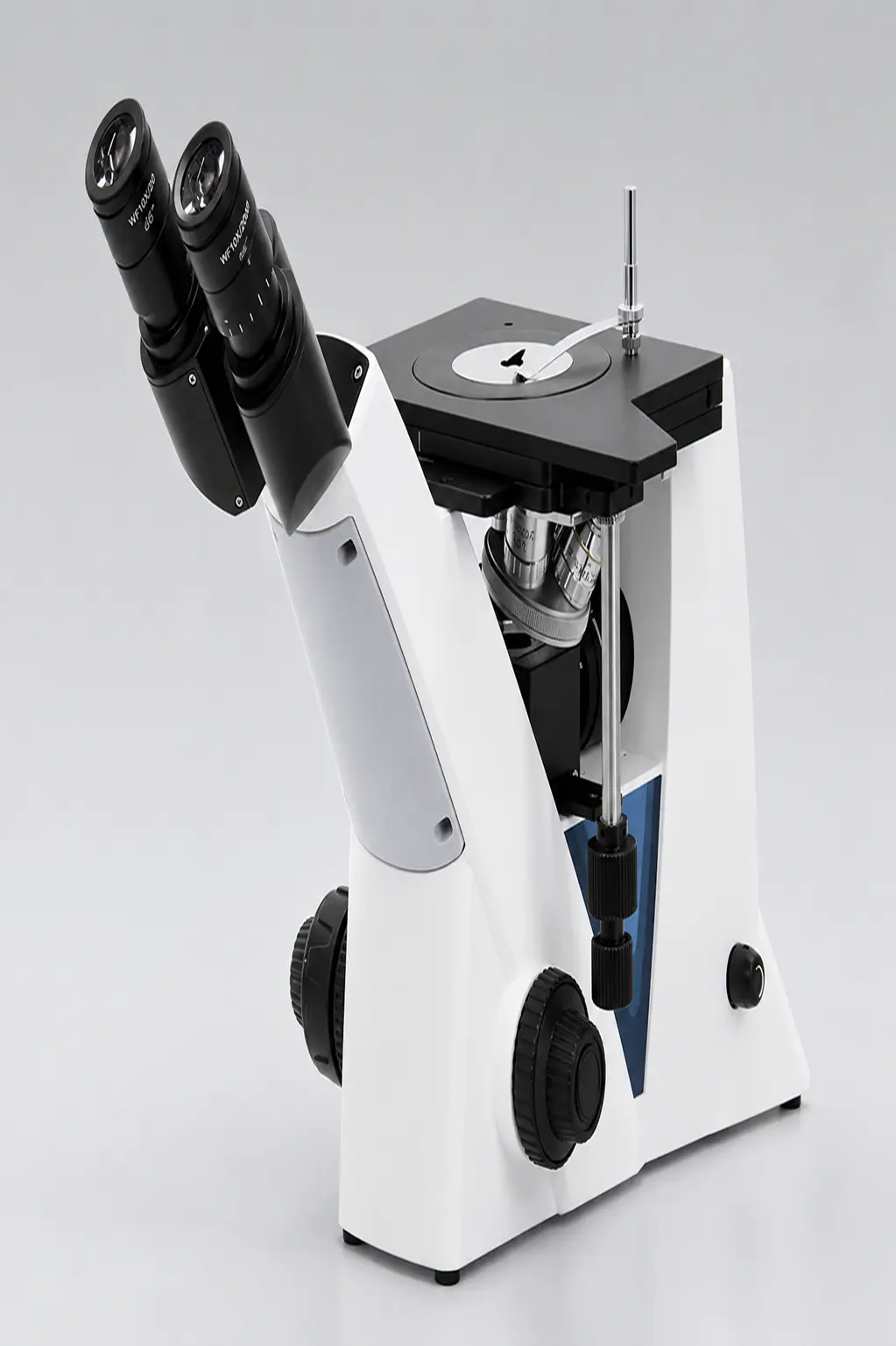
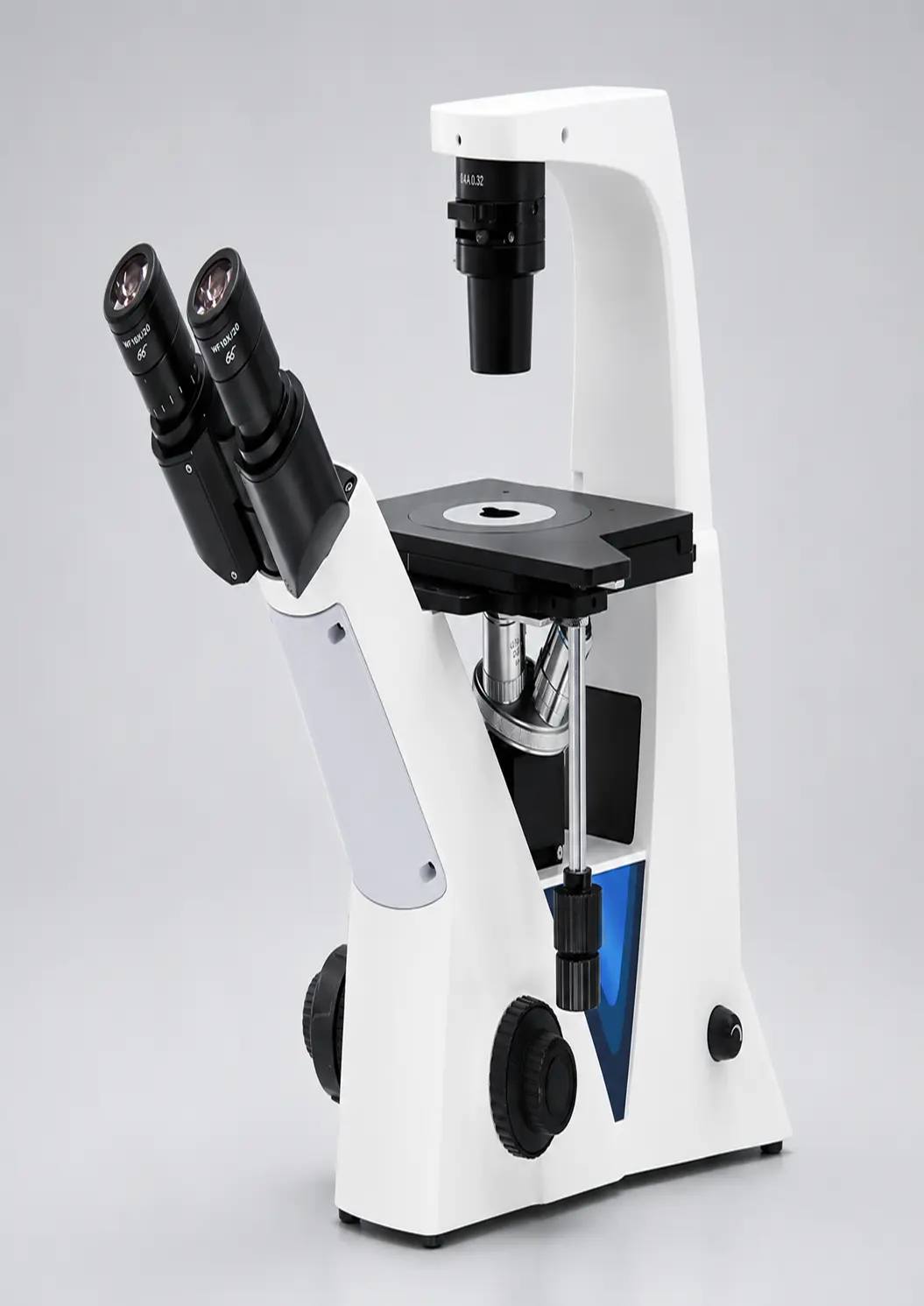
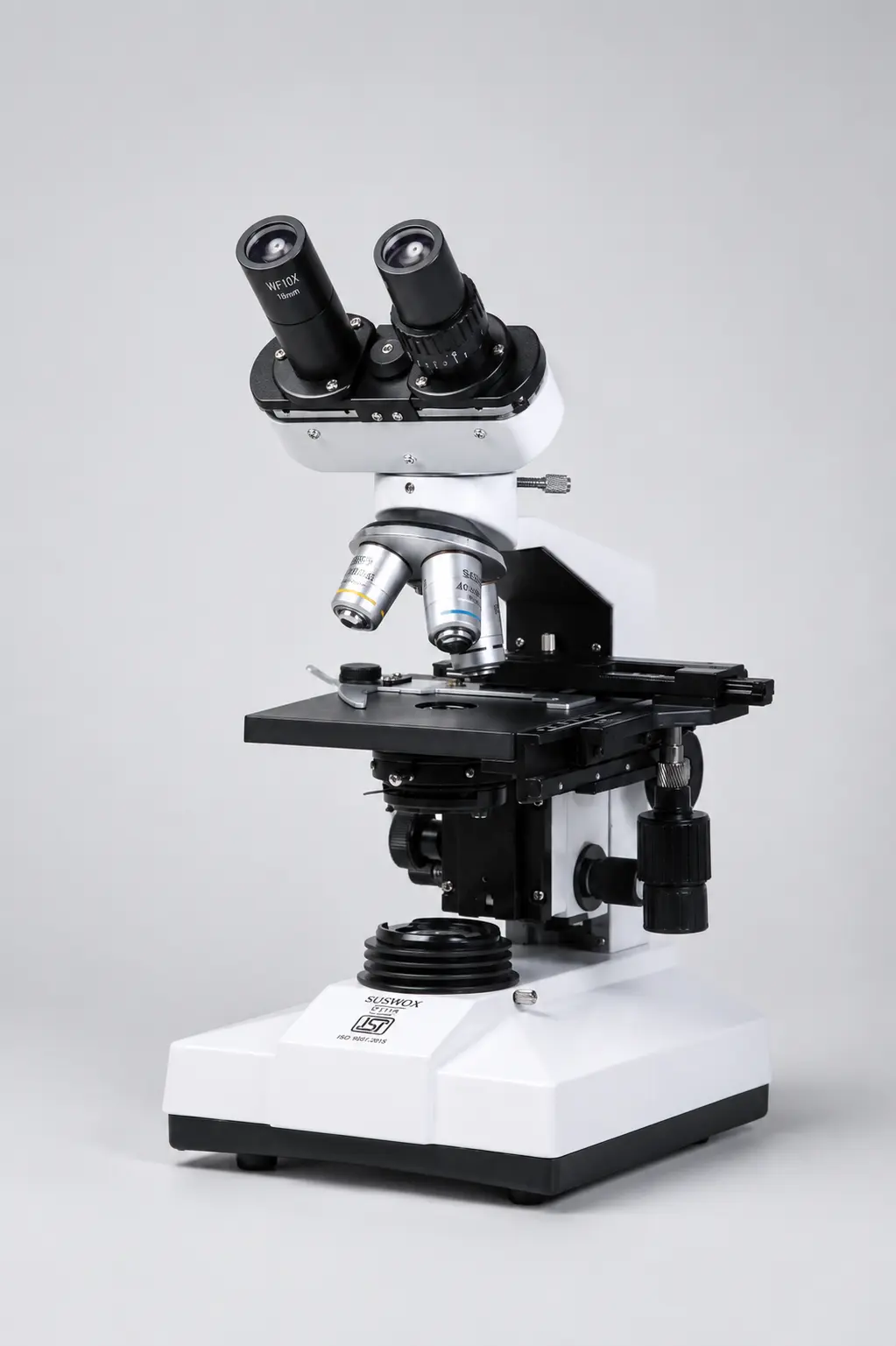
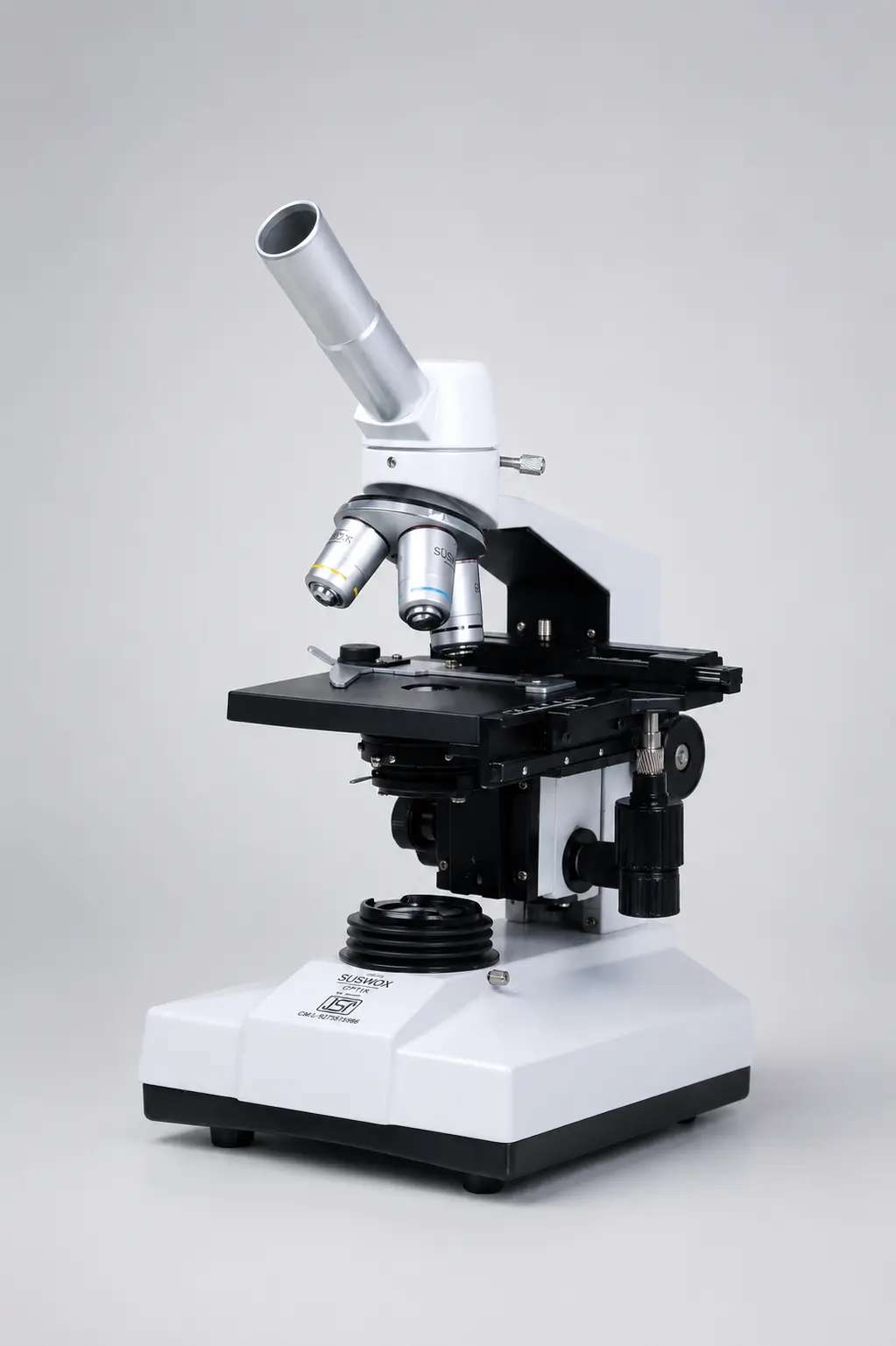
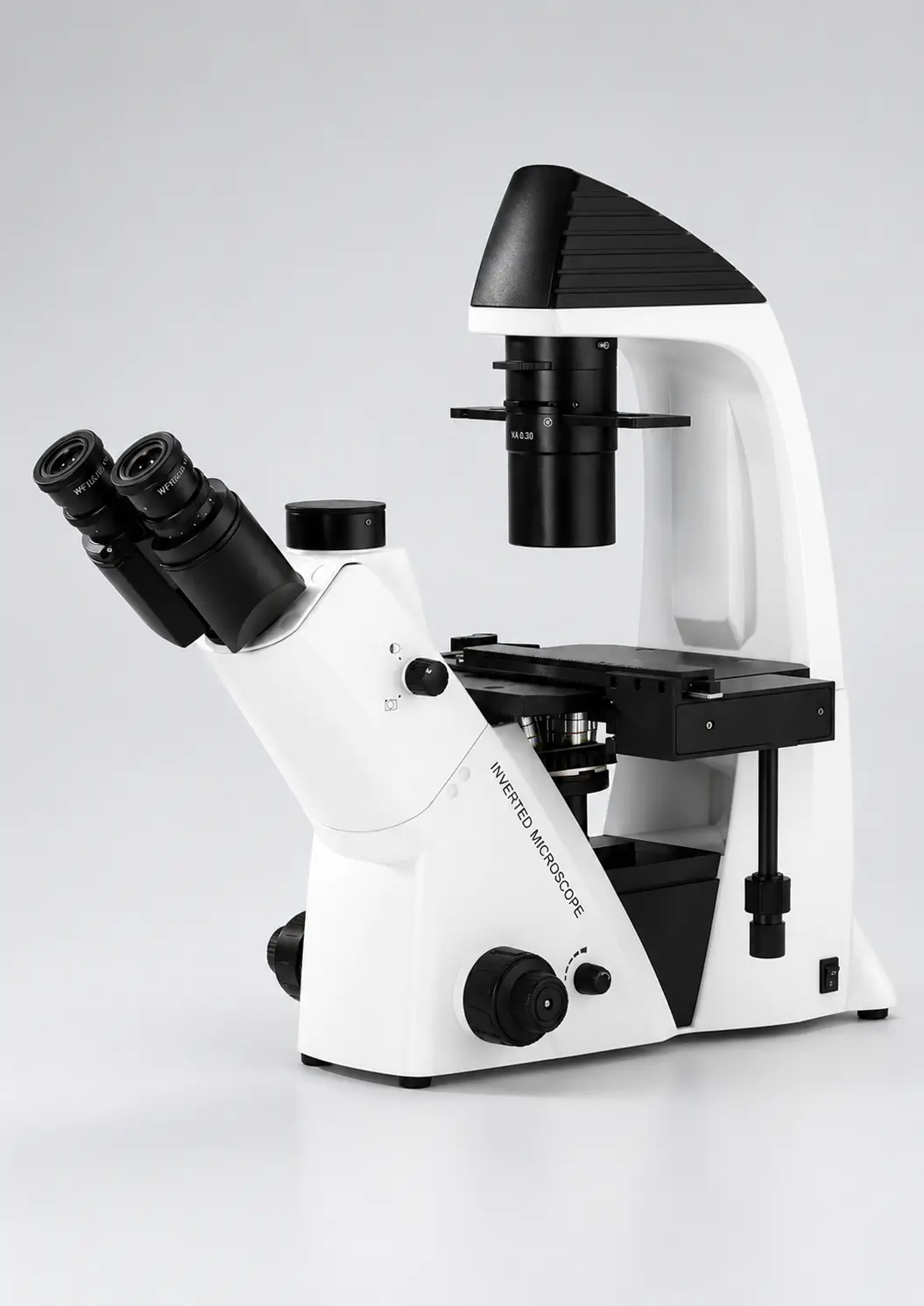
On a normal (upright) microscope, the objectives sit above the slide and the light comes from below. An inverted microscope flips that. The objectives are underneath the stage and the light source sits on top.
Why does that help? Because you can place a tall culture flask, a petri dish or a heavy metal block on the stage and look at it from below. You do not have to squeeze it under the objective. That is why cell culture labs, IVF centres, microbiology units and metallurgy labs prefer inverted microscopes.
There are two main types:
- Inverted biological microscopes for live cells, tissue culture and IVF work. These usually use transmitted light and often phase contrast.
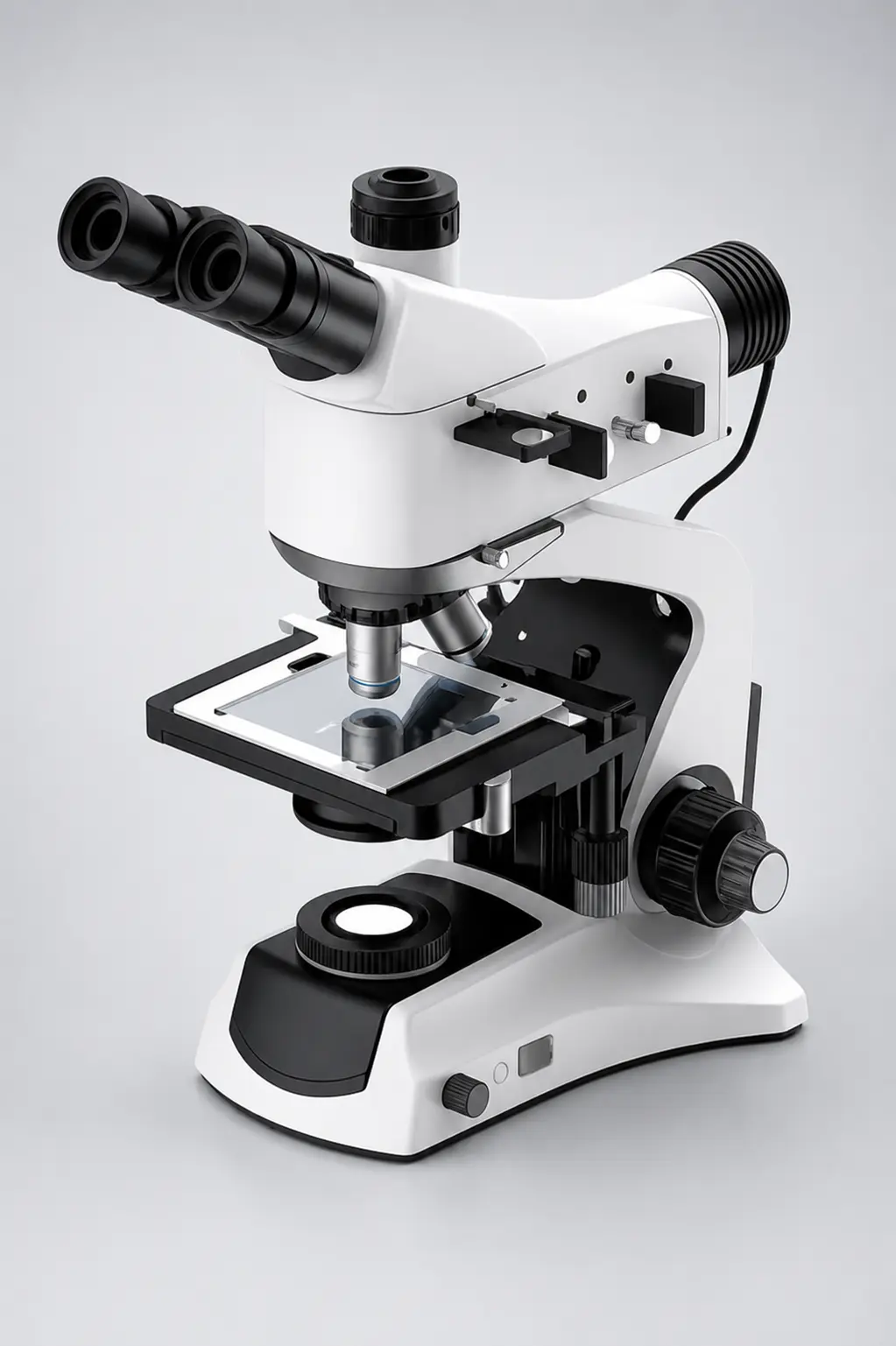
- Inverted metallurgical microscopes for metal and alloy samples. These use reflected light because metal does not let light pass through.
Inverted Microscope Manufacturers in India at a Glance
| Manufacturer | Based in | Since | Inverted models | Best for |
|---|---|---|---|---|
| SUSWOX (Sudheer Scientific Works) | Ambala, Haryana | 1973 | IMX-500 Bi, IMX-500 Ti (CE certified), IMET inverted metallurgical | Cell culture, research labs, metallurgy |
| Weswox | Ambala Cantt, Haryana | 1954 | Inverted biological microscopes | General lab use |
| Almicro | Ambala Cantt, Haryana | 1978 | Inverted and metallurgical microscopes | Industrial and material testing |
For a broader comparison across all microscope types, read our list of the top 10 microscope manufacturers in India.
1. SUSWOX, Ambala (Since 1973)
SUSWOX makes both biological and metallurgical inverted microscopes in Ambala under Sudheer Scientific Works. Our inverted biological models carry CE certification, which matters a lot for hospital, research and export buyers.
- IMX-500 Bi Inverted Microscope: binocular inverted biological microscope for routine cell culture checks
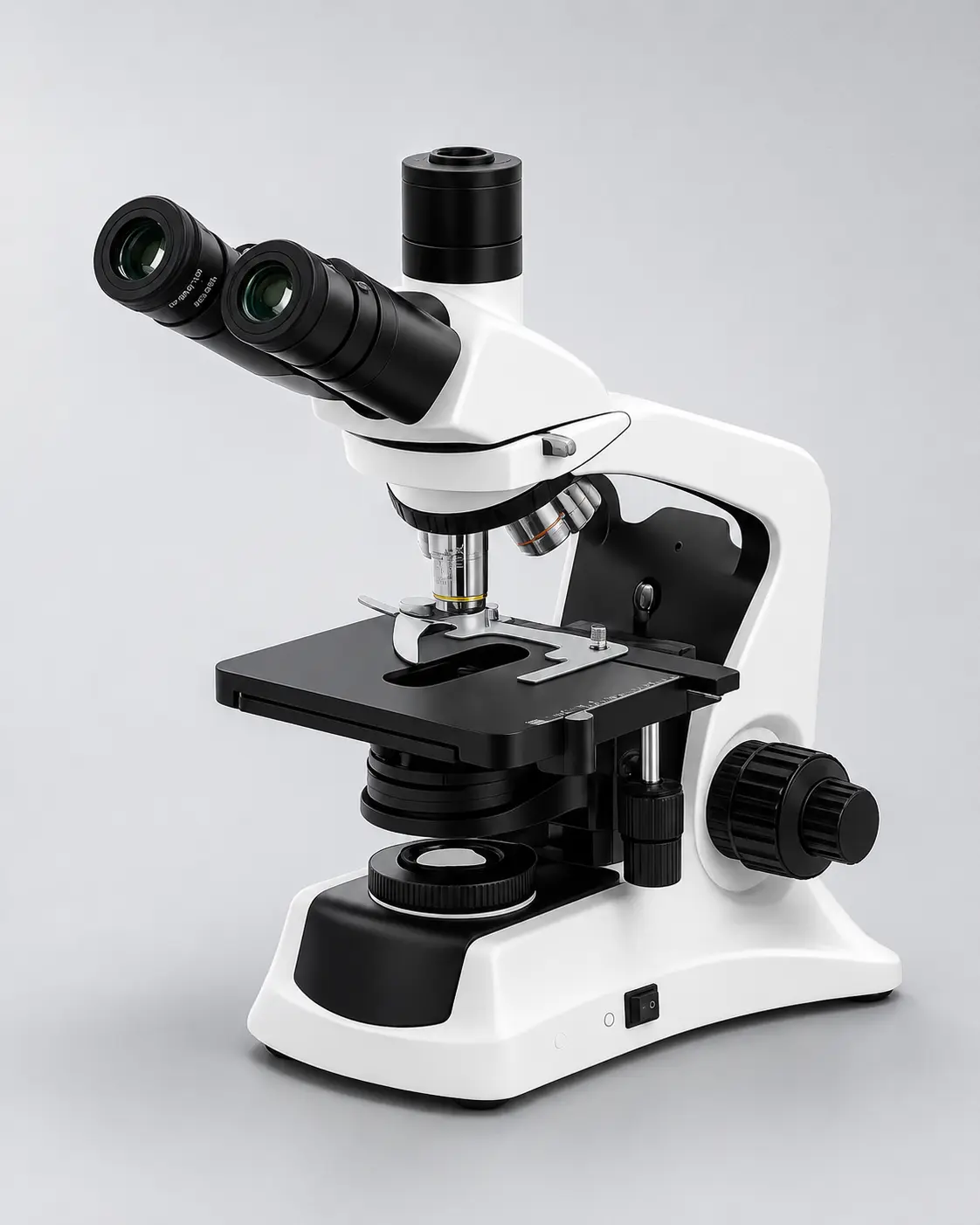
- IMX-500 Ti Inverted Microscope: trinocular version with a camera port, for labs that need to record and document cells
- IMET Inverted Metallurgical Microscope: for grain structure, inclusions and surface study of metal samples
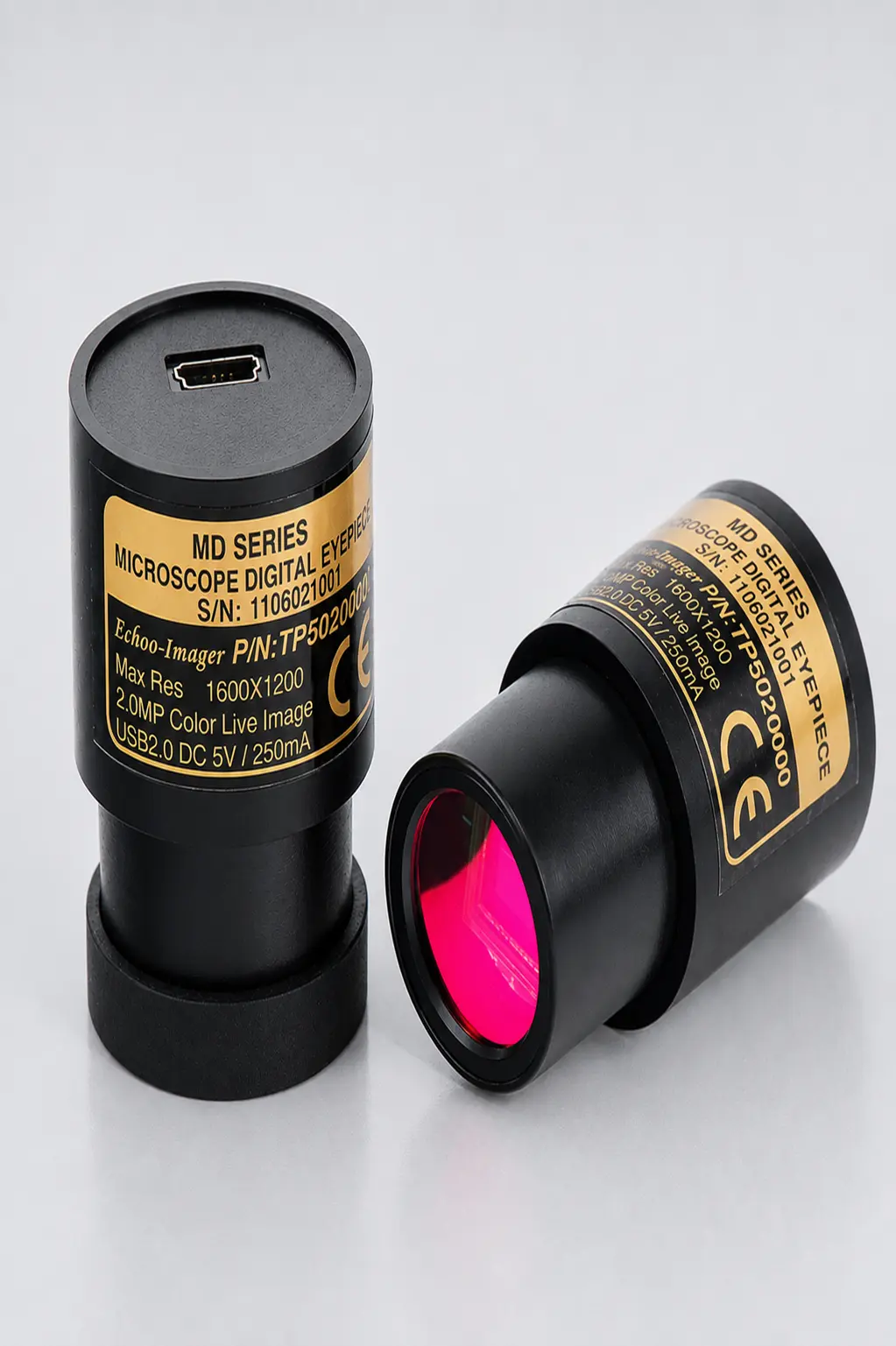
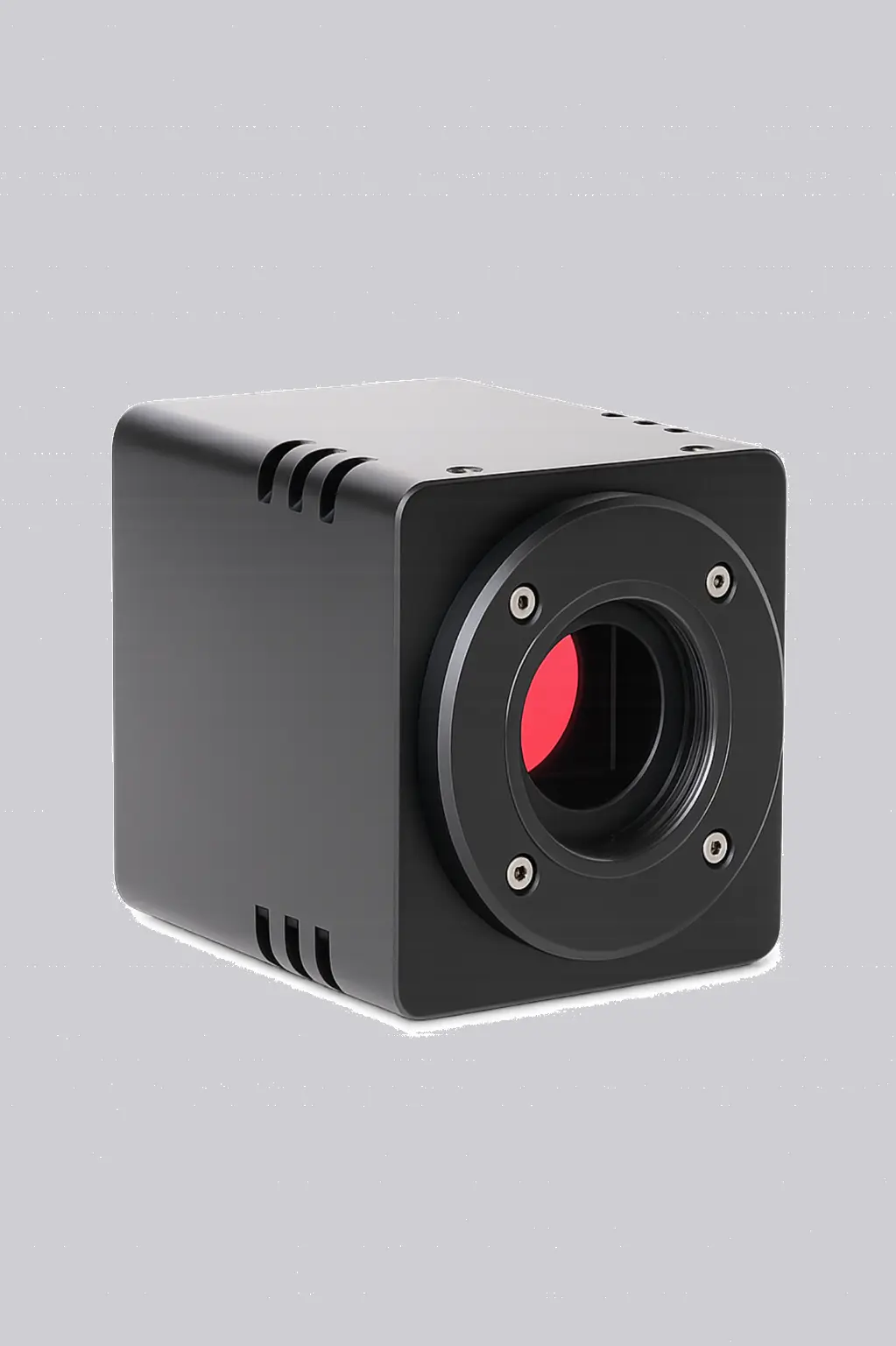
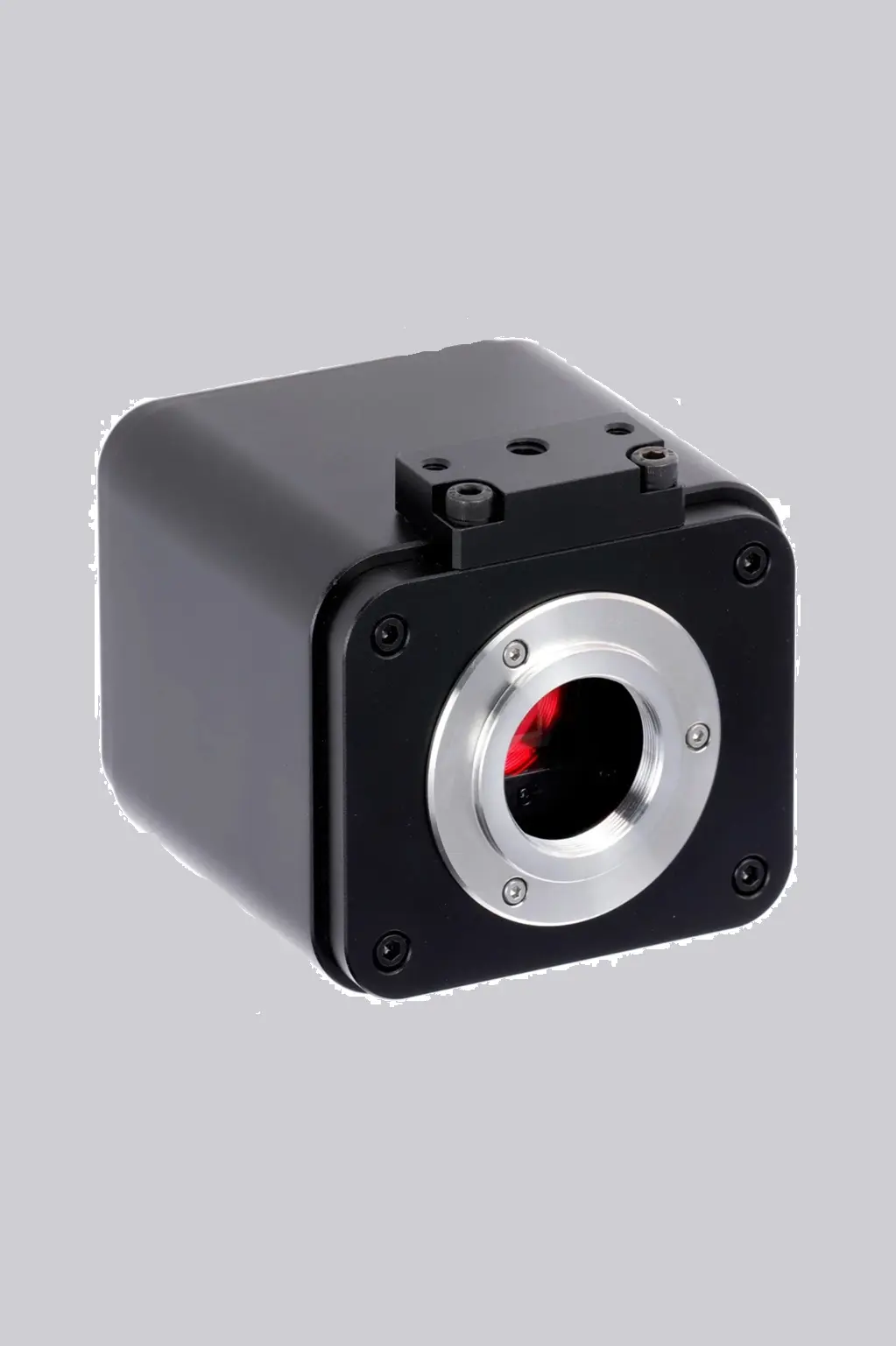
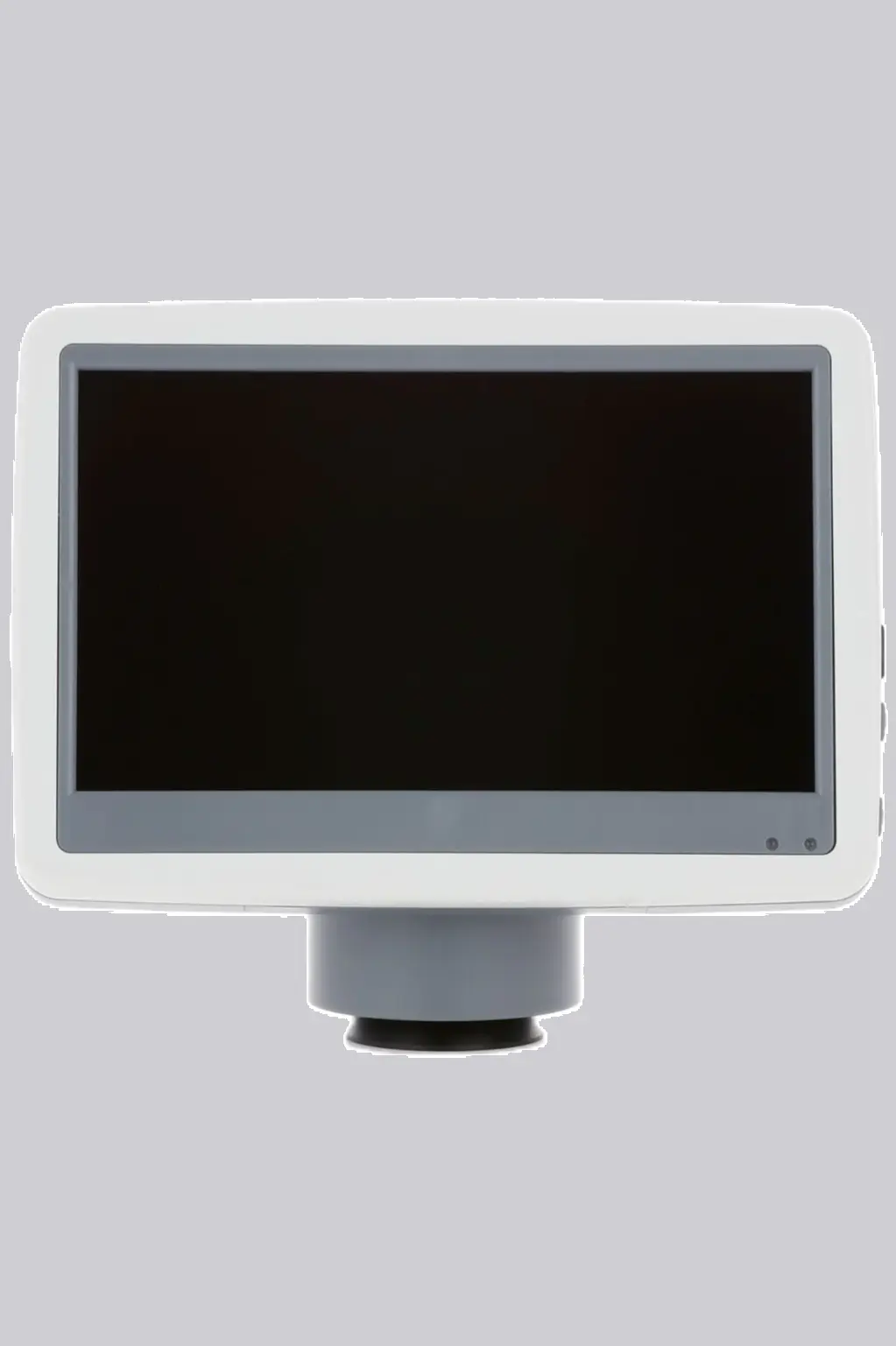
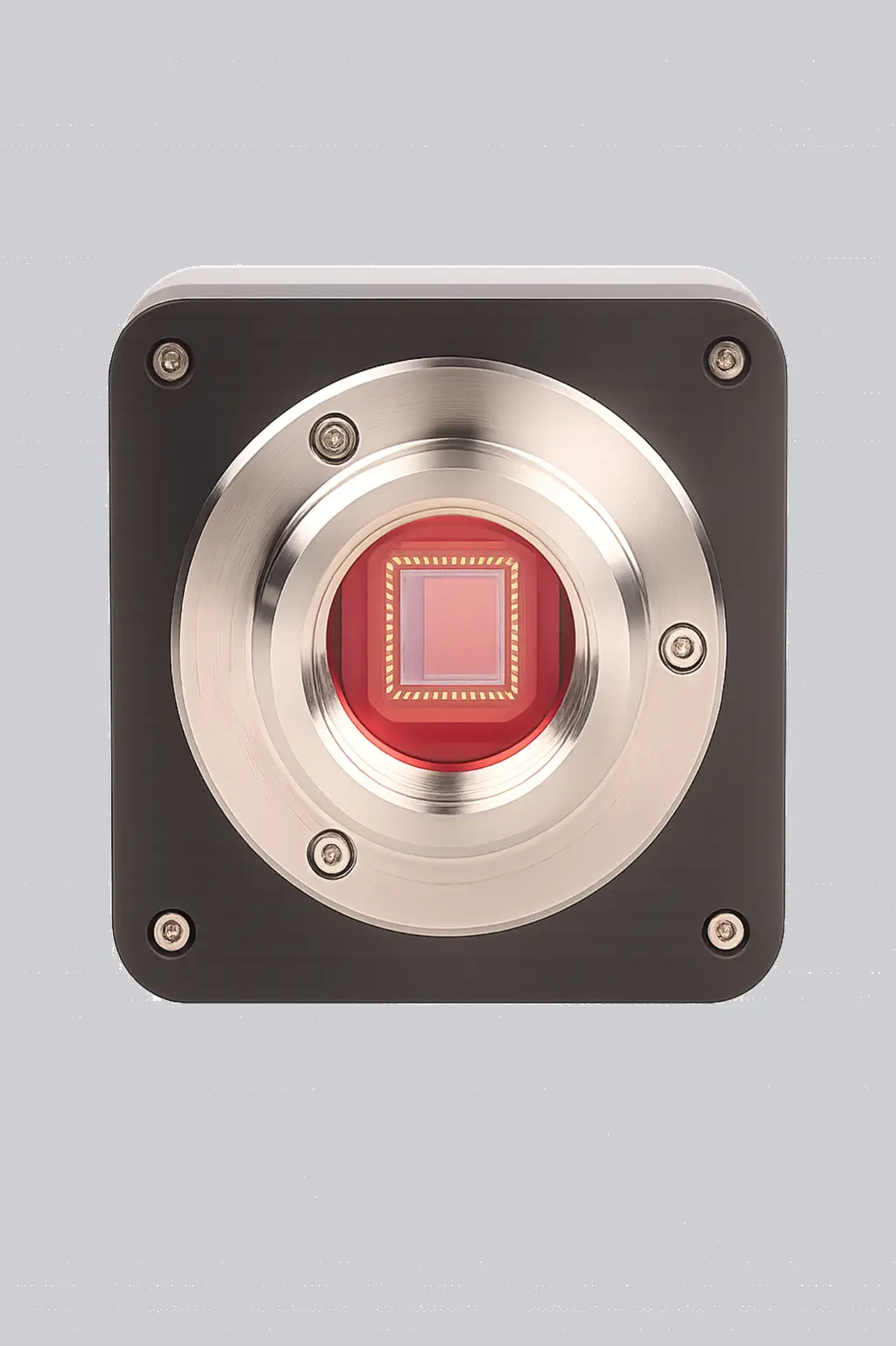
If you need images for reports, the trinocular models pair with our microscope cameras and imaging systems and SSW-Capture software. Research institutes and AIIMS-level labs, including AIIMS Nagpur, Bathinda and Bilaspur, already work with SUSWOX instruments.
See the complete SUSWOX inverted microscope range.
2. Weswox, Ambala Cantt (Since 1954)
Weswox has been in microscopes since 1954 and lists inverted microscopes in its catalogue along with student, pathological, stereo and digital models. It is a known name for routine lab supply.
3. Almicro, Ambala Cantt (Since 1978)
Almicro, made by Micro Measures and Instruments, focuses heavily on industrial microscopy. Its range includes inverted, metallurgical, polarising and toolmaker microscopes, so it is often considered by material testing and textile labs.
What About Zeiss, Nikon, Leica and Olympus?
These international brands do sell inverted microscopes in India through local offices and dealers, and they are excellent instruments. But they are generally manufactured outside India. If your purchase is a government tender with Make in India preference, or you simply want factory-level service and quicker spare parts, an Indian manufacturer is usually the practical choice. Our article on Made in India vs imported microscopes goes into this in more detail.
How to Choose an Inverted Microscope
Decide biological or metallurgical first
This sounds obvious, but we still get enquiries where the lab needs metallurgy but the tender asks for “inverted microscope with phase contrast”. Write down your sample type first. Cells in a flask need a biological model. Metal needs a metallurgical one.
Check working distance and the condenser
For culture flasks, you need a long working distance condenser so the flask fits under the light source. Ask the supplier for the exact working distance figure, not just “long”.
Phase contrast
Live cells are mostly transparent. Without phase contrast, you will see very little. For cell culture and IVF work, phase contrast objectives and a matching phase slider are close to essential.
Camera and documentation
If you write reports, publish papers or keep batch records, go for a trinocular head. It saves you from buying a separate imaging system later.
Certification
For hospital and export use, ask for CE documentation on the exact model being quoted. For government purchases, ask for the relevant BIS, ISO or Make in India documents. Each certificate should name the model, not just the company.
Budget
Inverted microscopes cost more than standard lab microscopes because of the optics and stage design. For realistic price bands, see our inverted microscope price in India guide.
Where Inverted Microscopes Are Used
- Cell and tissue culture labs in universities and biotech companies
- IVF and embryology centres
- Microbiology and virology research
- Pharma R&D for checking cell lines
- Metallurgy and foundry QC labs
- Engineering colleges teaching material science
Frequently Asked Questions
Who are the top inverted microscope manufacturers in India?
Indian manufacturers of inverted microscopes include SUSWOX (Sudheer Scientific Works, Ambala, since 1973), Weswox and Almicro. All three are based in Ambala, Haryana.
Does SUSWOX make CE-certified inverted microscopes?
Yes. SUSWOX inverted biological microscopes in the IMX-500 series carry CE certification and are made in Ambala, India.
What is the difference between an inverted and an upright microscope?
In an inverted microscope, the objectives are below the stage and light comes from above. This lets you view samples in flasks, dishes or heavy metal blocks from underneath.
Which inverted microscope is used for cell culture?
An inverted biological microscope with phase contrast and a long working distance condenser, such as the SUSWOX IMX-500 Bi or IMX-500 Ti.
Is an inverted metallurgical microscope different from a biological one?
Yes. A metallurgical inverted microscope uses reflected light to examine opaque metal samples, while a biological one uses transmitted light for cells.
Talk to Us About Your Lab
Share your sample type, whether you need phase contrast, and if a camera is required. We will recommend the right SUSWOX inverted model and send a factory-direct quote. Contact SUSWOX or call +91 8727015757.