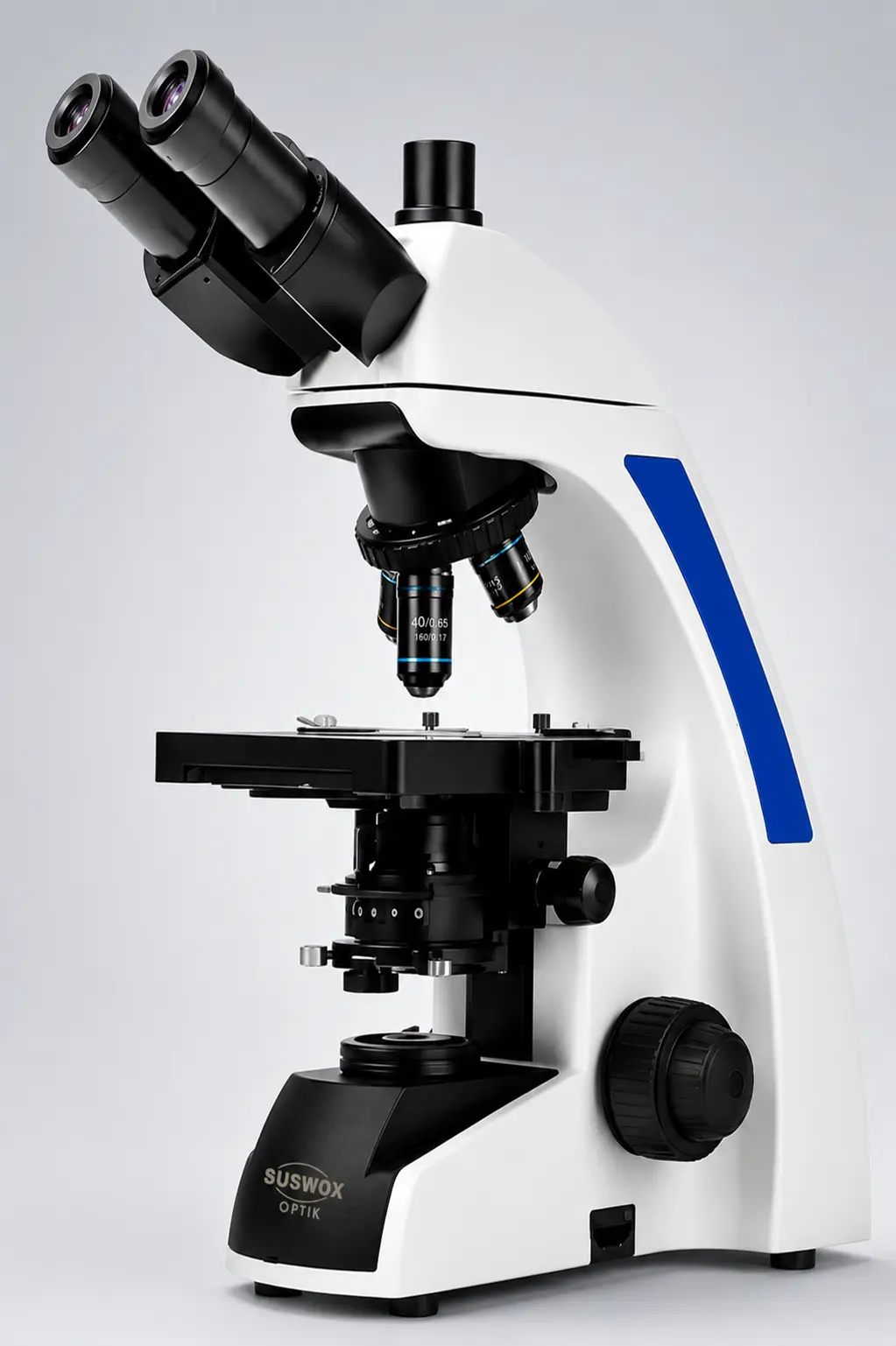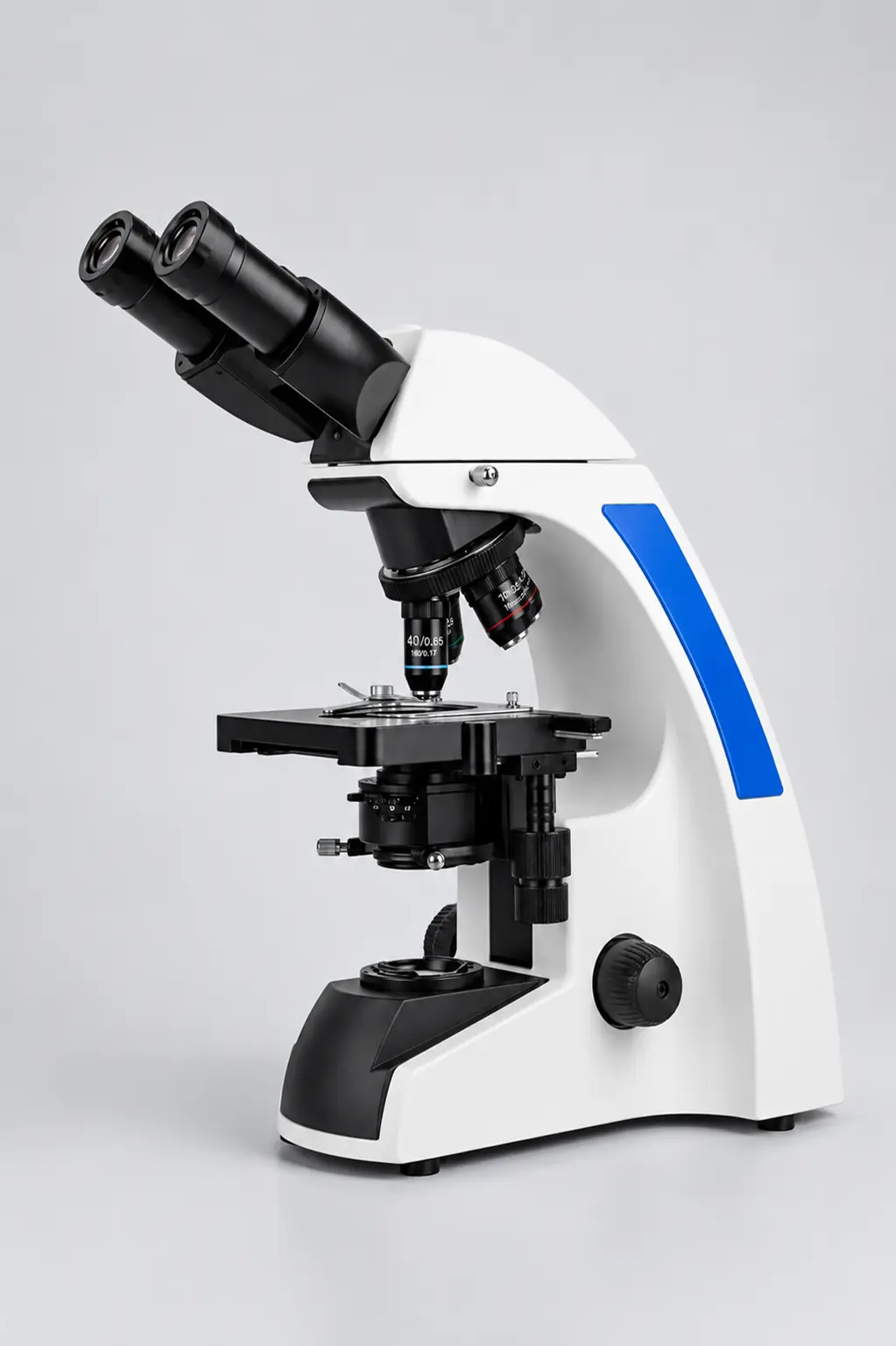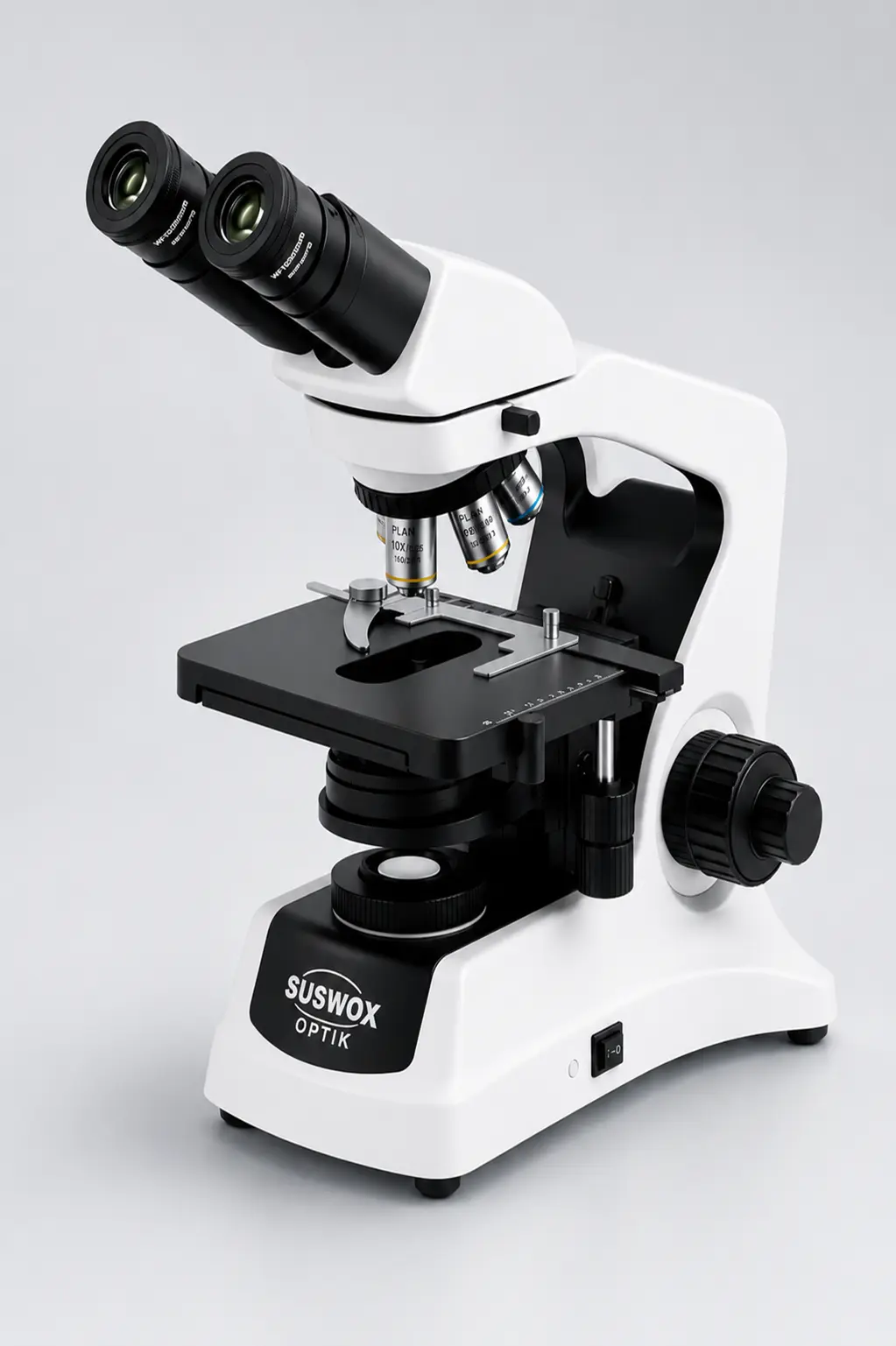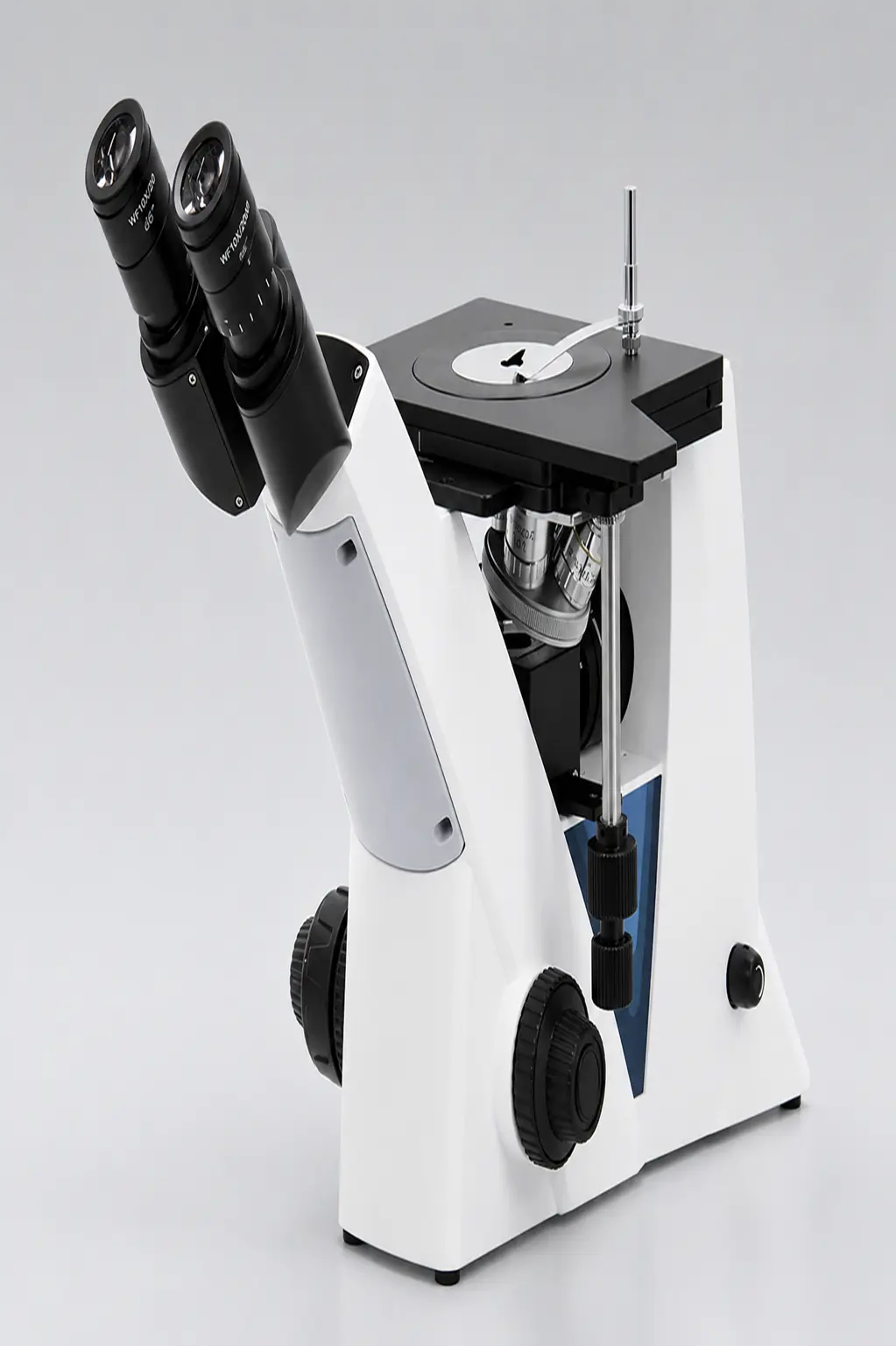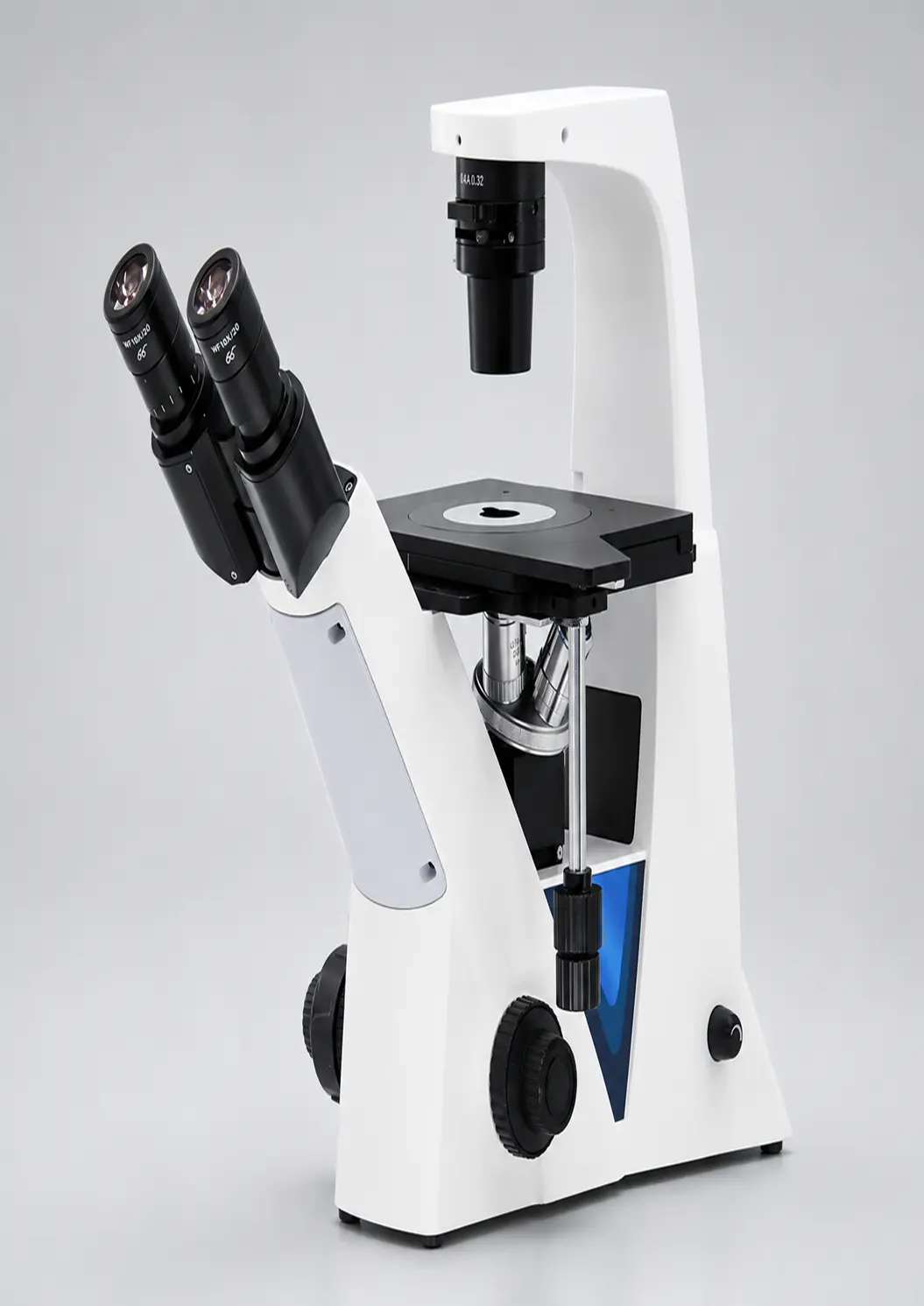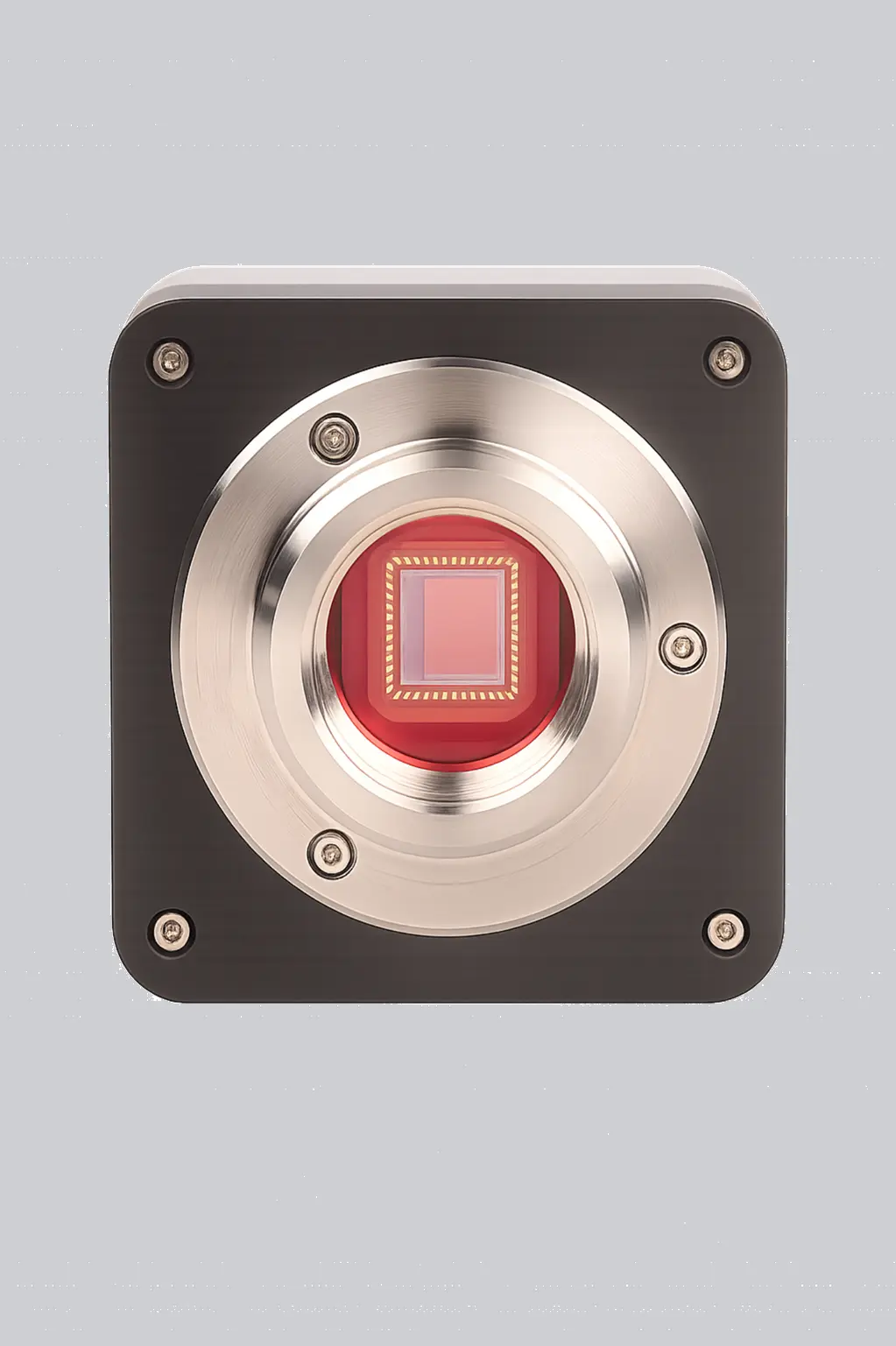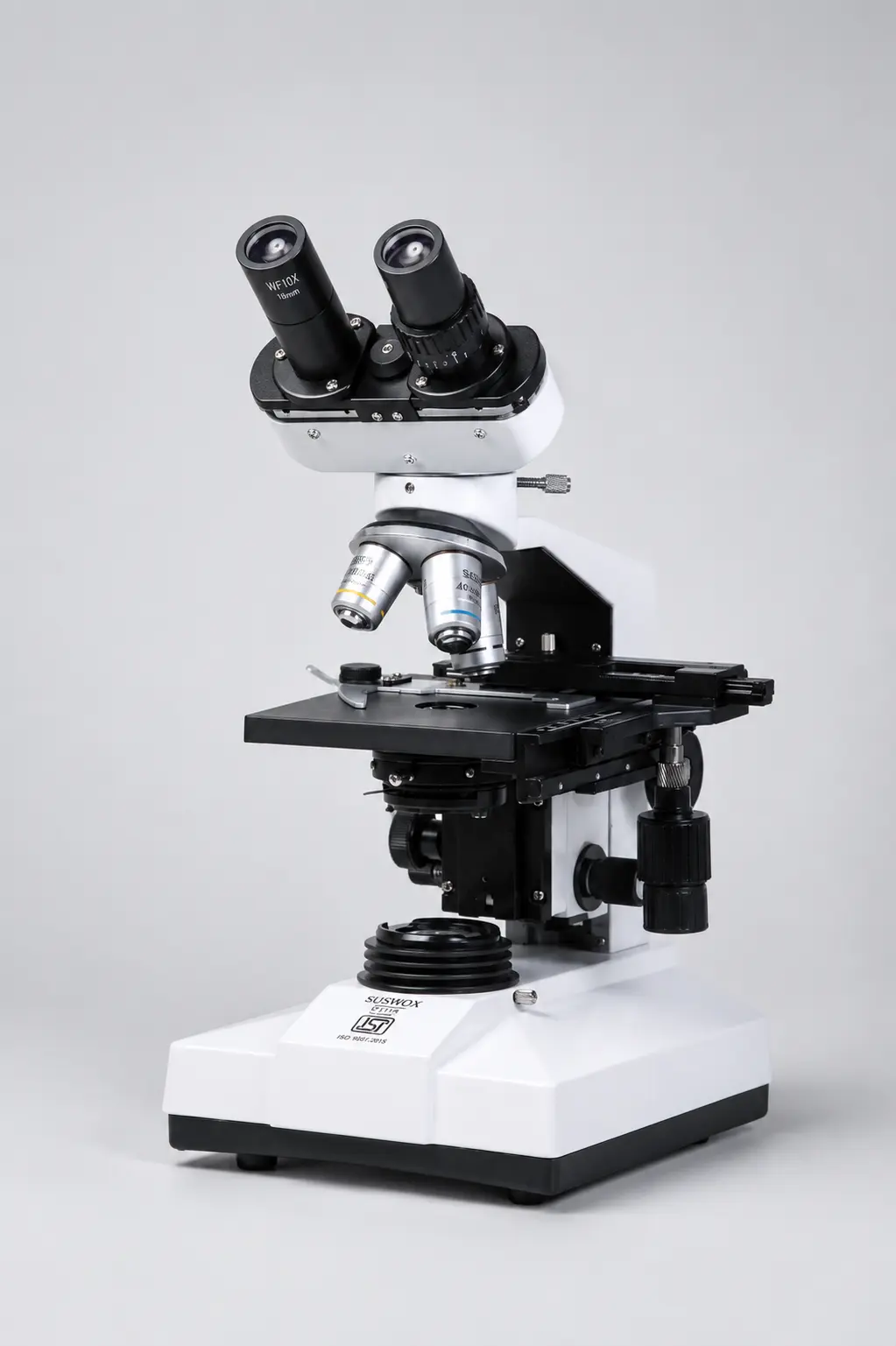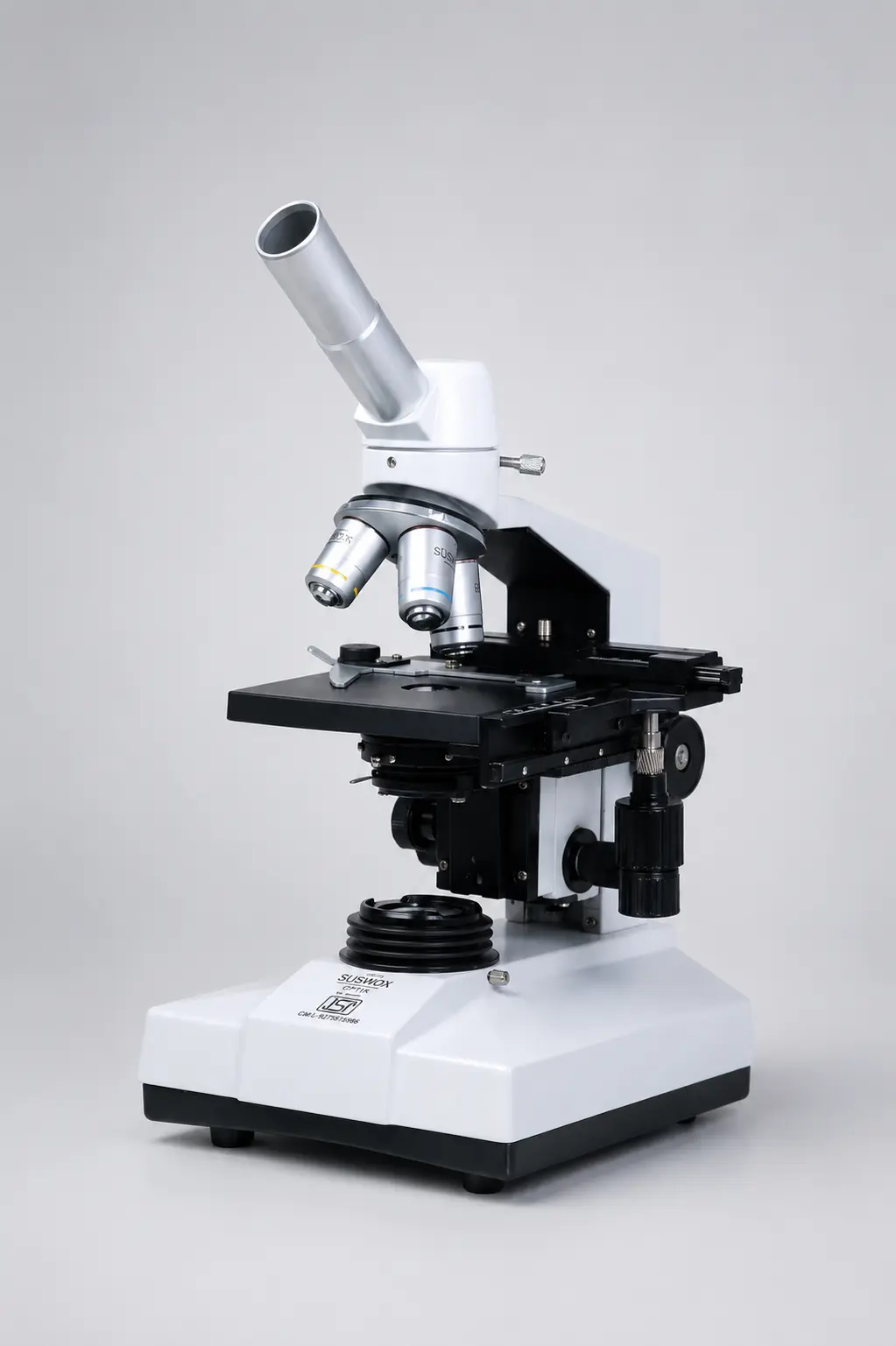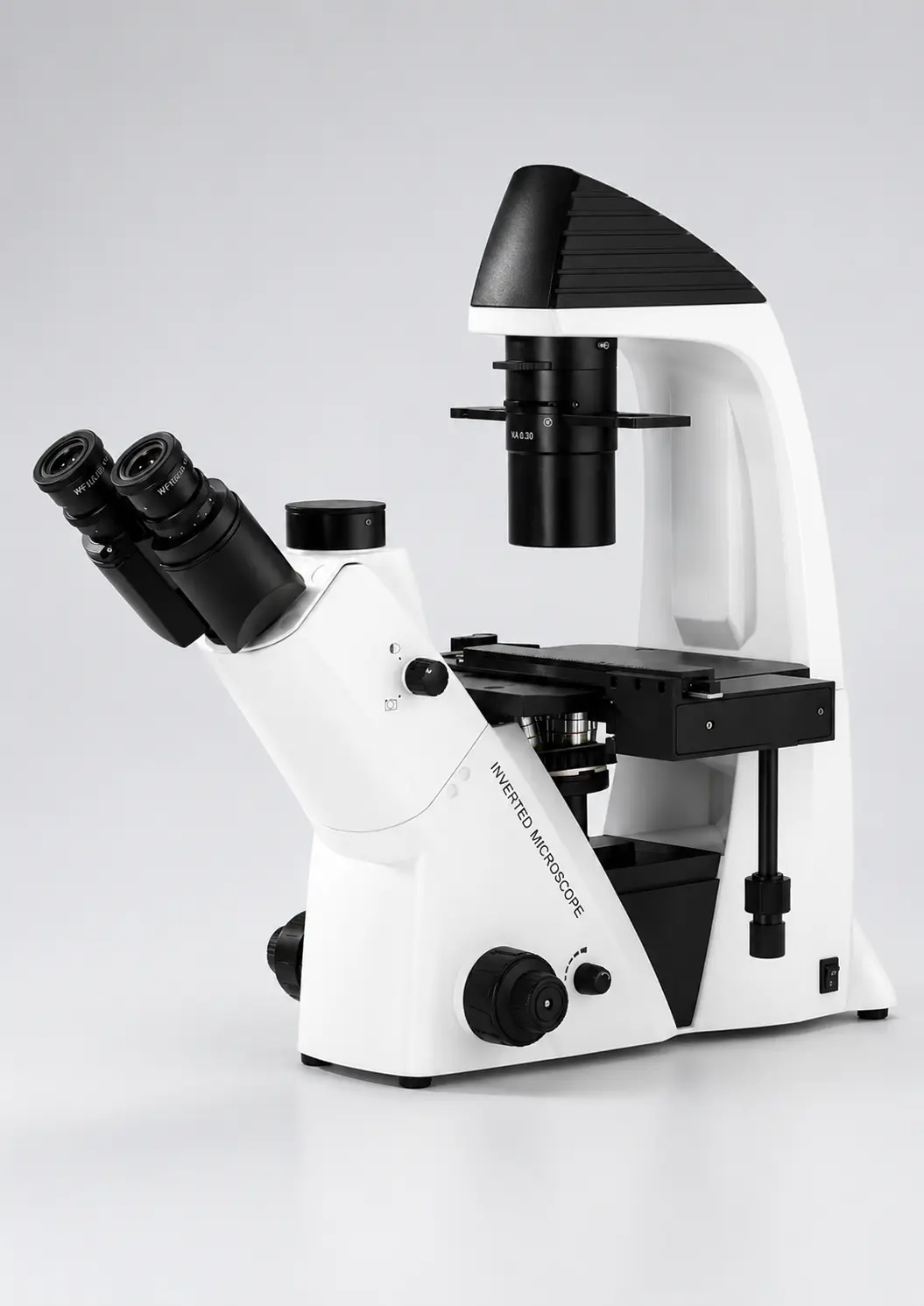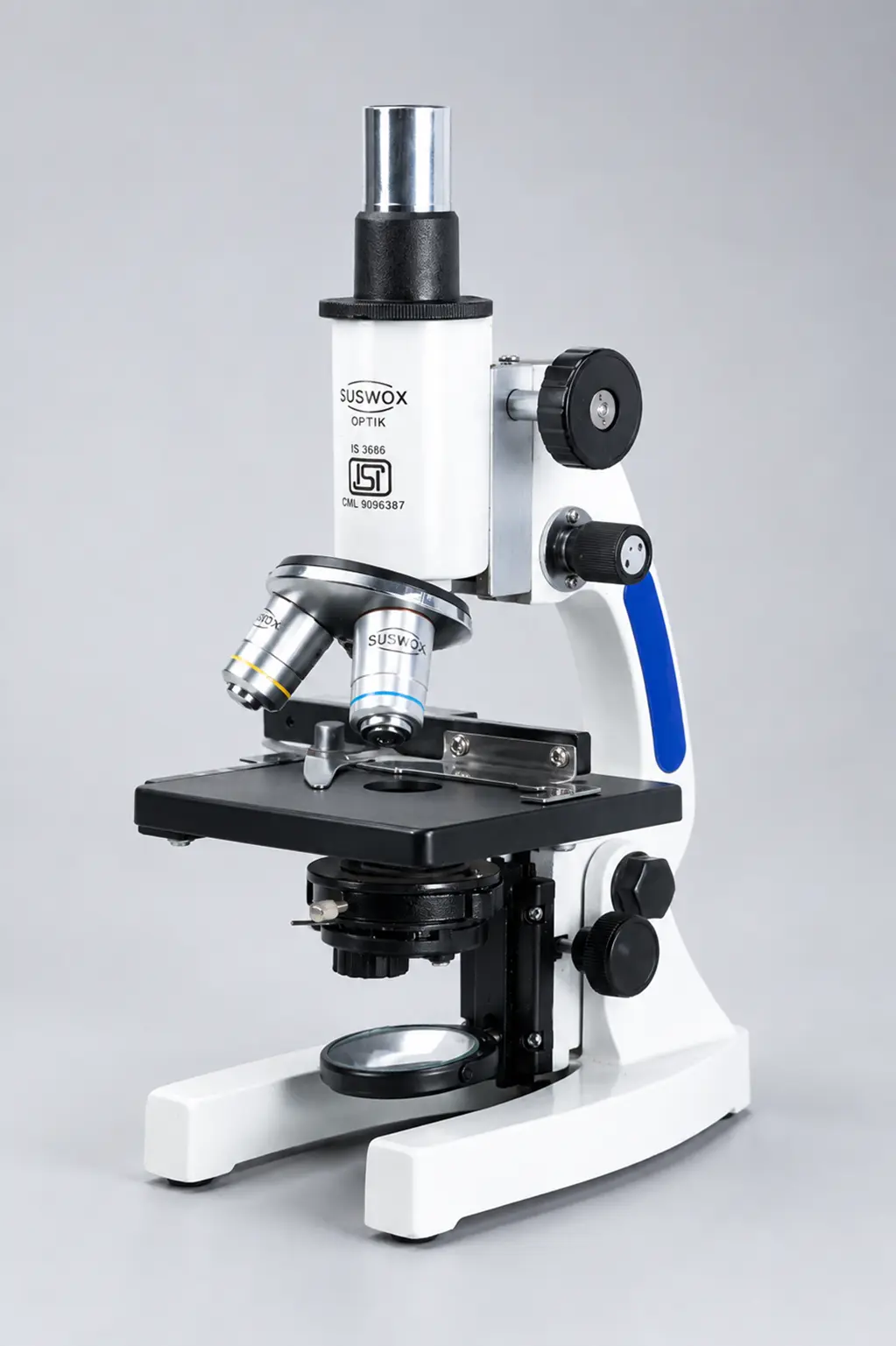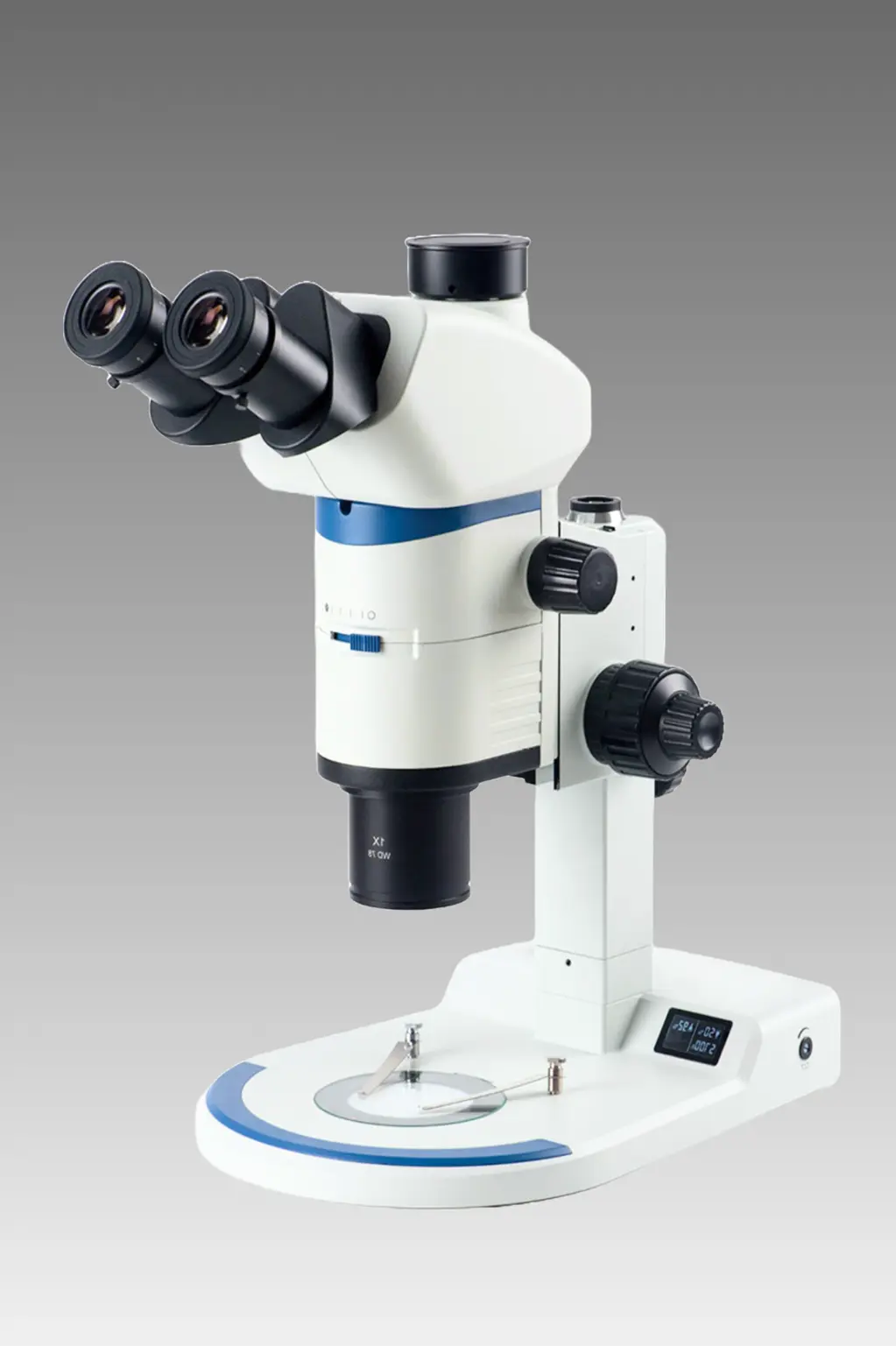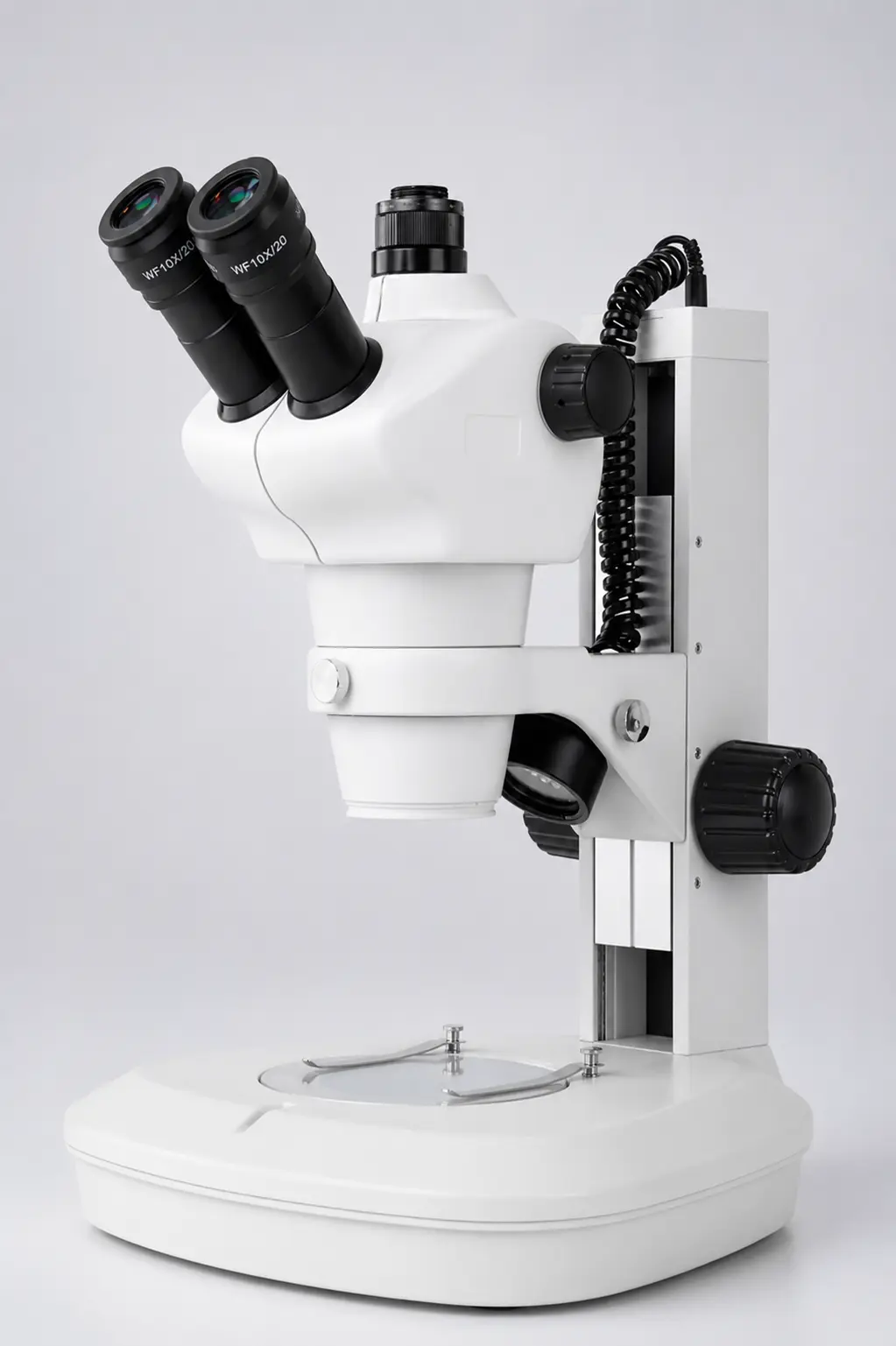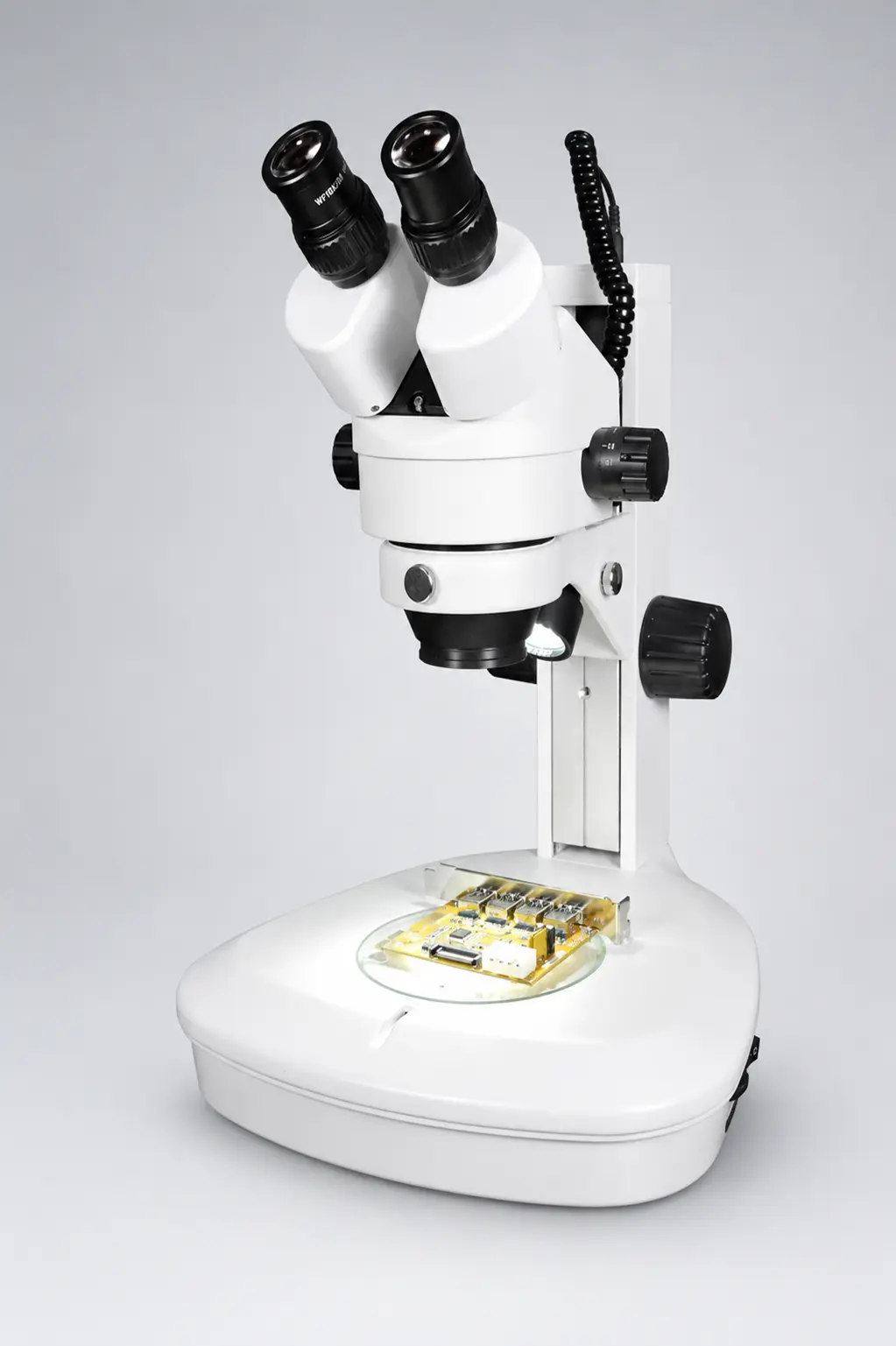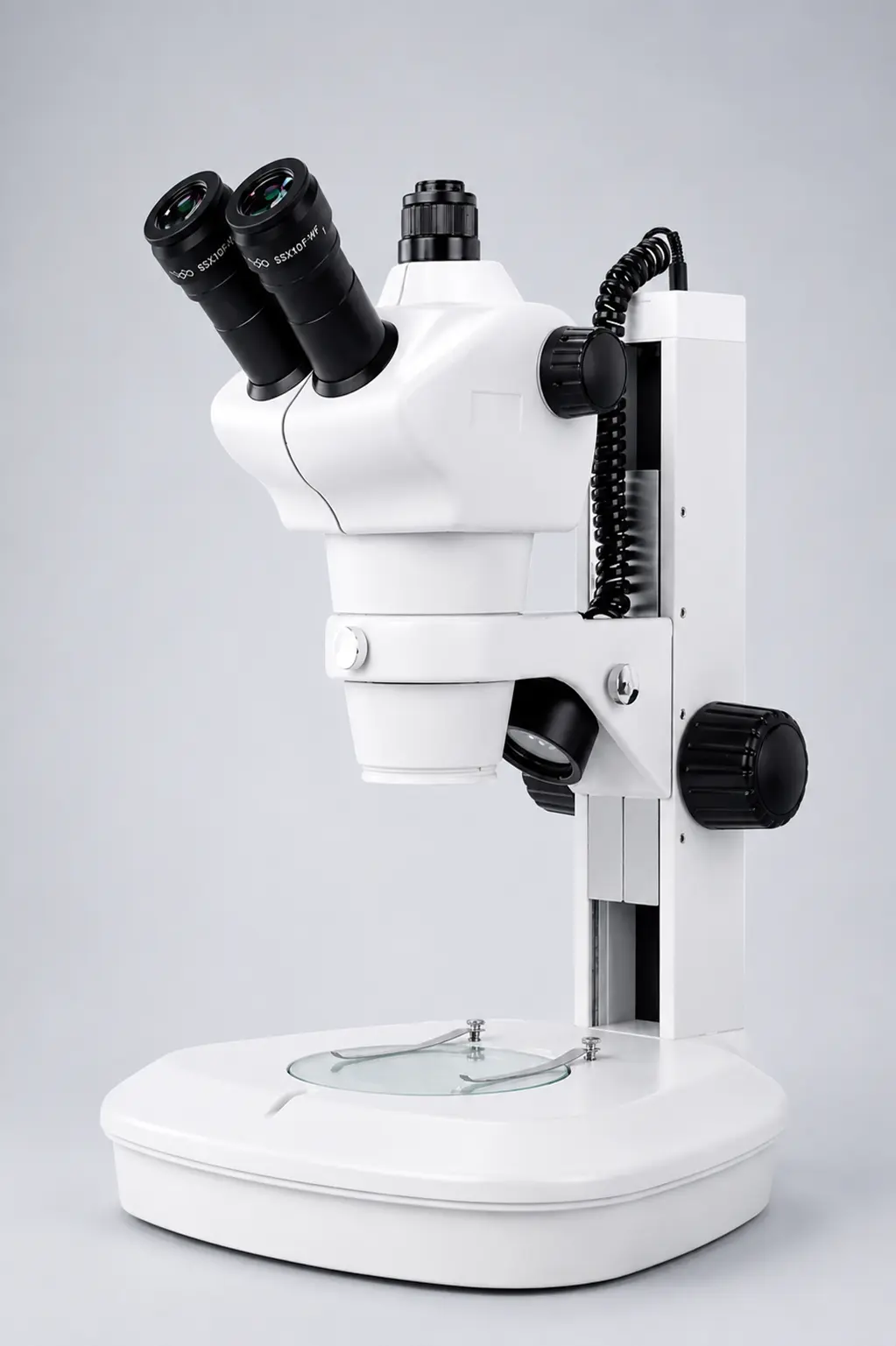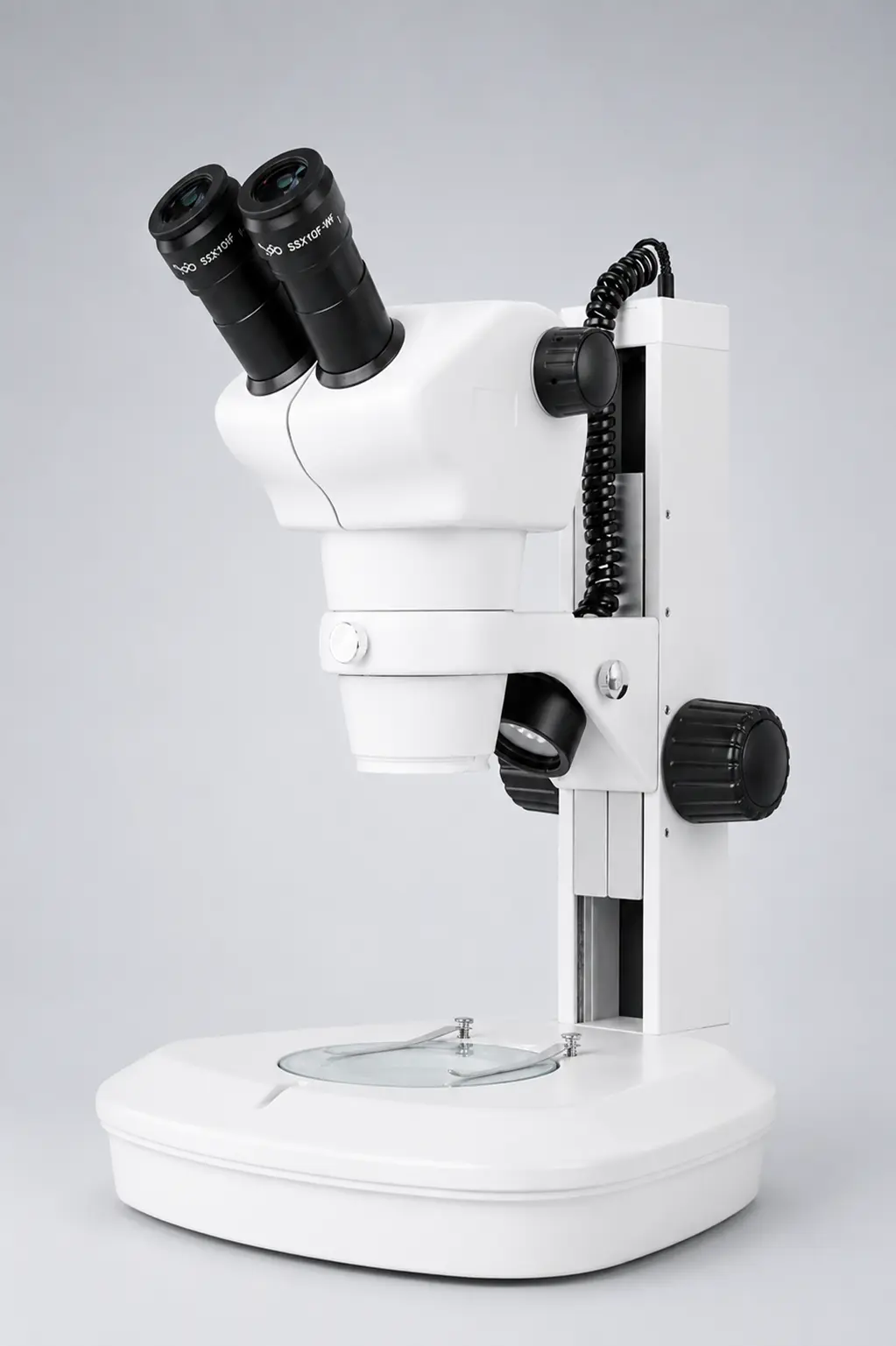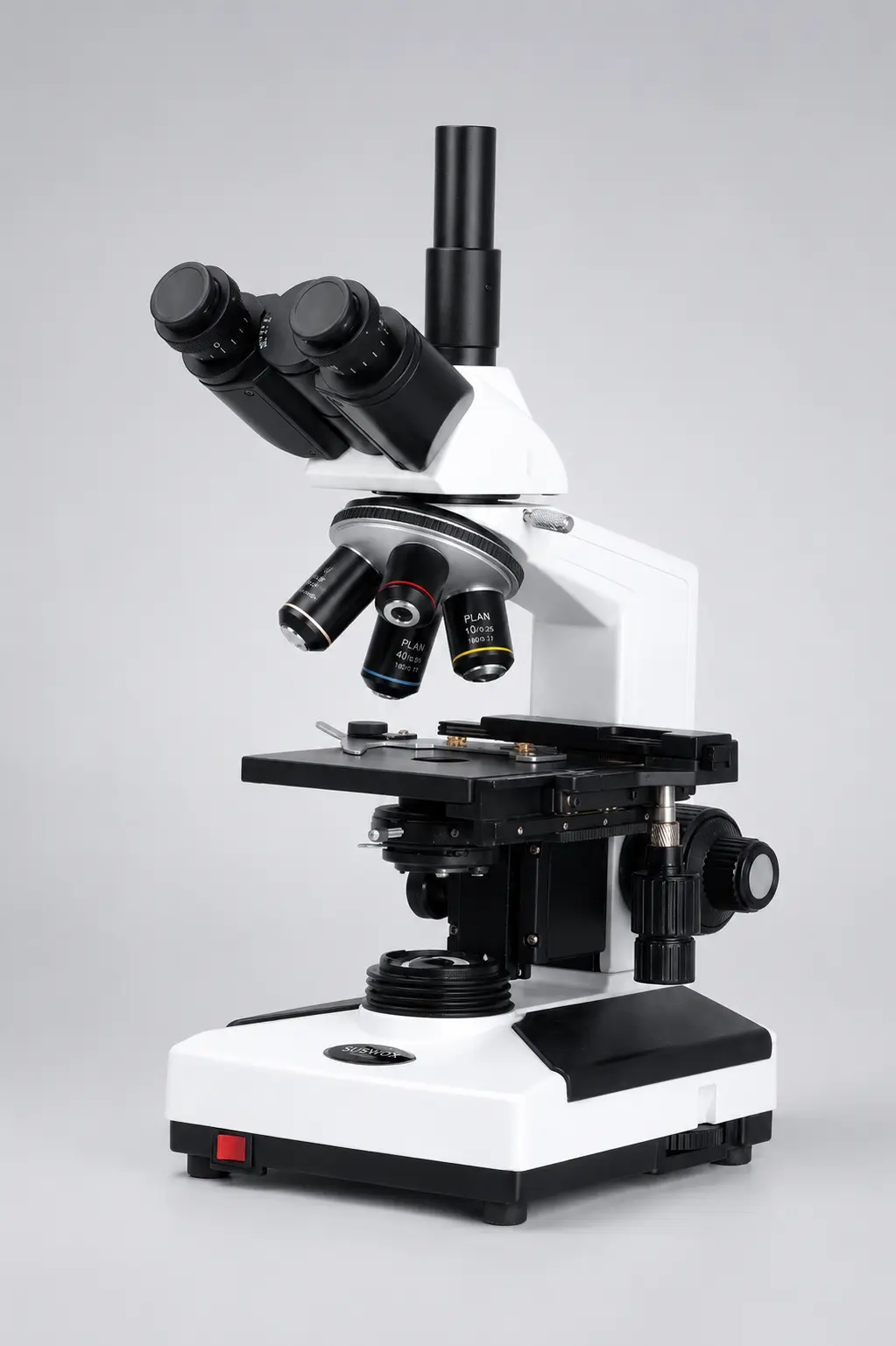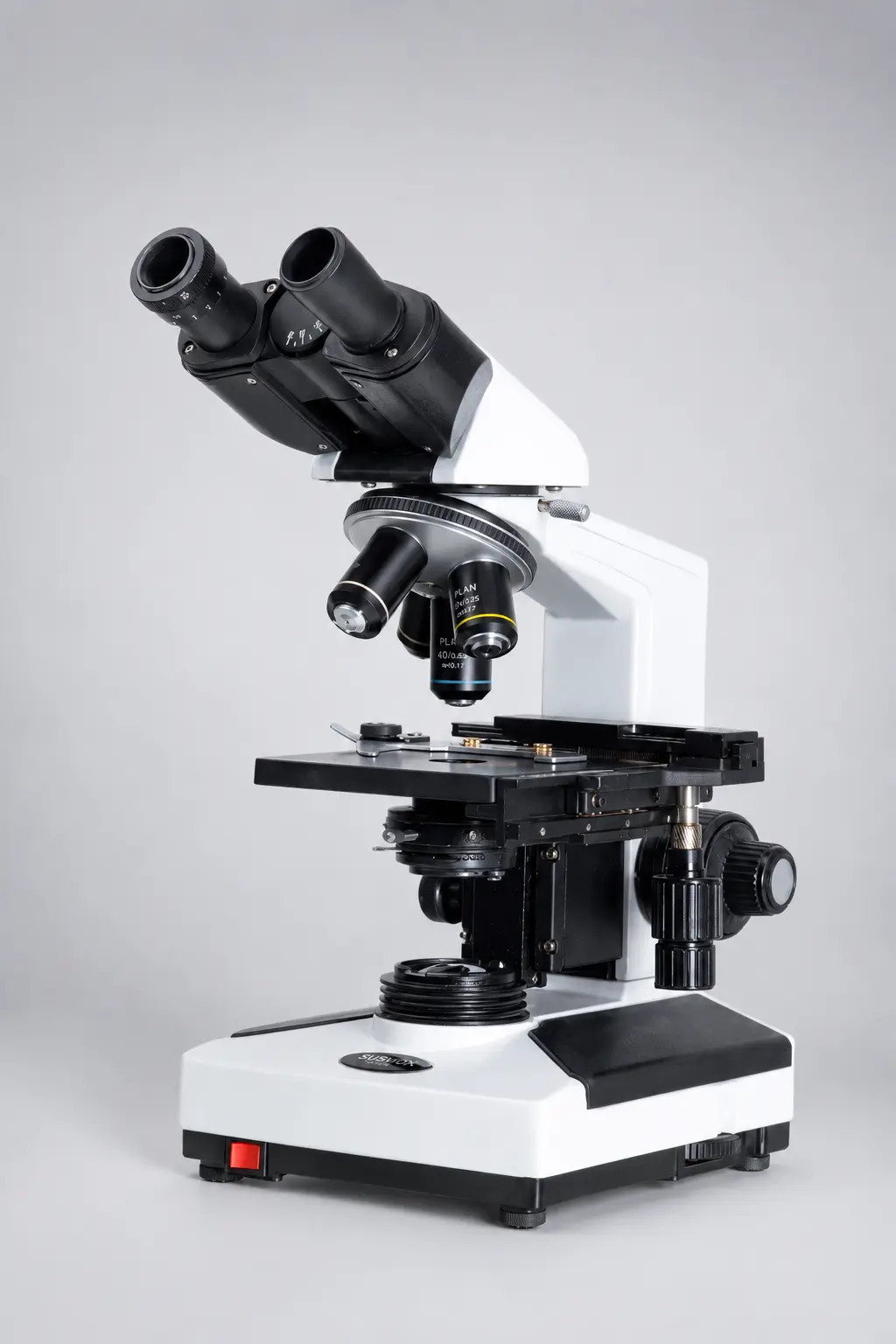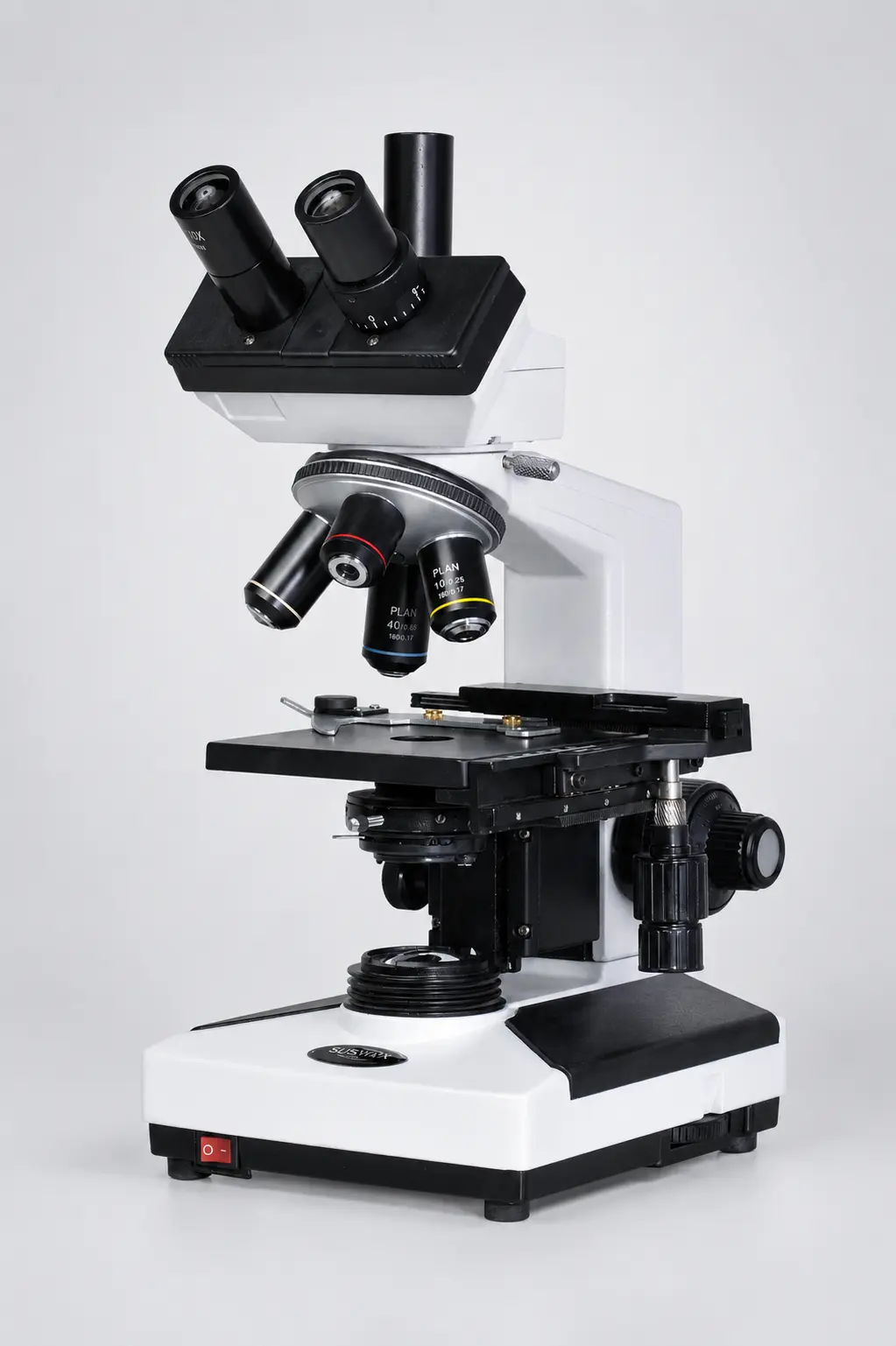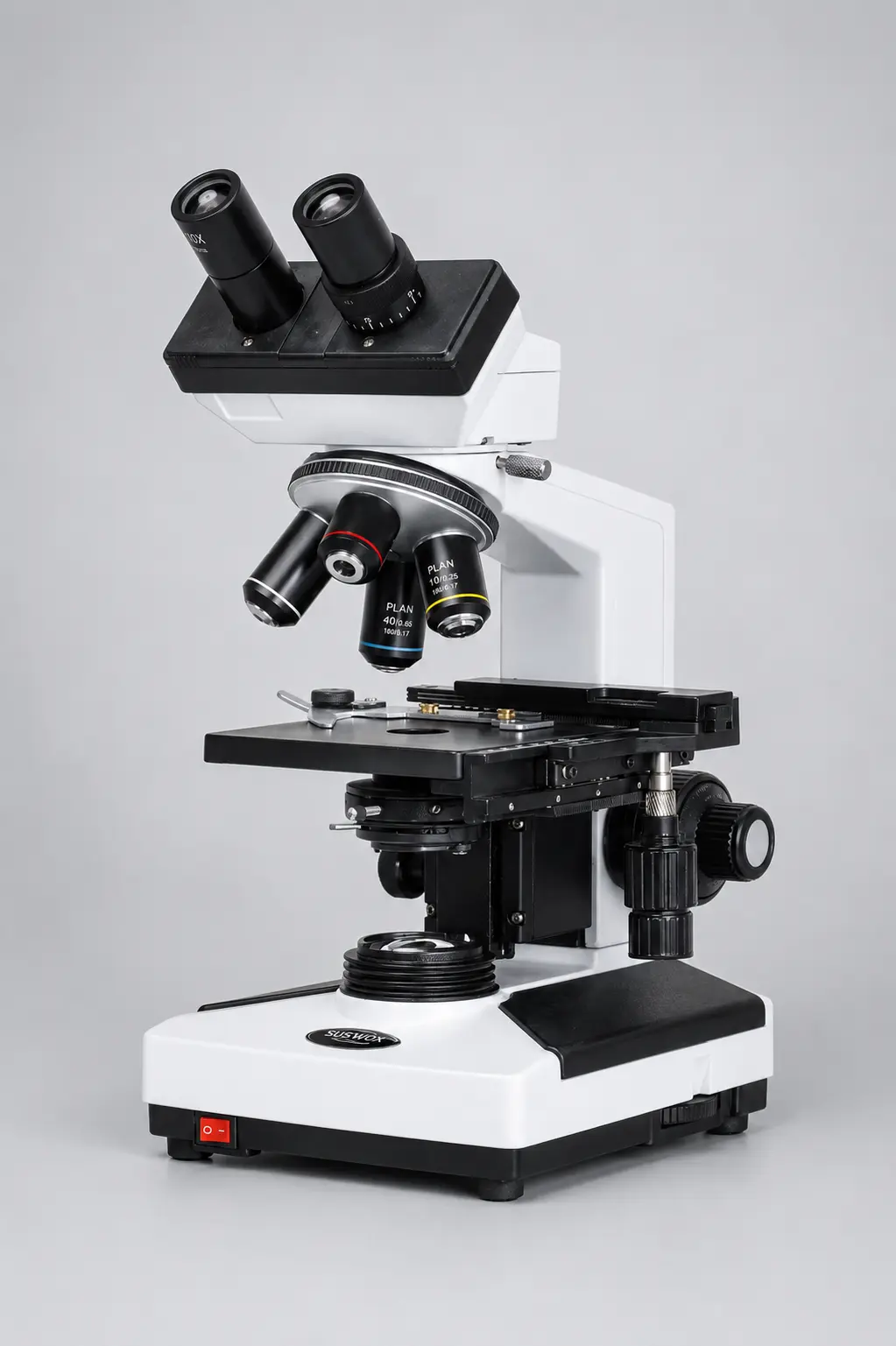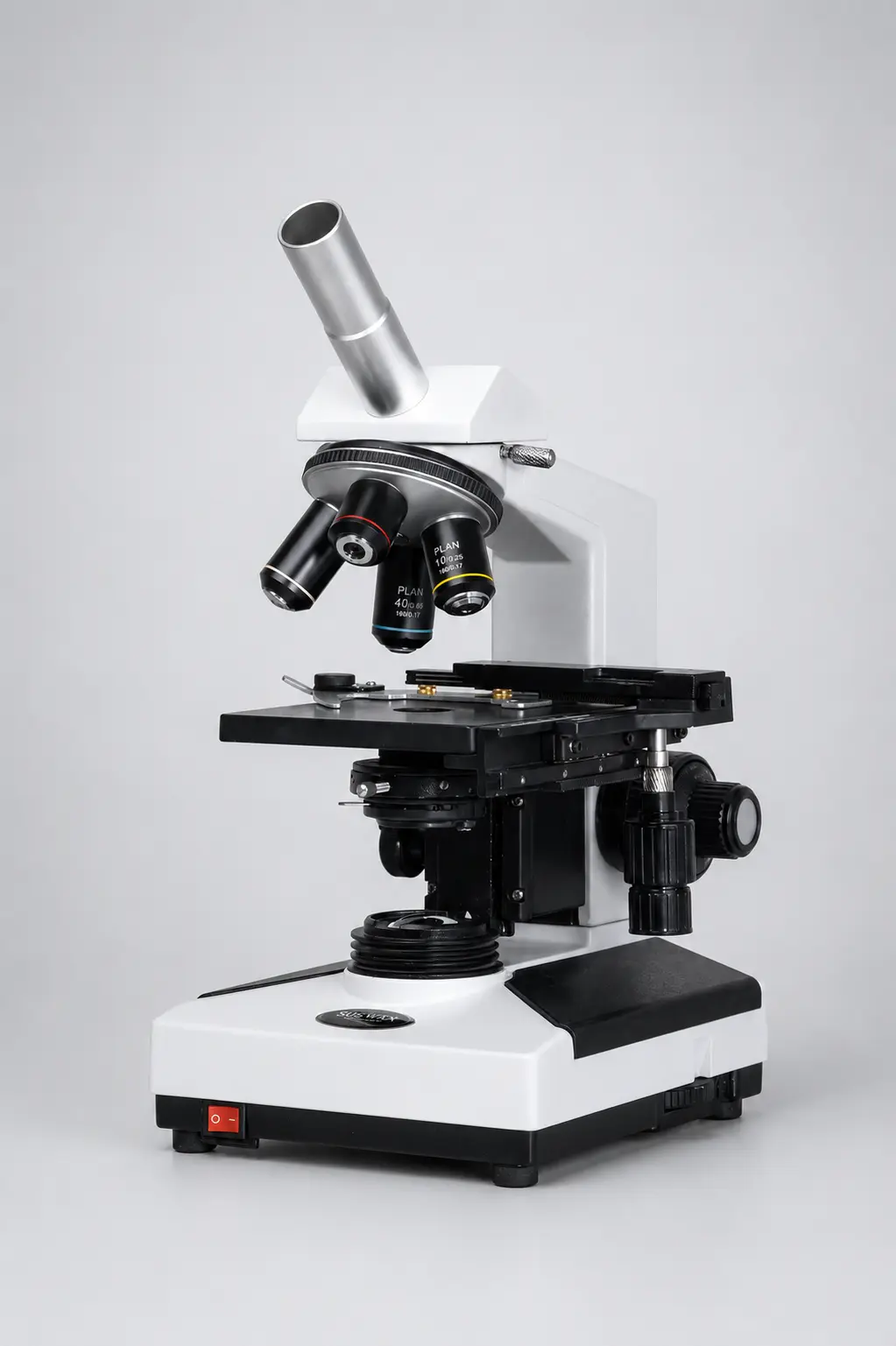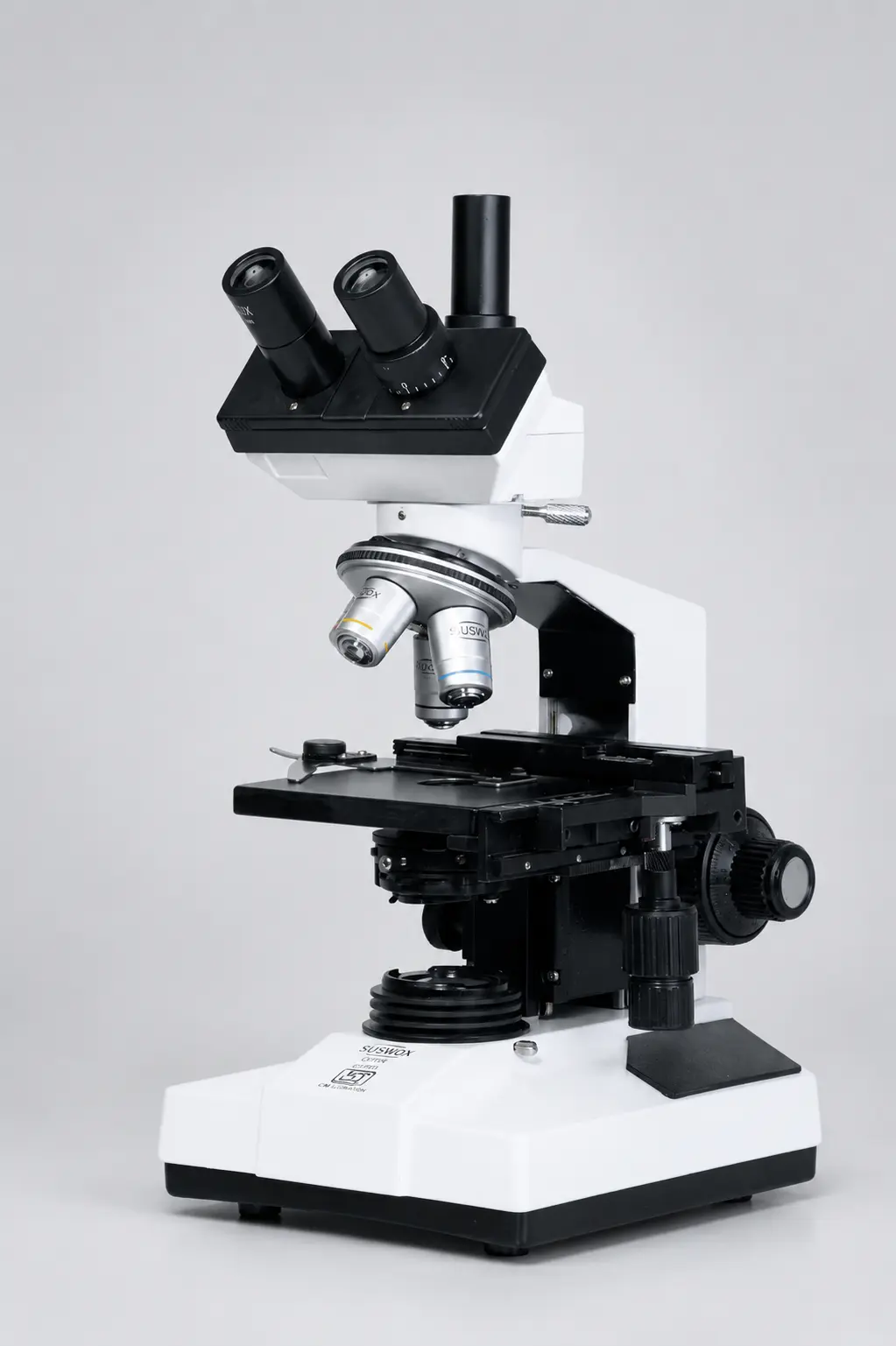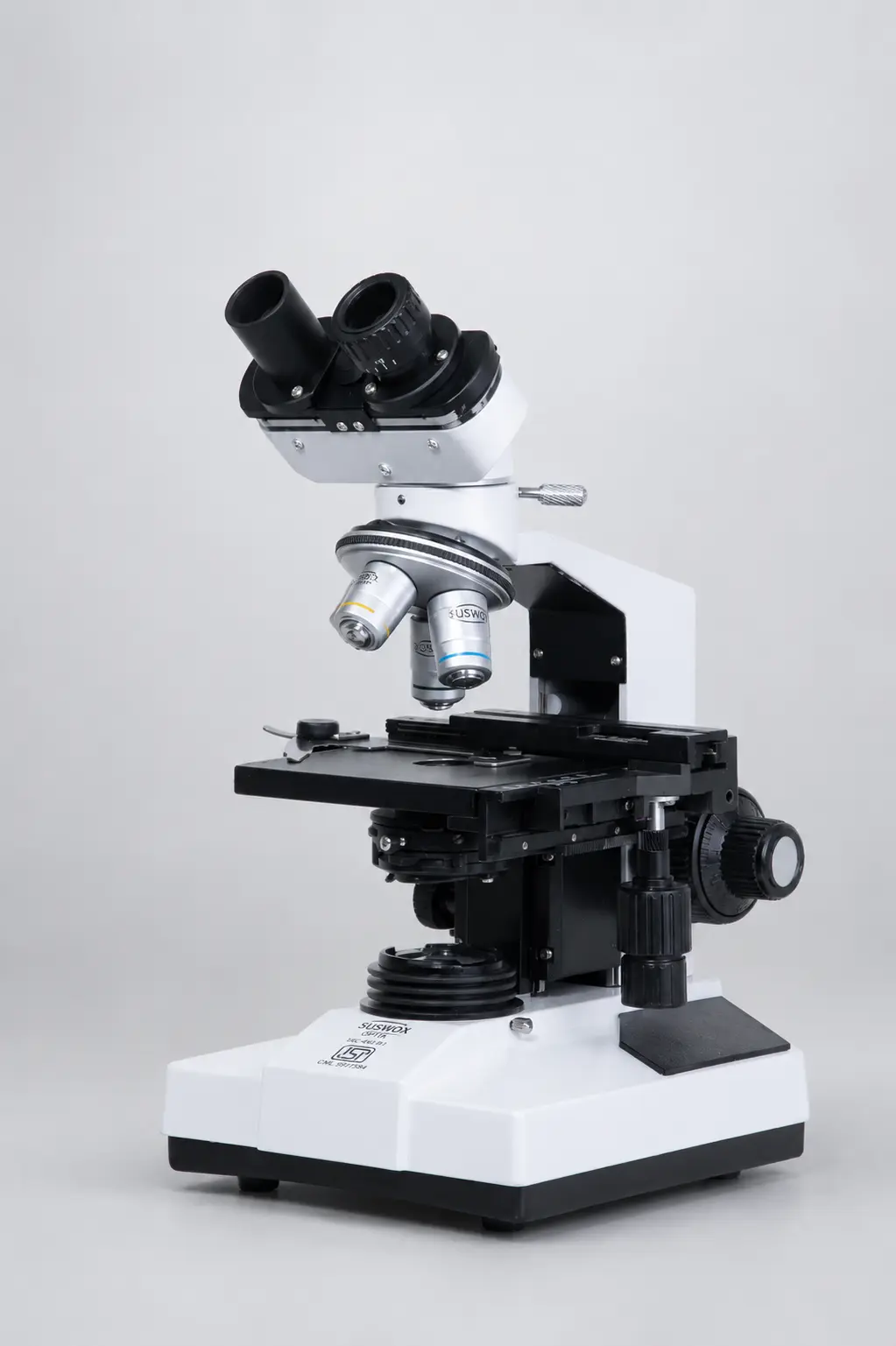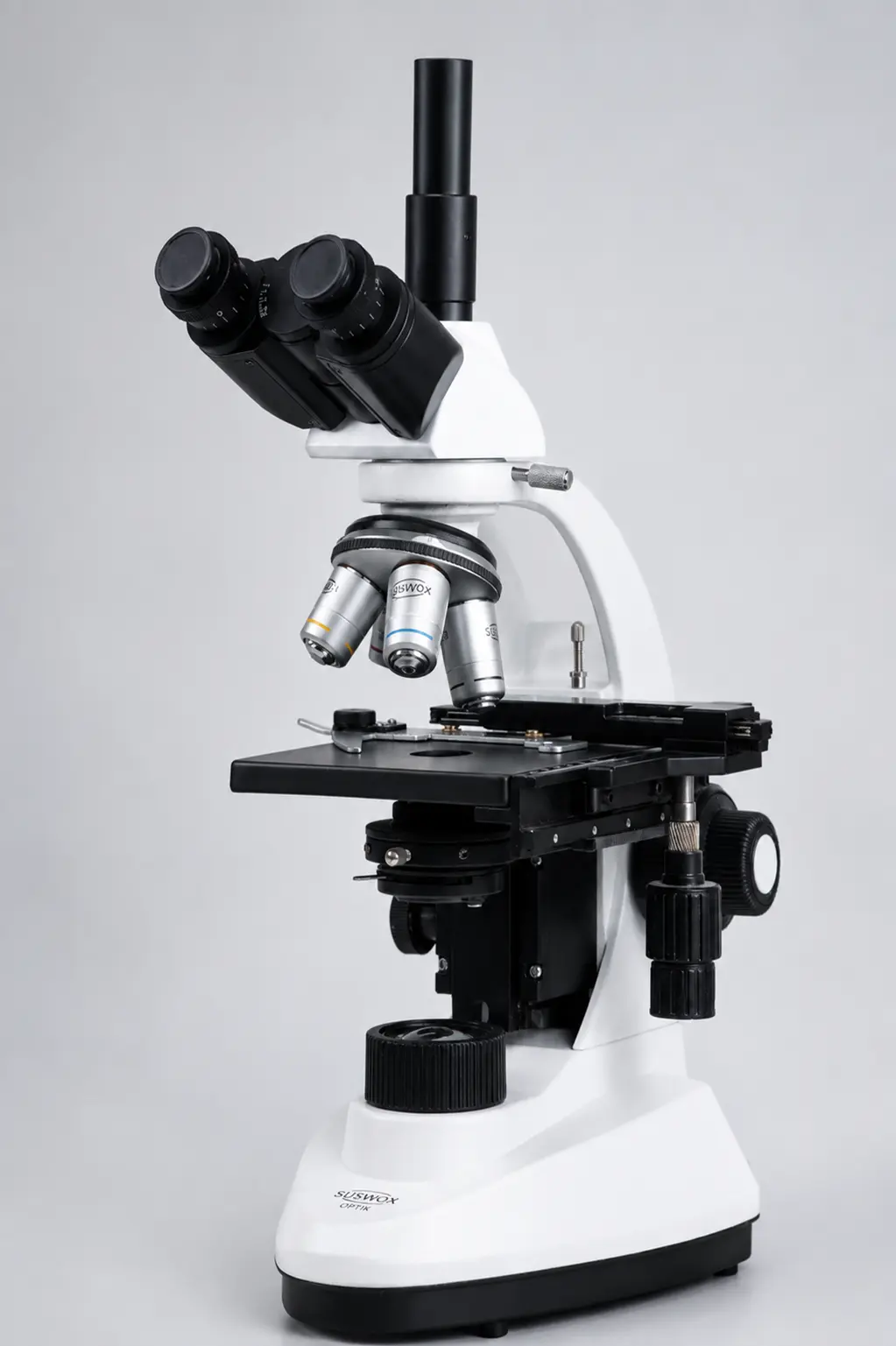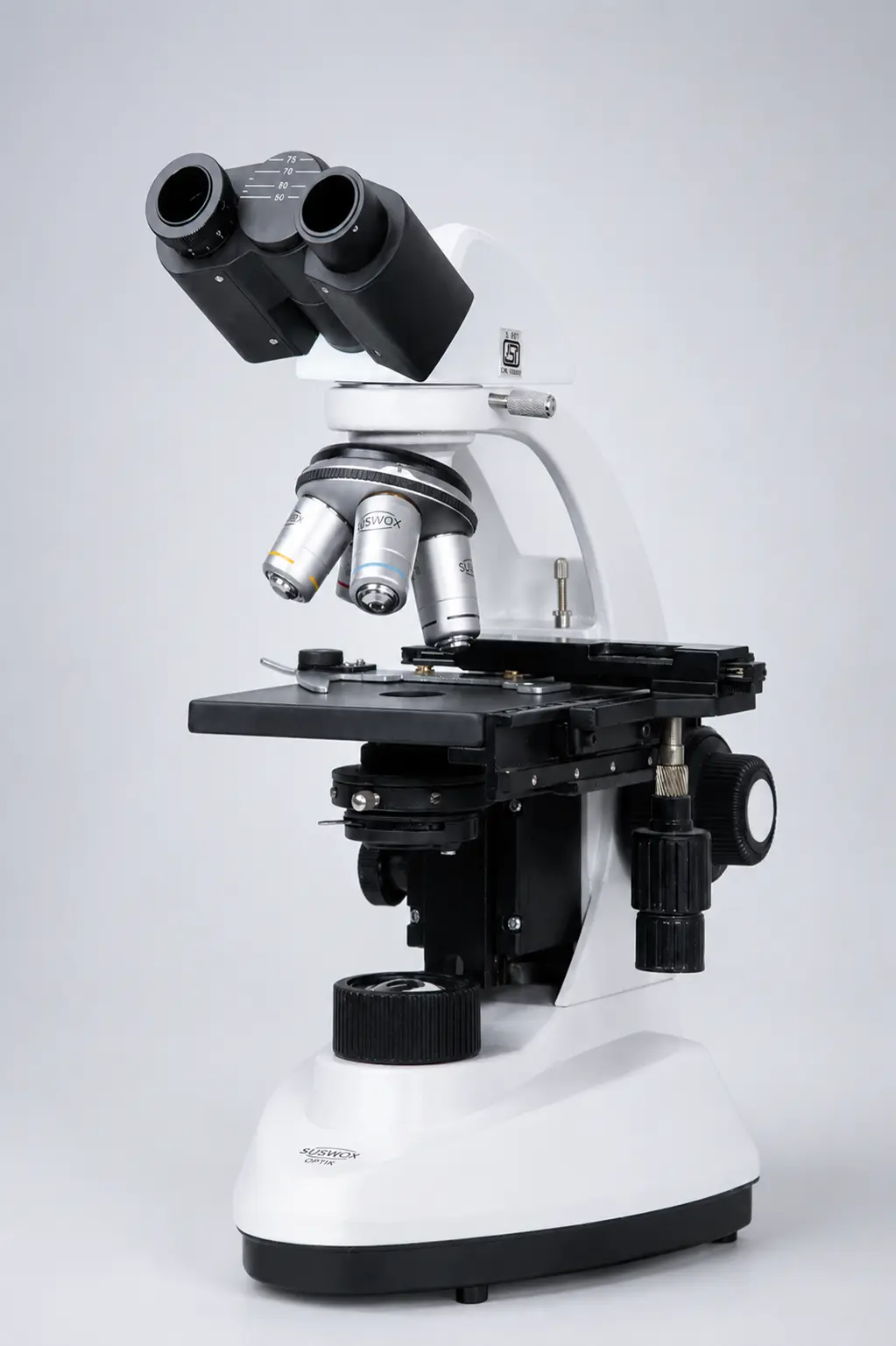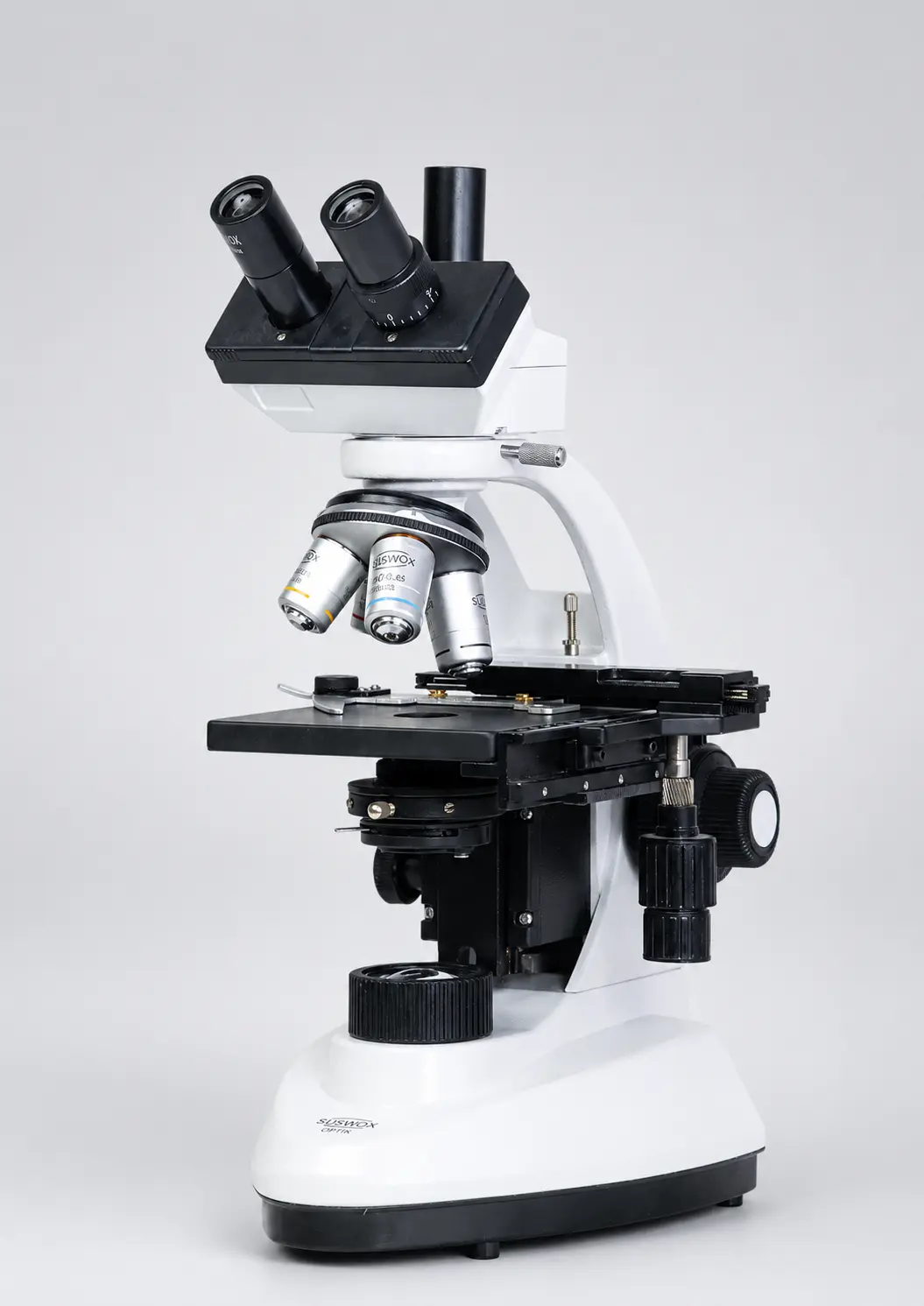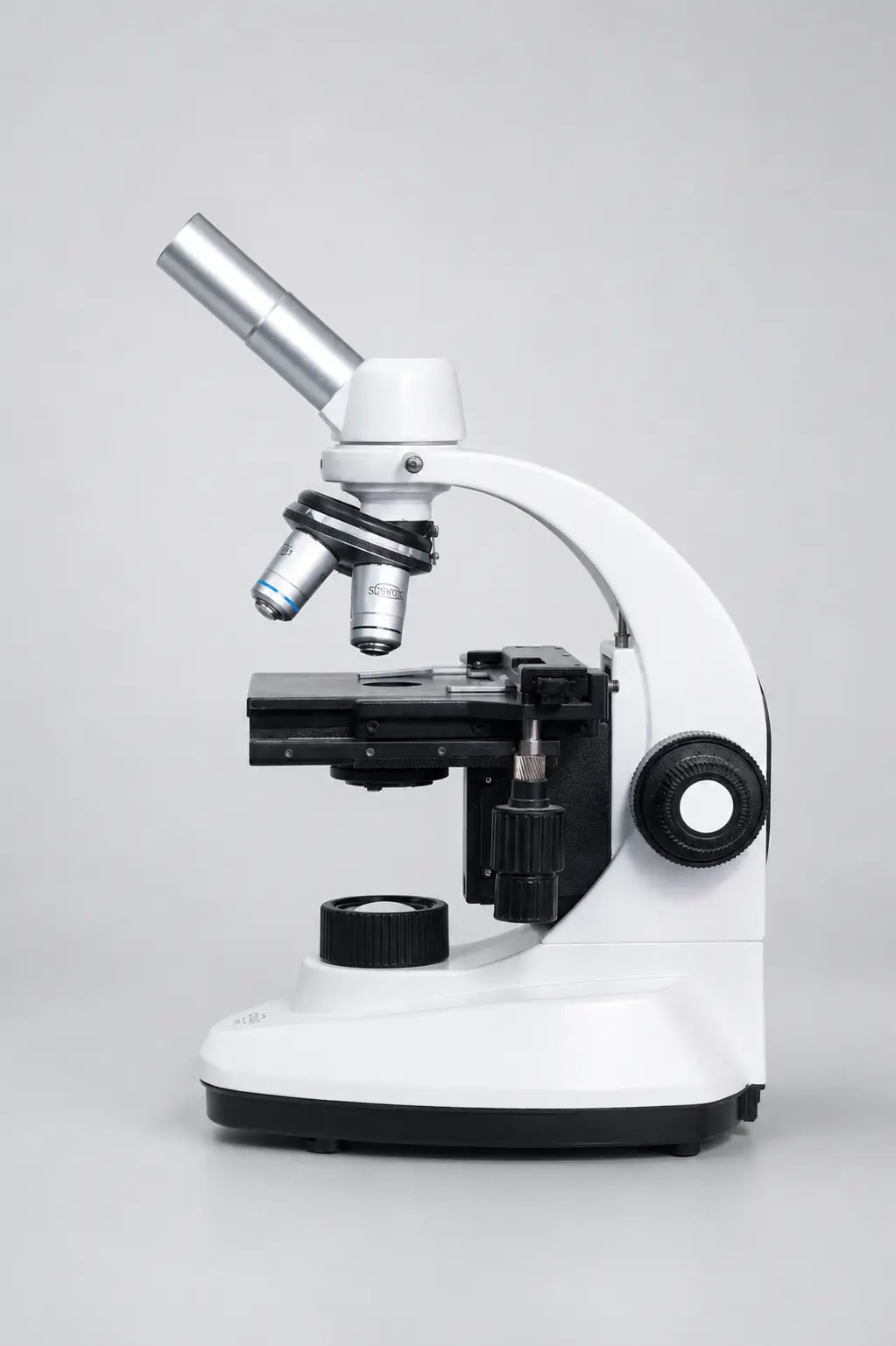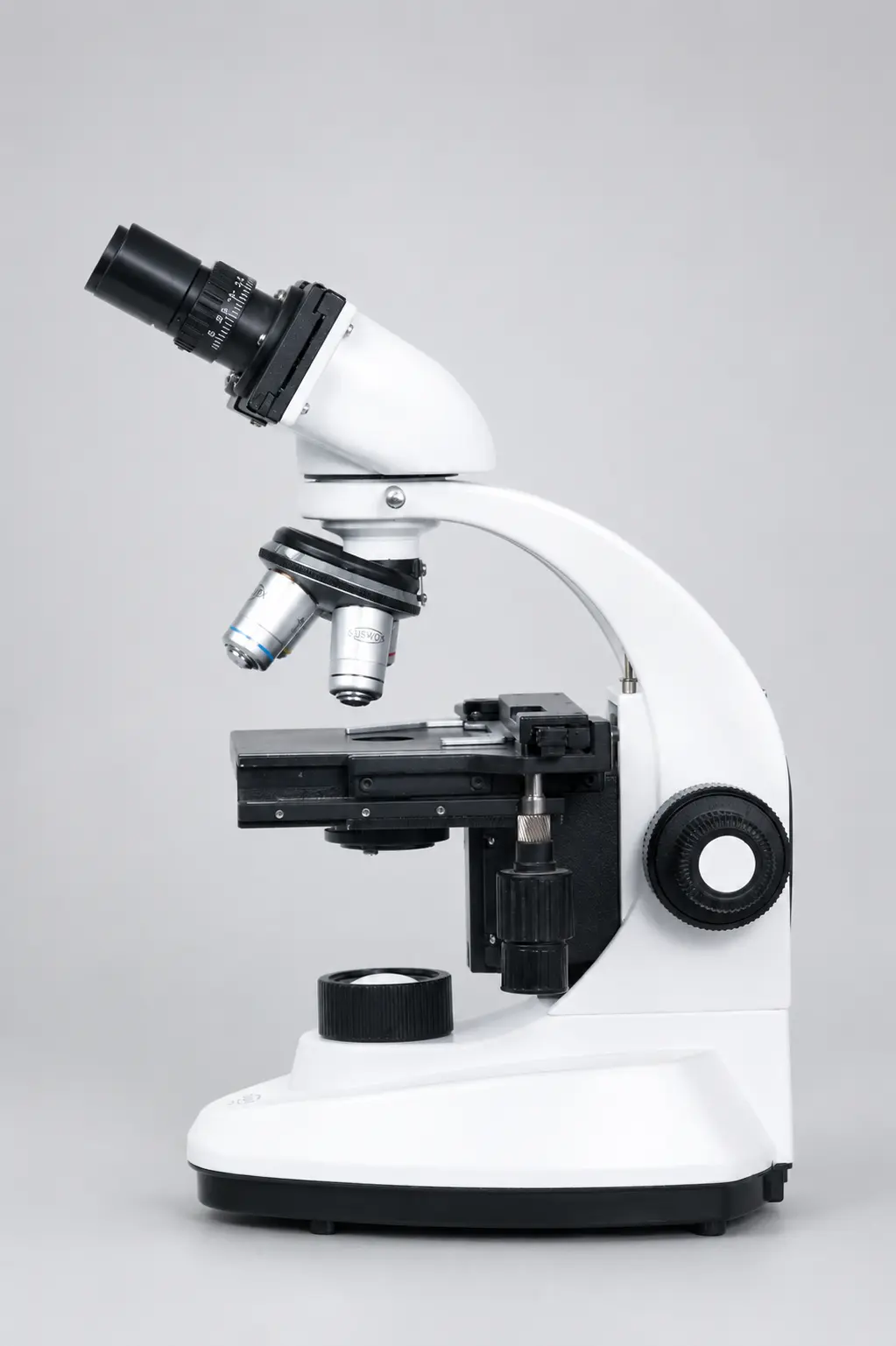

You cannot turn a culture flask upside down and put it on a slide. That is the whole reason inverted microscopes exist. The objectives sit below the stage and look up through the bottom of the flask, dish or well plate.
The price, though, is where it gets confusing. Listings in India go from about ₹40,000 to well over ₹9 lakh.
This guide explains the real inverted microscope price in India in 2026, why it varies so much, and how much to budget for cell culture, IVF, research or metallurgy. It is written by SUSWOX, a microscope manufacturer in India making inverted microscopes in Ambala since 1973.
How much does an inverted microscope cost in India?
An inverted microscope in India usually costs ₹40,000 to ₹1,00,000 for an entry-level tissue culture model, ₹1,00,000 to ₹2,50,000 for a research model with infinity optics and phase contrast, and ₹2,00,000 to ₹5,00,000 for imported brands. Fluorescence and advanced metallurgical systems can go above ₹8 lakh.
| Price tier | Typical price | What you usually get |
| Entry | ₹40,000 to ₹1,00,000 | Binocular or trinocular head, 10X to 40X objectives, basic phase or brightfield, finite optics. For teaching and routine culture checks. |
| Research (Indian make) | ₹1,00,000 to ₹2,50,000 | Infinity long working distance plan objectives, phase contrast, large stage for well plates, Köhler LED, camera port. |
| Imported premium | ₹2,00,000 to ₹5,00,000 | Global brand tissue culture models with similar features and brand premium. |
| Advanced systems | ₹5,00,000 to ₹9,00,000+ | Fluorescence, advanced metallurgical, motorised or high-end imaging setups. |
Ranges are based on public B2B and marketplace listings in India, September 2026. GST, camera and accessories are usually extra.
Types of inverted microscopes and their price
| Type | Typical price band | Used for |
| Inverted tissue culture (brightfield) | Entry | Checking cell growth, confluence and contamination in flasks and dishes |
| Inverted phase contrast | Entry to research | Seeing live, unstained cells clearly. The standard for most cell culture labs. |
| Inverted trinocular with camera | Research | Recording cell growth, reports, publications and teaching |
| Inverted fluorescence | Advanced | Fluorescent-labelled cells, transfection checks, advanced research |
| Inverted metallurgical | Research to advanced | Metal samples, grain structure, welds and heavy or large specimens |
What changes the price of an inverted microscope?
| Factor | How it affects price |
| Finite vs infinity optics | Infinity-corrected systems cost more but give sharper images and let you add phase, fluorescence and camera parts cleanly. |
| Objectives | Long working distance (LWD) plan objectives cost more than basic achromats. Phase objectives add more. |
| Condenser working distance | A long working distance condenser (about 70 mm or more) is needed for tall flasks. Short condensers are cheaper but limit what you can use. |
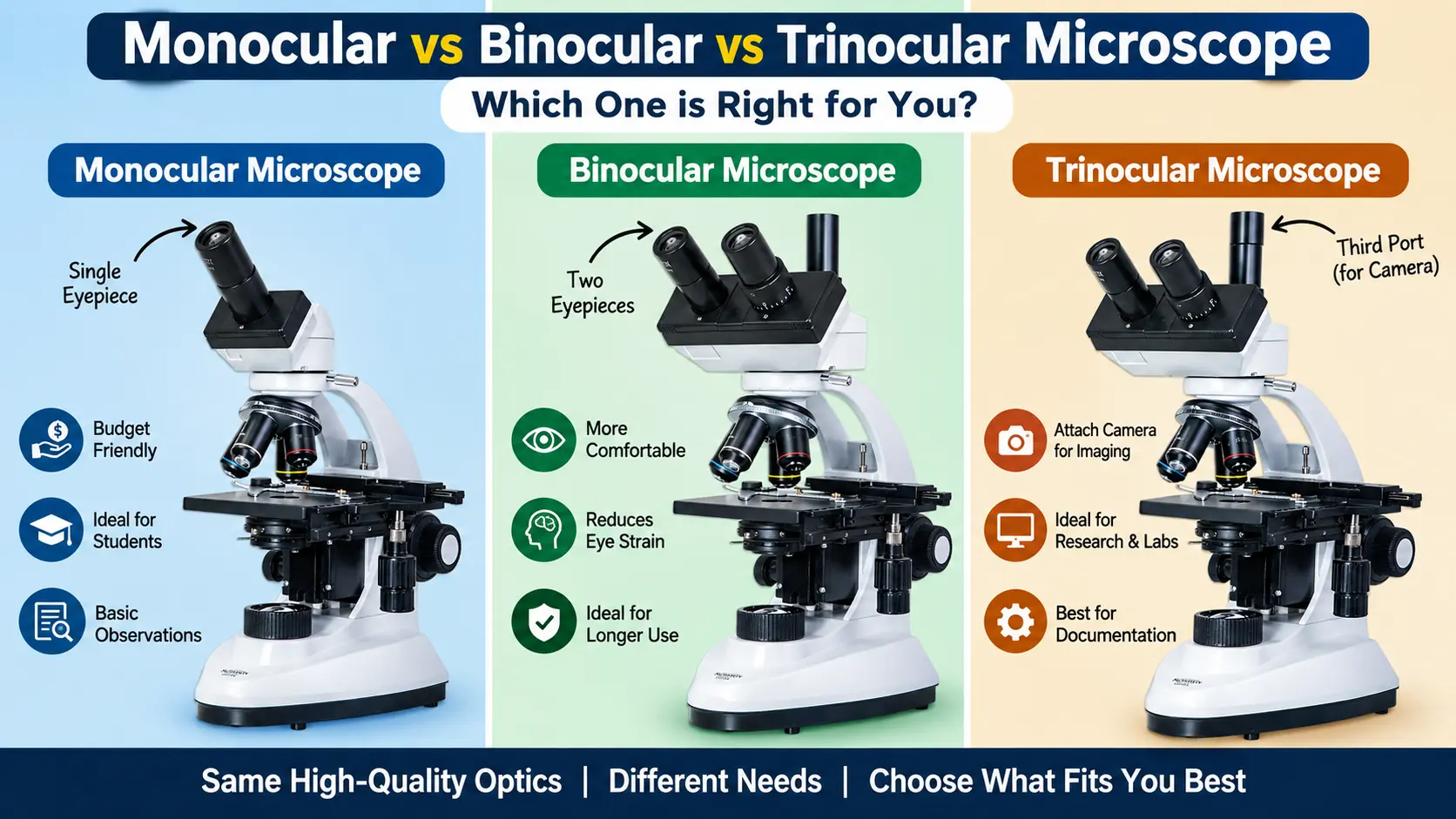
| Head and camera port | Trinocular heads with a camera port and light splitting cost more than binocular. |
| Stage | Large stages that take 96-well plates and several dish sizes cost more. |
| Illumination | Köhler LED is more even and longer-lasting than basic lighting. Fluorescence light sources add a lot. |
| Certifications | CE, ISI and ISO marked models cost a little more but make tenders and audits easier. |
| Brand and origin | Imported brands carry import costs and higher service charges. |
Inverted microscope price by application
| Use | What you need | Budget tier | SUSWOX model |
| Routine cell culture | Phase contrast, 4X to 40X LWD objectives, long working distance condenser | Entry to research | IMX-500 Bi |
| IVF and embryology lab | Phase contrast, well-plate stage, camera for records | Research | IMX-500 Ti |
| Research and stem cells | Infinity optics, trinocular, camera, optional fluorescence | Research to advanced | IMX-500 Ti |
| Pharma and microbiology | Phase contrast, camera, documentation | Research | IMX-500 Ti |
| Metallography and welding QC | Reflected light, 5X to 50X LWD objectives, trinocular, camera | Research to advanced | IMET |
[CONFIRM] Client to check model-to-tier mapping against their price list.
A note for IVF clinics: ICSI and micromanipulation need extra equipment, such as micromanipulators and a heated stage. These cost more than the microscope itself, so budget for them separately.
SUSWOX inverted microscopes: specs at a glance
SUSWOX inverted microscopes are made in Ambala, come with a 1-year warranty on optics and body, and have spare parts stocked for 10 years.
| Model | Optics and objectives | Head | Key features |
| IMX-500 Bi | LWD infinity plan 4X, 10X, 20X, 40X; phase contrast set optional | Binocular, 45° Siedentopf | LWD condenser (72 mm), 96-well compatible stage, Köhler LED, CE, ISI and ISO marked |
| IMX-500 Ti | LWD infinity plan 4X, 10X, 20X, 40X; phase contrast set optional | Trinocular, 100:0 / 0:100 split | C-mount camera port, optional fluorescence, 96-well stage, CE, ISI and ISO marked |
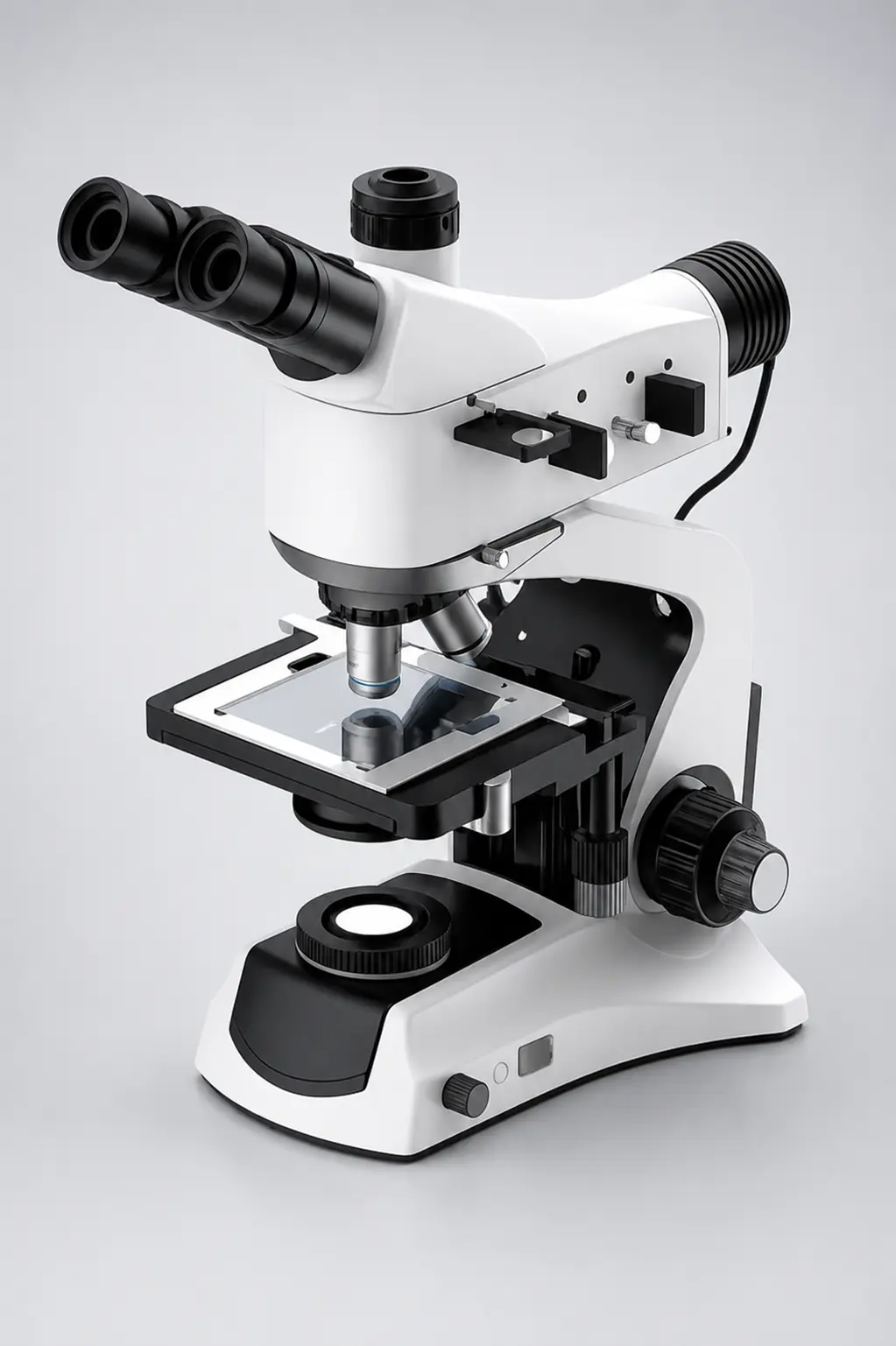
| IMET | Infinity semi-apochromatic LWD 5X, 10X, 20X, 50X; 100X optional | Trinocular, 80:20 split | Reflected brightfield, darkfield and polarised light, for metallurgy and failure analysis |
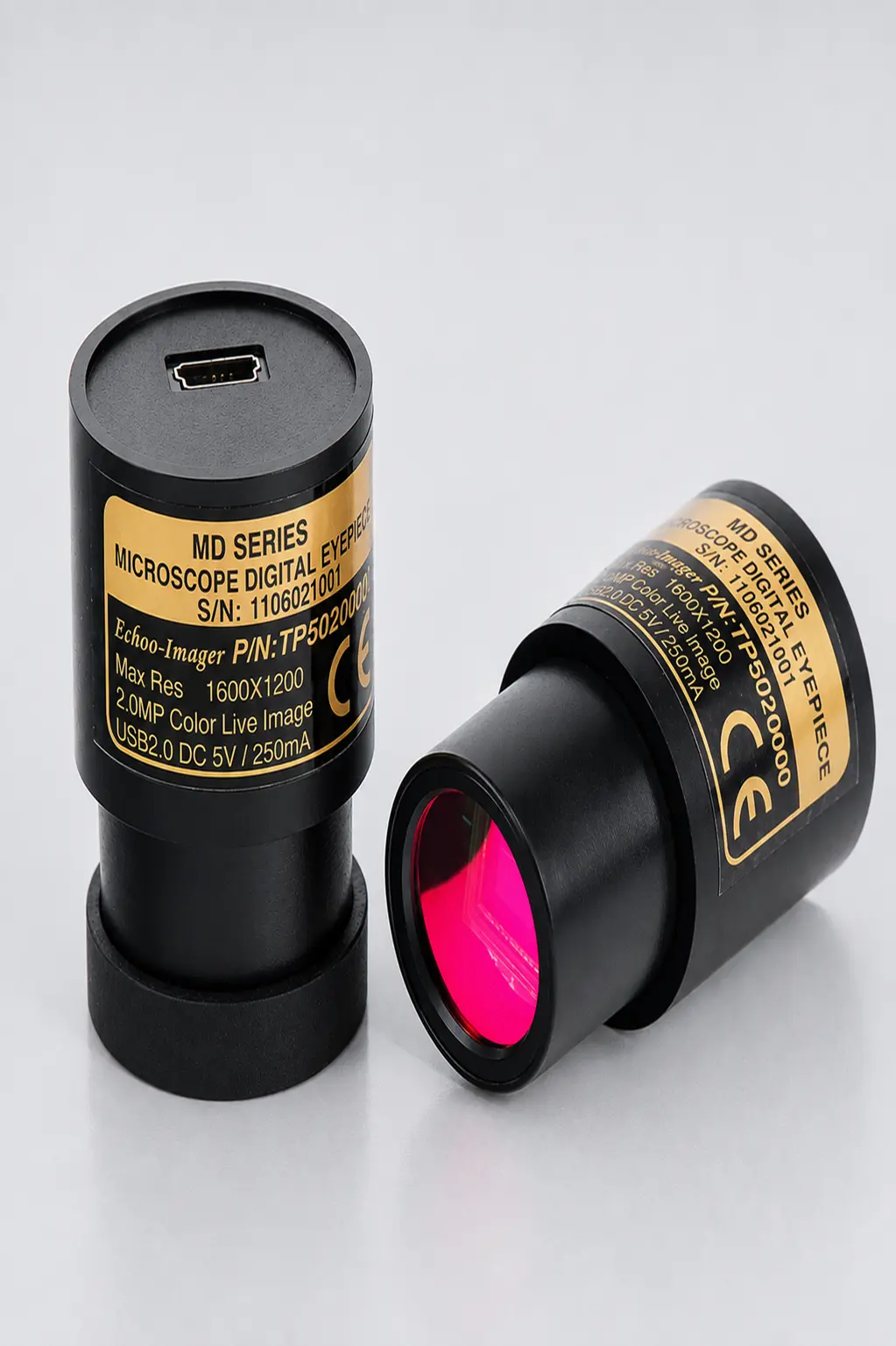
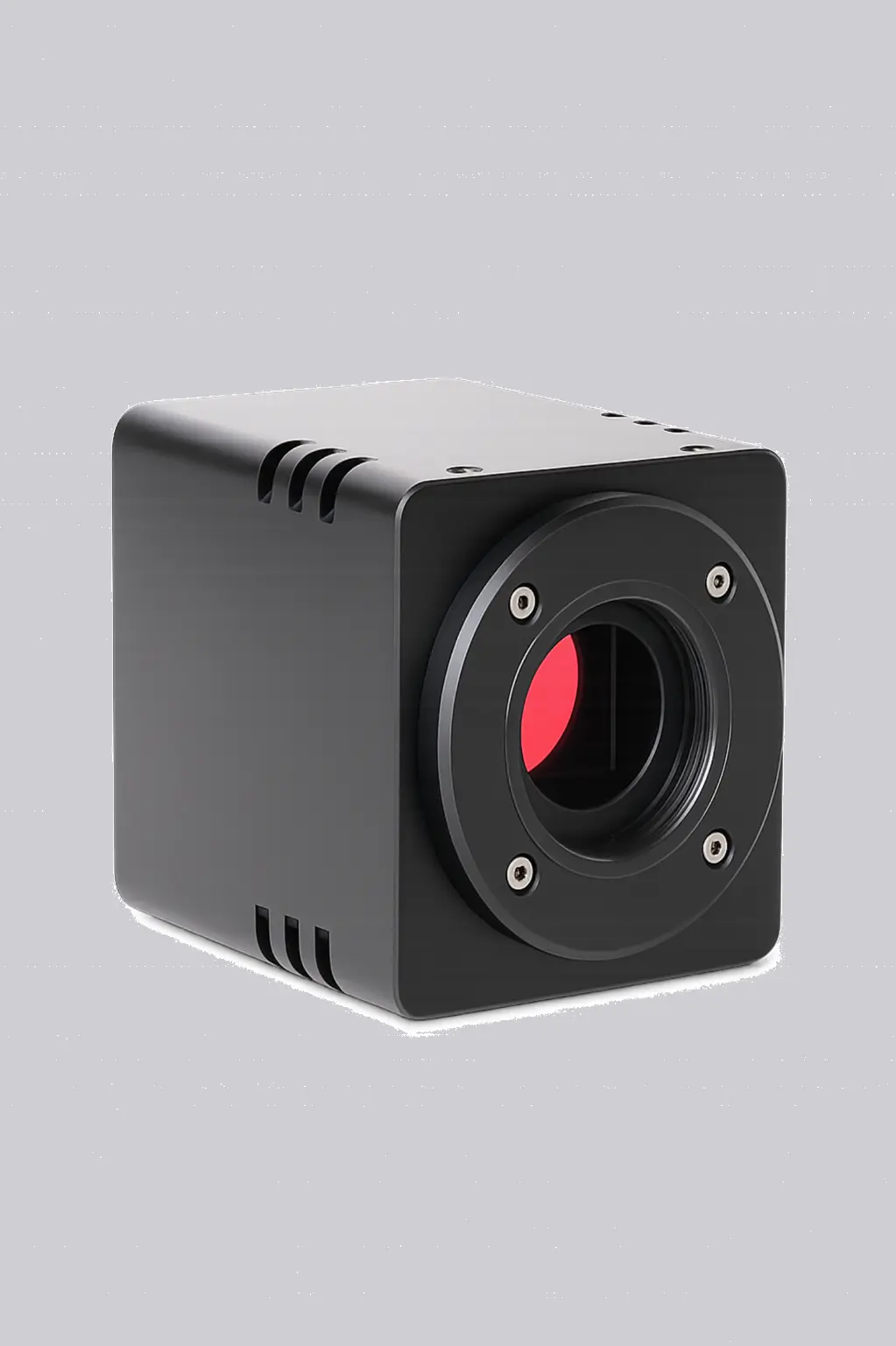
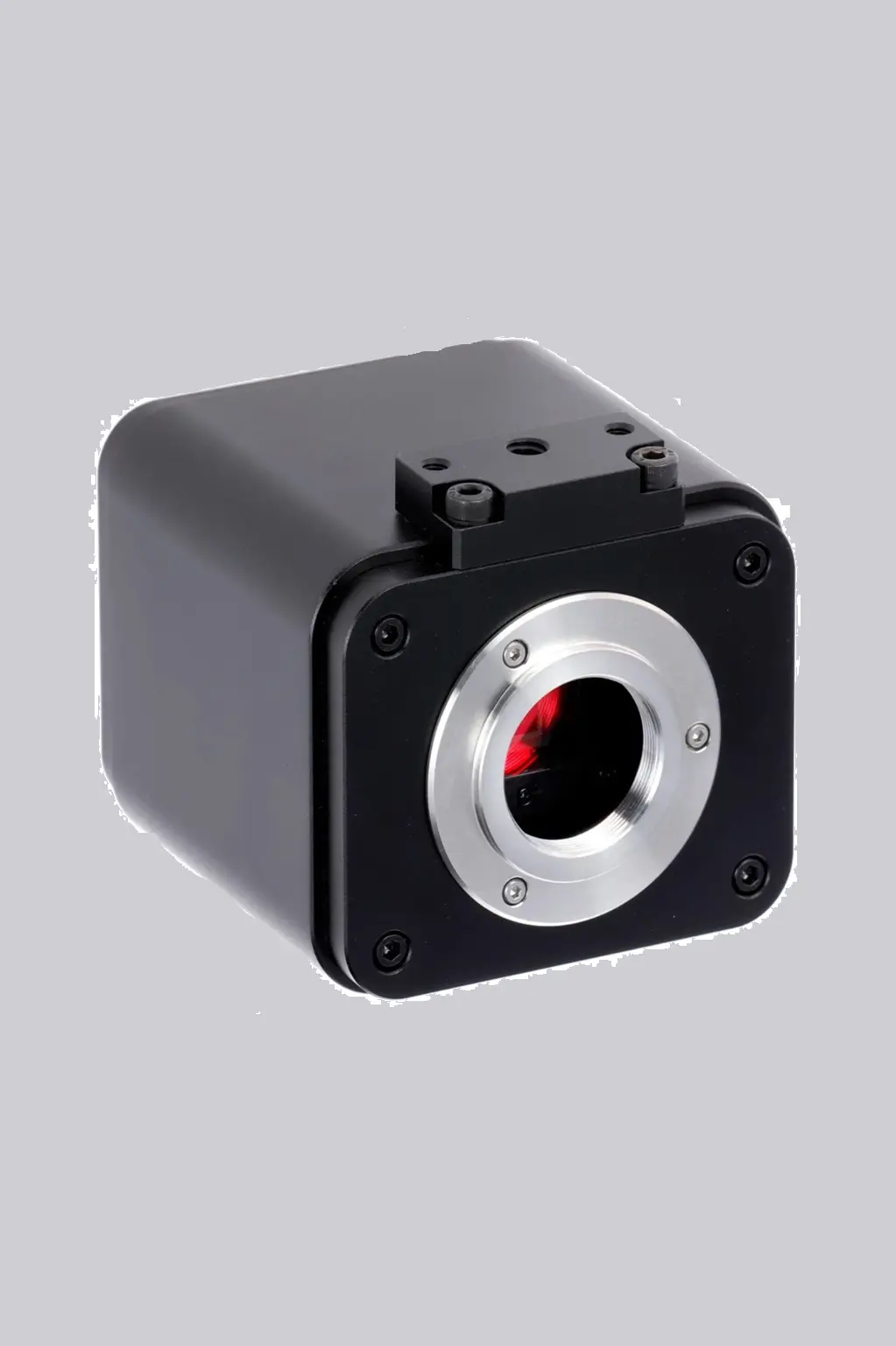
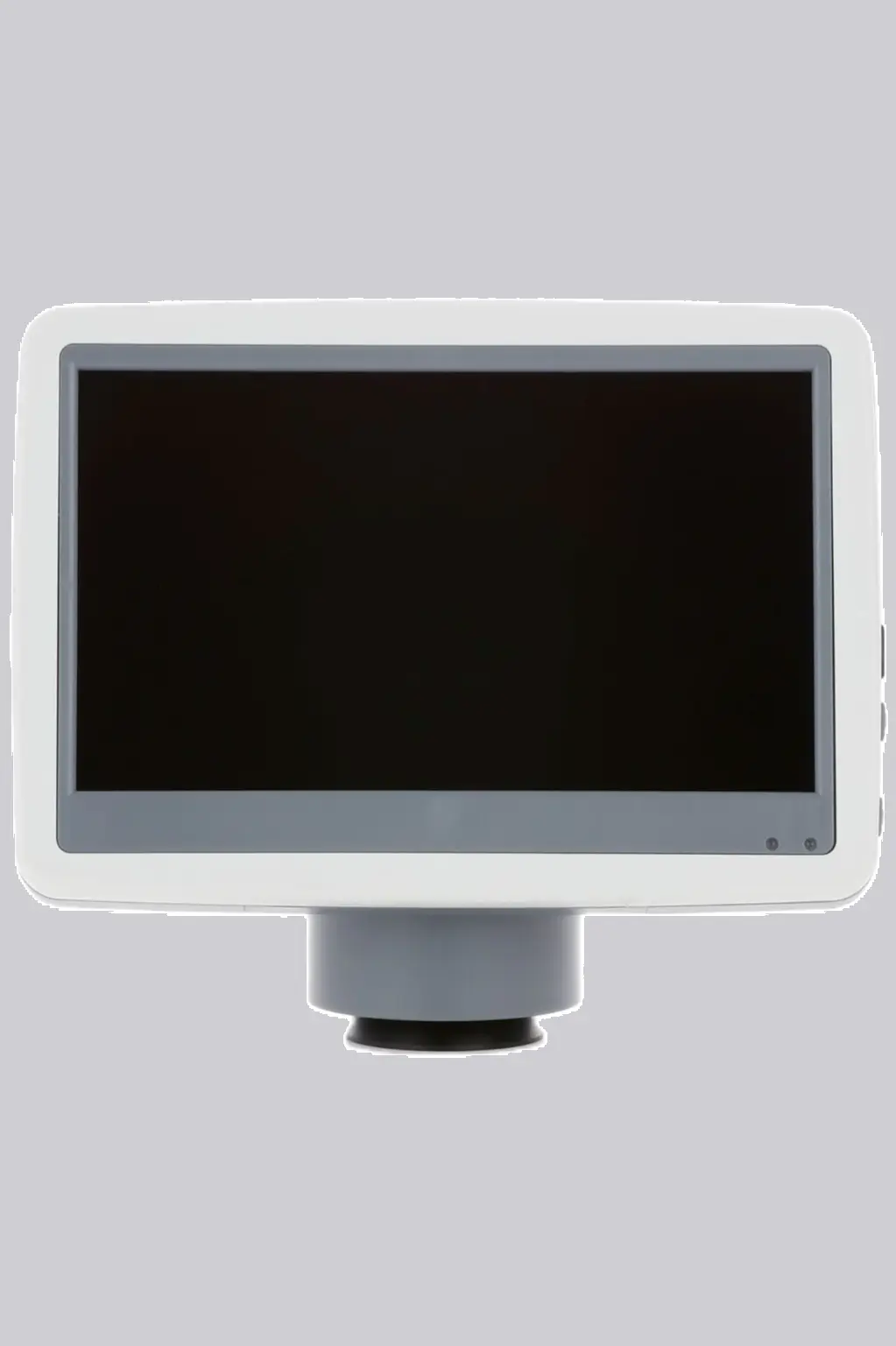
Add a camera like the MD Series or X Cam and SSW-CAPTURE software for images and measurements. Metallurgy labs can add particle size and shape analysis software. See all inverted microscopes.
Hidden costs to include in your budget
- Phase contrast kit: phase objectives and phase annulus, if not included.
- Camera, C-mount and software: for records, reports and publications.
- Fluorescence attachment: light source and filter cubes.
- Heated stage or incubation chamber: for live cell and IVF work.
- Extra stage holders: for different flasks, dishes and well plates.
- AMC and servicing: especially for imported brands.
- GST and delivery: check whether the quote includes them.
How to avoid overpaying
- Decide if you need phase contrast. Most live cell work does. Pure brightfield is cheaper but shows less.
- Check condenser working distance. Make sure your tallest flask fits.
- Buy trinocular only if you will record images.
- Ask what is in the box. Phase kit, camera and stage holders are often extra.
- Ask about spares and service. Imported brands can be costly to repair.
- Compare Indian and imported options. See made in India vs imported microscopes.
Why buy an inverted microscope from SUSWOX?
- Manufacturer since 1973: made at our own unit in Ambala.
- Research-grade optics: LWD infinity plan objectives and a long working distance condenser.
- CE, ISI and ISO marked IMX models, ready for tenders and audits.
- Factory pricing and support: 1-year warranty, spares for 10 years.
- Complete setup: microscope, camera and software from one maker.
- Trusted by AIIMS campuses, BHU and Haffkine Institute. IVF clinics can also see our CASA semen analysis software.
Frequently asked questions
What is the price of an inverted microscope in India?
Entry-level inverted tissue culture microscopes usually cost ₹40,000 to ₹1,00,000 in India. Research models with infinity optics and phase contrast cost ₹1,00,000 to ₹2,50,000, imported brands ₹2,00,000 to ₹5,00,000, and fluorescence or advanced systems can go above ₹8 lakh.
Why are inverted microscopes more expensive than normal microscopes?
Inverted microscopes need long working distance objectives, a long working distance condenser, a large stage for flasks and well plates, and often phase contrast. These parts are more complex than those on a standard upright lab microscope.
What is the price of an inverted phase contrast microscope?
Inverted phase contrast microscopes from Indian manufacturers typically fall between ₹1,00,000 and ₹2,50,000, depending on optics, head and camera. Imported brands usually cost more.
Which inverted microscope is best for an IVF lab?
An IVF lab usually needs an inverted microscope with phase contrast, long working distance objectives, a well-plate stage and a camera port for records. ICSI work also needs micromanipulators and a heated stage, which are bought separately.
What is the difference between an inverted biological and an inverted metallurgical microscope?
An inverted biological microscope shines light through transparent samples like cells in a flask. An inverted metallurgical microscope uses reflected light to look at the polished surface of metal or other solid samples.
Is a trinocular inverted microscope worth it?
Yes, if you need to record cell growth, attach images to reports or show samples on a screen. If you only view by eye, a binocular model costs less.
How can I get the exact price of a SUSWOX inverted microscope?
Share your application, required objectives, phase contrast and camera needs, quantity and delivery location. SUSWOX sends a written quote covering configuration, GST and delivery, usually within one working day.
Get the exact price for your inverted microscope
Tell us what you will look at, which objectives and features you need, and where to deliver. We will send a written factory quote, usually within one working day.
[Request a quote](https://suswox.com/contact-us/) | Call +91 8727015757 | WhatsApp us | sales@suswox.com
Related reading
Types of Microscopes | Monocular vs Binocular vs Trinocular | Microscope Manufacturers in Ambala