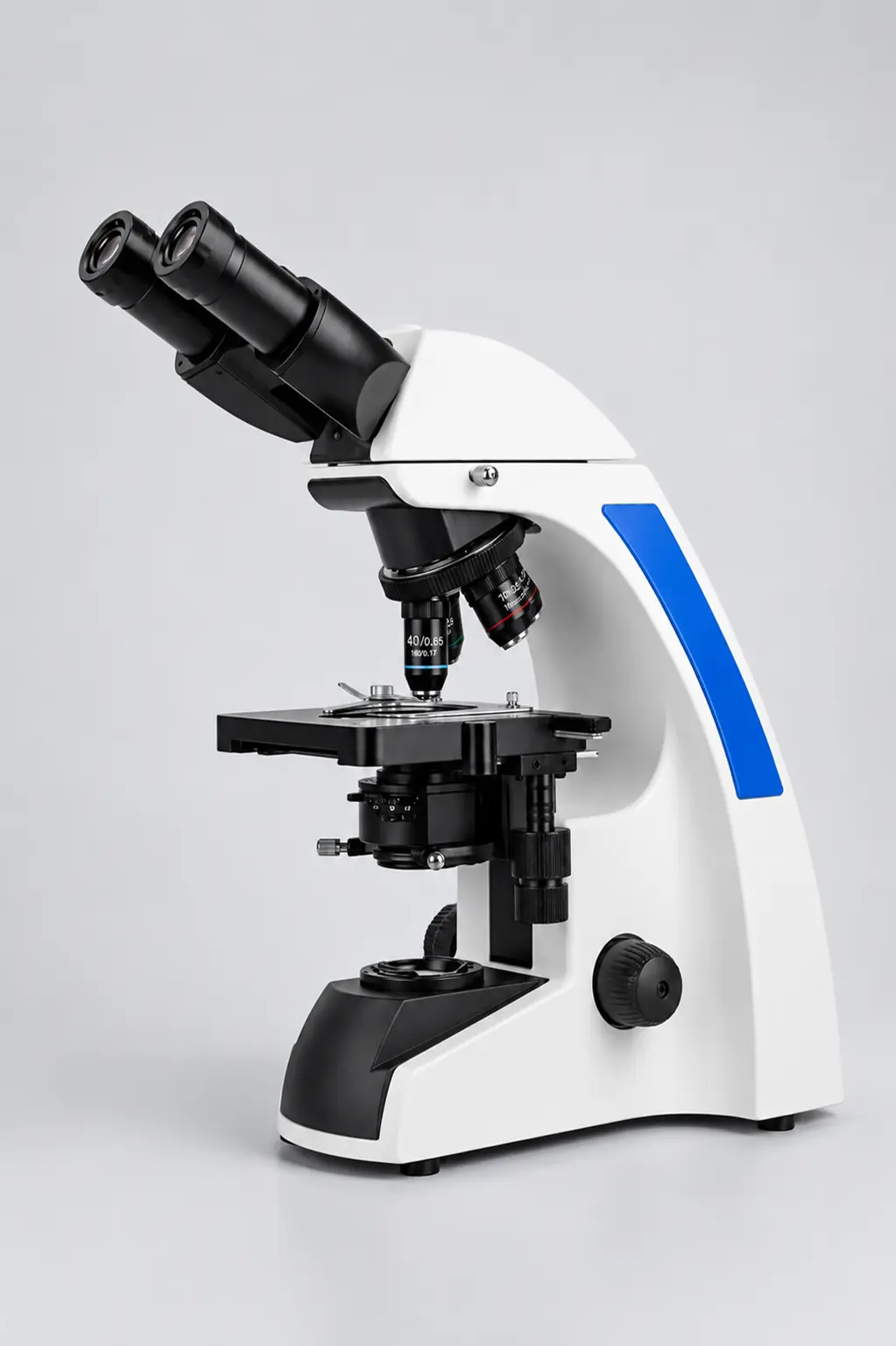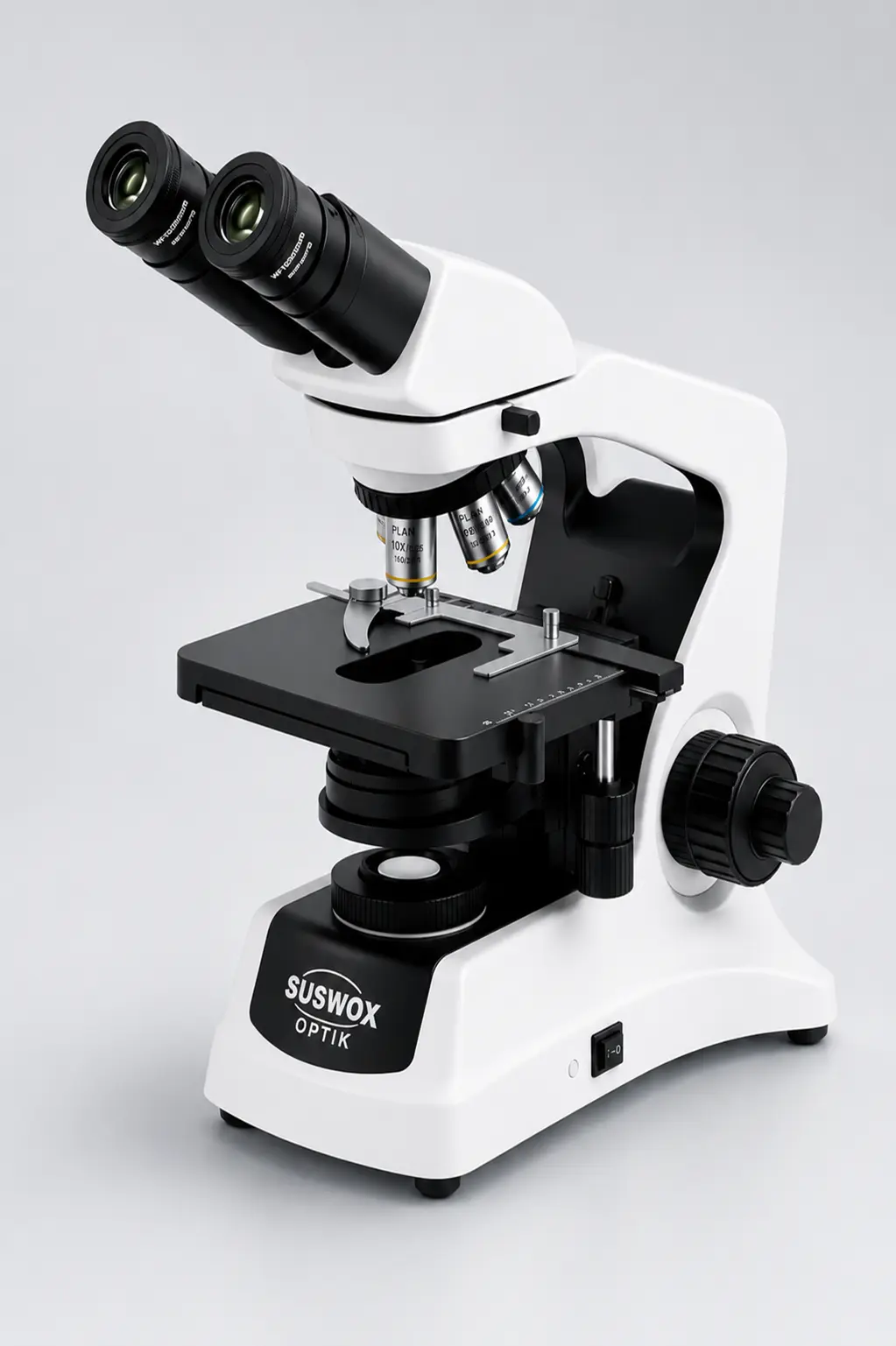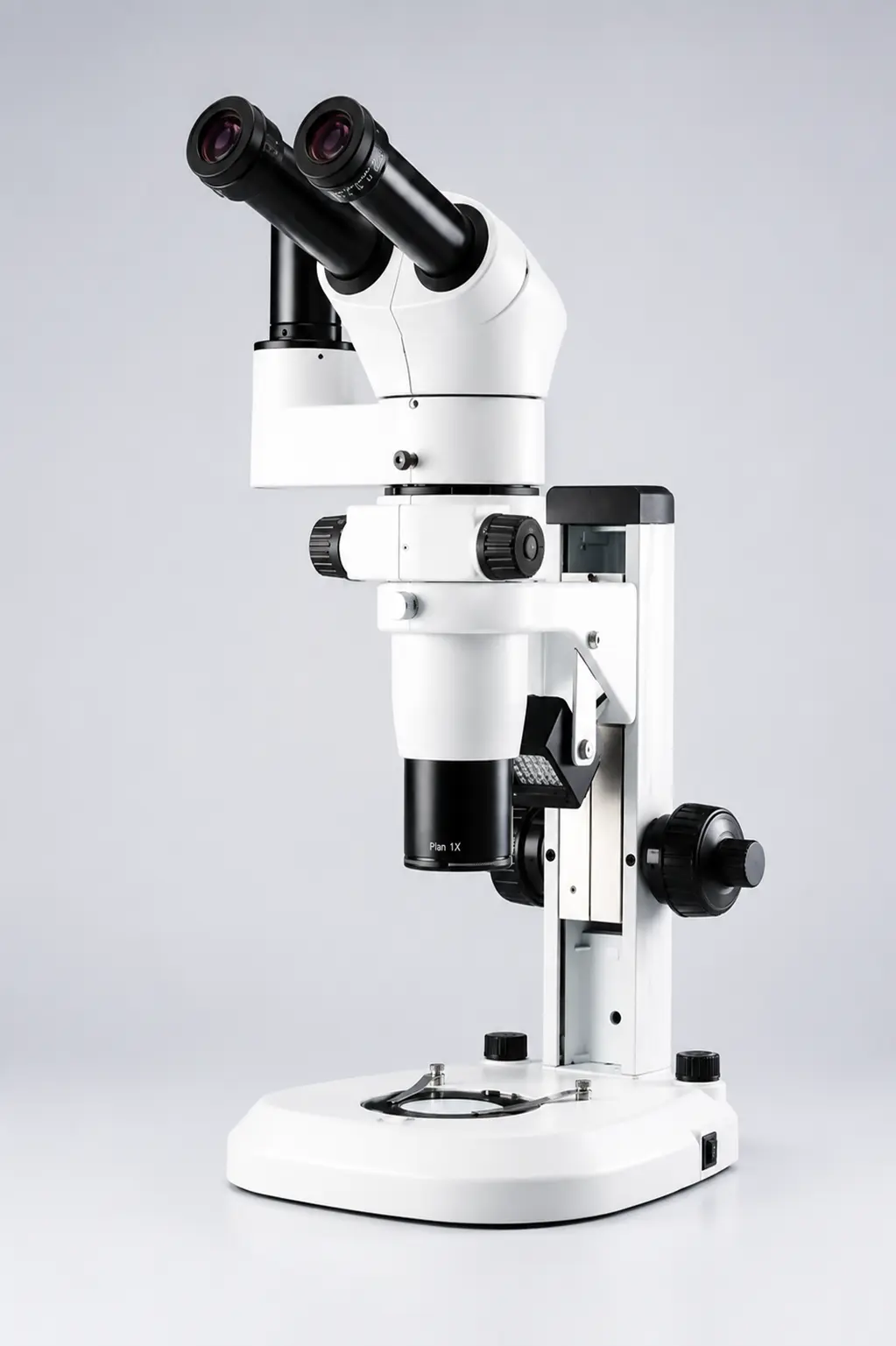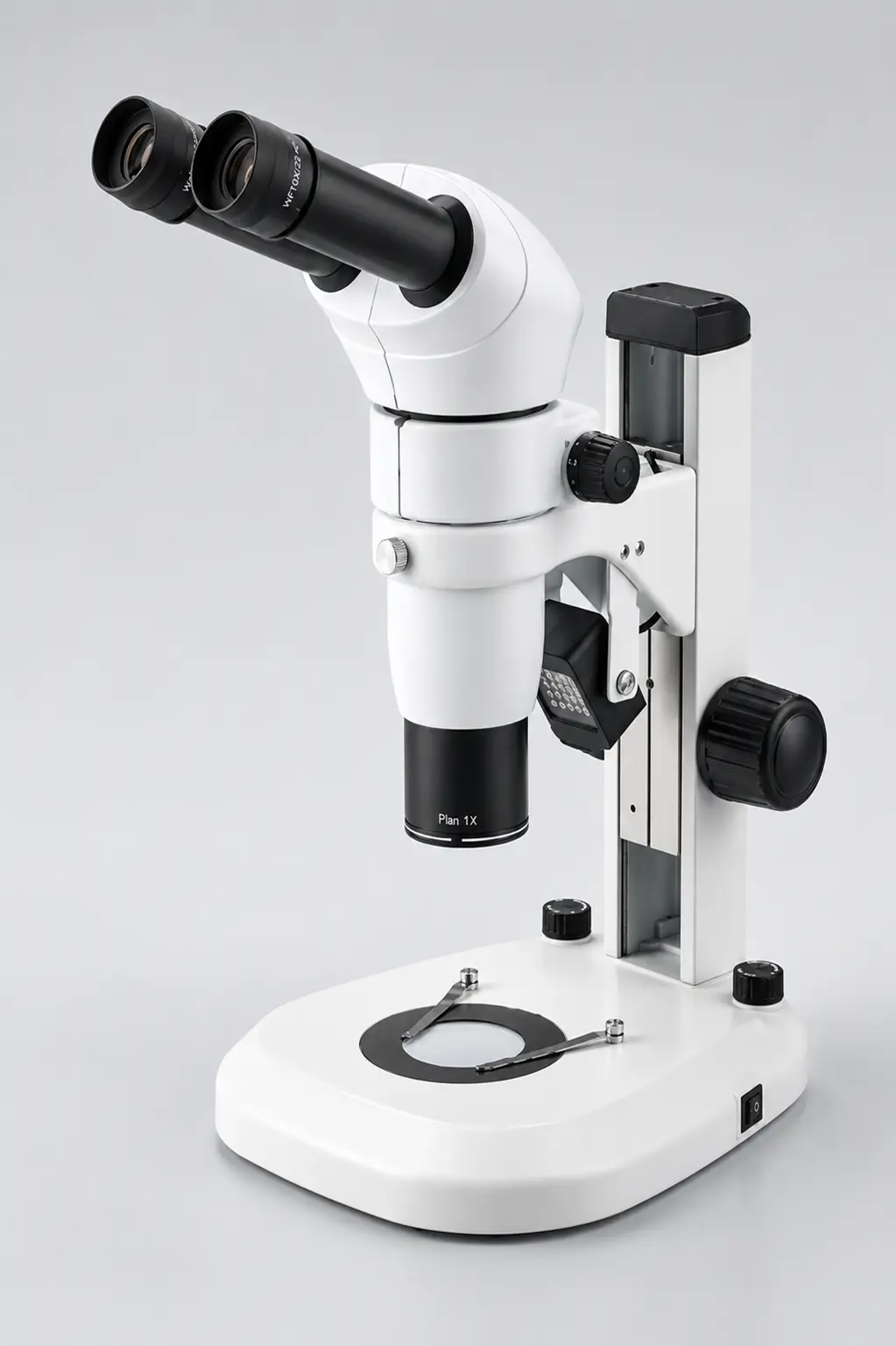
A lab technician in a small pathology centre once said something worth repeating: the report is only as good as the lens. You can hire the best pathologist in the city, but if the microscope on the bench is dim and blurry, every diagnosis becomes an educated guess.
That is why the brand you buy from matters more than the discount you negotiate.
India has a genuinely strong list of microscope makers today. Some are decades-old family units in Ambala, the town that supplies most of the country’s optical instruments. Some are global names running Indian offices. This guide breaks down the top 10 microscope manufacturers in India for 2026 – including exactly which microscope models each one builds, so you can match the maker to the machine your lab actually needs.
Quick answer: For ISI-marked quality with full in-house manufacturing and fast local service, SUSWOX (Sudheer Scientific Works, Ambala, since 1973) leads the list. For advanced research at the highest specification, Zeiss and Nikon remain the global benchmarks.
Here is the full comparison.
Quick Comparison Table
| # | Company | Base | Since | Best Known For |
| 1 | SUSWOX (Sudheer Scientific Works) | Ambala Cantt | 1973 | ISI-marked, complete in-house range |
| 2 | Magnus (Magnus Opto Systems) | Gurgaon / Noida | 1980s | Lab and digital microscopes |
| 3 | Radical Scientific Instruments | Ambala | 1950s | Student and metallurgical |
| 4 | Labomed India | Ambala | Long-standing | Clinical and research optics |
| 5 | Quasmo (Quality Scientific Works) | Ambala | 1961 | Export-focused range |
| 6 | Motic India | Multiple | Global | Digital and stereo imaging |
| 7 | Carl Zeiss India | Bengaluru | Global | High-end research systems |
| 8 | Nikon India | Multiple | Global | Premium imaging and photomicrography |
| 9 | Leica Microsystems | Global | Global | Advanced and surgical microscopy |
| 10 | Almicro Instruments | Ambala | 1978 | Educational and lab microscopes |
What Exactly Is a Microscope Manufacturer?
A microscope manufacturer is a company that designs, assembles and supports complete optical instruments – not just a trader importing units and re-labelling them.
The difference shows up in four places:
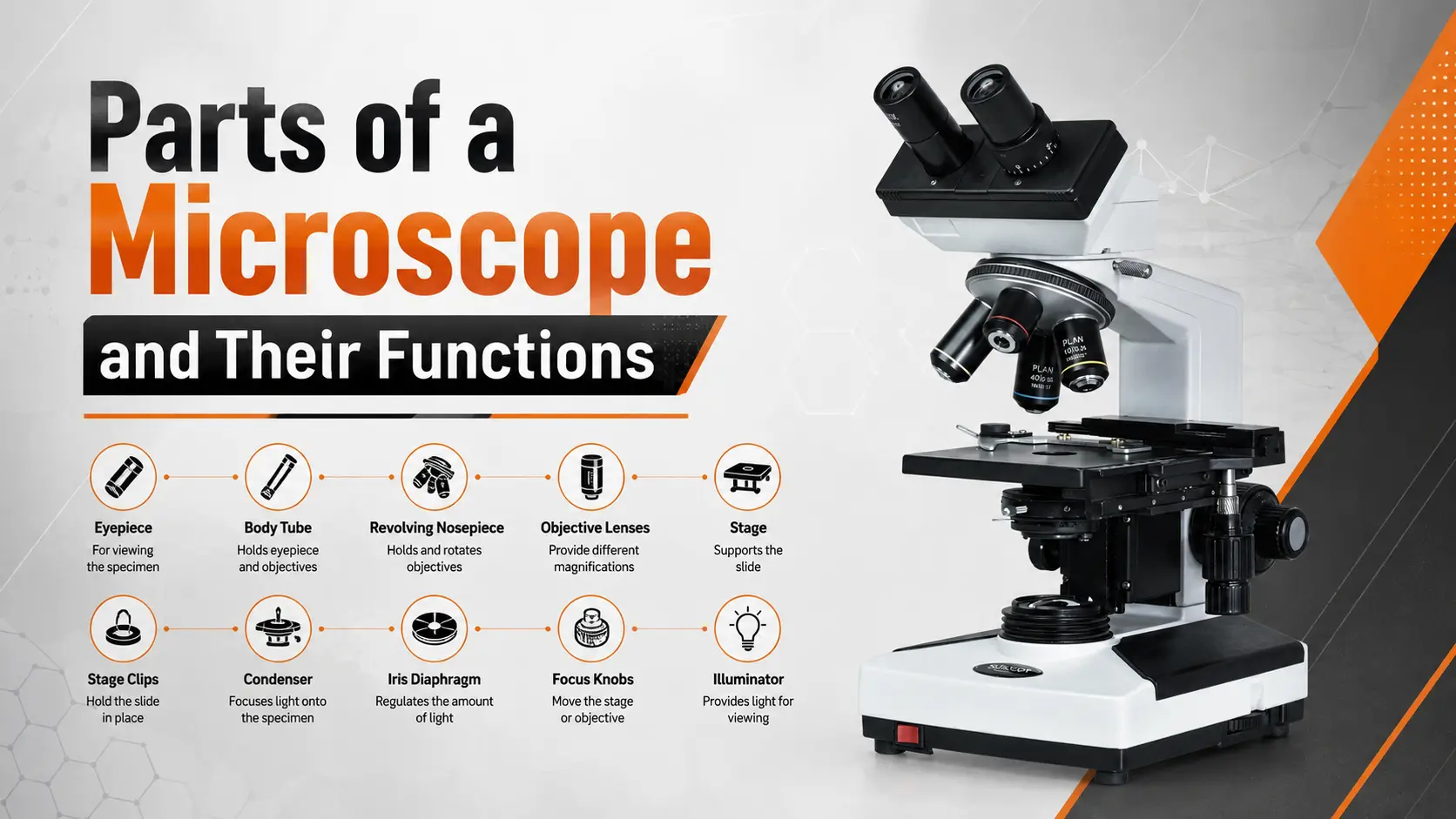
- Optics made or finished in-house – objectives, eyepieces, condensers and their coatings. If you want to see how these elements work together, our guide to the parts of a microscope and their functions covers each one.
- Mechanical build – the stand, focusing mechanism, stage and nosepiece
- Certification – BIS ISI mark for Indian standards, or ISO/CE for export
- After-sales – spare parts, calibration and service that stay available for a decade
That last point is the real test. Anyone can sell a microscope. Very few can still supply the objective lens for it eight years later.
1. SUSWOX – Best Overall Microscope Manufacturer in India
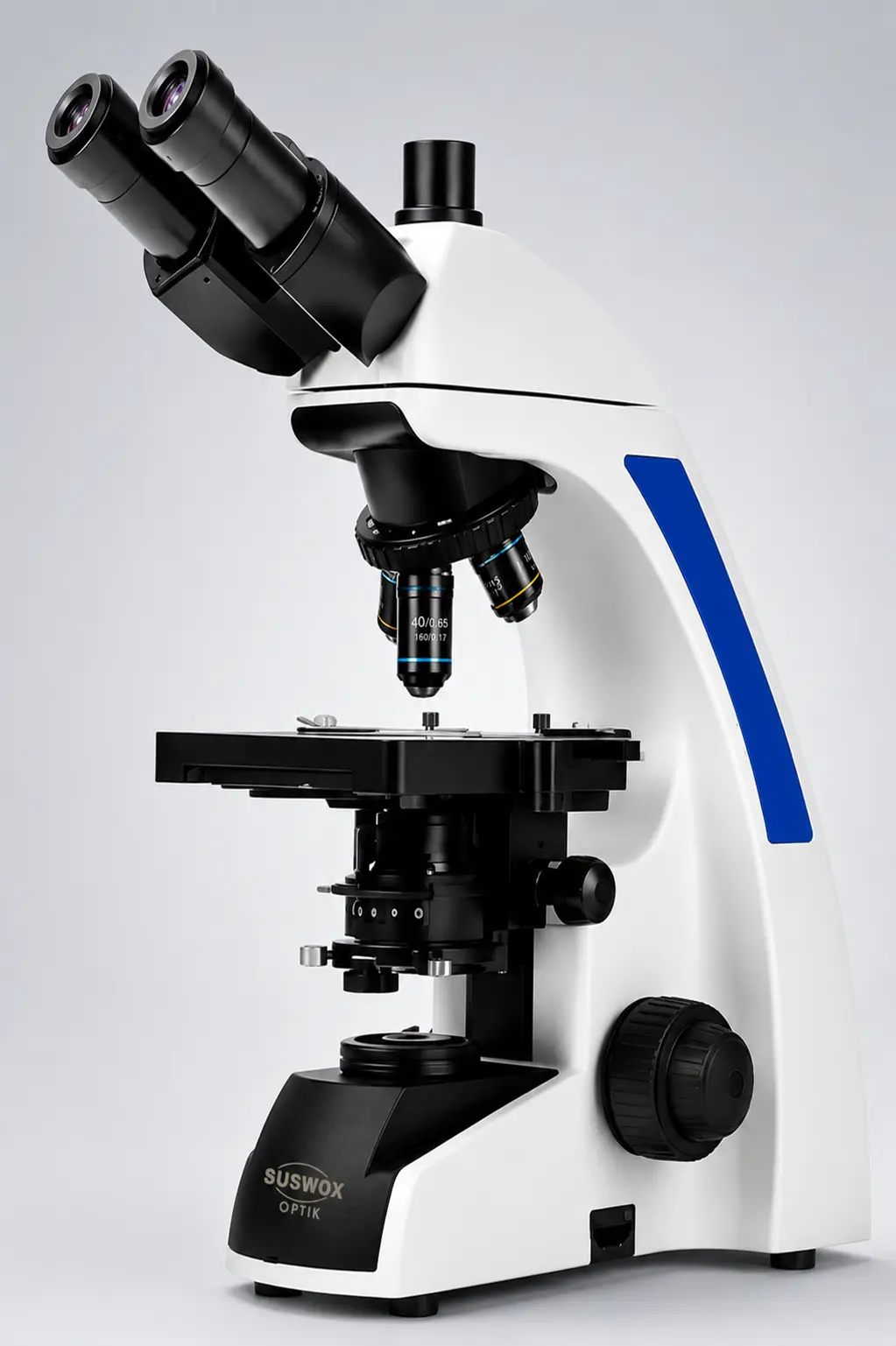
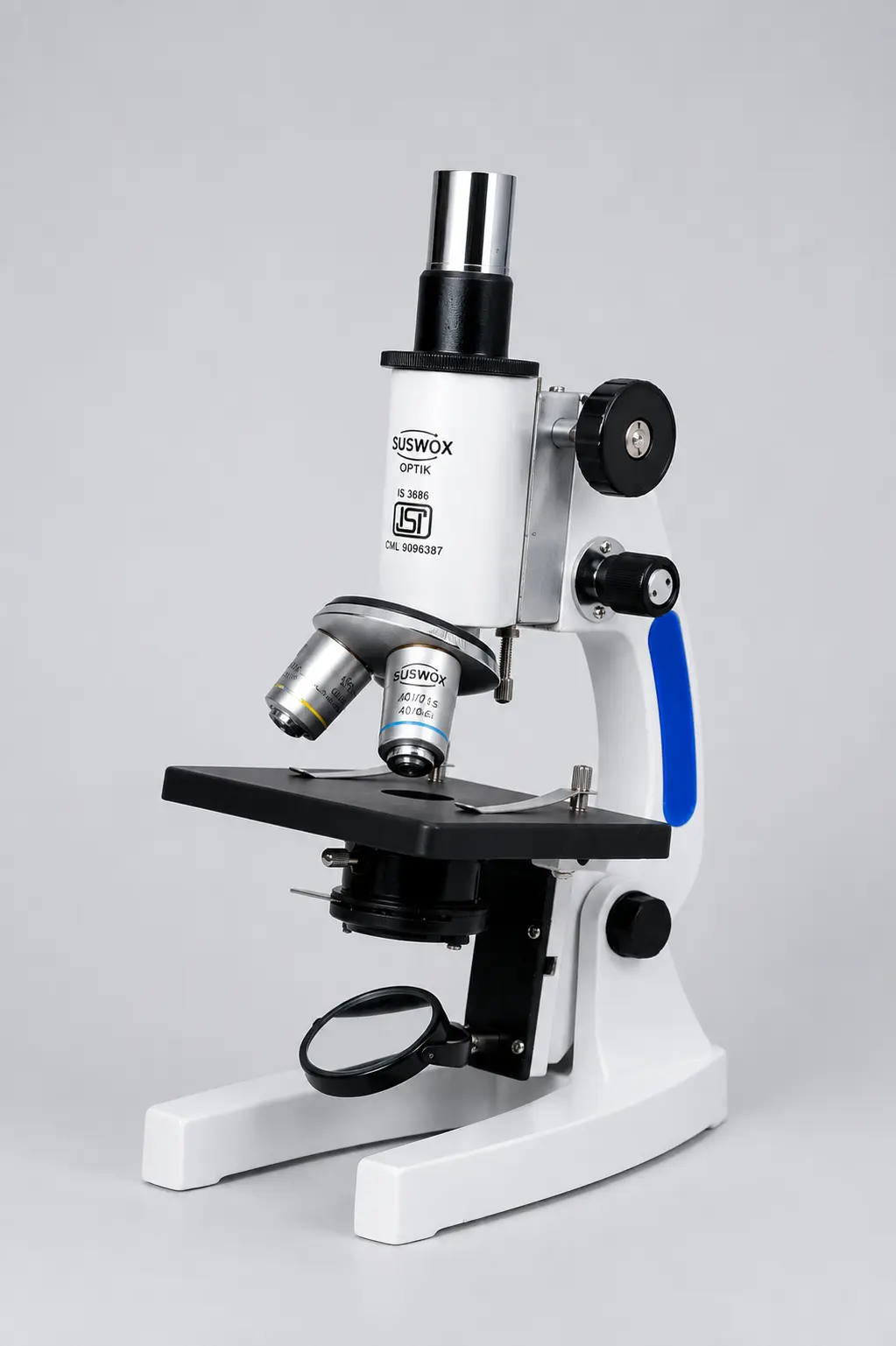
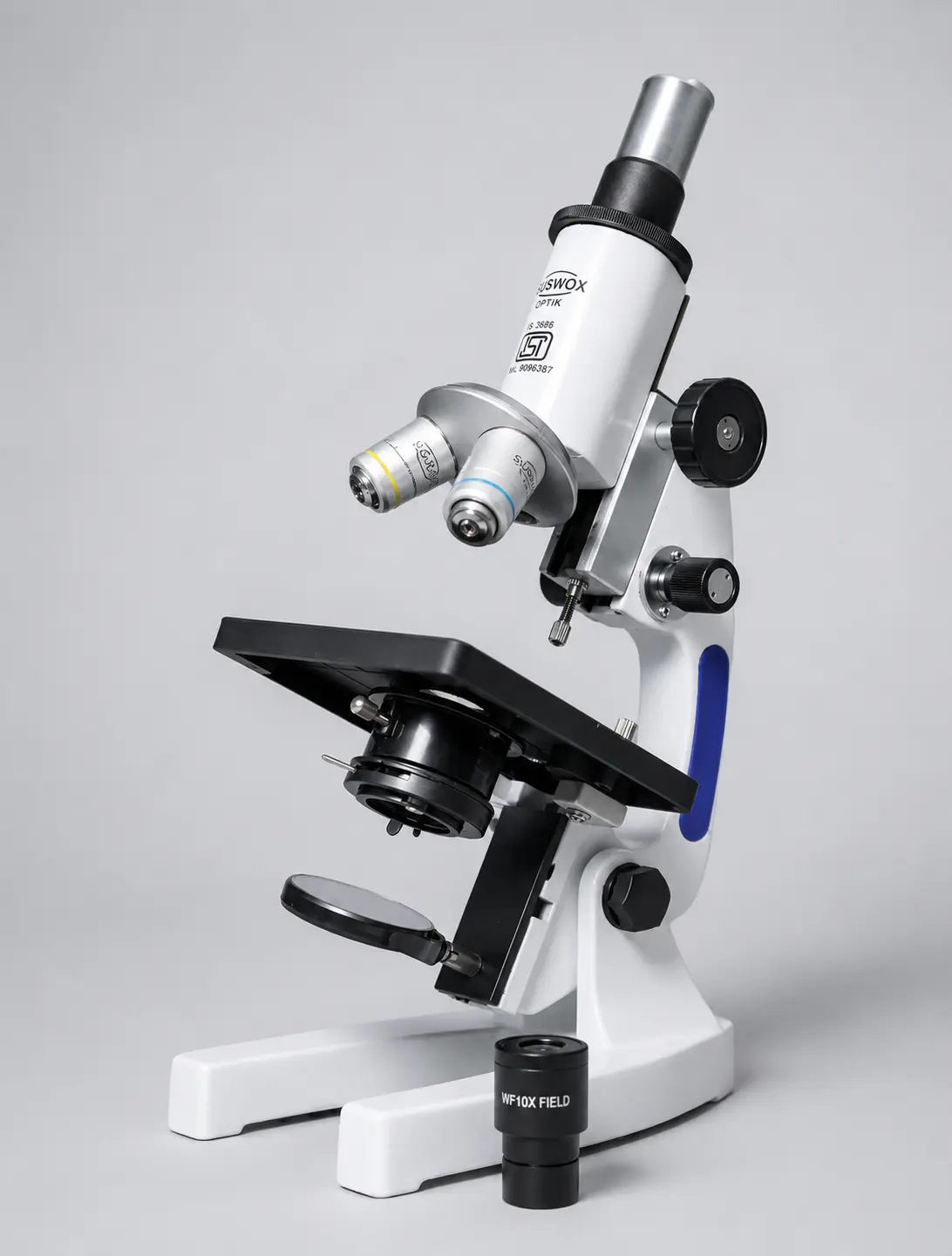
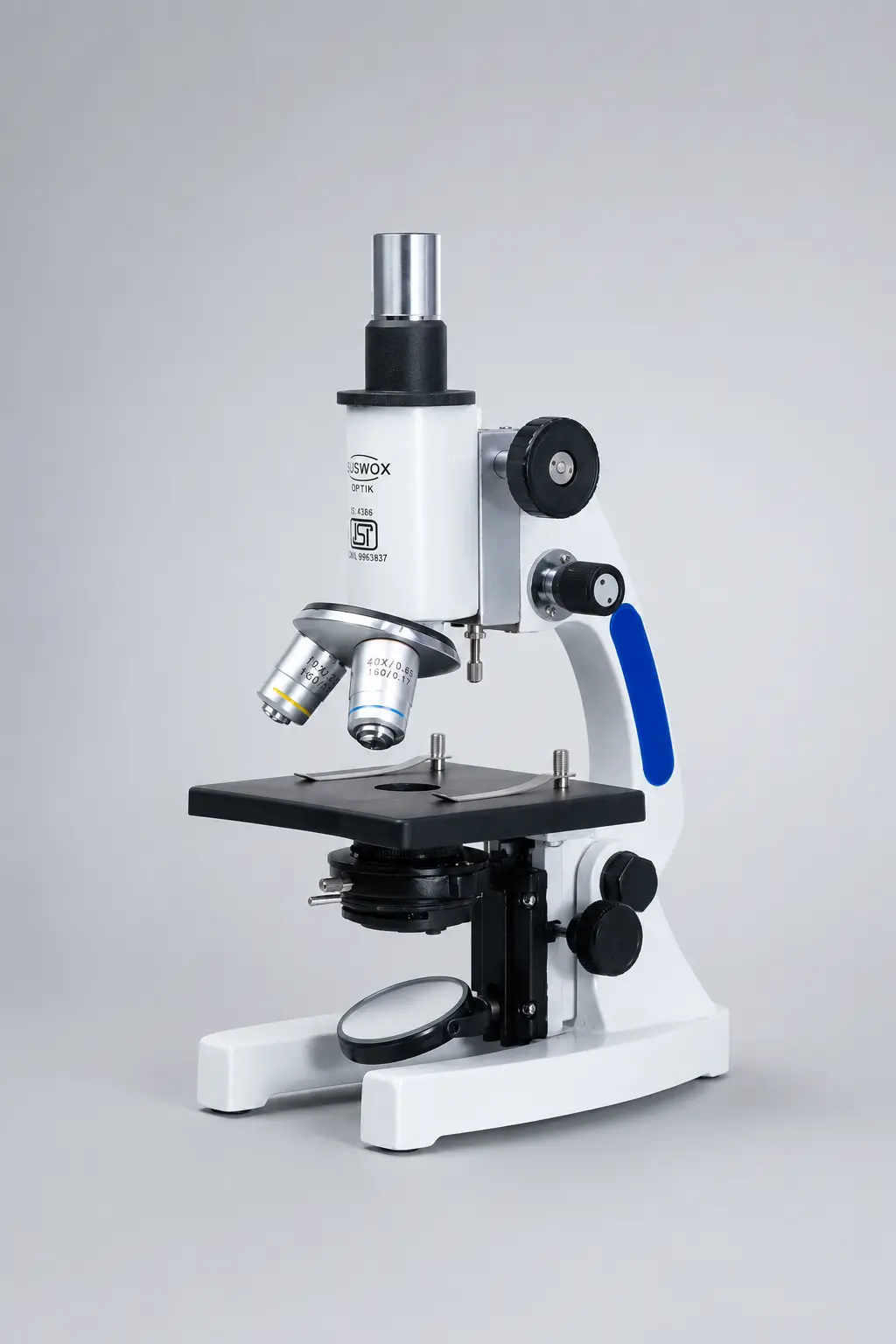
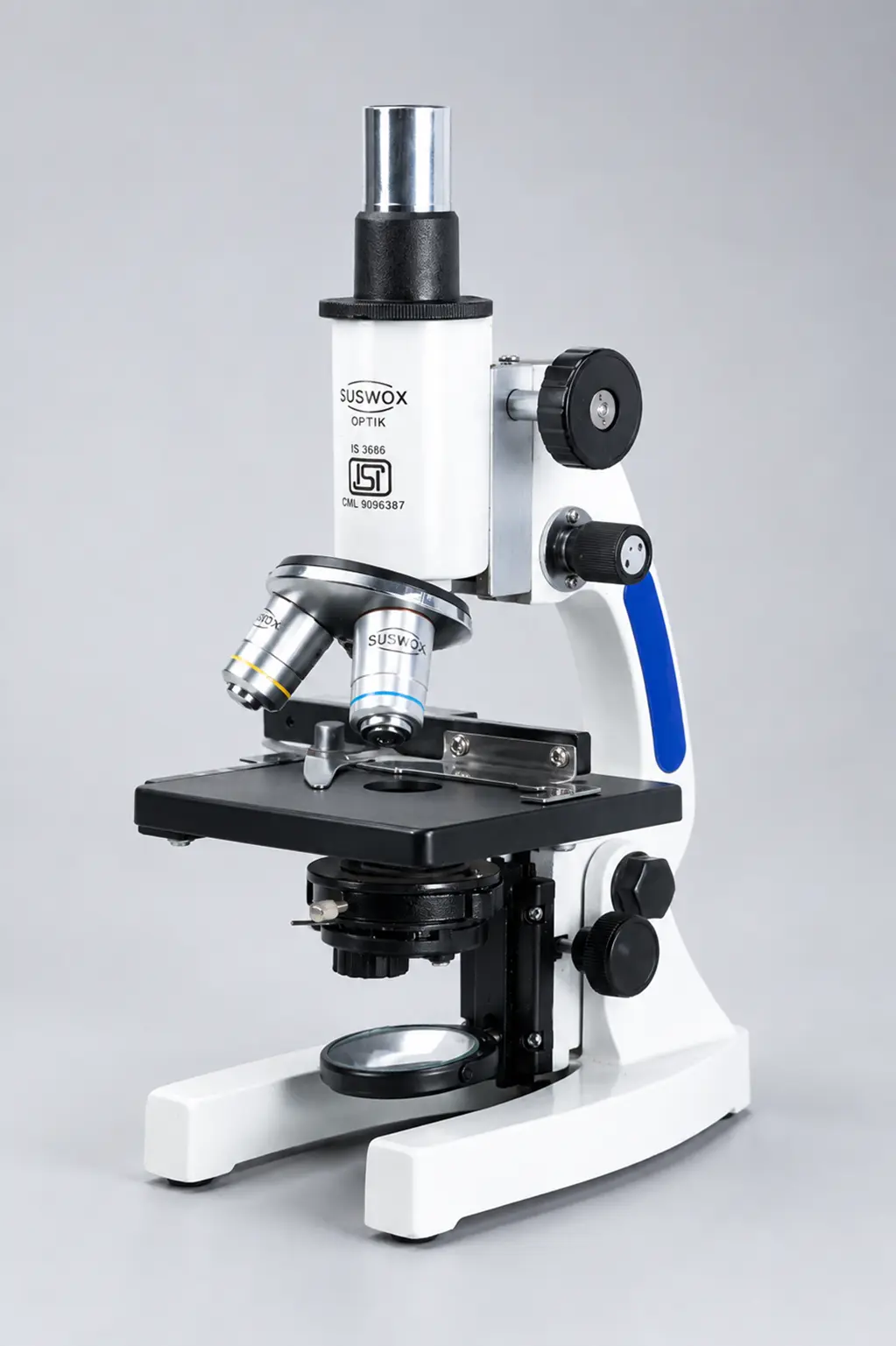
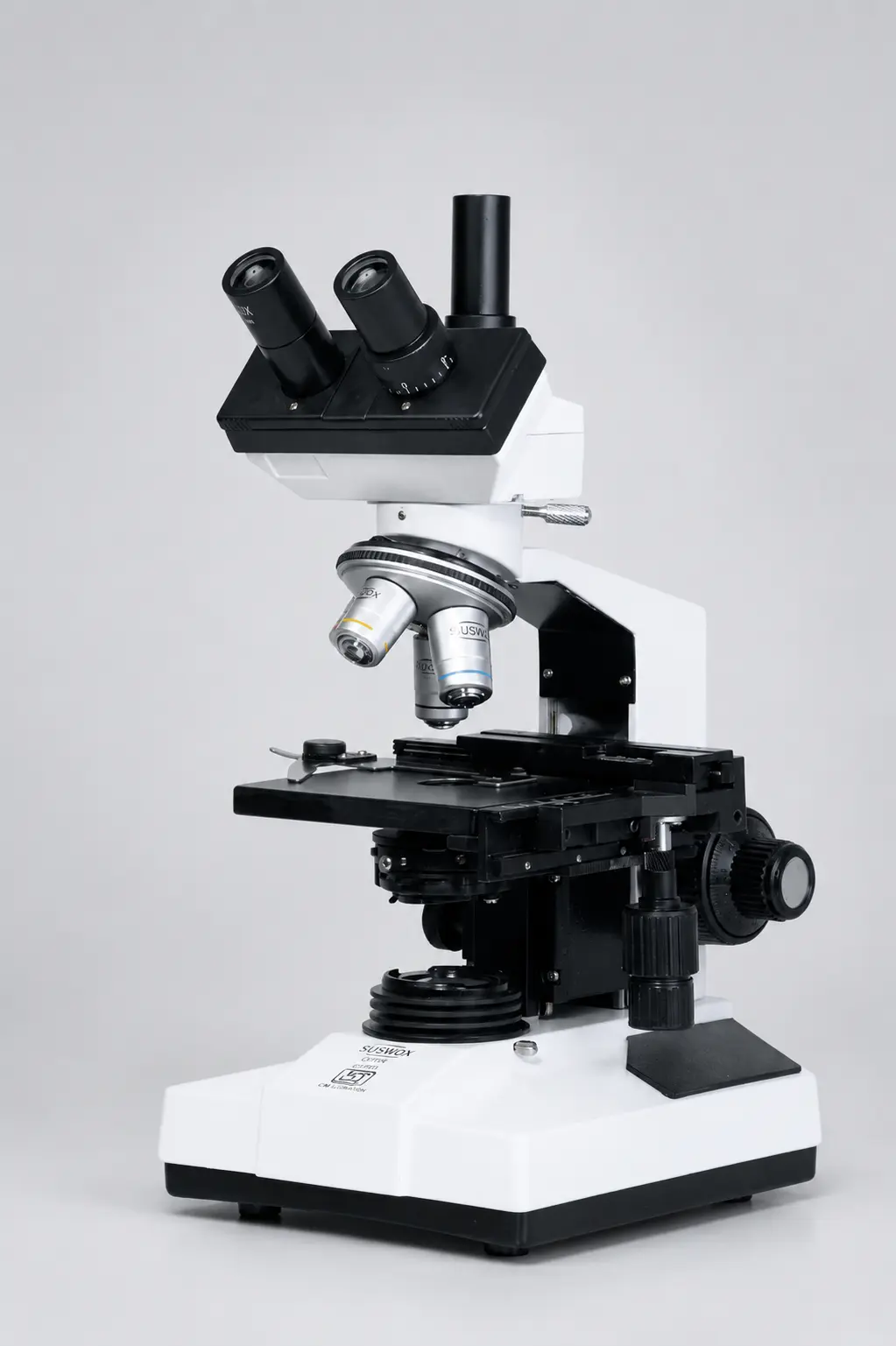
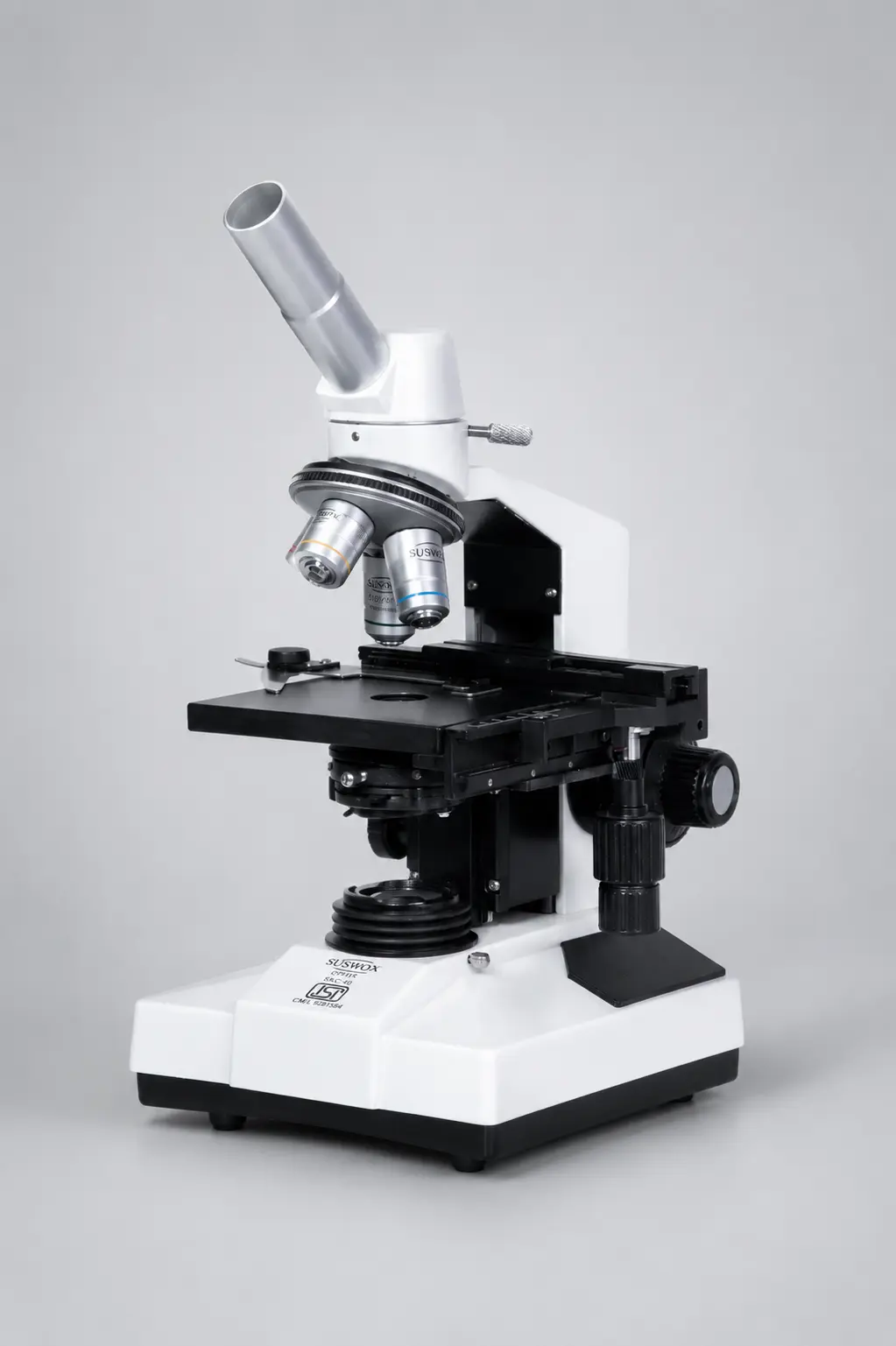
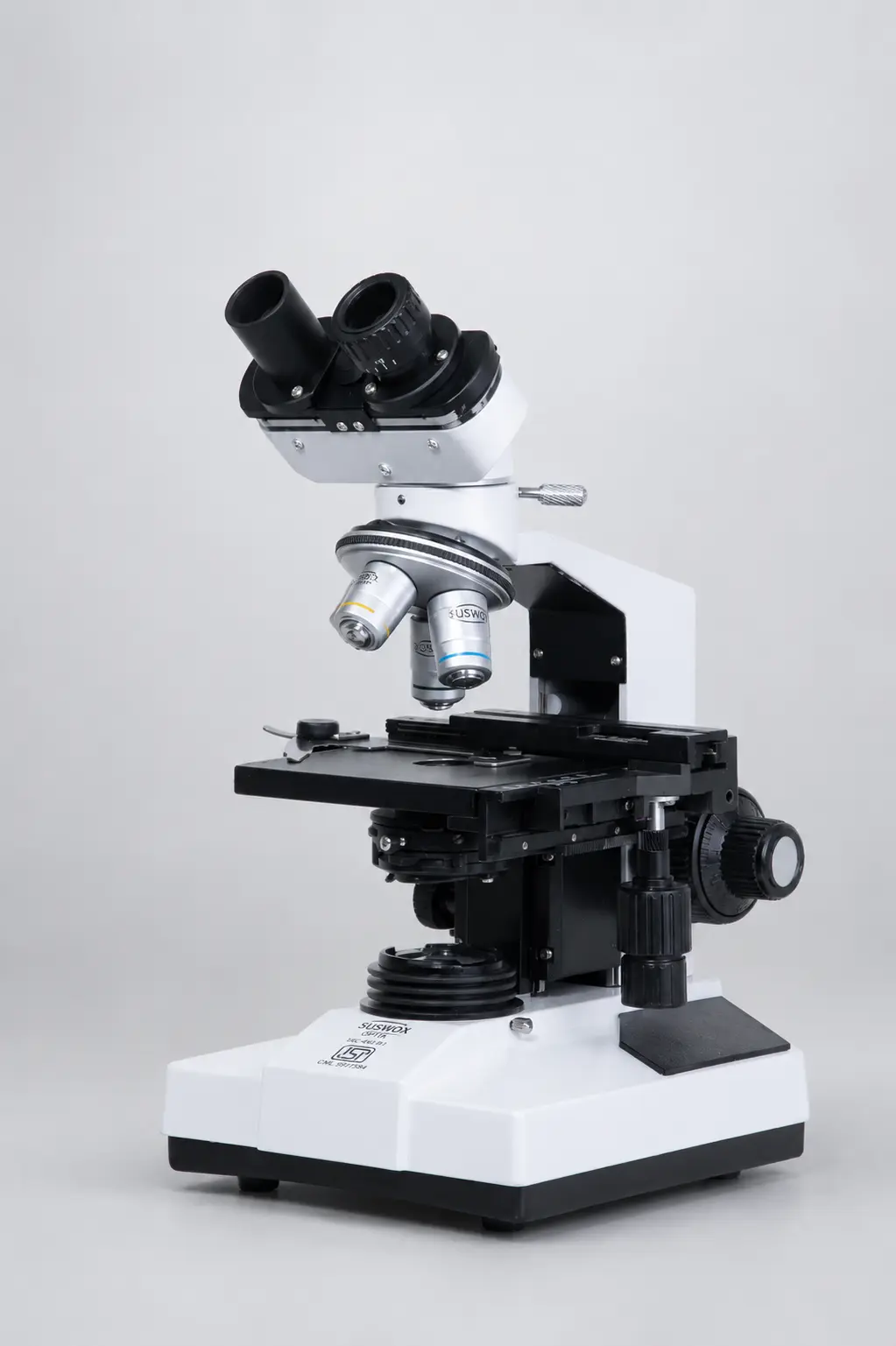
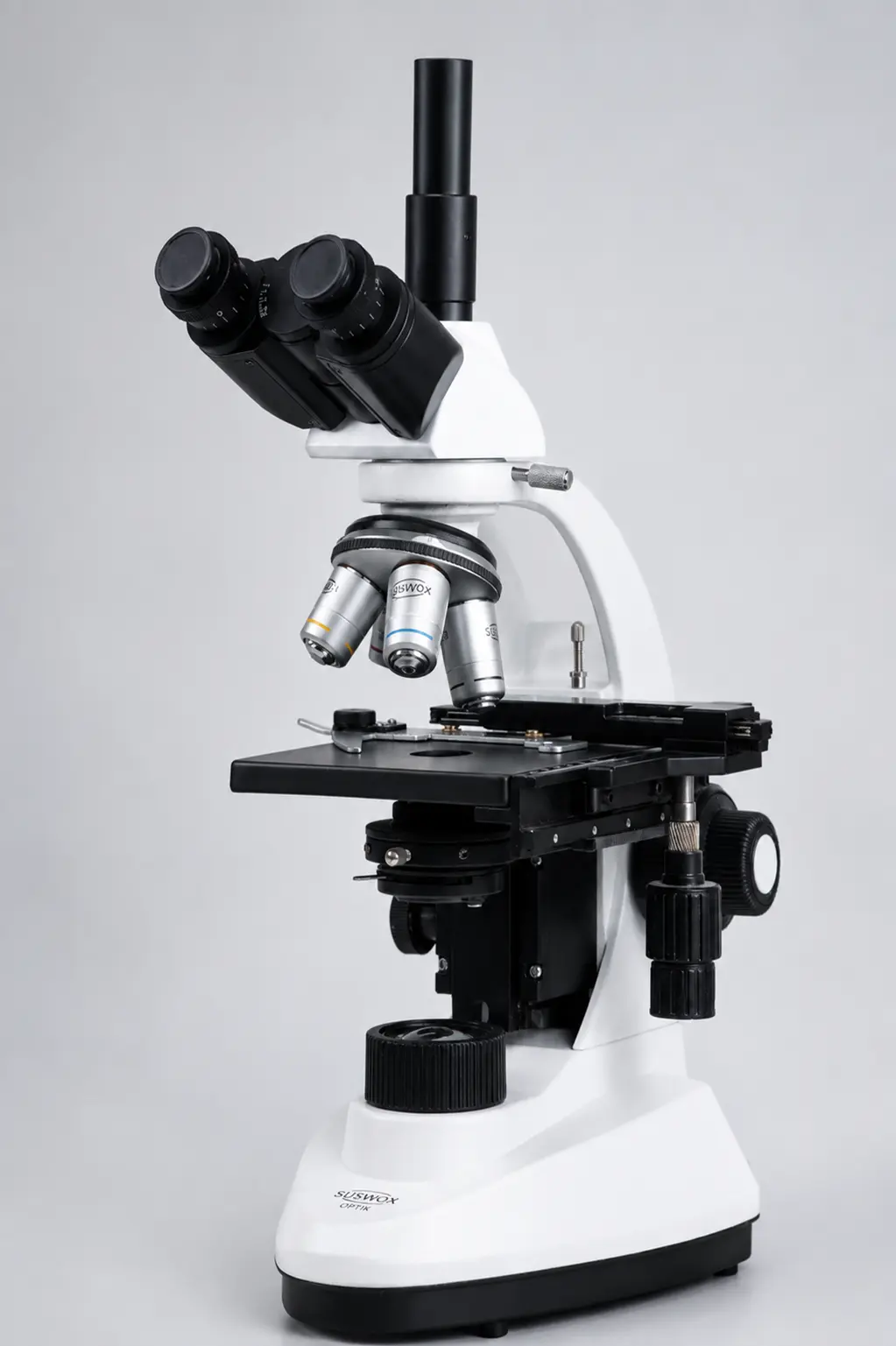
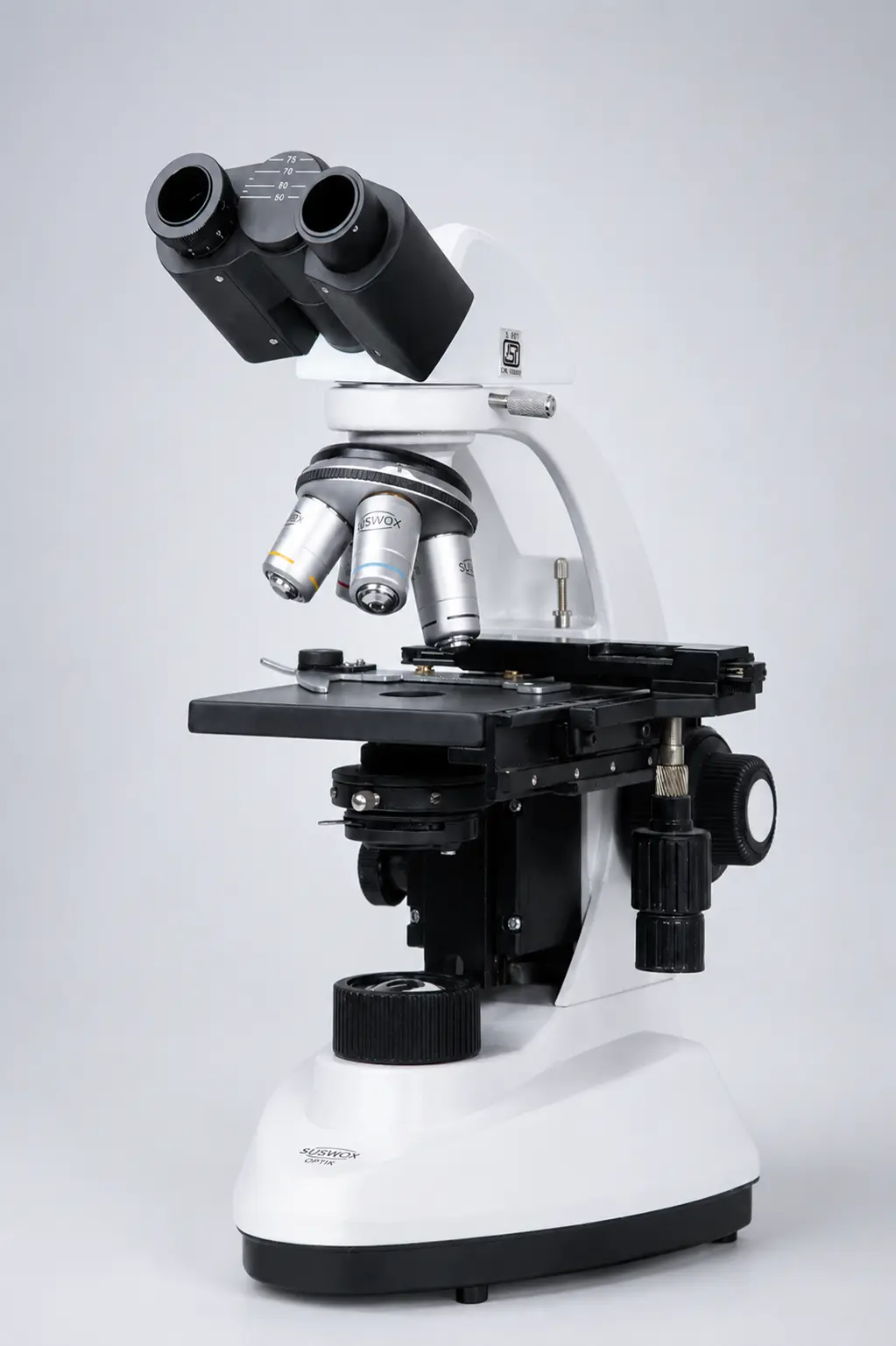
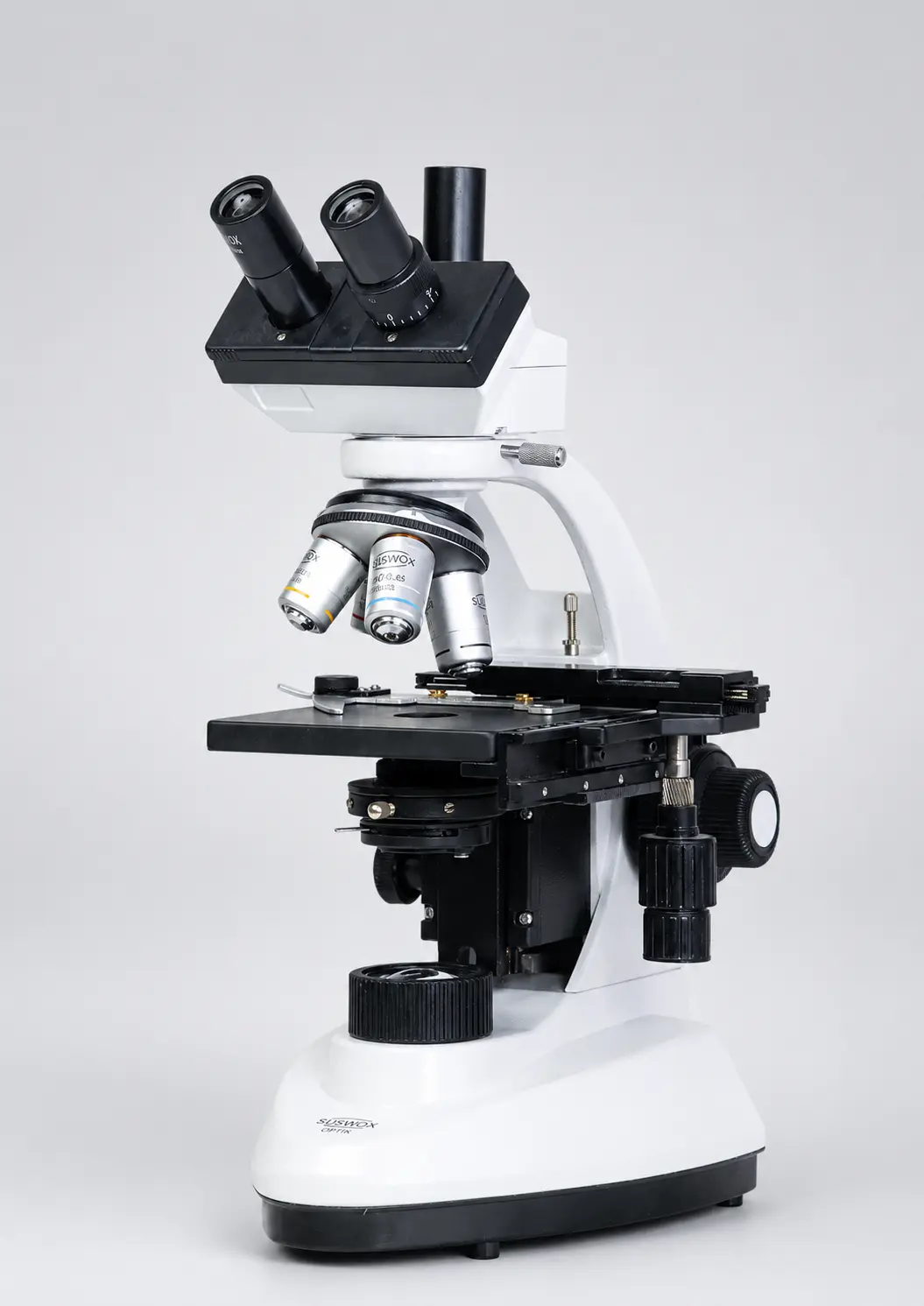
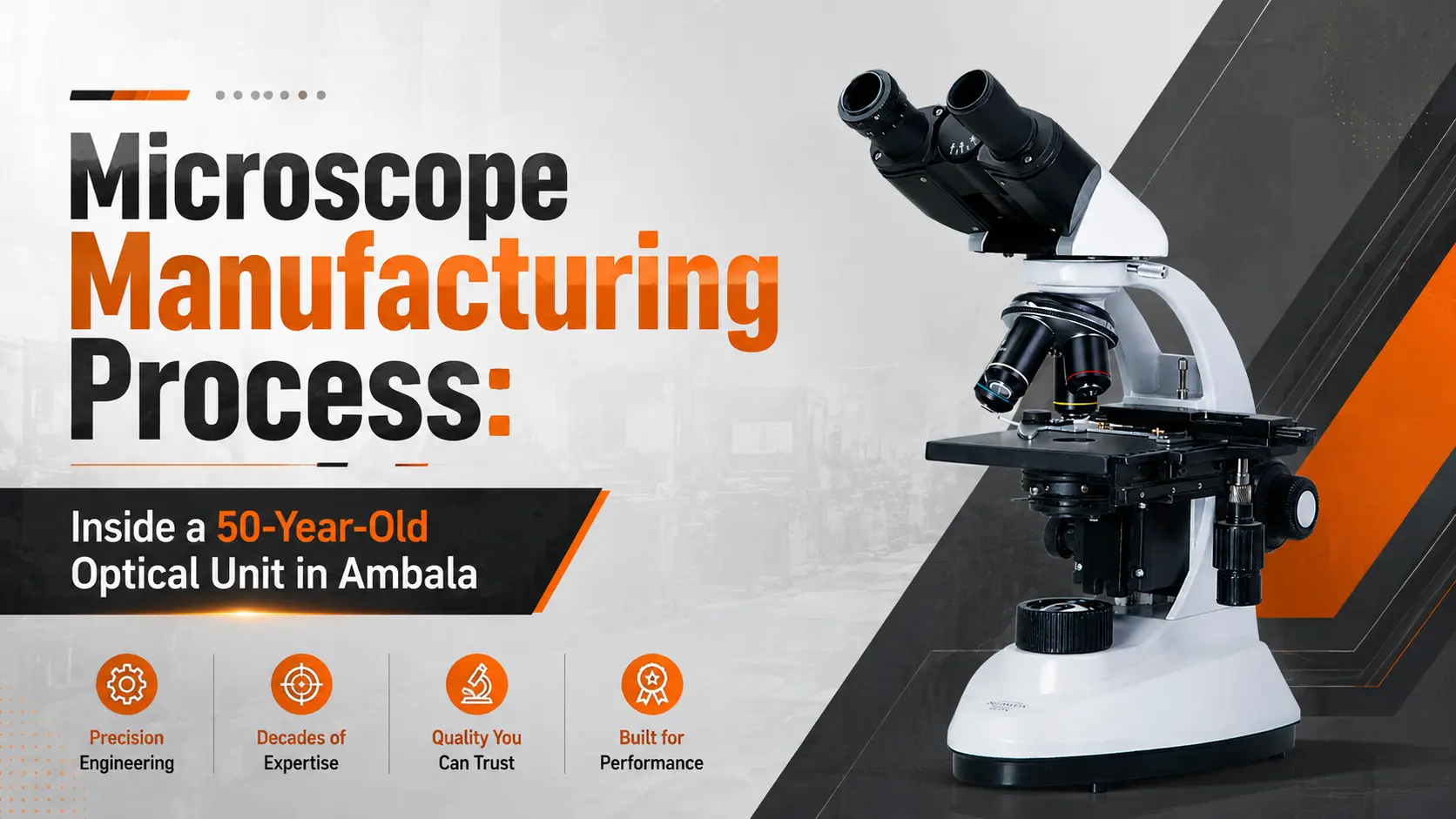
Sudheer Scientific Works, trading as SUSWOX, has been building microscopes in Ambala Cantt since 1973 – more than fifty years on a single craft. Ambala is often called India’s scientific instrument capital, and SUSWOX is one of the older continuously operating units in that cluster. You can see what that process actually looks like in our walkthrough of the microscope manufacturing process inside a 50-year-old optical unit in Ambala.
Its instruments are in use at AIIMS Nagpur, AIIMS Bathinda, AIIMS Bilaspur, BHU, MDU Rohtak, Kurukshetra University and the Haffkine Institute, alongside hundreds of pathology labs, schools and electronics workshops.
Product range with actual models
Student and educational microscopes
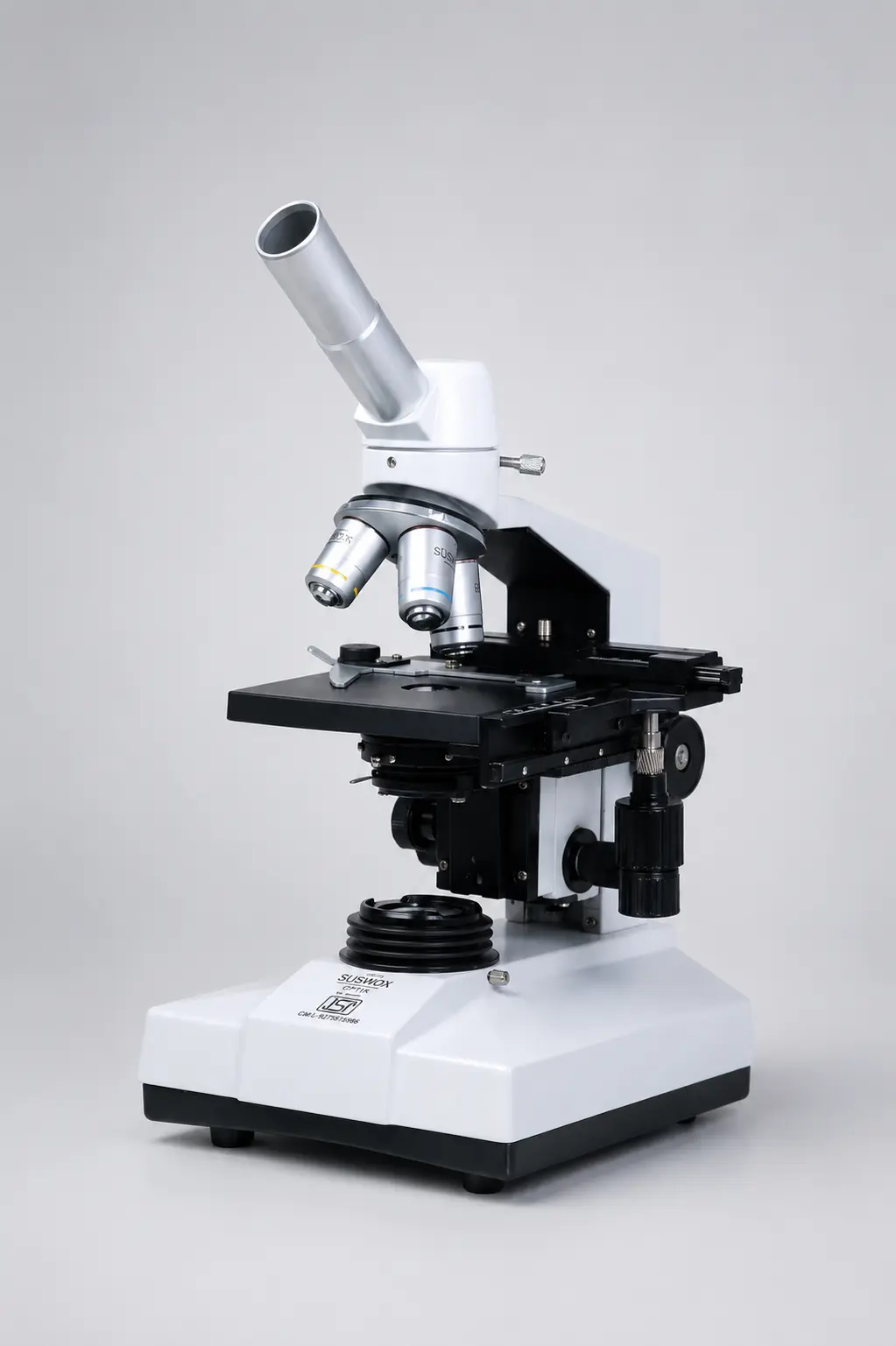
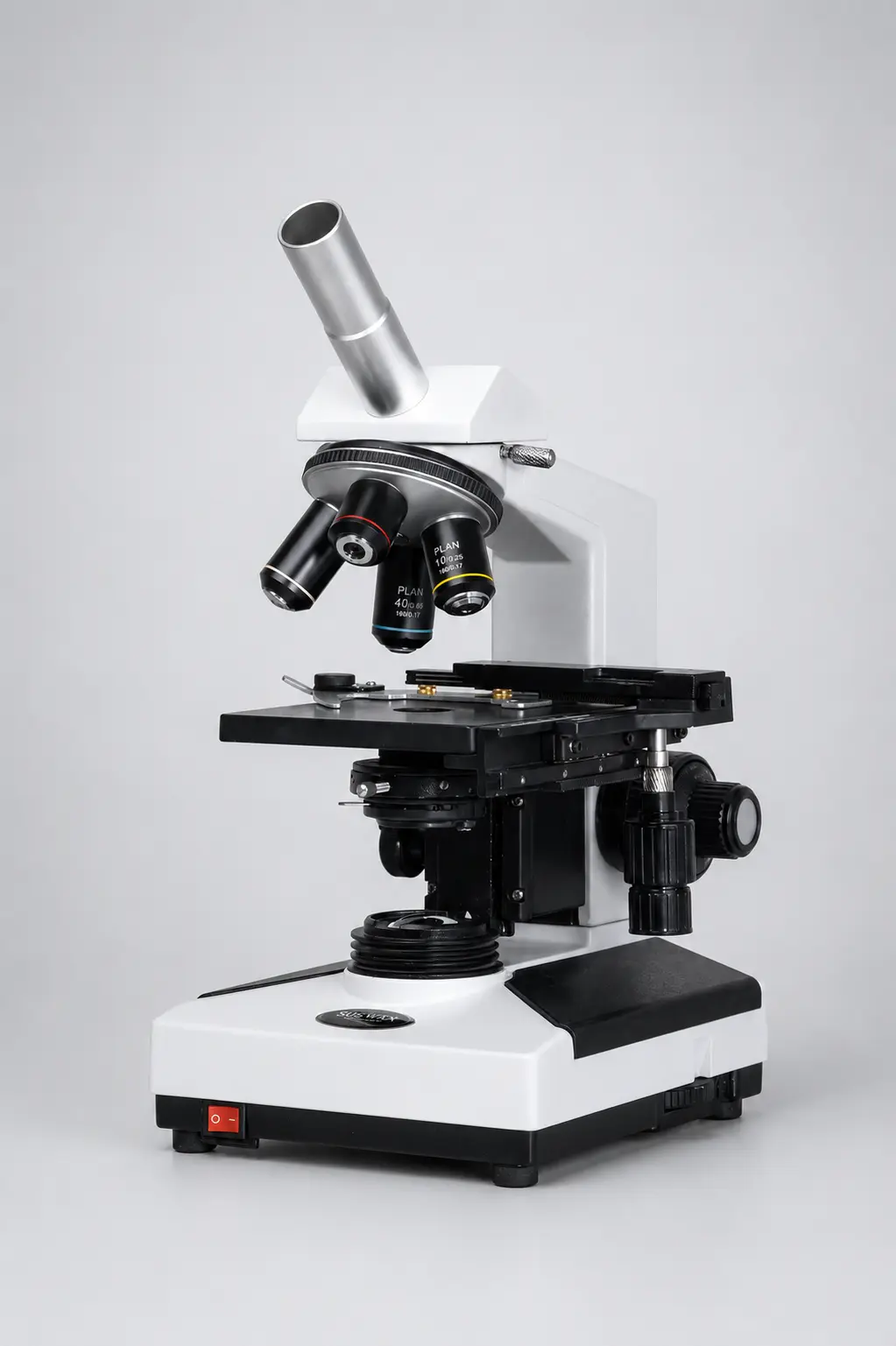
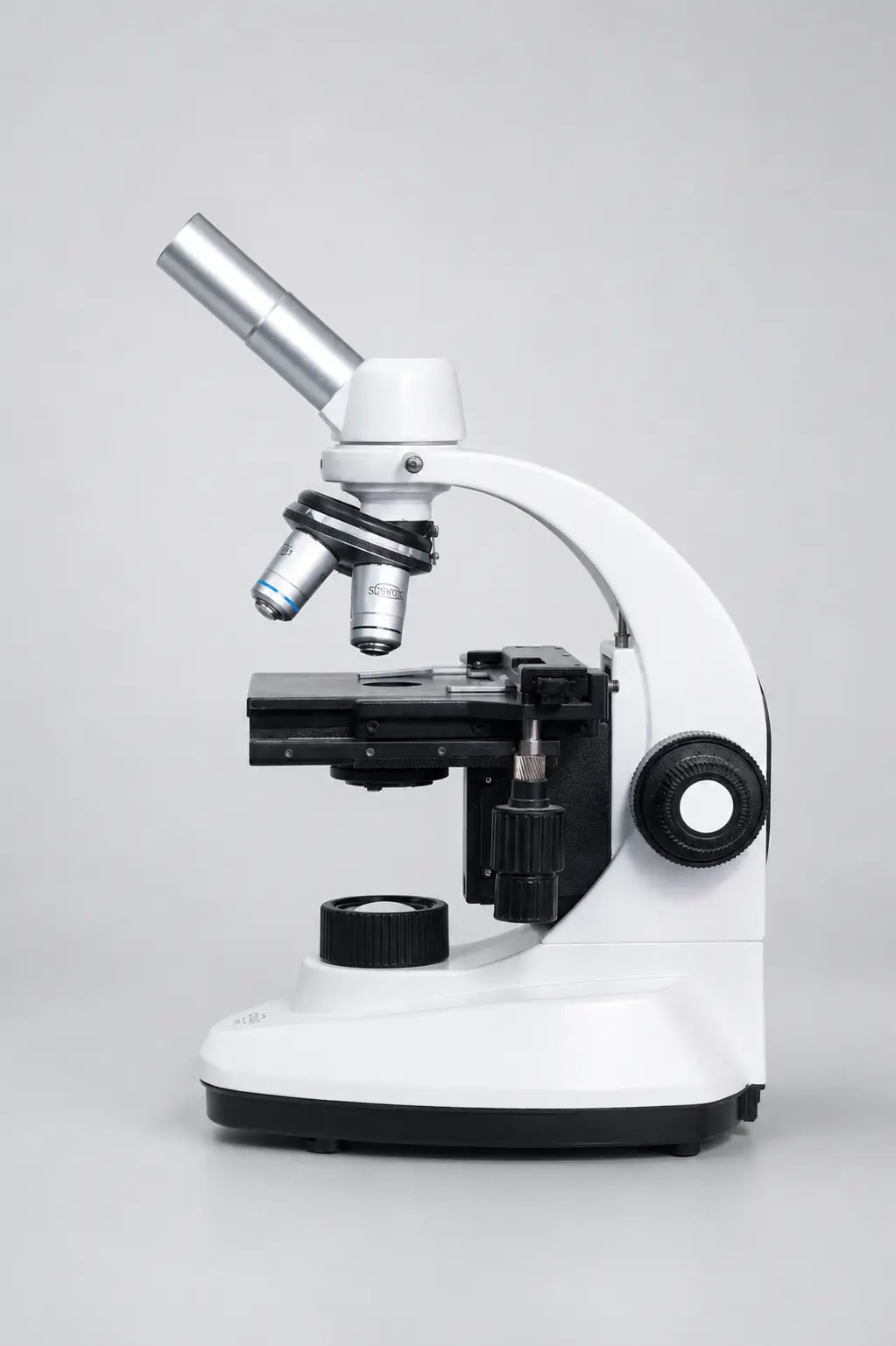
- SK-33 (monocular), SK-44, SK-66 and SK-555 – metal-bodied compound units built for daily classroom handling, with coaxial focusing and LED illumination
Laboratory and pathological microscopes
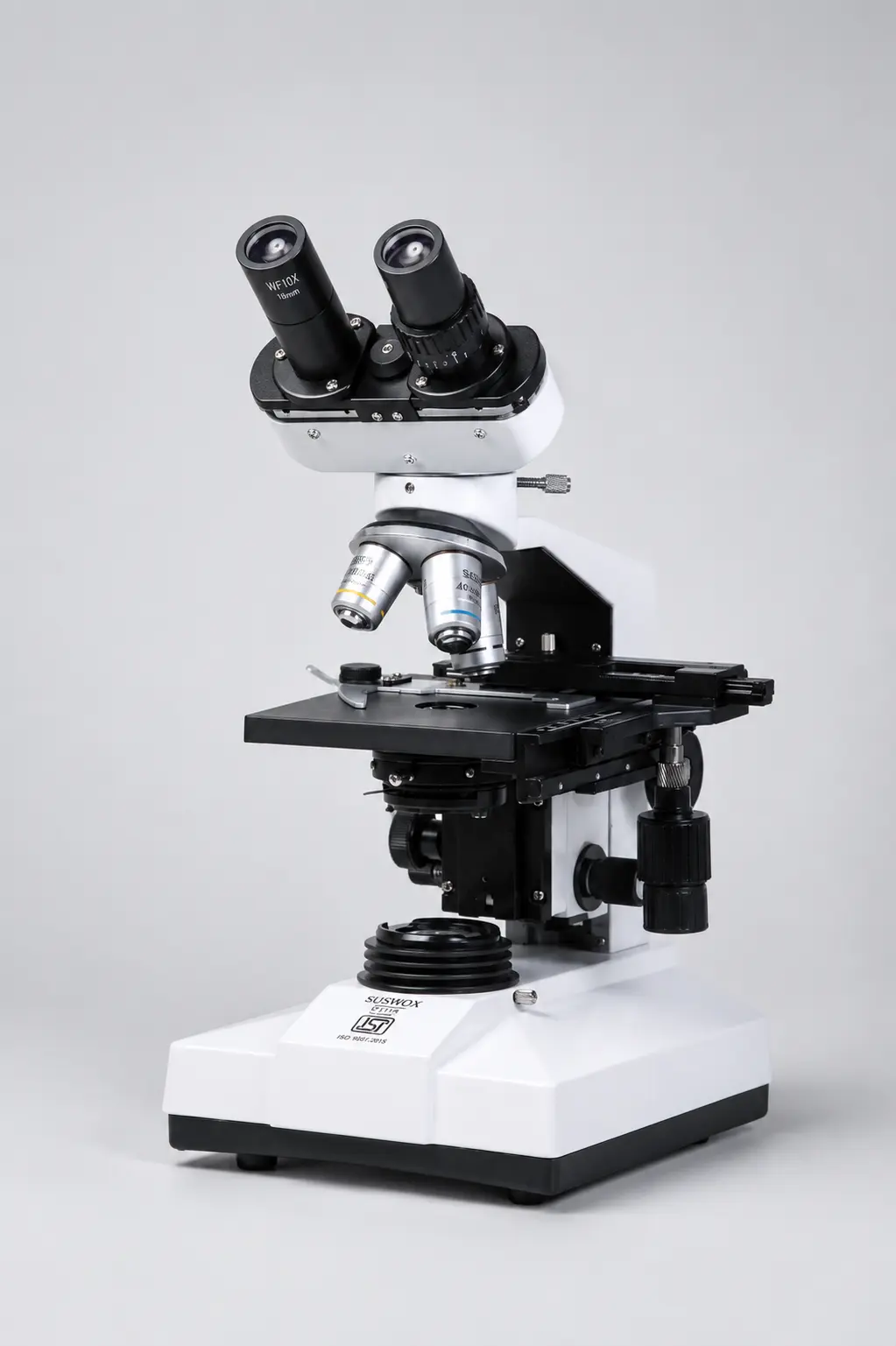
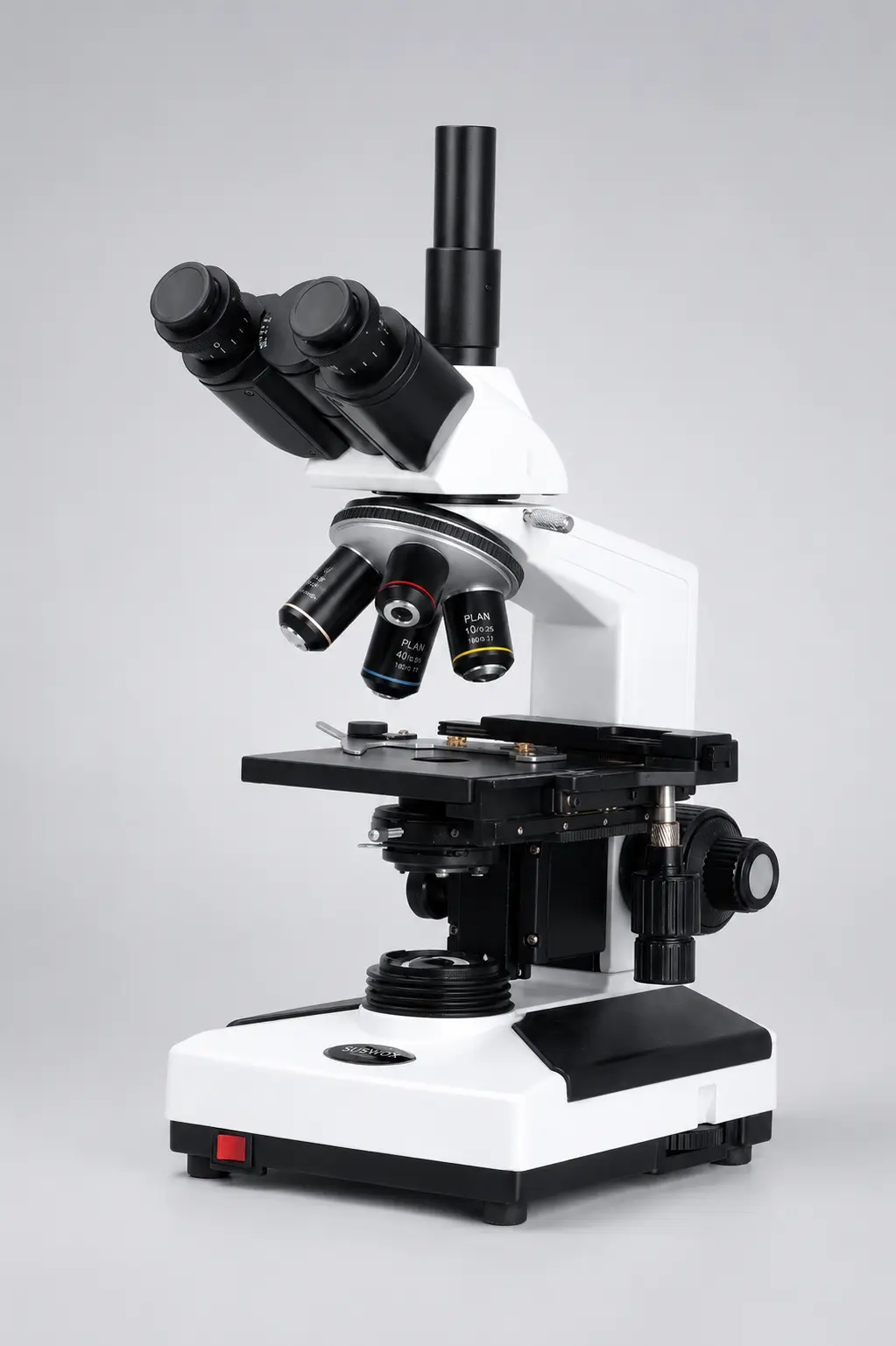
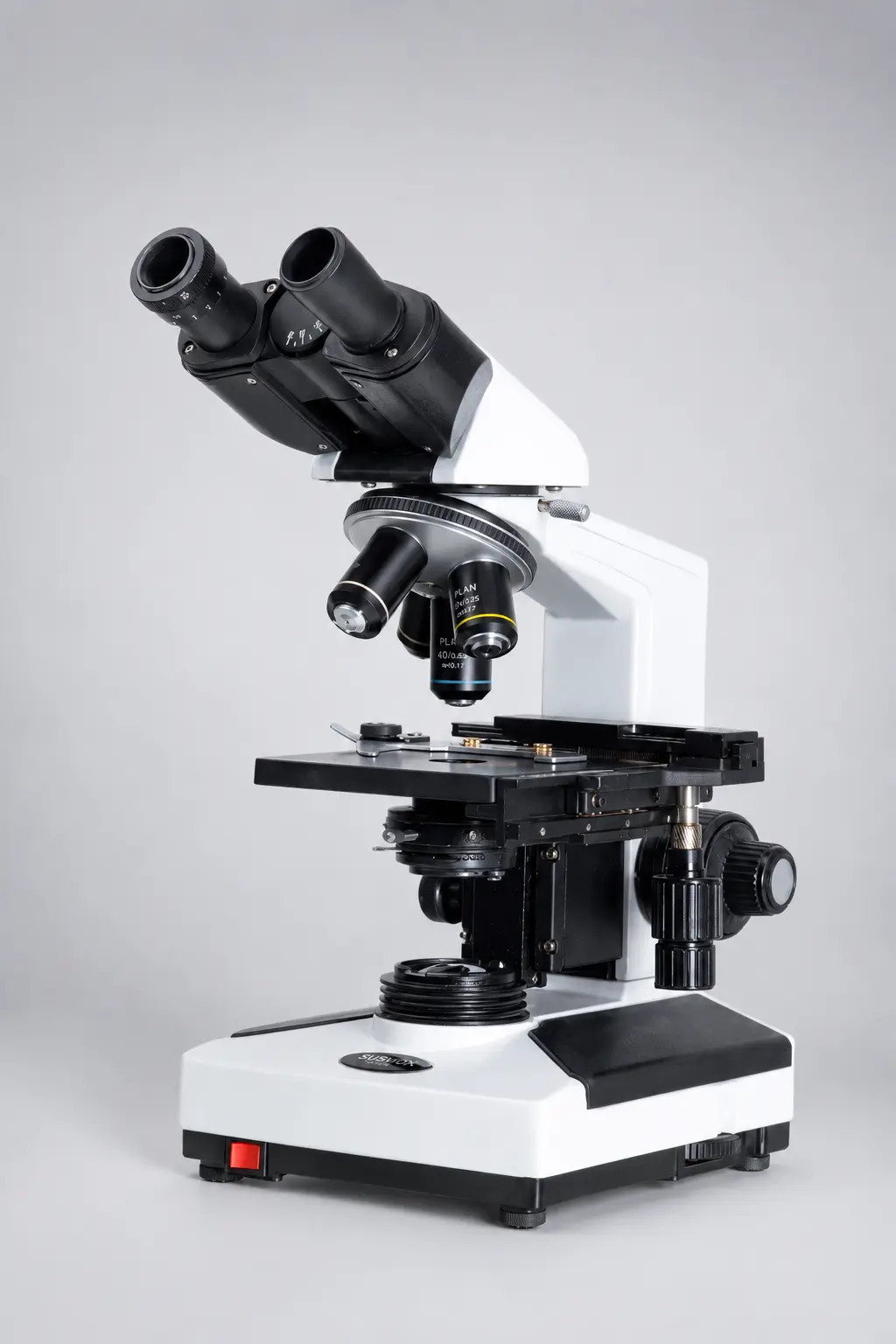
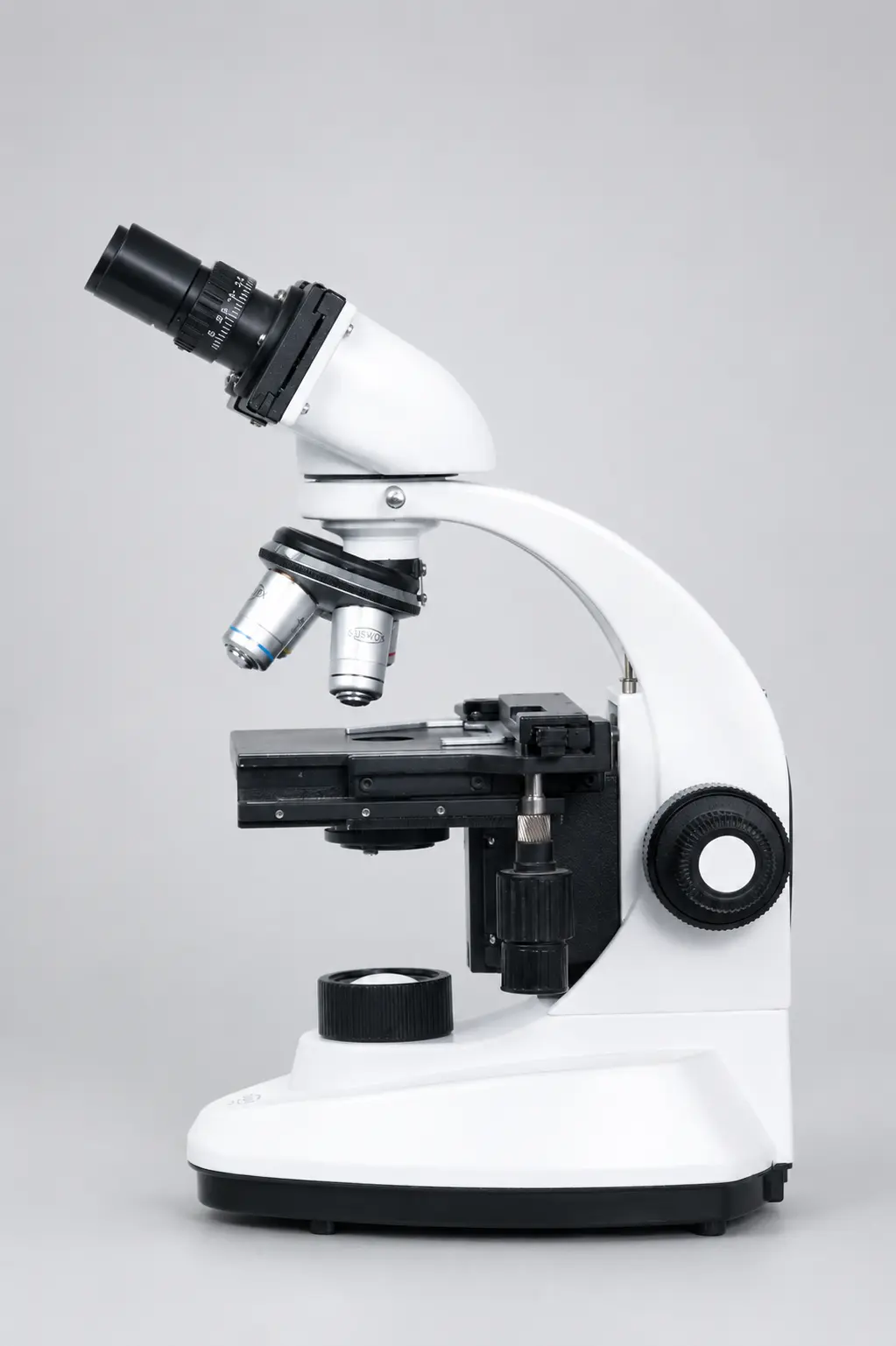
- SK-77 i (monocular) and SK-77 Bi (binocular) – routine pathology
- CXL-Li, CXL-Bi and CXL-Ti – coaxial laboratory series
Research and advanced microscopes
- SC-300 i, SC-300 Bi, SC-300 Ti, SC-300 R and SC-300 TR – advanced biological series
- SKC-200, SKC-400 R, SKC-400 TR, SKC-440 Bi and SKC-440 Ti – plan-optics research range
- SKC APEX Bi and APEX TR – infinity-corrected research microscopes
- SKC Supreme Bi and Supreme-T – premium infinity-corrected biological units
- GZX-8 Bi, GZX-8 T and GZX-12 – parallel-optics APO zoom
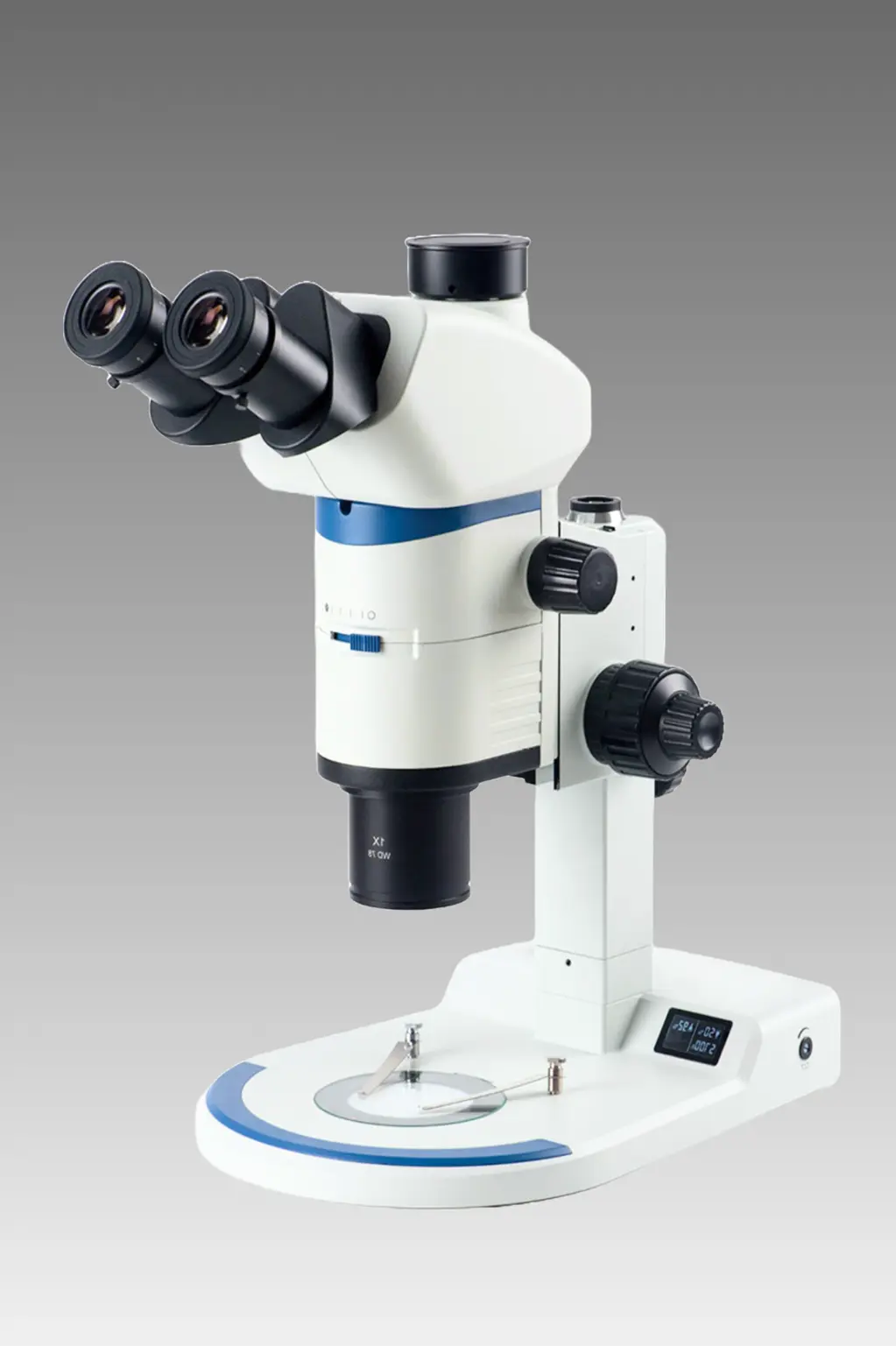
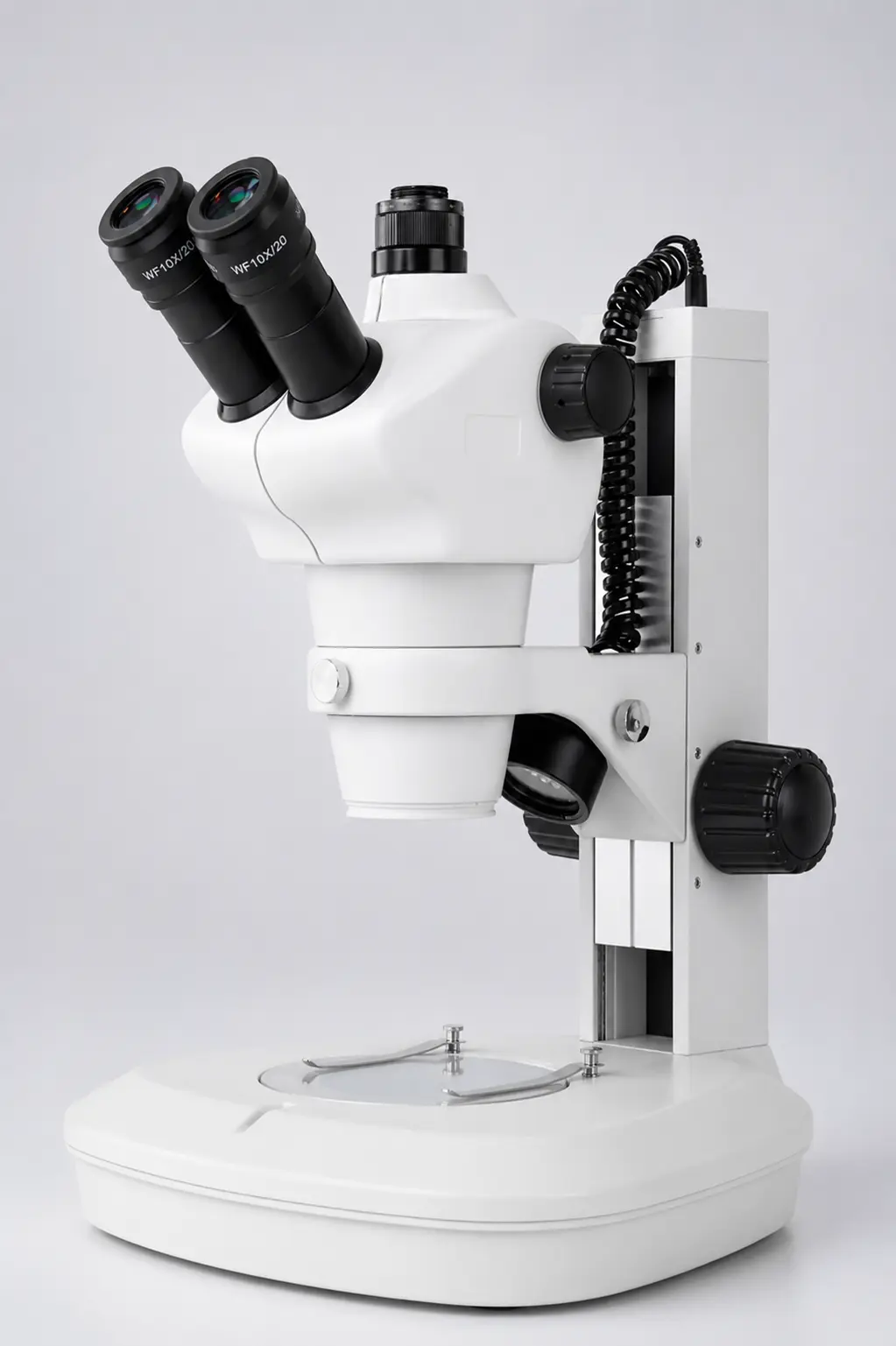
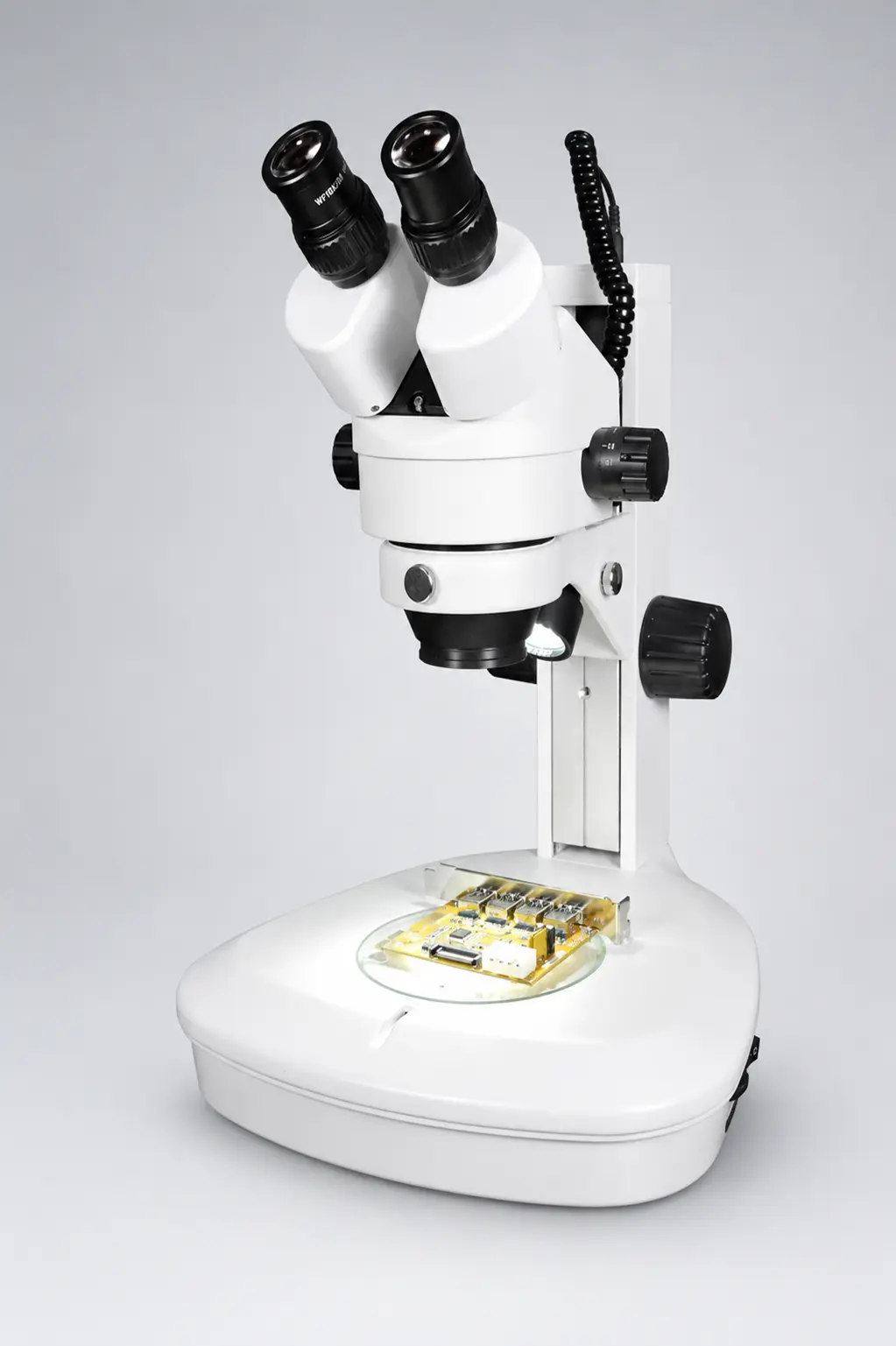
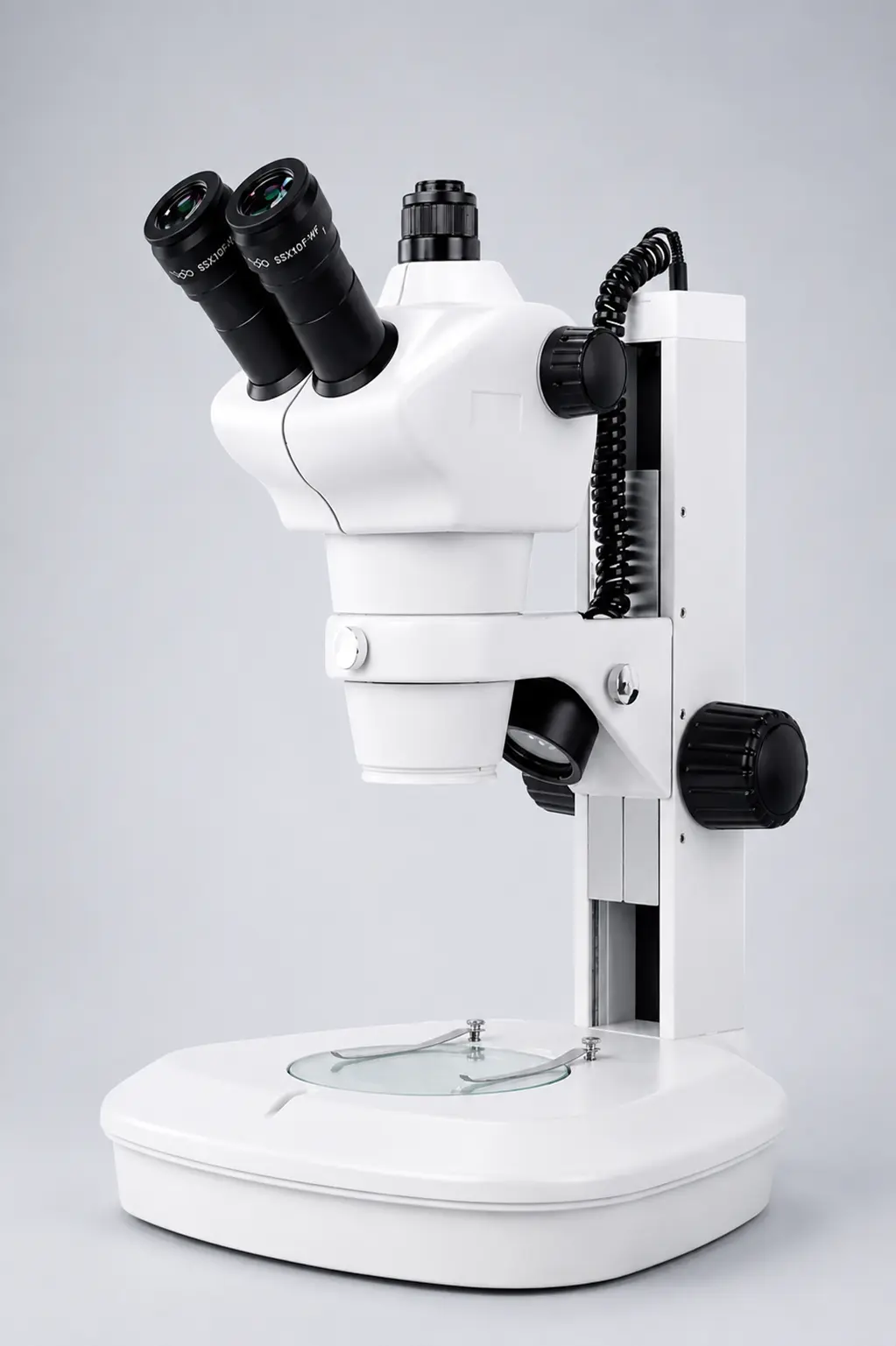
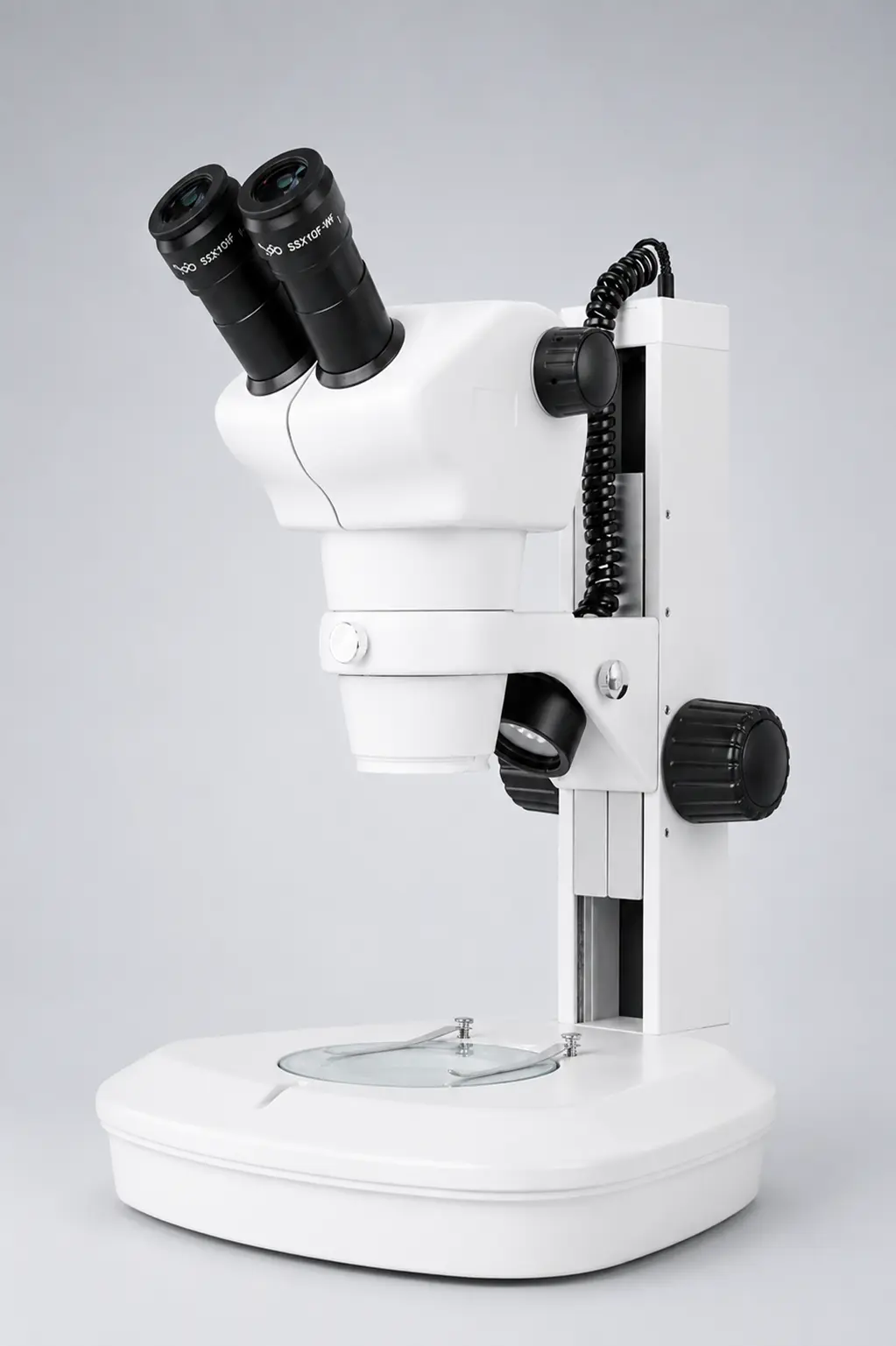
- STZ-Bi, STZ-Ti, SPZ-Bi and SPZ-Ti – professional stereo zoom for dissection, PCB rework and inspection. If you are deciding between formats, see stereo microscope vs compound microscope.
Inverted and metallurgical
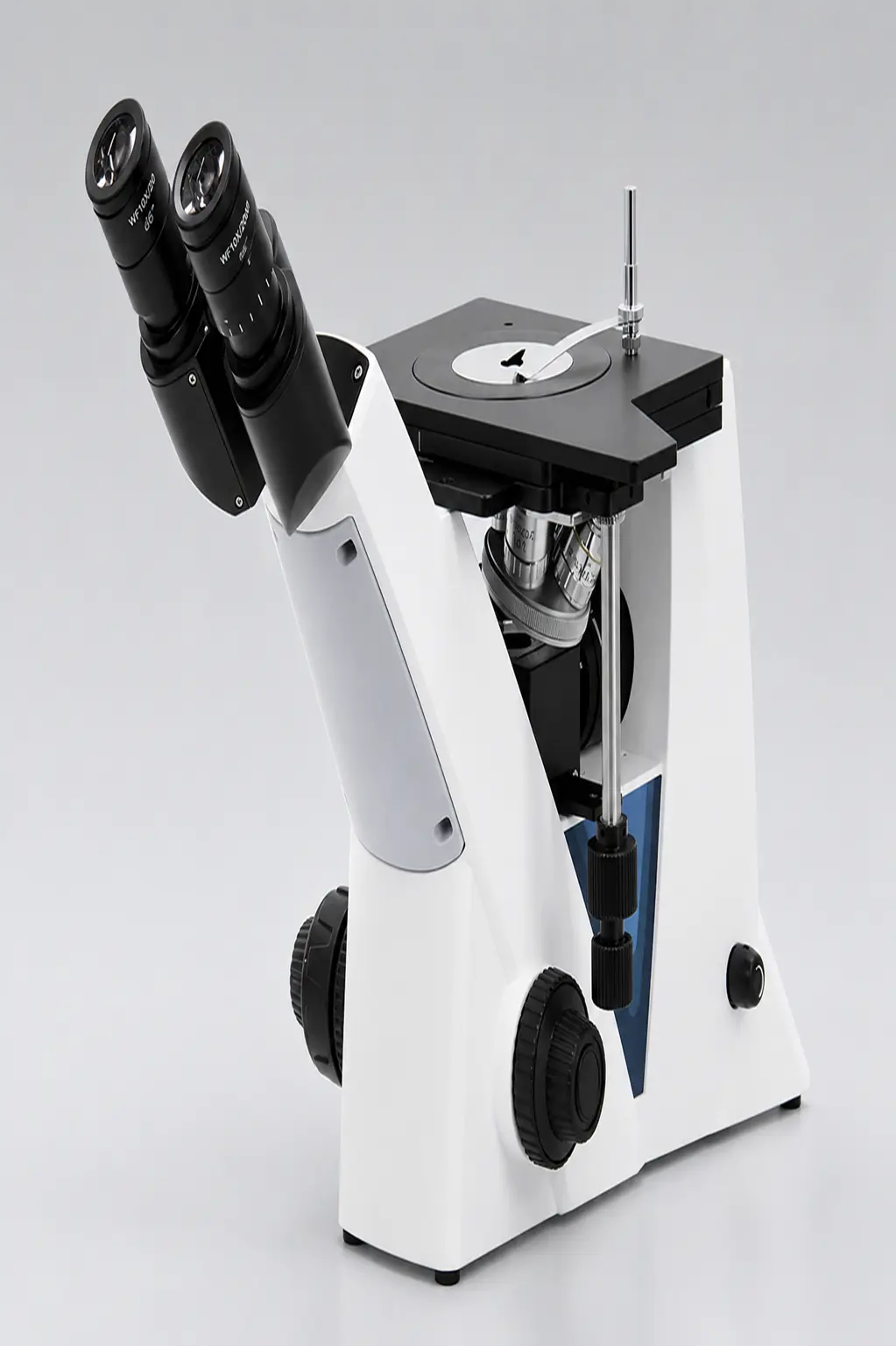
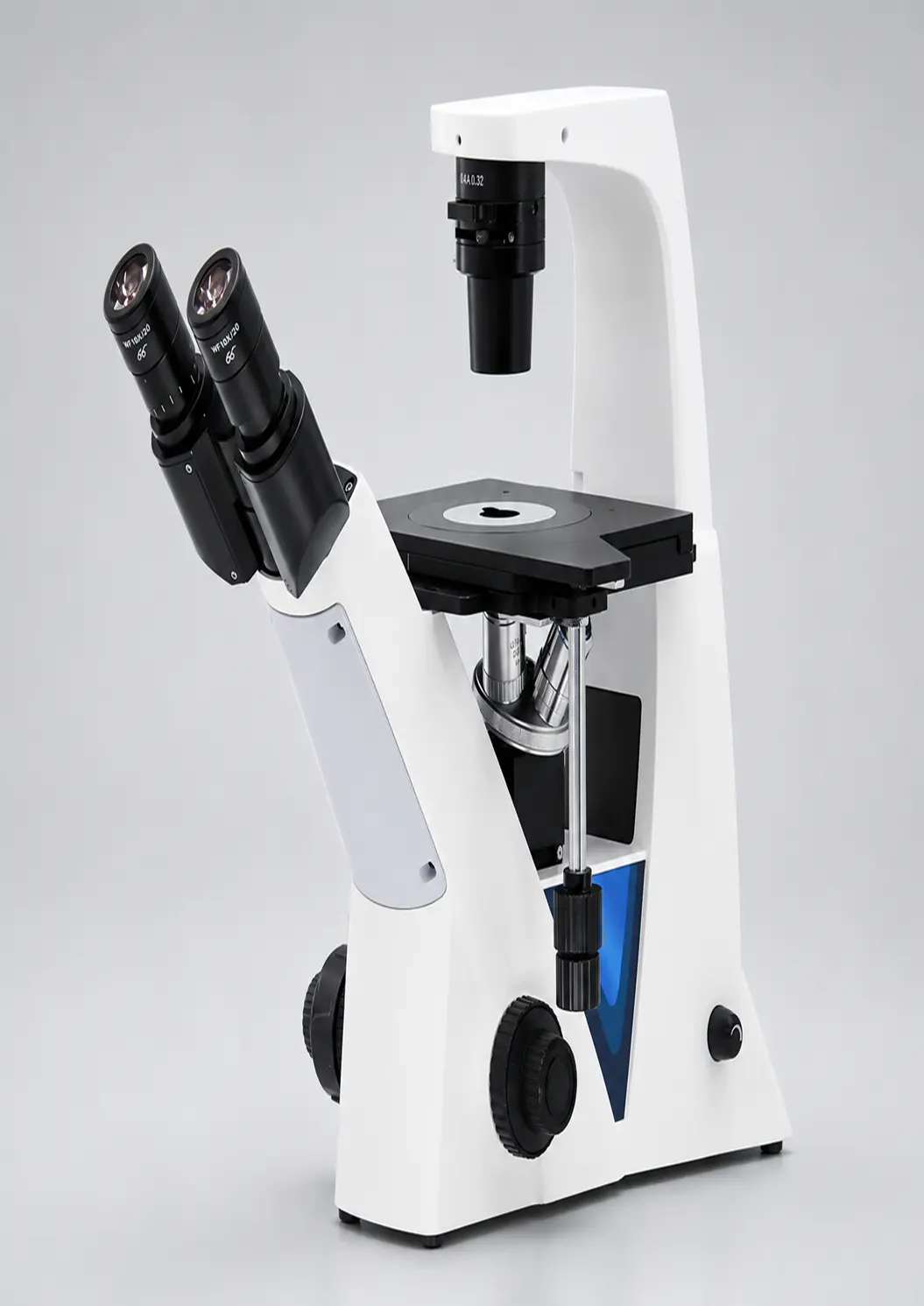
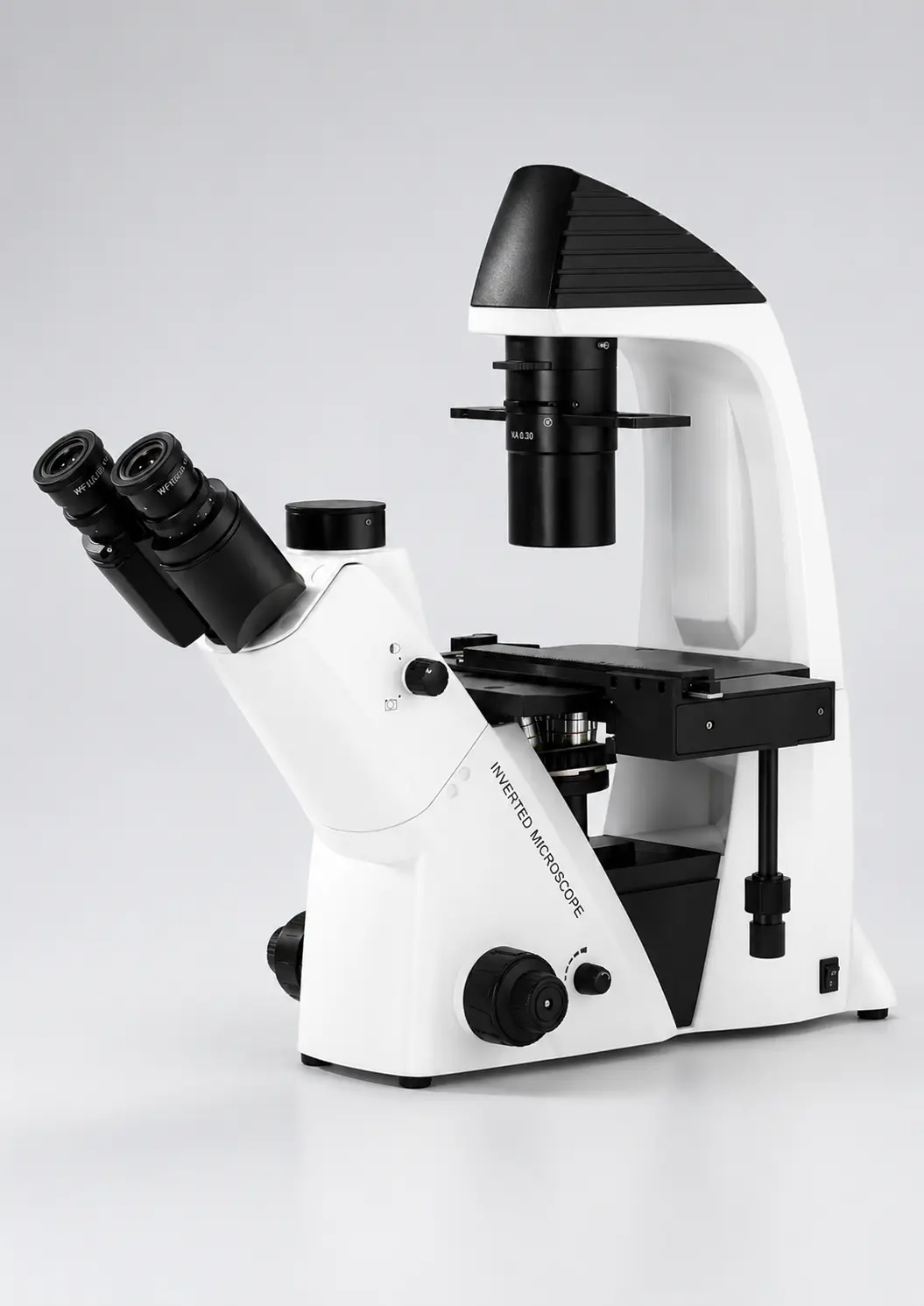
- IMX-500 Bi and IMX-Ti – inverted biological microscopes, suited to live-cell and tissue-culture work
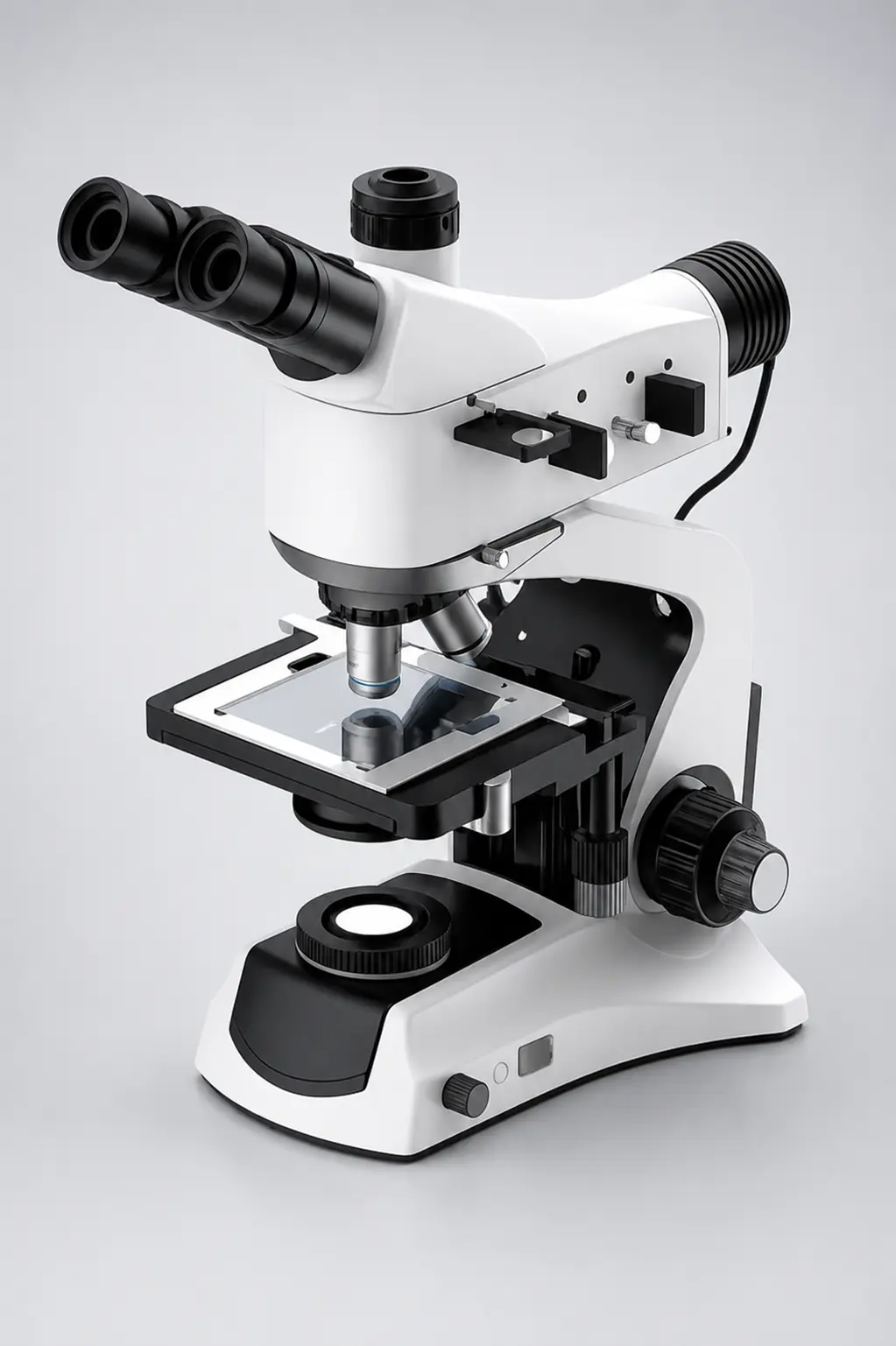
- MET Series (upright) and IMET Series (inverted) – metallurgical inspection
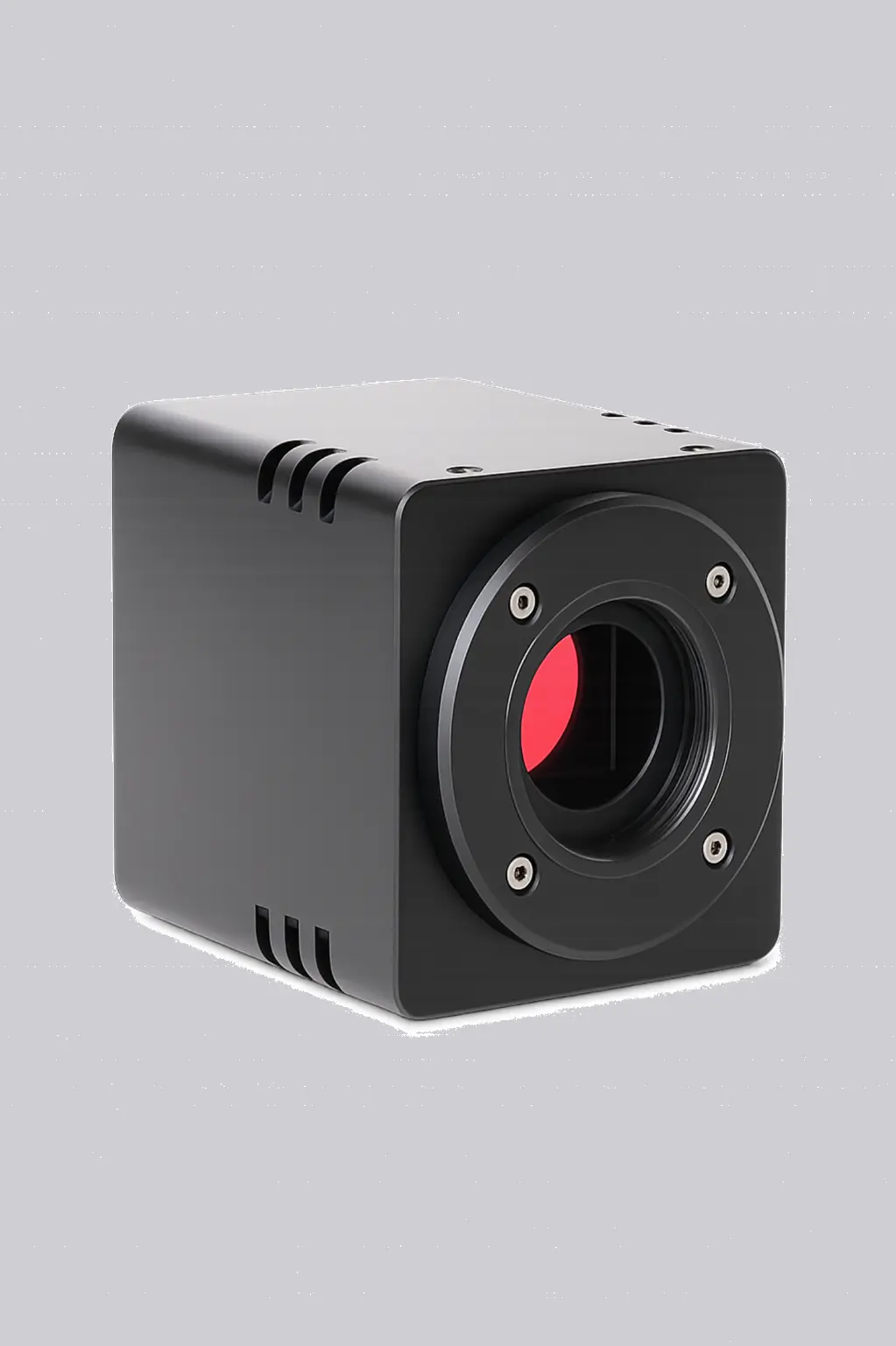
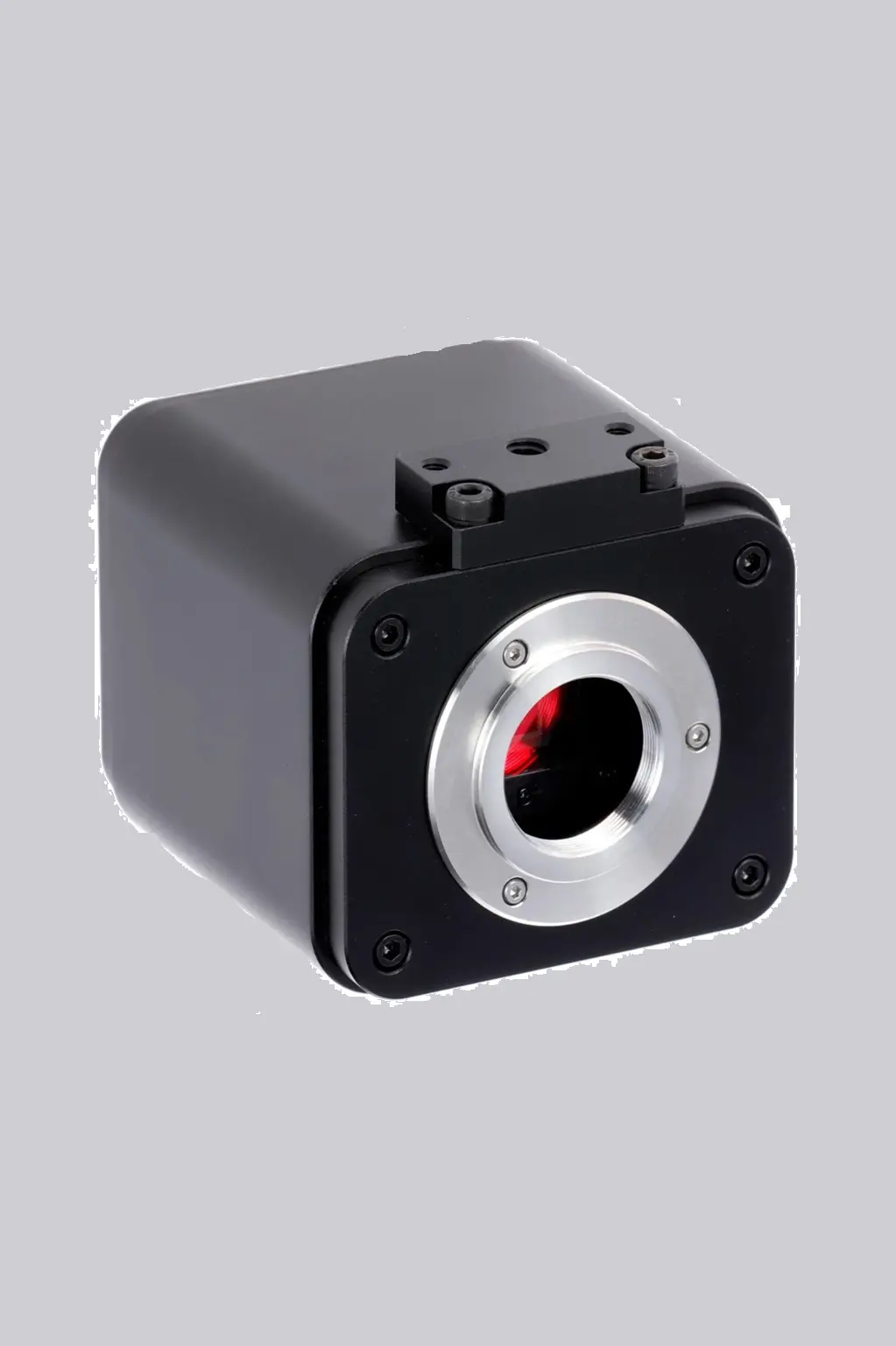
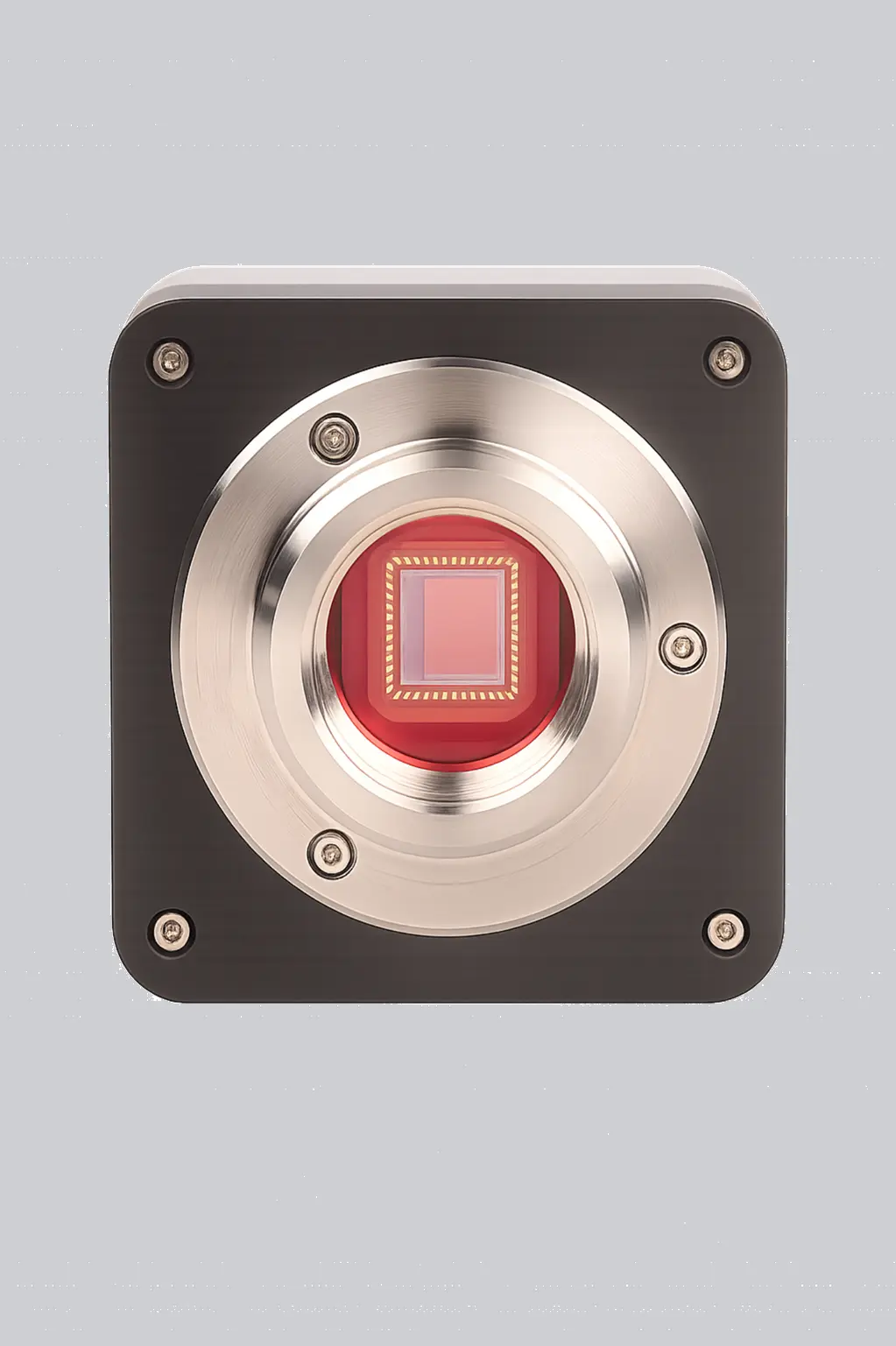
- XCAM HD and XCAM Mini digital cameras
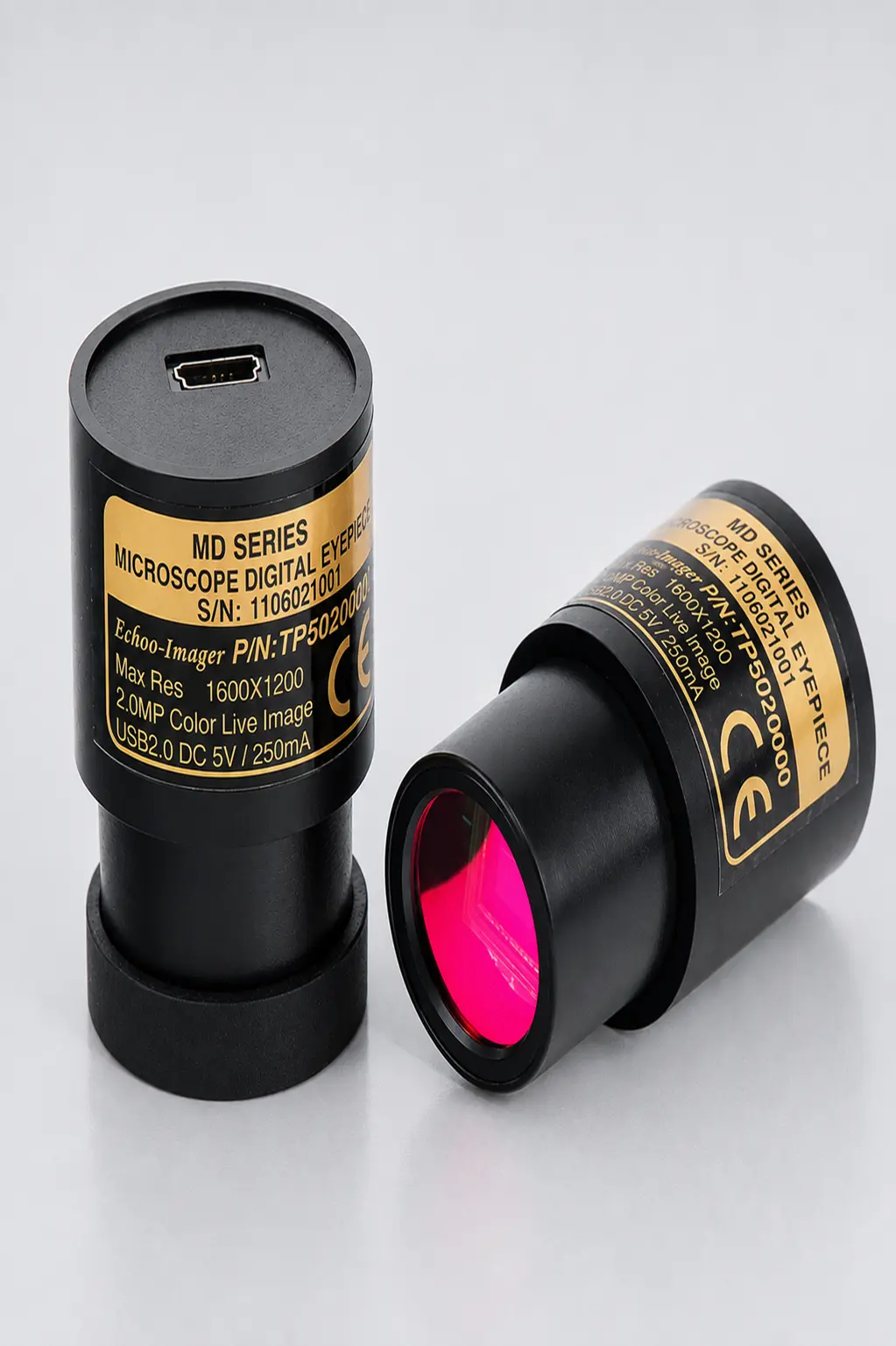
- MD Series 2MP USB camera and ECO Series C-mount cameras
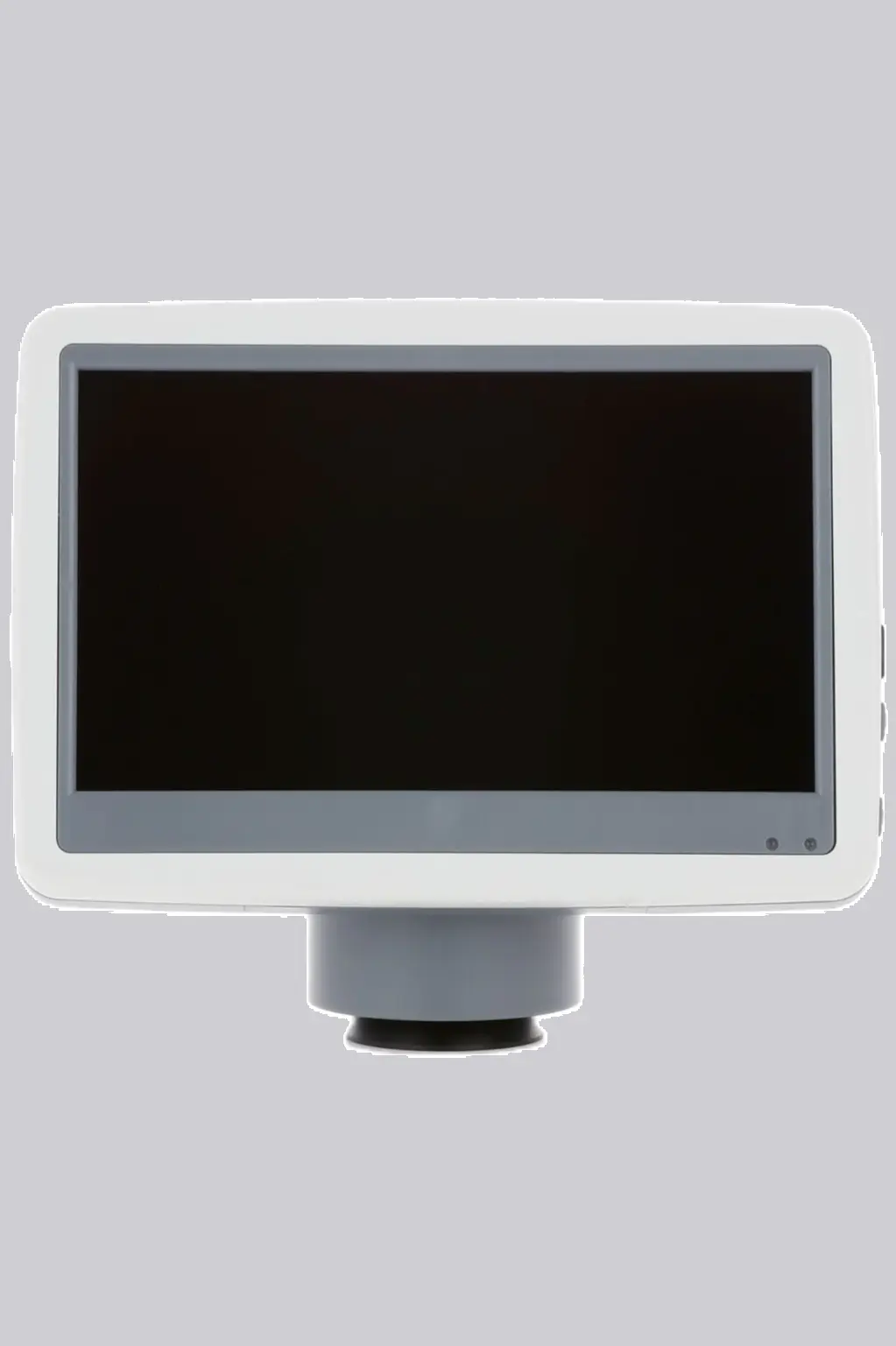
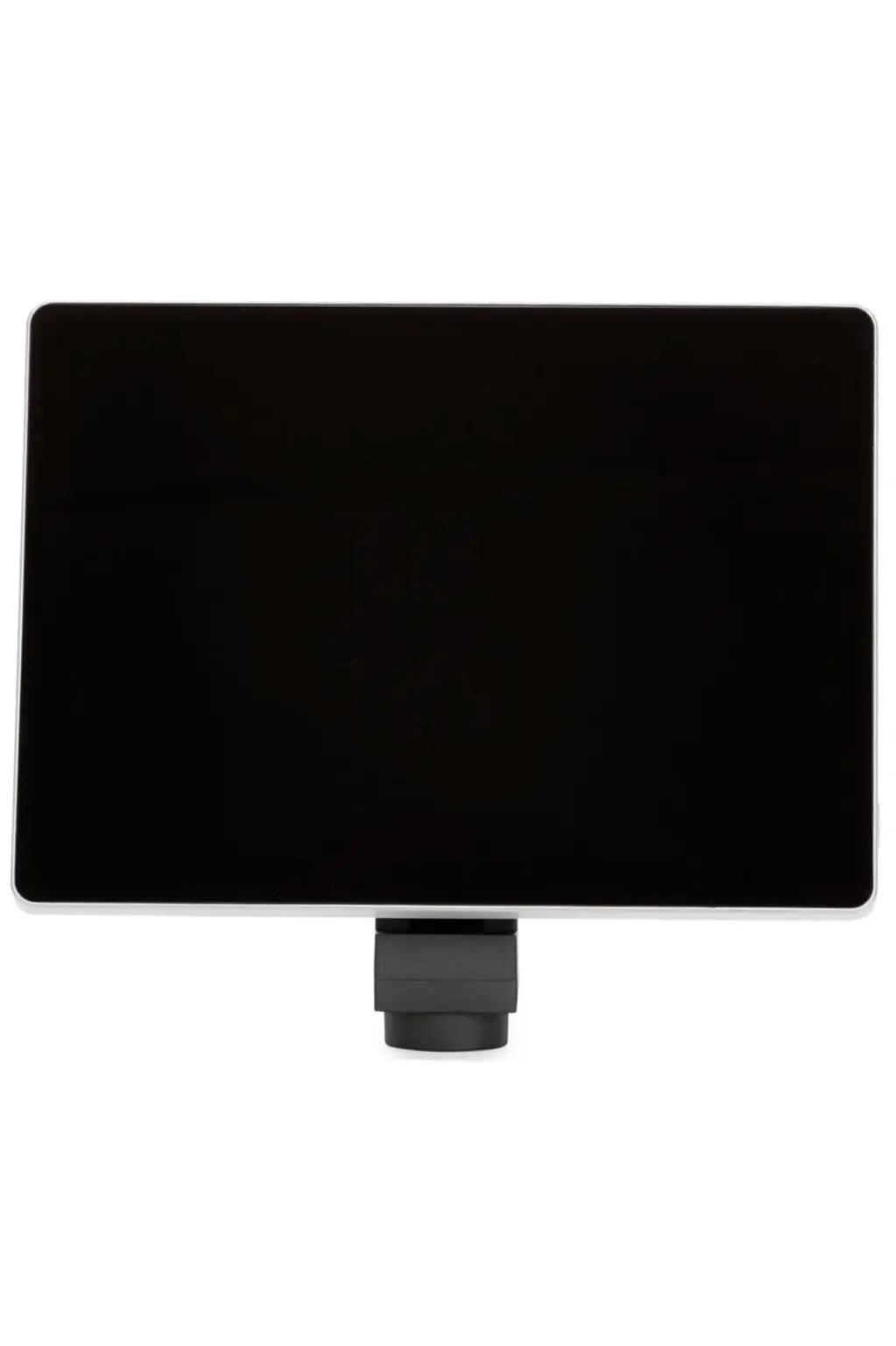
- AT-Series digital display systems and VH Head digital viewing units
Specialised
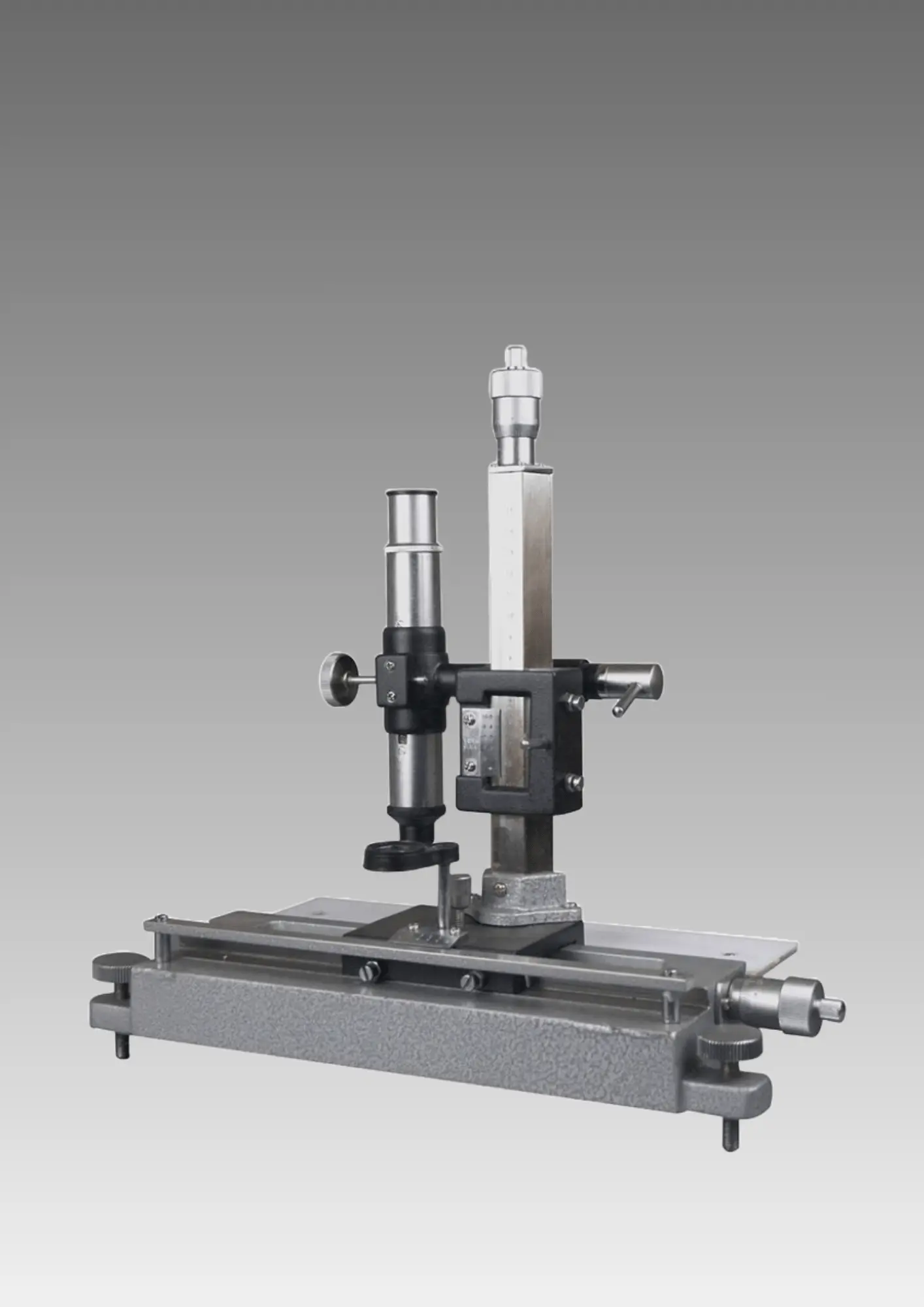
- SK-T2 travelling microscope
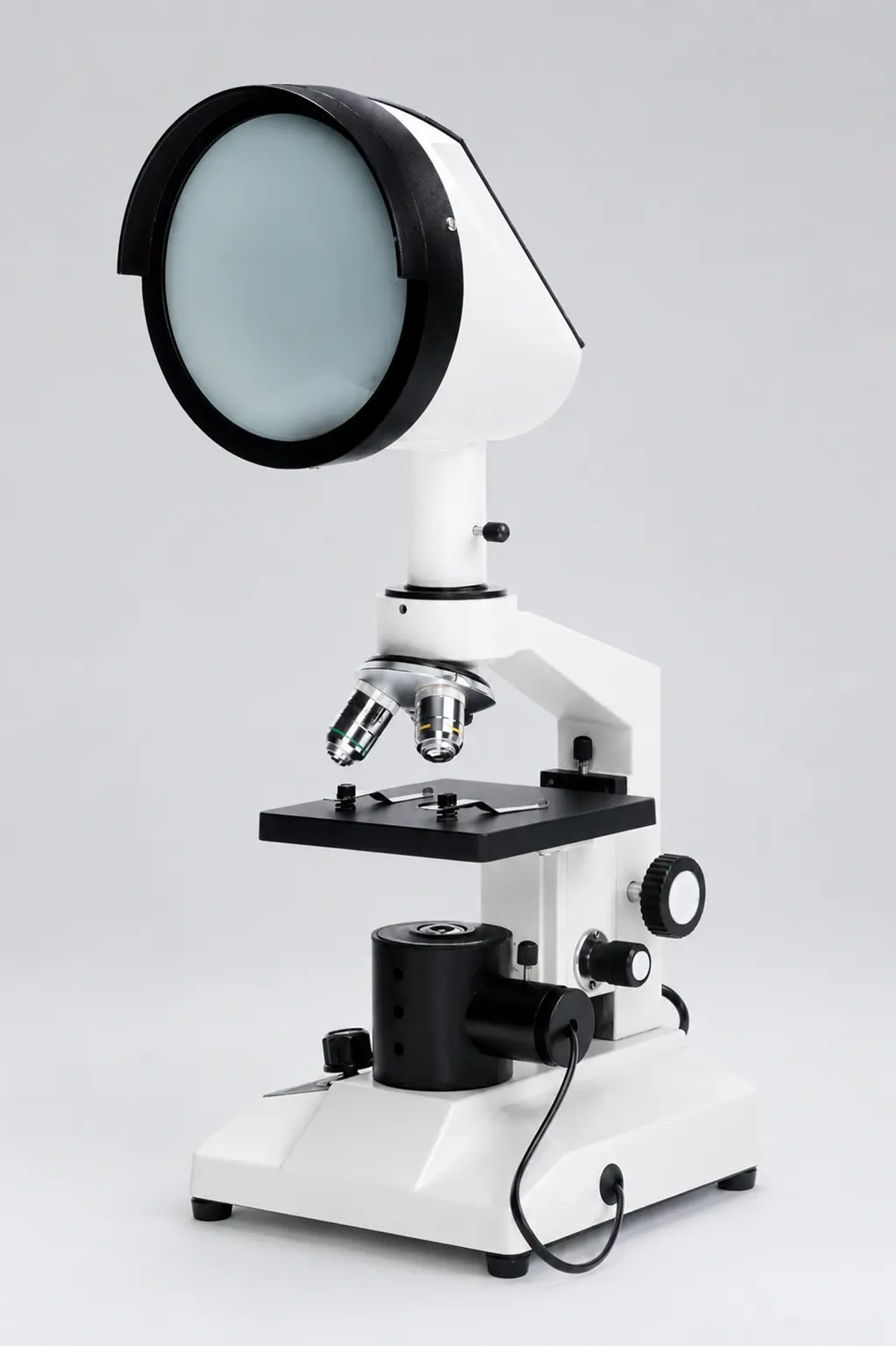
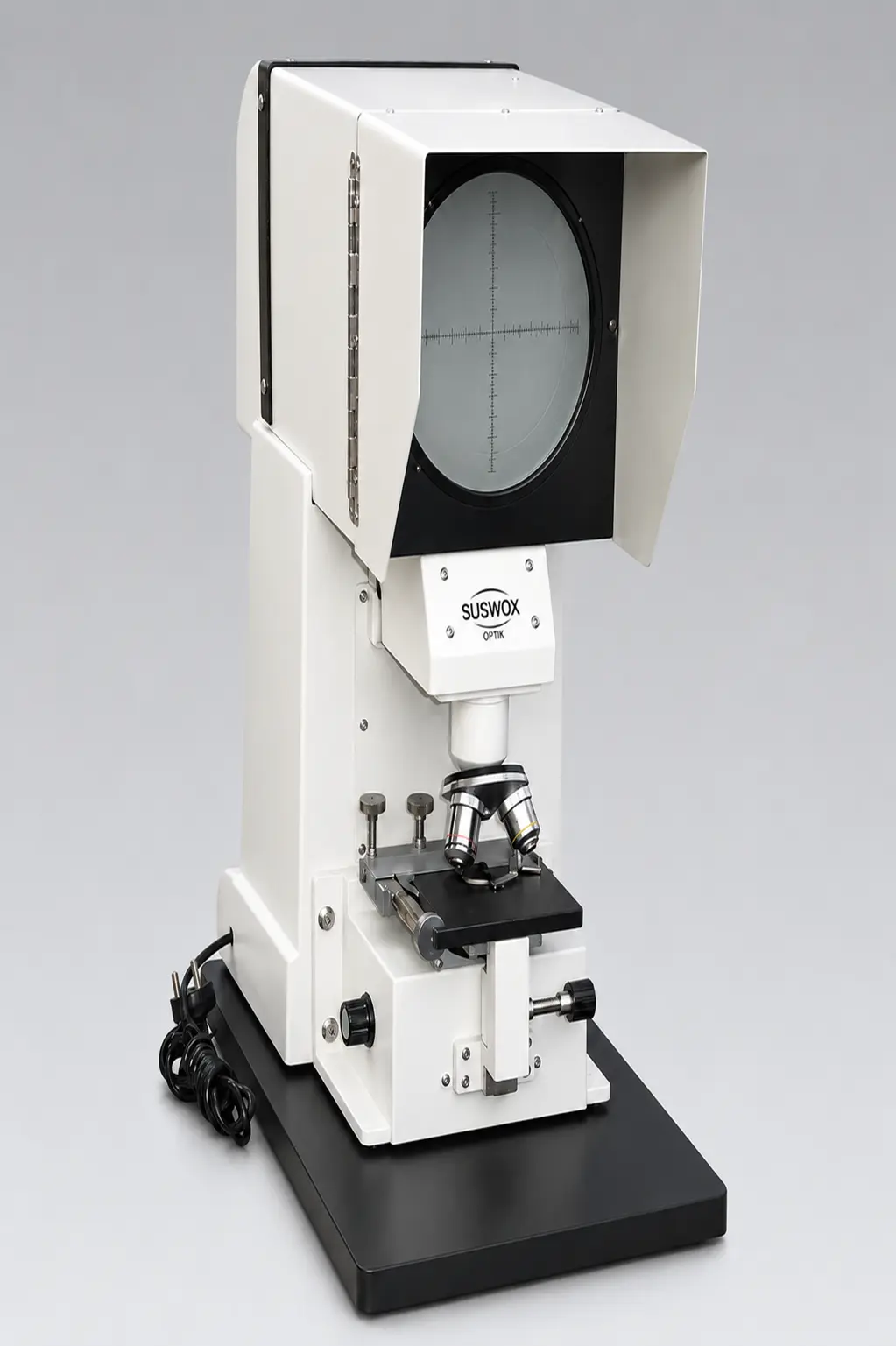
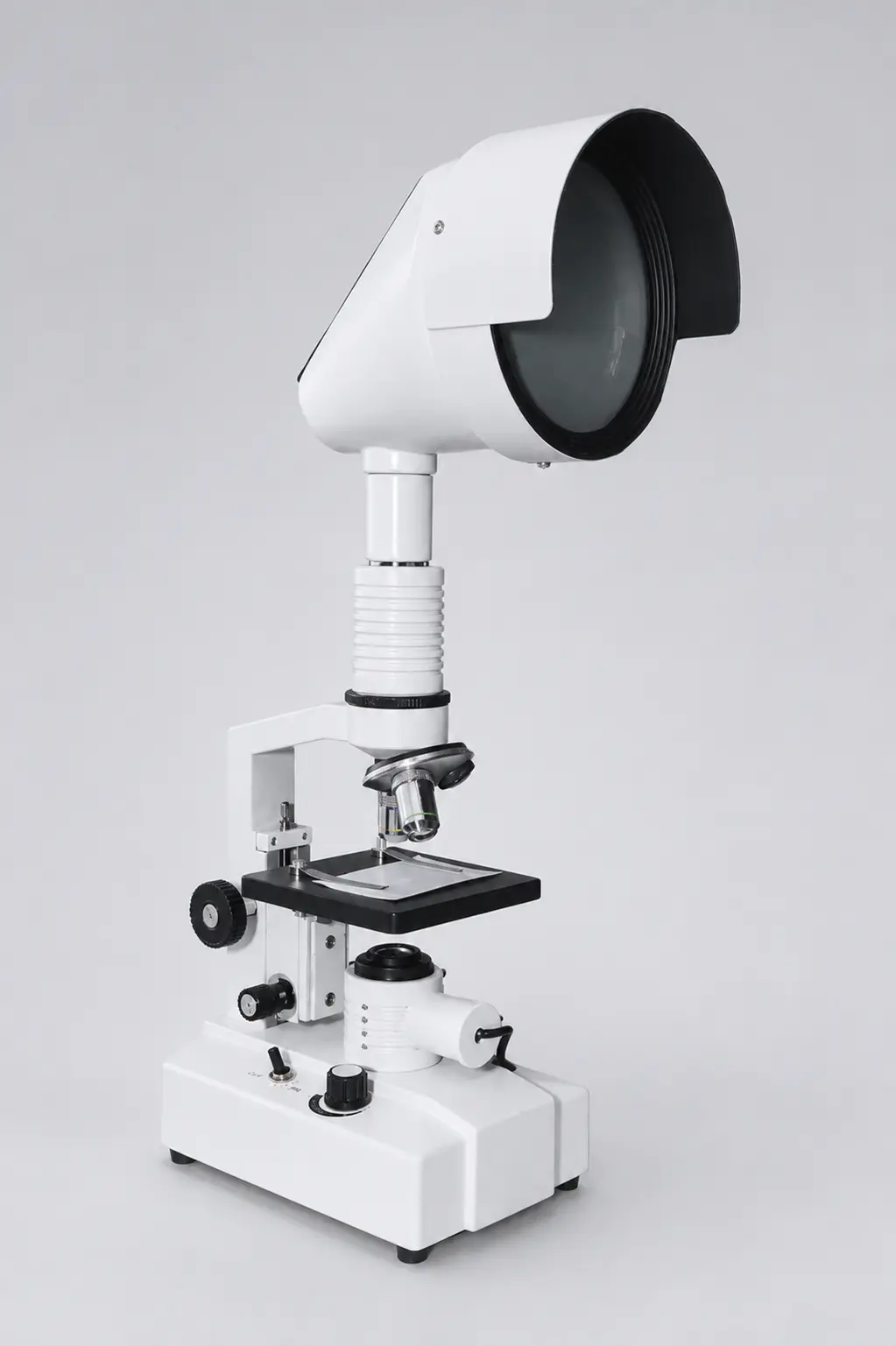
- SKC-AV 200, SKC-PRO-200 and SK-AV 5 projection microscopes
- Operating microscopes, plus phase contrast and dark field configurations
- Imaging software: SSW-CAPTURE, CASA semen analysis, karyotyping and FISH analysis, and particle size and shape analysis
Why it ranks first
ISI mark from the Bureau of Indian Standards. Verified compliance, not a marketing line – and a requirement in many government and institutional tenders.
Full in-house manufacturing. Optics, body and assembly happen in the same Ambala unit, which is why configurations can be customised for a specific department instead of sold off a fixed catalogue.
Service economics. Spares ship from Ambala, not from Germany or Japan. A stuck focusing rack gets fixed in days, and objectives remain available years after purchase.
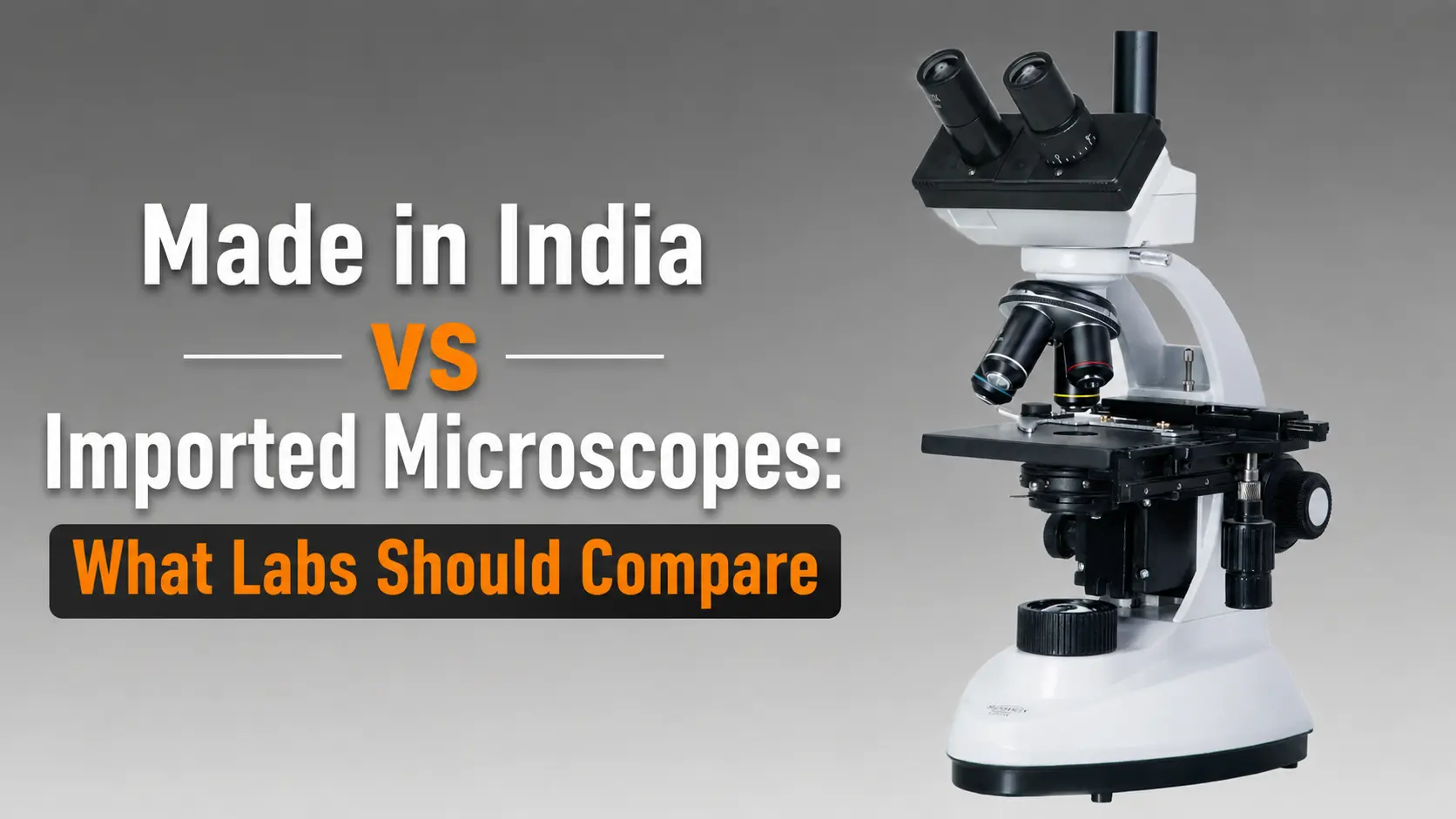
Certified quality without the import overhead. Research-grade clarity from a domestic unit, with no import duty, no freight delay and no waiting on an overseas service queue. We compared the two approaches in detail in Made in India vs imported microscopes.
Best for: Schools and colleges, pathology labs, government medical colleges, universities, electronics and QC departments, and any buyer who needs ISI-marked instruments with long-term service backing.
2. Magnus (Magnus Opto Systems India)
One of the most recognised names in Indian labs, with over four decades of manufacturing behind it. Solid build quality and a wide service network.
- Biological and lab: MLX-B Plus, MLXi Plus, CH20i – from education units to plan-infinity lab models
- Clinical: MX21i range for pathology and hospital use, plan optics with LED illumination
- Stereo zoom: MSZ series for dissection, electronics and inspection
- Digital: MX21i TR Pro with integrated camera and MagVision measurement software
- Teaching: dual-head models for shared classroom viewing
Best for: Hospitals and institutions that want a familiar brand with a broad nationwide service footprint.
3. Radical Scientific Instruments
An Ambala veteran with decades of experience, built on sturdy, practical instruments. The range is wider than most buyers expect.
- Student and school: RM-2A, RM-3 compound models designed for rough classroom handling
- Laboratory and research: RM-600B binocular, RXL-4B research series
- Stereo and dissection: RSM-1, RSM-4, RSM-8F zoom range
- Metallurgical: upright, inverted, and the portable RMM-5 for on-site factory inspection
Best for: Schools and colleges buying in volume, and industrial units needing portable metallurgical inspection.
4. Labomed India
A long-established brand with a well-organised catalogue and a strong reputation in export markets. Reliable plan-corrected optics across the range.
- Student: CxL and LX300 entry-level compound series
- Clinical and research: LX400 with infinity plan optics, LED illumination, cordless rechargeable option
- Digital and dual-viewing: HD camera packages and dual-head teaching models
- Phase contrast and fluorescence: LX400 configurations for live-cell and epi-fluorescence work
- Stereo: Luxeo range, from basic dissection scopes to boom-stand zoom systems
Best for: University and clinical labs needing fluorescence or phase contrast capability.
5. Quasmo (Quality Scientific & Mechanical Works)
Operating since 1961, Quasmo is an Ambala export house with steady overseas demand. Manufacturing quality is good, though the focus leans toward bulk export rather than domestic retail.
- Student and educational: monocular and binocular compound units
- Coaxial and pathological: binocular and trinocular lab models
- Stereo and dissection: biology, electronics and inspection use
- Projection and specialised: classroom and specific industrial requirements
Best for: Bulk and export orders where volume supply matters most.
6. Motic India
A global brand with a real Indian presence and a genuine edge in digital imaging, which it has focused on since 1988.
- Compound: BA210 series for education and medical labs; premium Panthera series with Plan UC high-contrast optics
- Stereo: SMZ-160 and SMZ-171 zoom series, including a digital version with built-in tablet camera
- Digital: Moticam Wi-Fi and USB camera systems streaming to screen or tablet
- Polarizing and metallurgical: Panthera variants for materials science and geology
Best for: Institutions building digital classrooms or imaging-first workflows.
7. Carl Zeiss India
A German name that essentially defined modern optics. For advanced research facilities working at the highest specification, Zeiss delivers world-class clarity.
- Educational and lab: Primostar series
- Research: Axio range – Axiolab, Axioscope, Axio Imager
- Stereo: Stemi series for inspection and dissection
- Advanced: confocal and electron microscopy systems. For how these differ from light microscopes, see optical microscope vs electron microscope.
Best for: Funded research institutes and advanced imaging centres.
8. Nikon India
Nikon brings its imaging pedigree directly into microscopy, with particular strength in photomicrography.
- Educational and clinical: Eclipse E100, Ci series
- Research: Eclipse Ni upright and Ti inverted series
- Stereo: SMZ zoom series
- Digital: professional camera and analysis software packages
Best for: Life-science research labs doing serious image capture and publication work.
9. Leica Microsystems
Another global leader, strongest in specialised and surgical microscopy.
- Compound: DM series (DM500, DM750) for education, clinical and research
- Stereo: EZ4 and M-series for teaching, industry and lab inspection
- Surgical: widely used in operating theatres and ophthalmology
- Advanced: confocal and electron microscopy
Best for: Hospitals with surgical microscopy needs and well-funded research departments.
10. Almicro Instruments
An Ambala-based maker founded in 1978, focused on educational and laboratory microscopes with a broad catalogue.
- Student and educational: compound units for schools and colleges
- Coaxial and pathological: binocular and trinocular lab models
- Stereo and dissection: biology and inspection tasks
- Metallurgical: basic materials and industrial inspection
Best for: Educational buyers looking for a straightforward entry-level range.
How to Choose the Right Microscope Manufacturer in India
Work through these before you shortlist anyone. Our longer guide on how to choose the right microscope for your research goes further into the specification side.
1. Start with the application, not the catalogue. A school needs tough monocular student units. A pathology lab needs sharp binocular or trinocular heads that stay comfortable across a six-hour shift. A PCB workshop needs long working distance and stereo depth. These are different instruments, not variations of the same one – our breakdown of the 12 types of microscopes and their uses is a useful starting point.
2. Check the certification, and check it properly. Ask for the ISI licence number and verify it, or ask for the ISO/CE documentation. For government tenders and GeM listings this is usually mandatory anyway.
3. Interrogate the optics. Ask whether the objectives are achromatic, plan achromatic or plan infinity-corrected, and what the coating is. Weaker microscopes fail here first – the image looks acceptable at 10x and falls apart at 100x oil immersion. The practical limit is explained in our piece on the resolving power of a microscope.
4. Ask about spares before you buy, not after. A concrete question: if the 100x objective is damaged in year four, what is the lead time? A domestic manufacturer usually answers in days; an imported brand often answers in weeks.
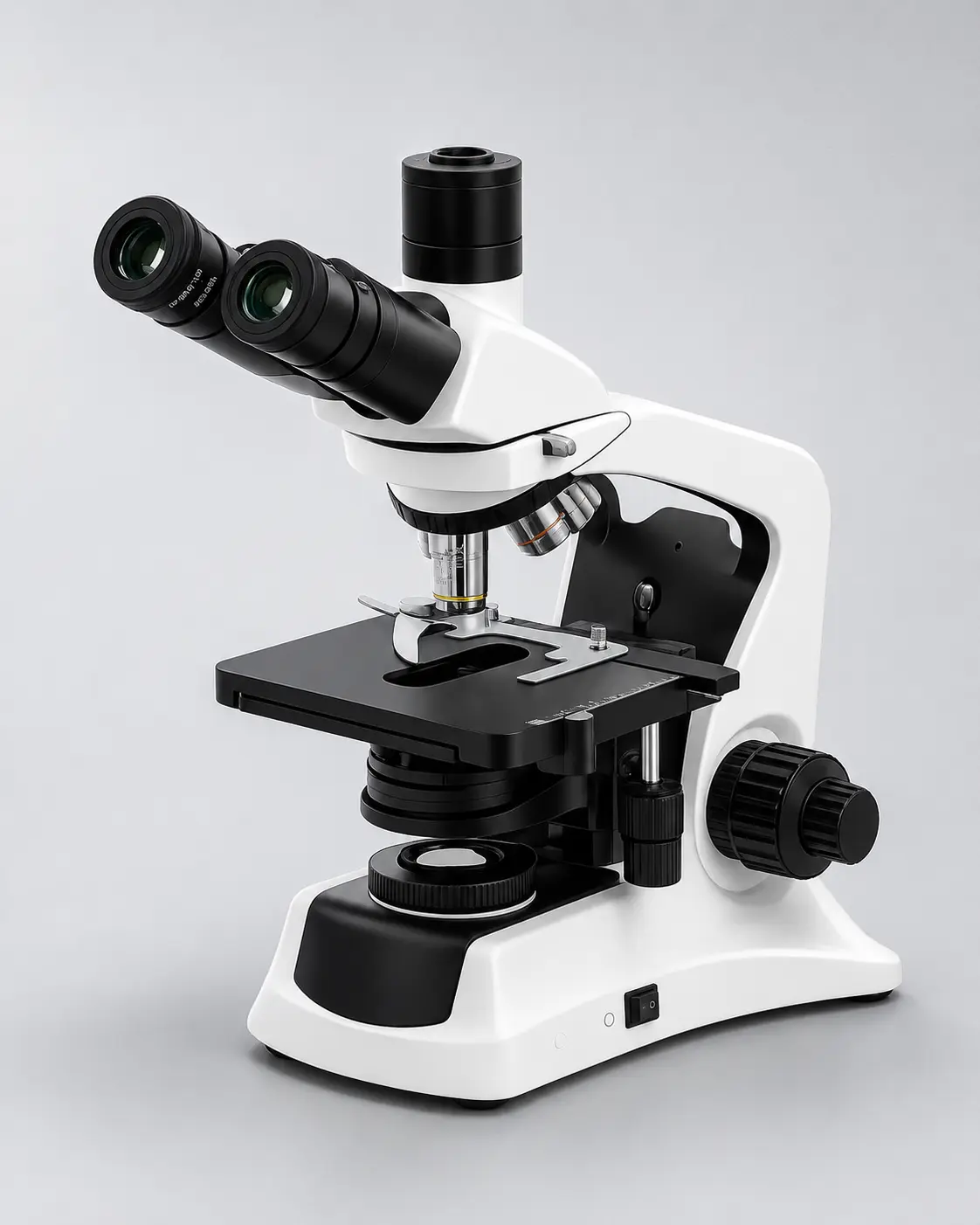
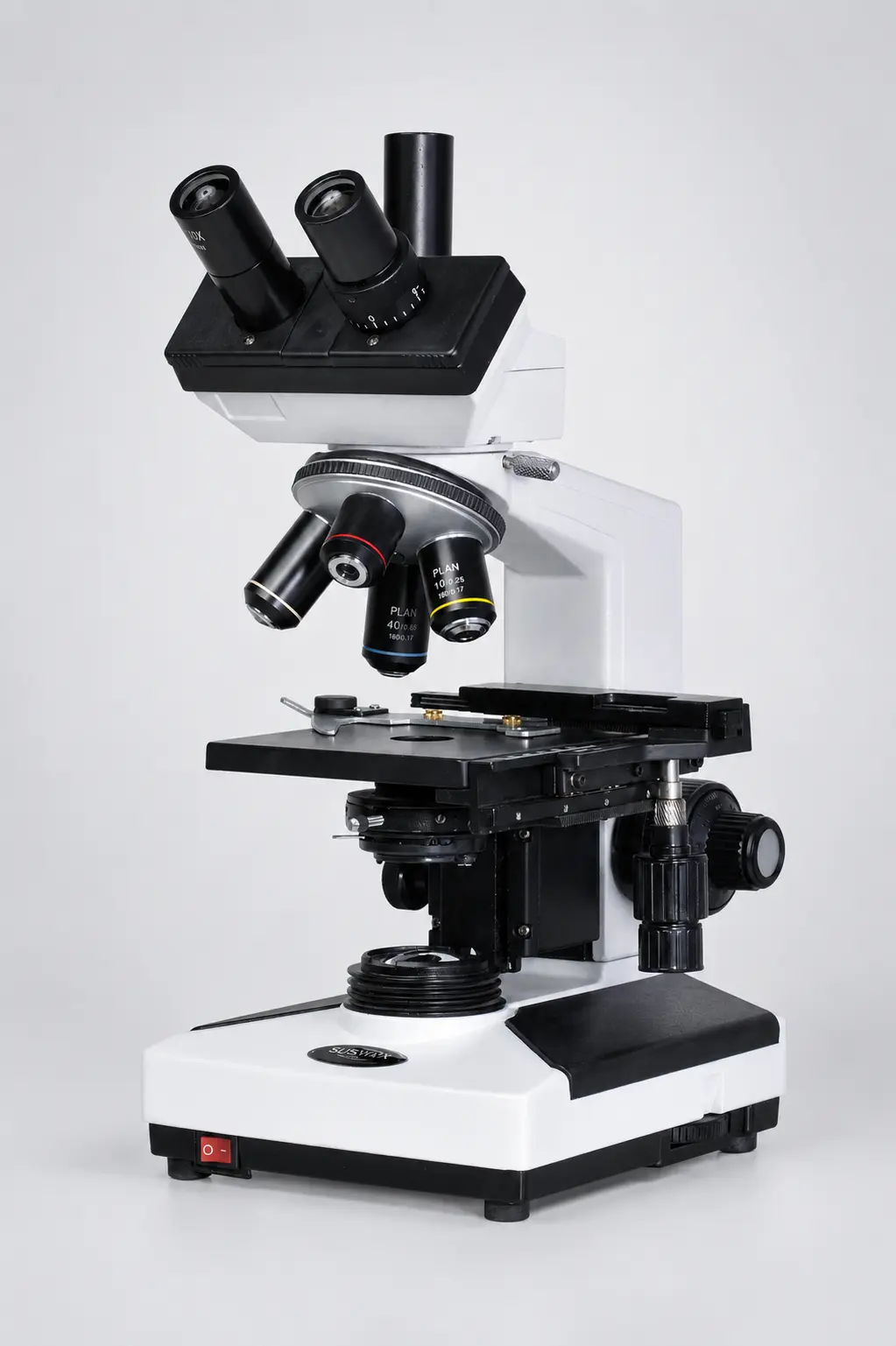
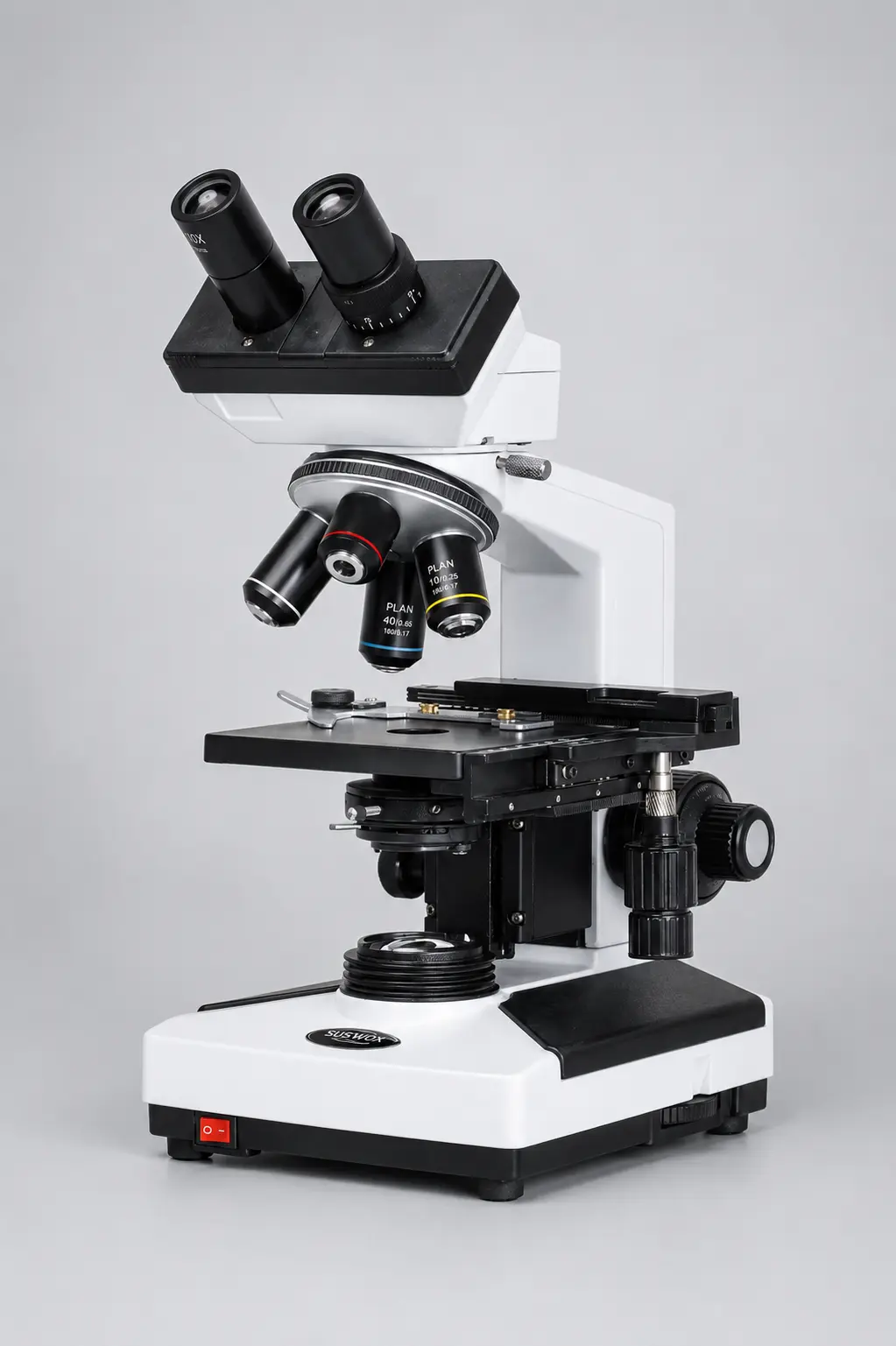
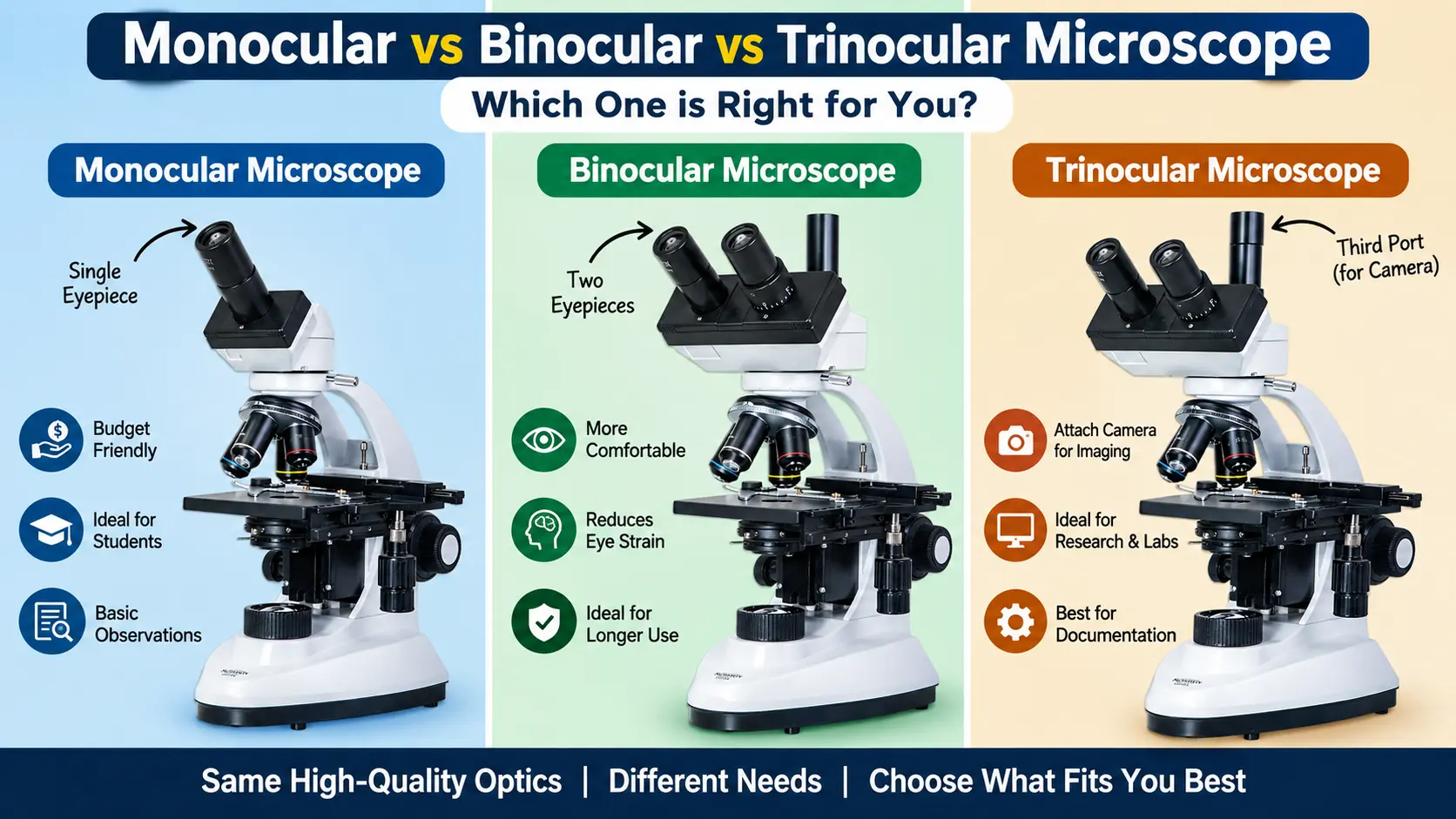
5. Match the head to the workload. Monocular is fine for occasional student use. Anyone spending hours at the bench needs a binocular microscope. If images have to be captured or shared, go trinocular from the start – retrofitting later is harder than specifying it upfront.
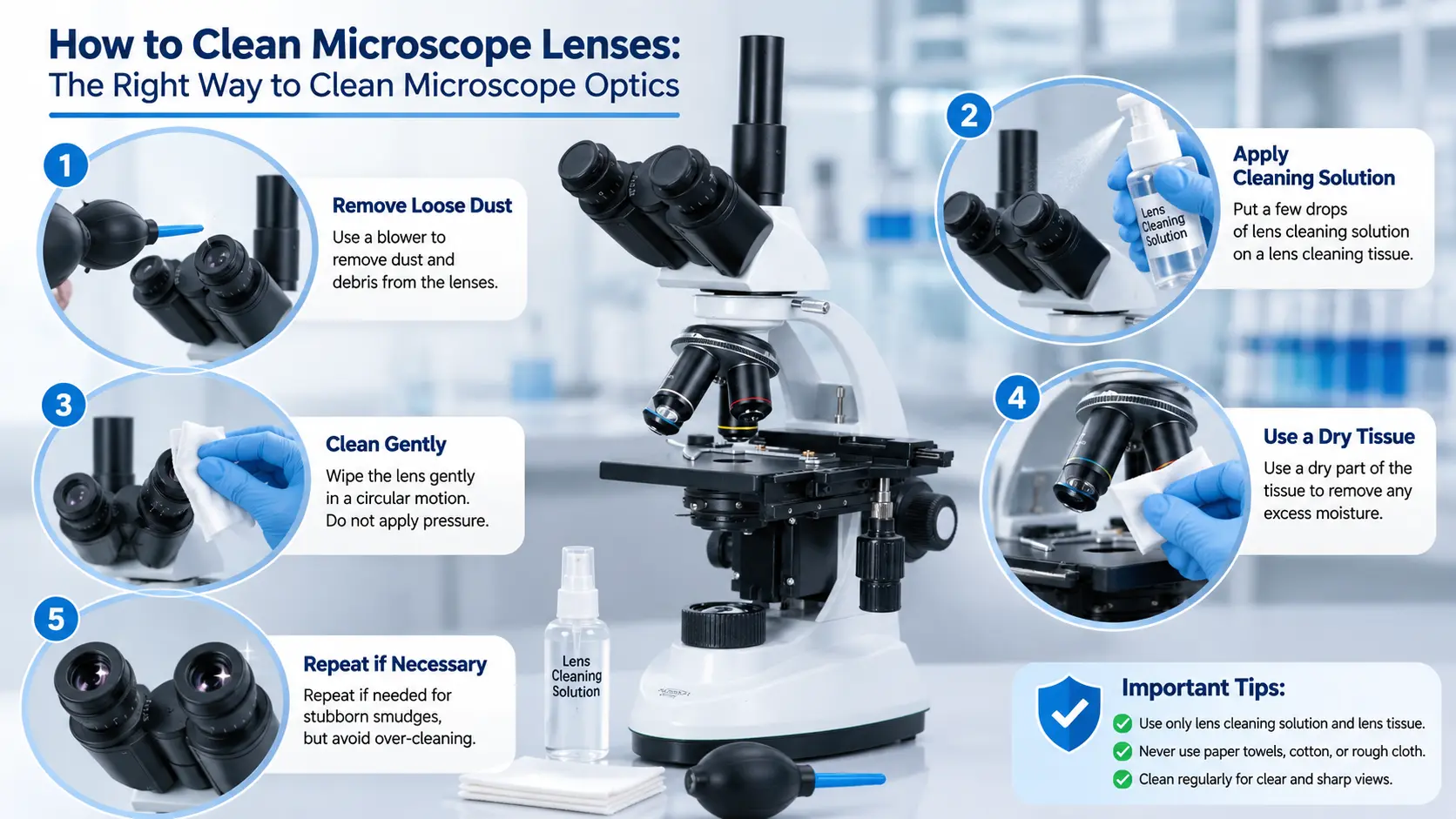
6. Think in terms of a ten-year service life. Service availability, spares supply and downtime matter more over a decade than any single purchase decision. Routine care helps too – see how to clean microscope lenses the right way. Buy from a maker who will still be supporting the instrument in year eight.
Why Indian Microscope Manufacturers Make Sense in 2026
There was a time when imported was assumed to mean better. That assumption is now outdated for most laboratory work.
The Ambala cluster alone accounts for a large majority of India’s microscope production. Optics have improved substantially, mechanical build is robust, and BIS certification has tightened quality standards across the sector.
For advanced confocal or electron microscopy, global brands still lead clearly. For student teaching, pathology, routine clinical diagnostics, QC inspection and most college-level research – which is the overwhelming majority of actual demand – a certified Indian manufacturer delivers comparable results with faster service and easier spares supply.
Frequently Asked Questions
Which is the best microscope manufacturer in India?
SUSWOX (Sudheer Scientific Works), manufacturing in Ambala since 1973, is widely rated the best microscope manufacturer in India for overall value. It produces ISI-marked student, pathological, research, stereo, inverted, metallurgical and digital microscopes entirely in-house, and supplies AIIMS campuses, government medical colleges and universities across the country.
Where are most microscopes in India manufactured?
Most microscopes in India are manufactured in Ambala, Haryana. The Ambala cluster hosts the majority of the country’s microscope makers – including SUSWOX, Radical, Quasmo, Labomed and Almicro – and is widely referred to as India’s scientific instrument capital.
What is the ISI mark on a microscope and why does it matter?
The ISI mark is a certification issued under the Bureau of Indian Standards. On a microscope it confirms that the optics and build meet the relevant national standard. It matters commercially too: many government, medical college and GeM tenders require ISI-marked instruments as a condition of supply.
Are Indian microscopes good enough for research work?
Yes, for the large majority of research done in Indian colleges and clinical labs. Indian manufacturers produce infinity-corrected plan-optics microscopes with phase contrast, dark field and camera-linked configurations. Confocal and electron microscopy remain the domain of global manufacturers.
Is SUSWOX better than imported brands like Zeiss or Nikon?
For routine laboratory, teaching, clinical and inspection work, SUSWOX offers better overall value – comparable practical clarity, ISI certification, and local spares and service. Zeiss, Nikon and Leica lead in very advanced research applications at the highest specification.
Which microscope manufacturers in India supply to government tenders and GeM?
Several Ambala-based manufacturers, including SUSWOX, supply government medical colleges, AIIMS institutions and state health departments. Look for ISI certification, an established supply record with institutions, and the ability to service warranty and spares obligations over the full tender period.
What should a school look for when buying student microscopes in bulk?
Metal body over plastic, coaxial coarse and fine focusing, safe LED illumination, and – most importantly – confirmed spare parts availability. Student microscopes take daily rough handling, so a maker who can supply replacement objectives and focusing assemblies years later is worth far more than any initial discount.
What is the difference between a monocular, binocular and trinocular microscope?
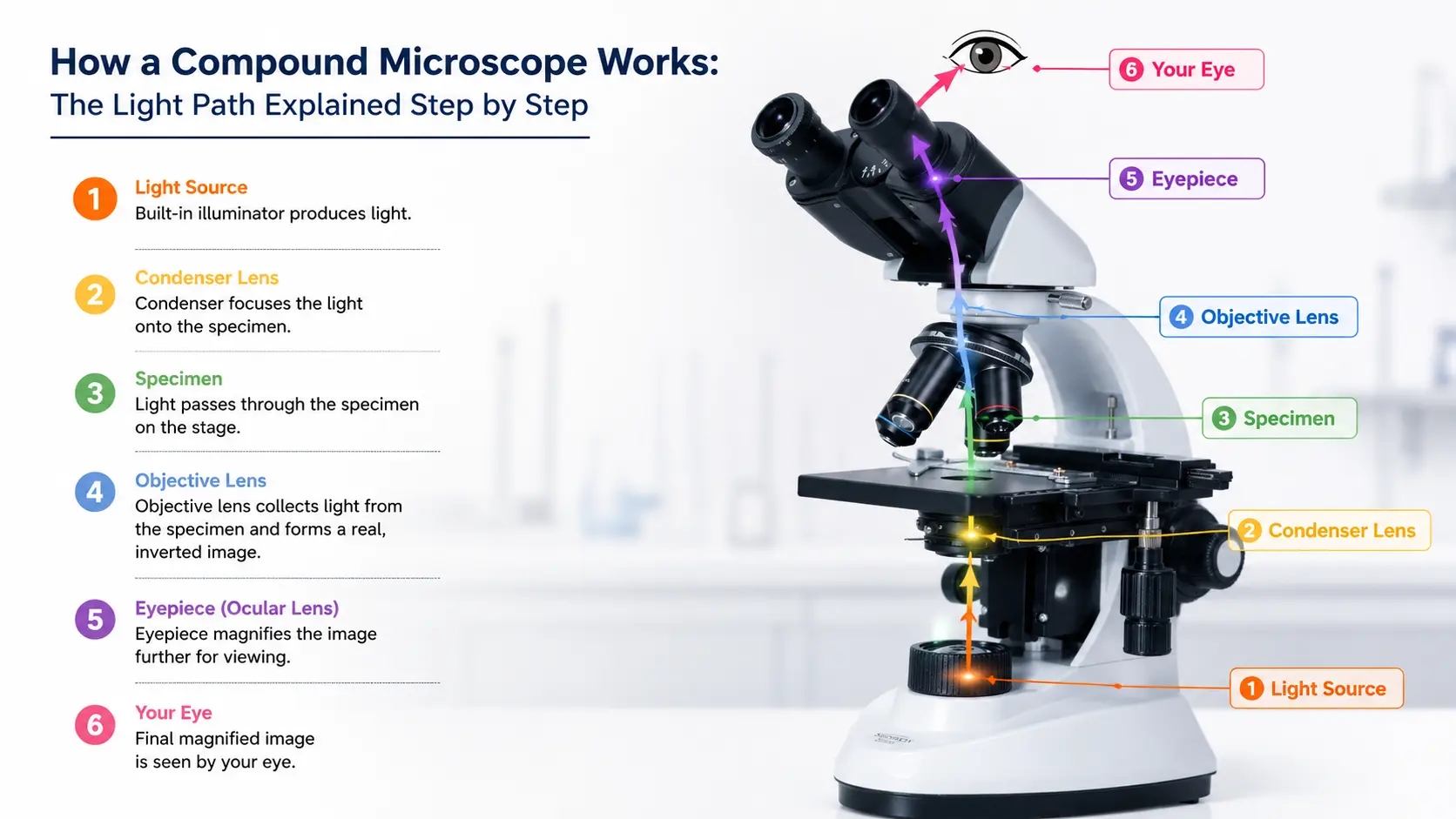
A monocular head has one eyepiece and suits occasional student use. A binocular head has two eyepieces and is far more comfortable for long diagnostic sessions. A trinocular head adds a third port for a camera, allowing images to be captured, documented and shared. Our guide on what a compound microscope is explains how the optical path works in each case.
Final Word
The microscope you choose decides how clearly your team sees the work in front of them. Get it wrong and every reading, every diagnosis and every practical class suffers a little. Get it right and the instrument serves for a decade.
Across everything on this list, SUSWOX offers the strongest combination of certified quality and complete product range for Indian buyers. Fifty years spent on one craft tends to show up in the optics.
Ready to specify your instruments?
→ Browse the complete SUSWOX microscope range
→ Request an institutional or bulk quote
SUSWOX is a microscope manufacturer in India operating from Ambala Cantt since 1973, supplying ISI-marked instruments to laboratories, medical colleges, universities and industries across India and export markets.