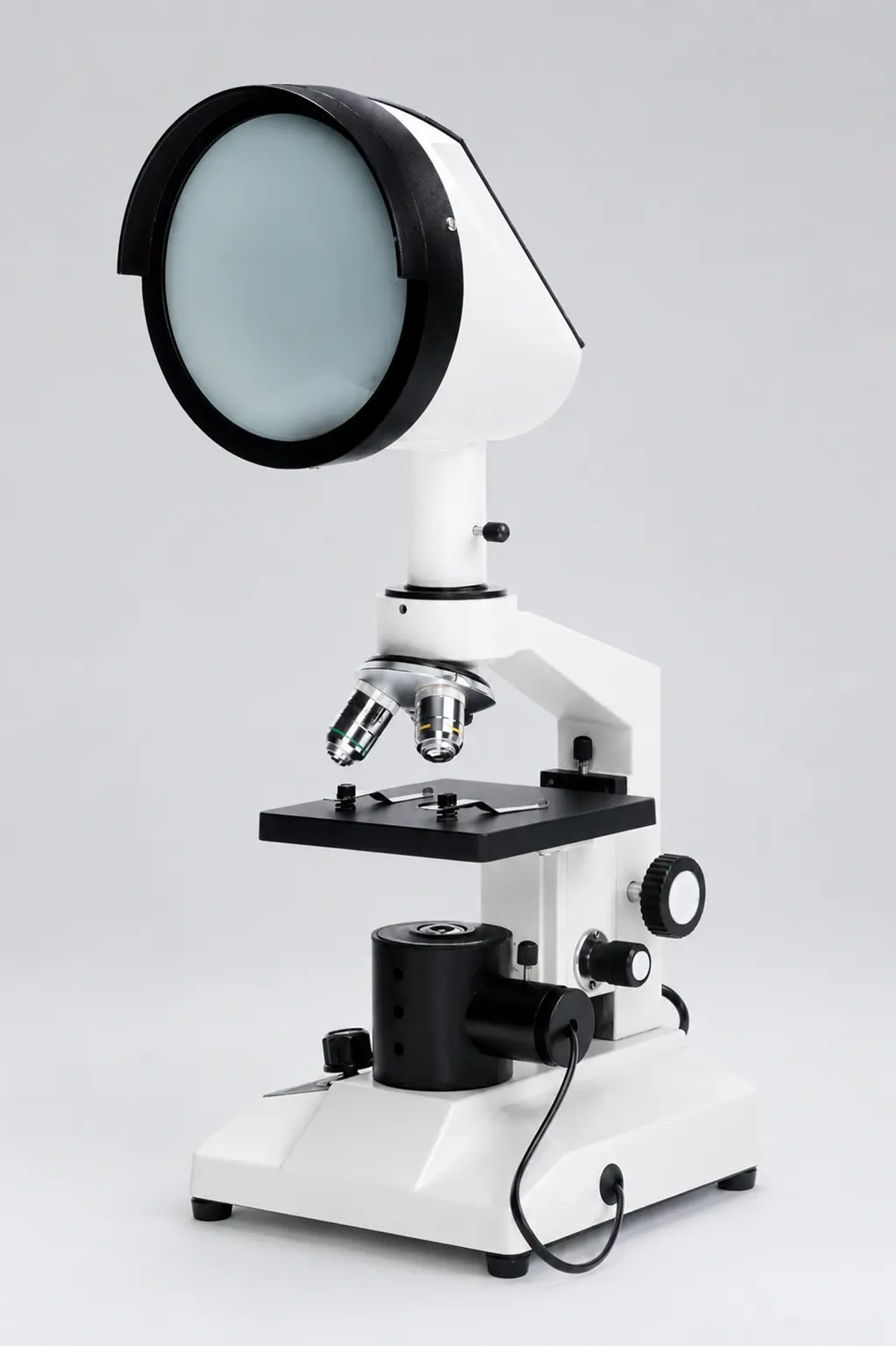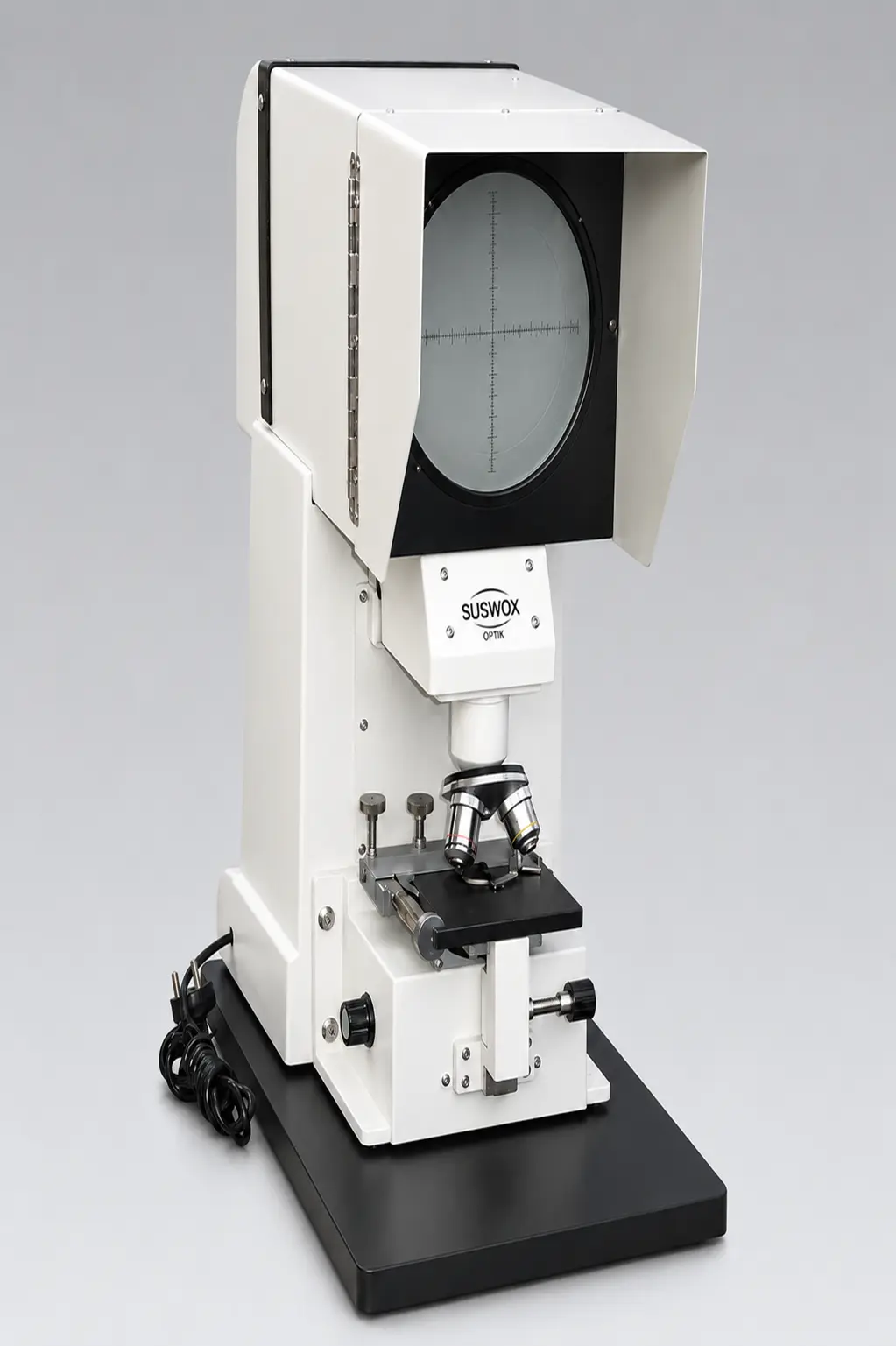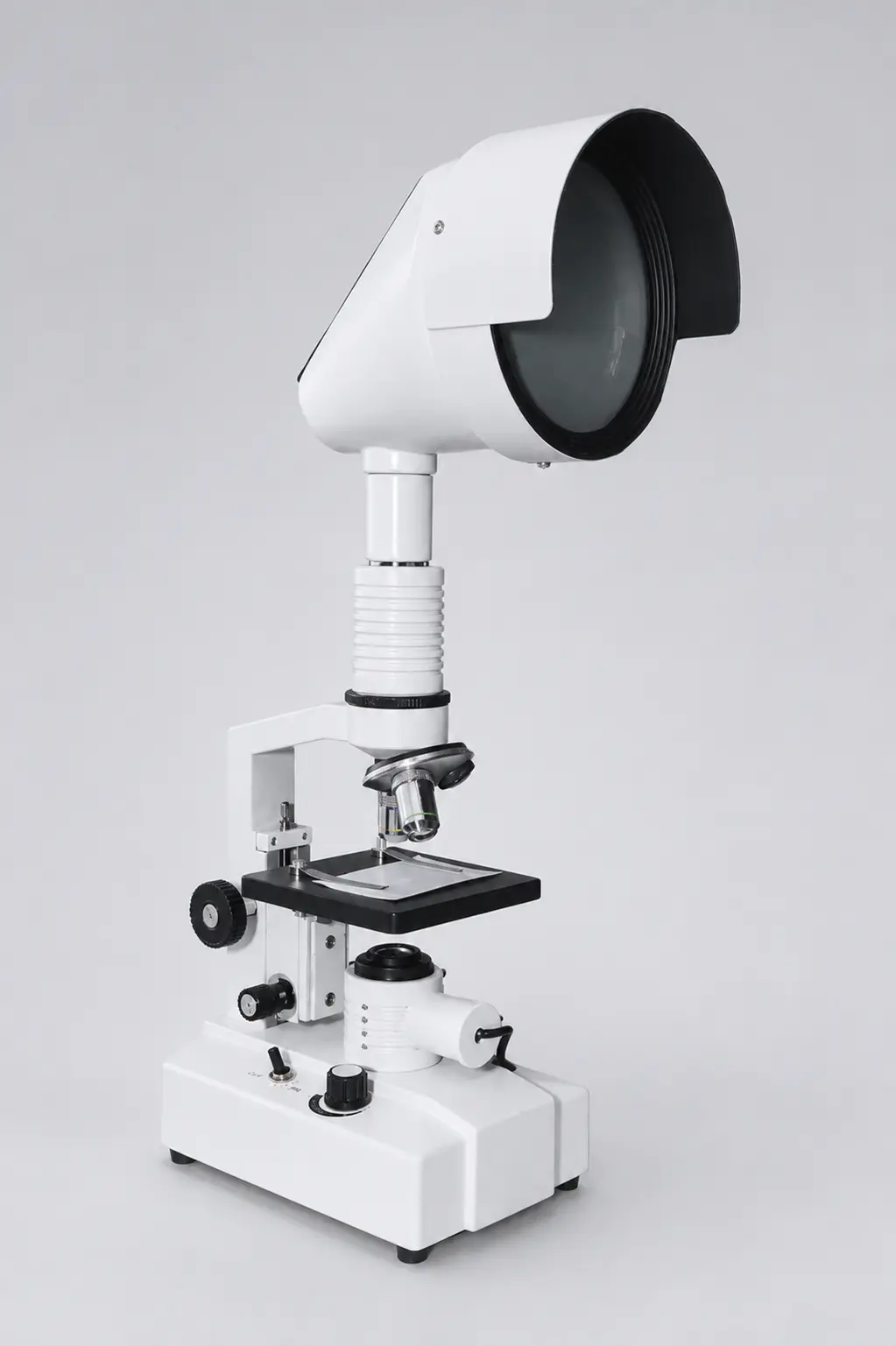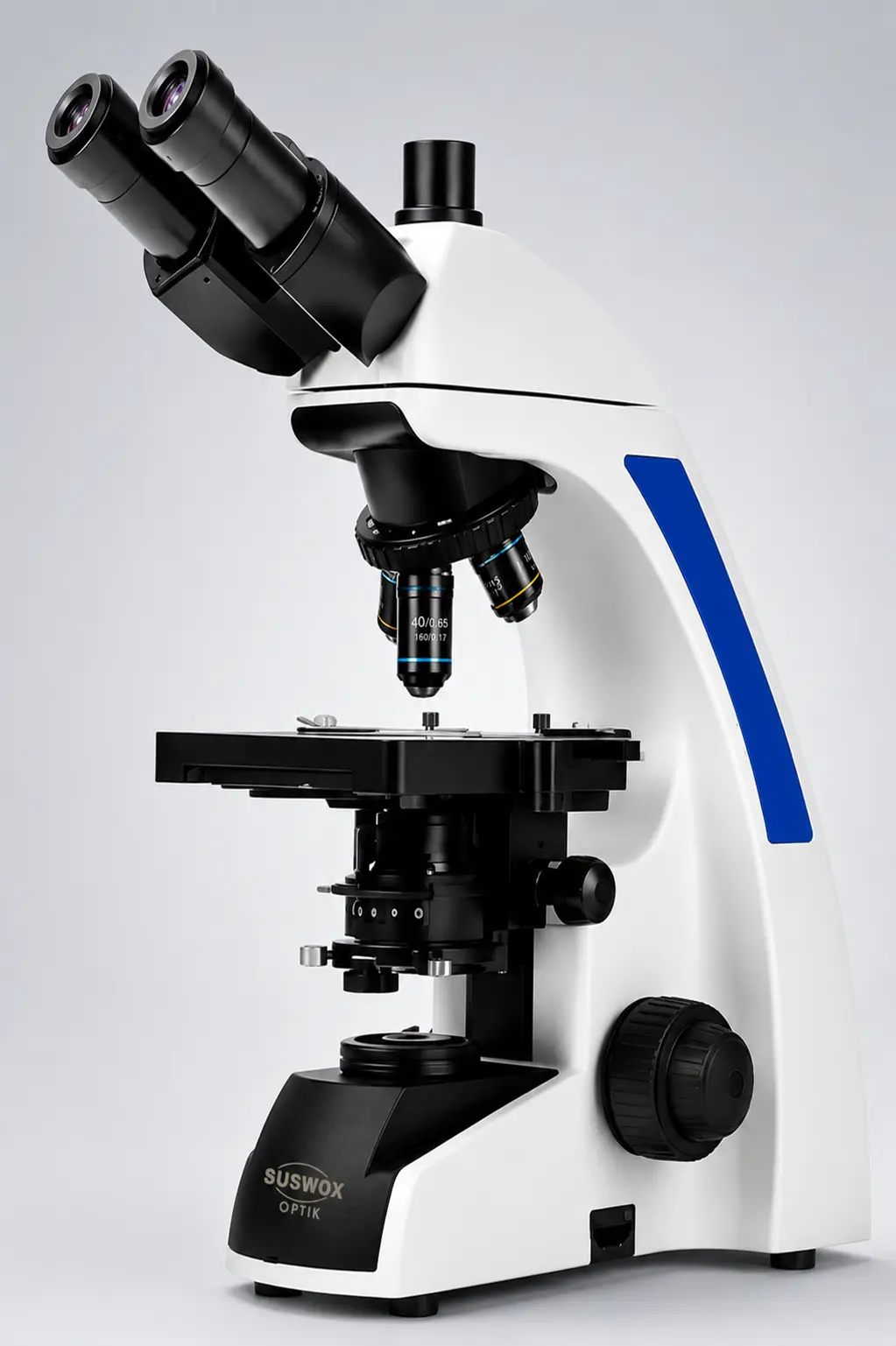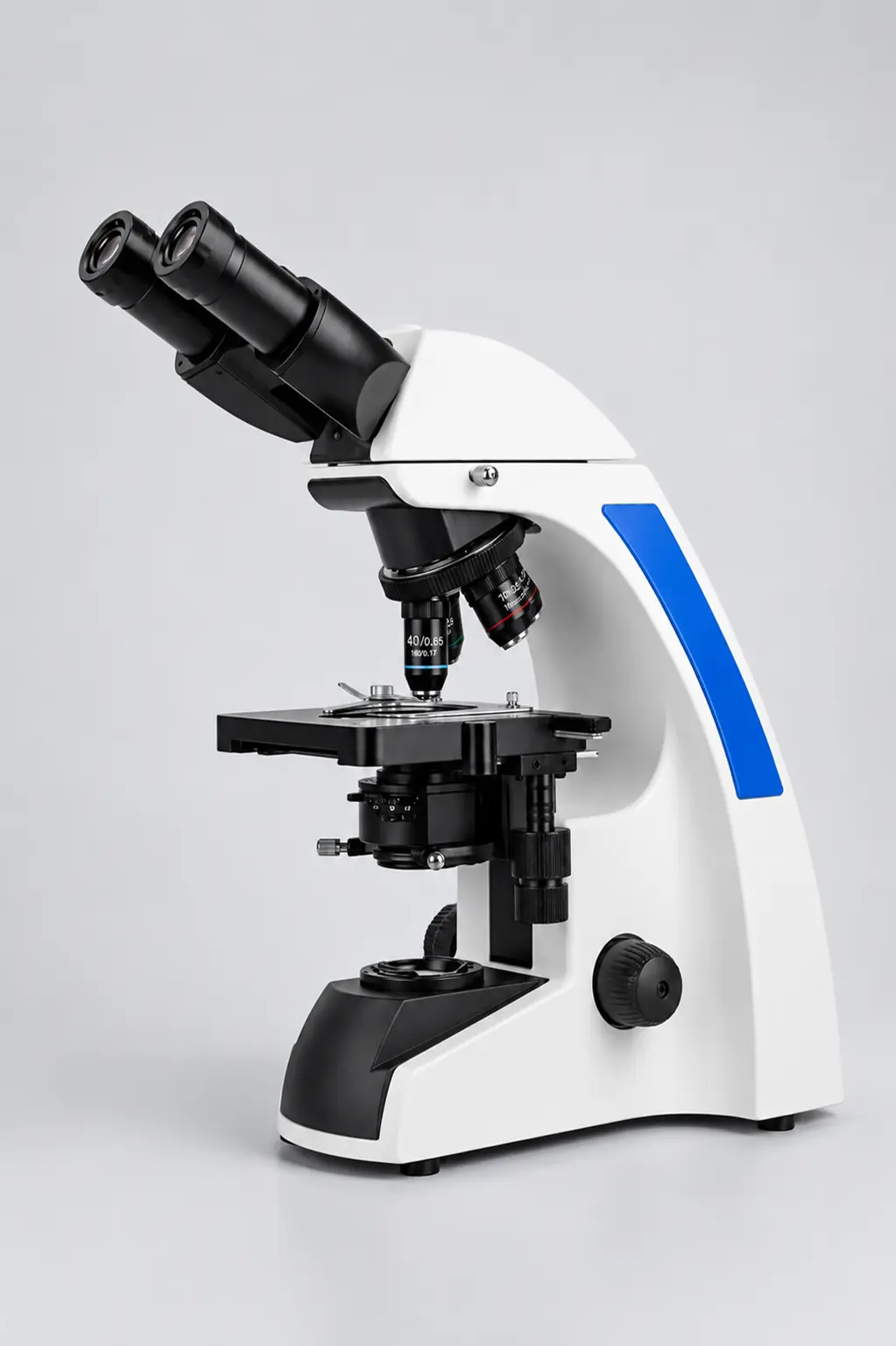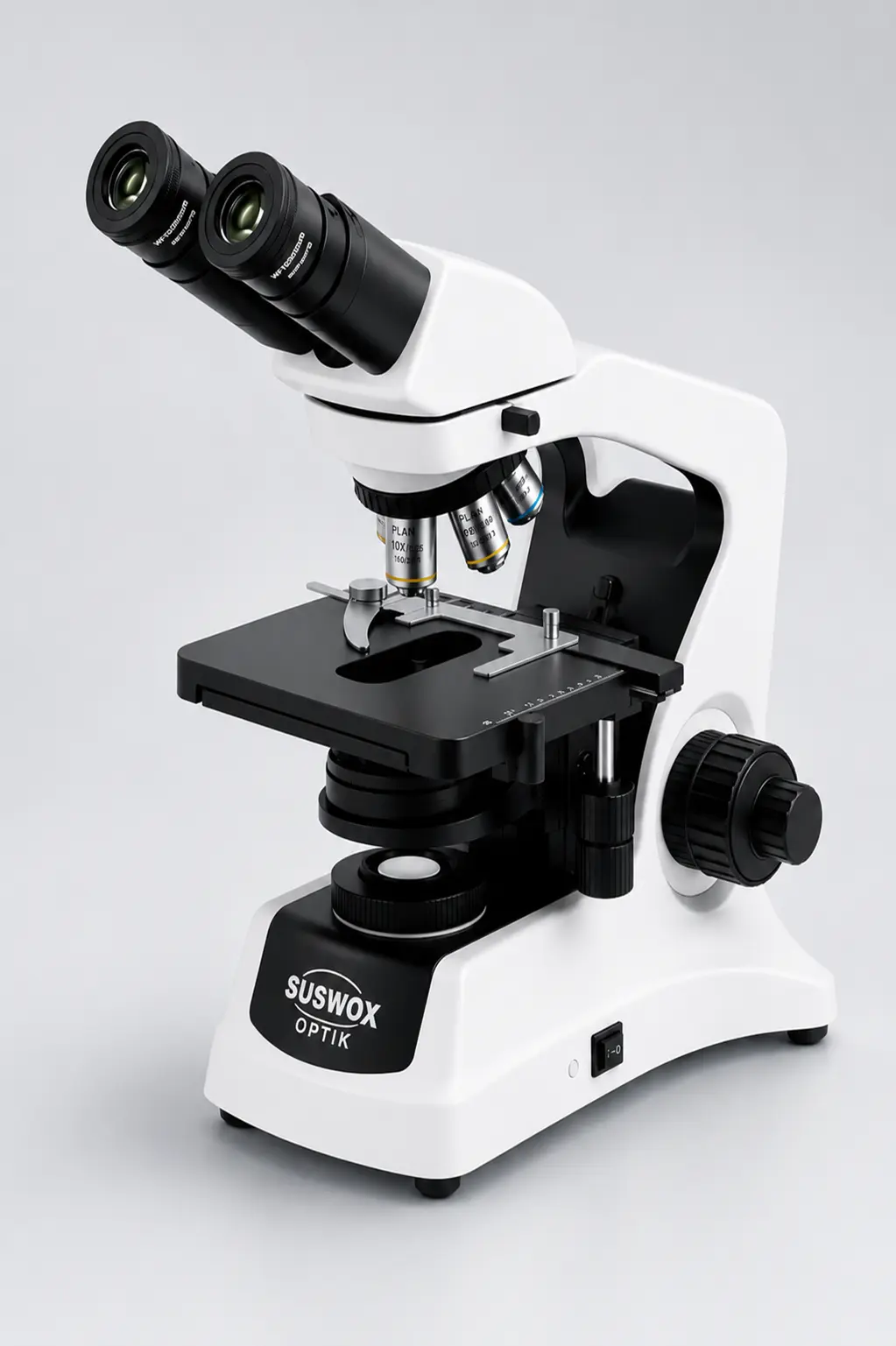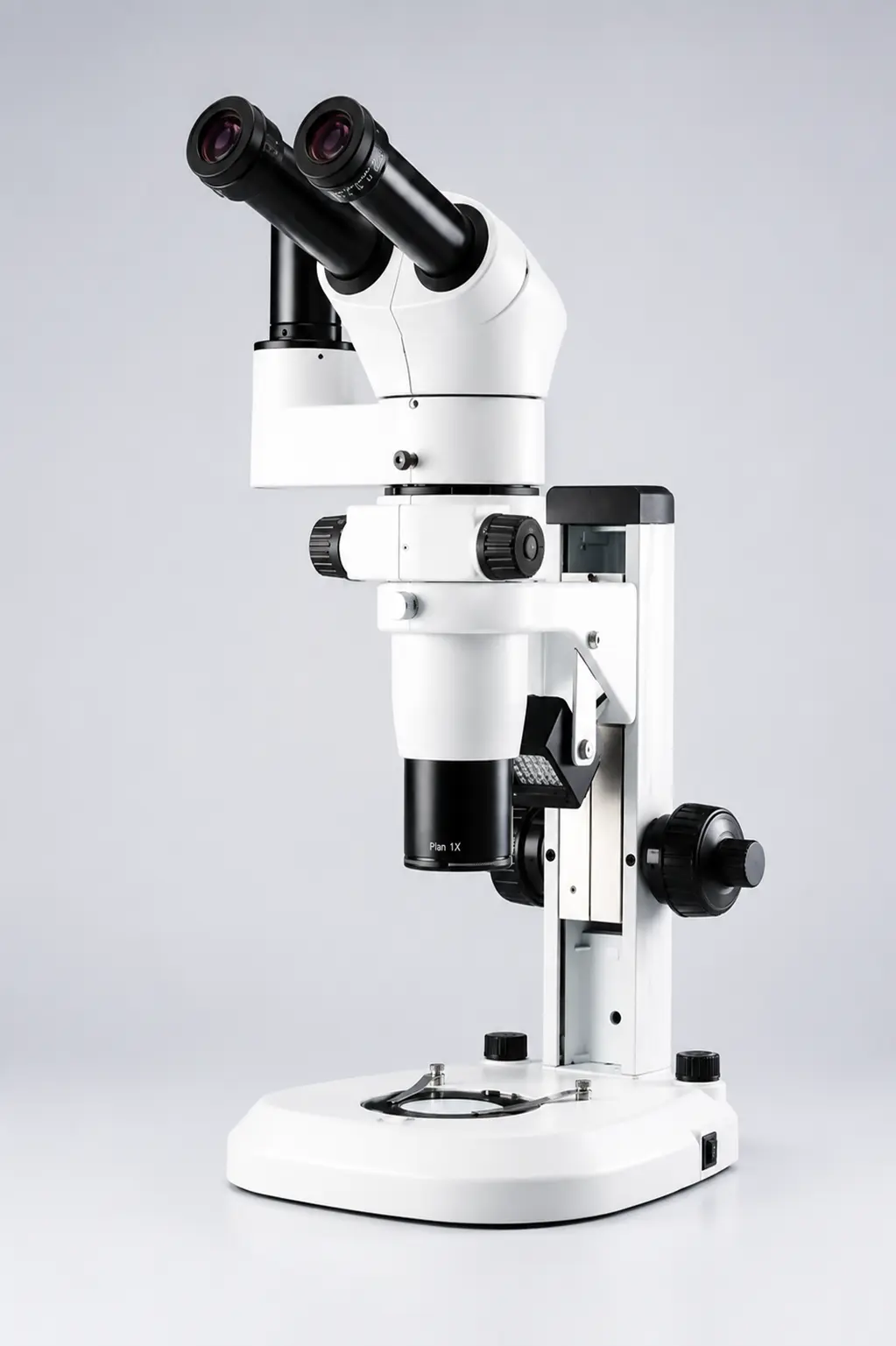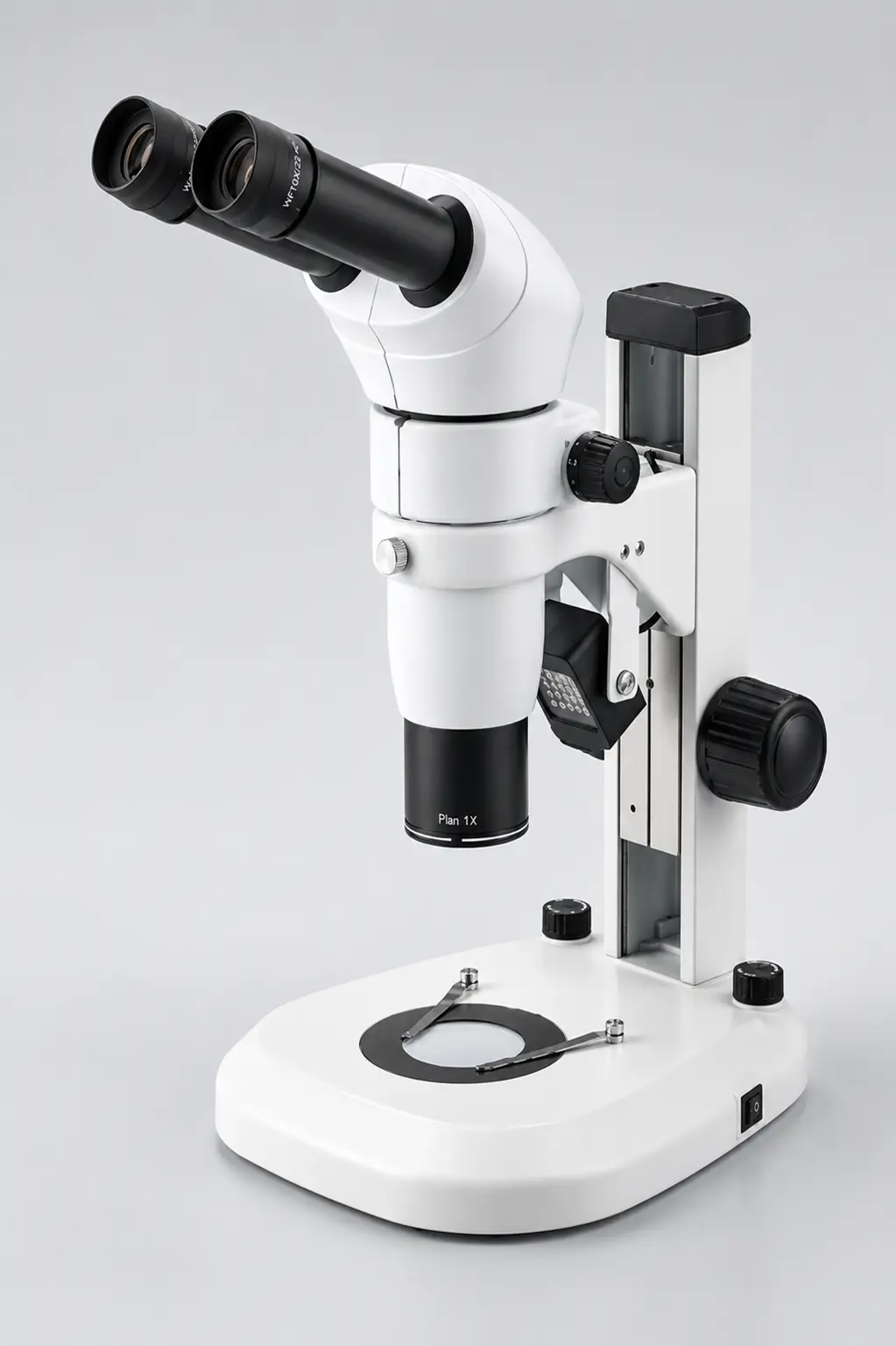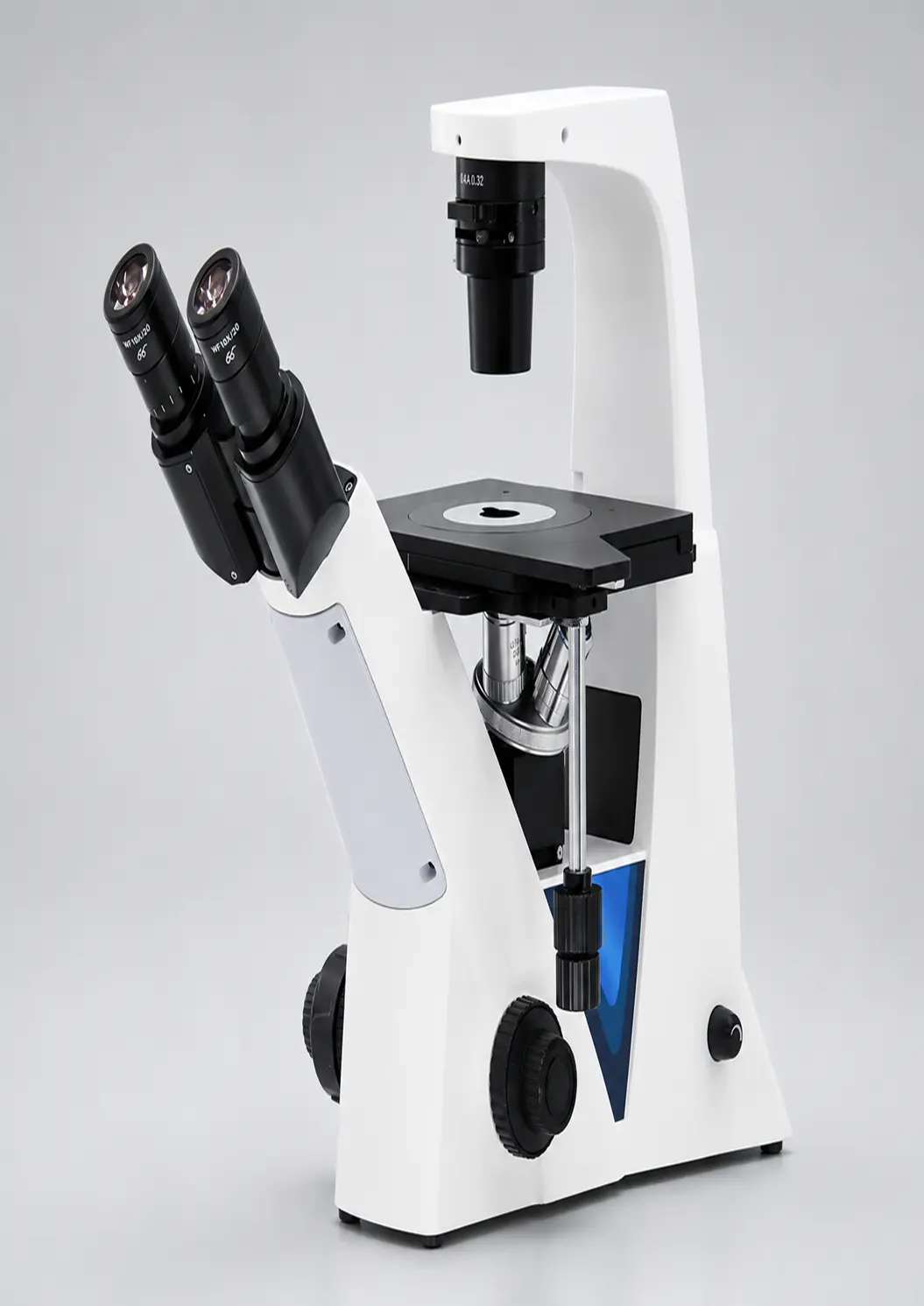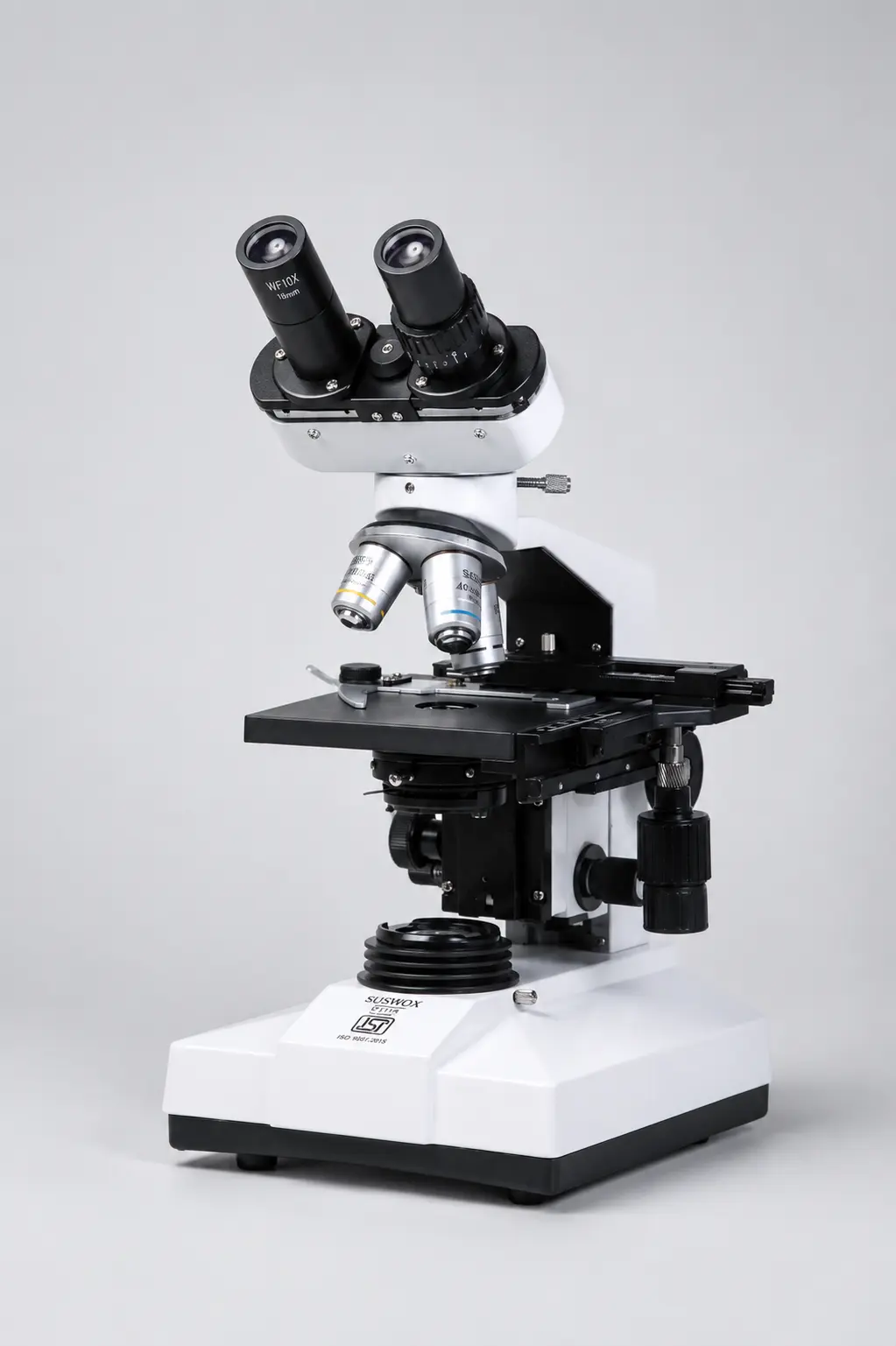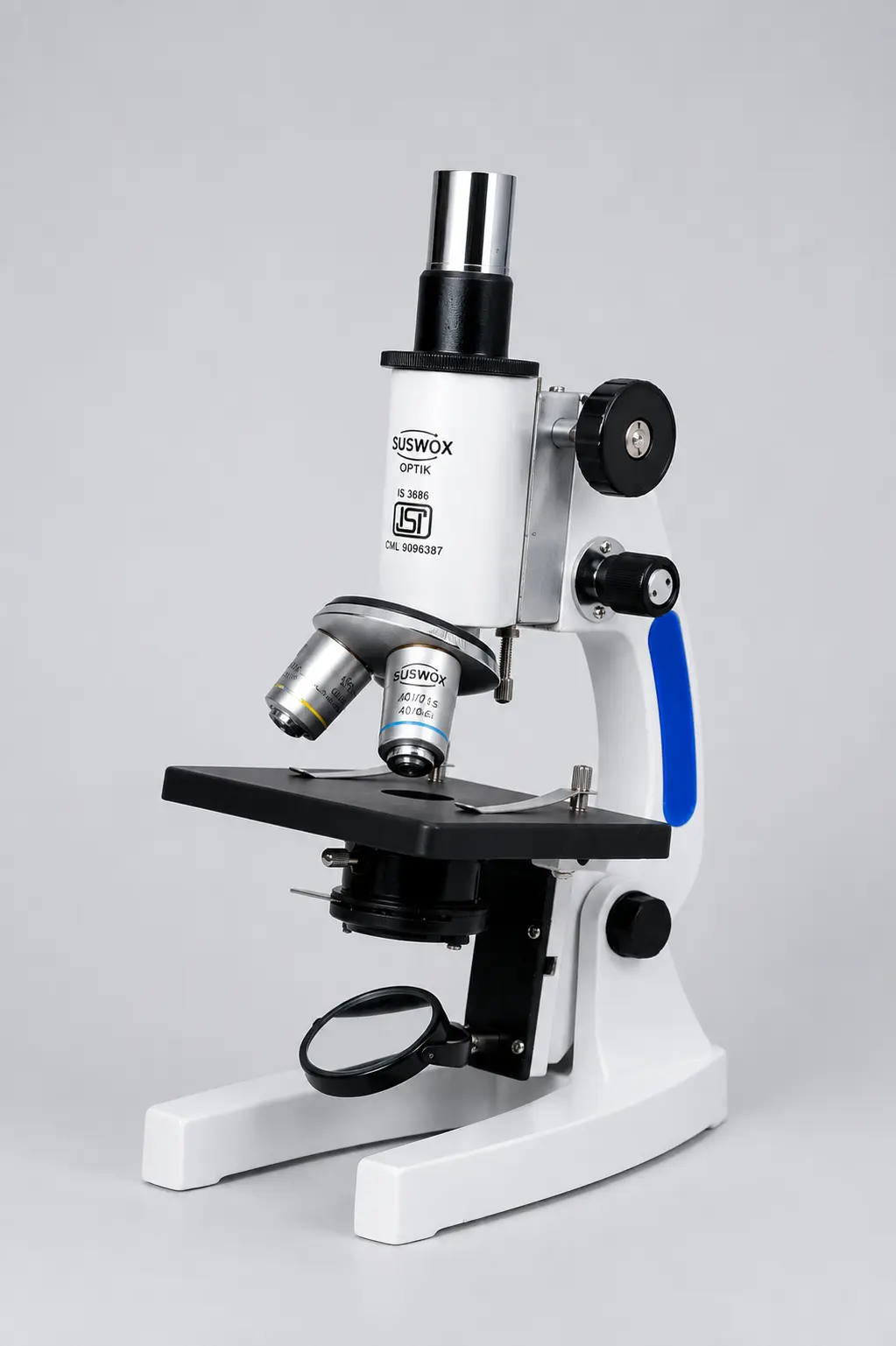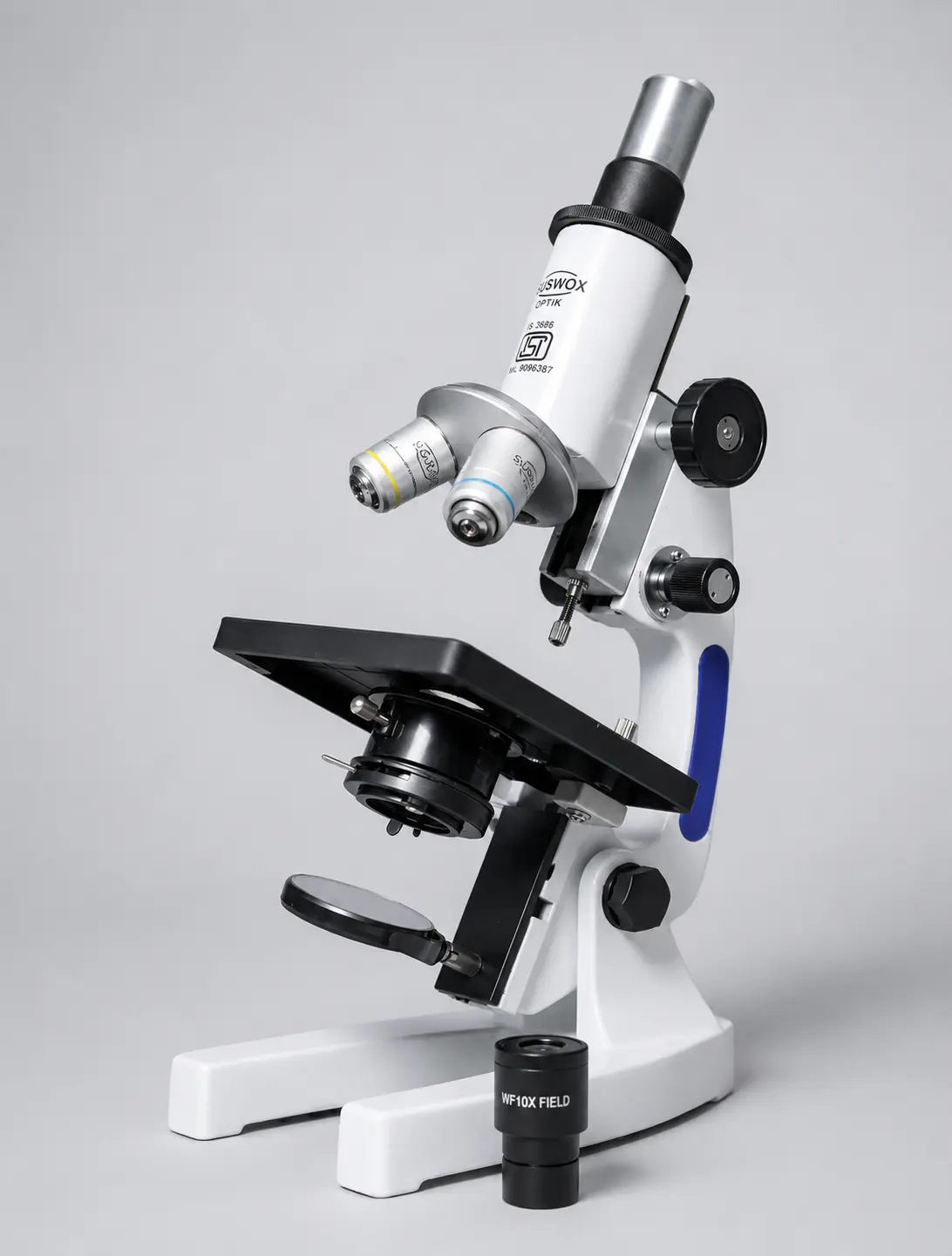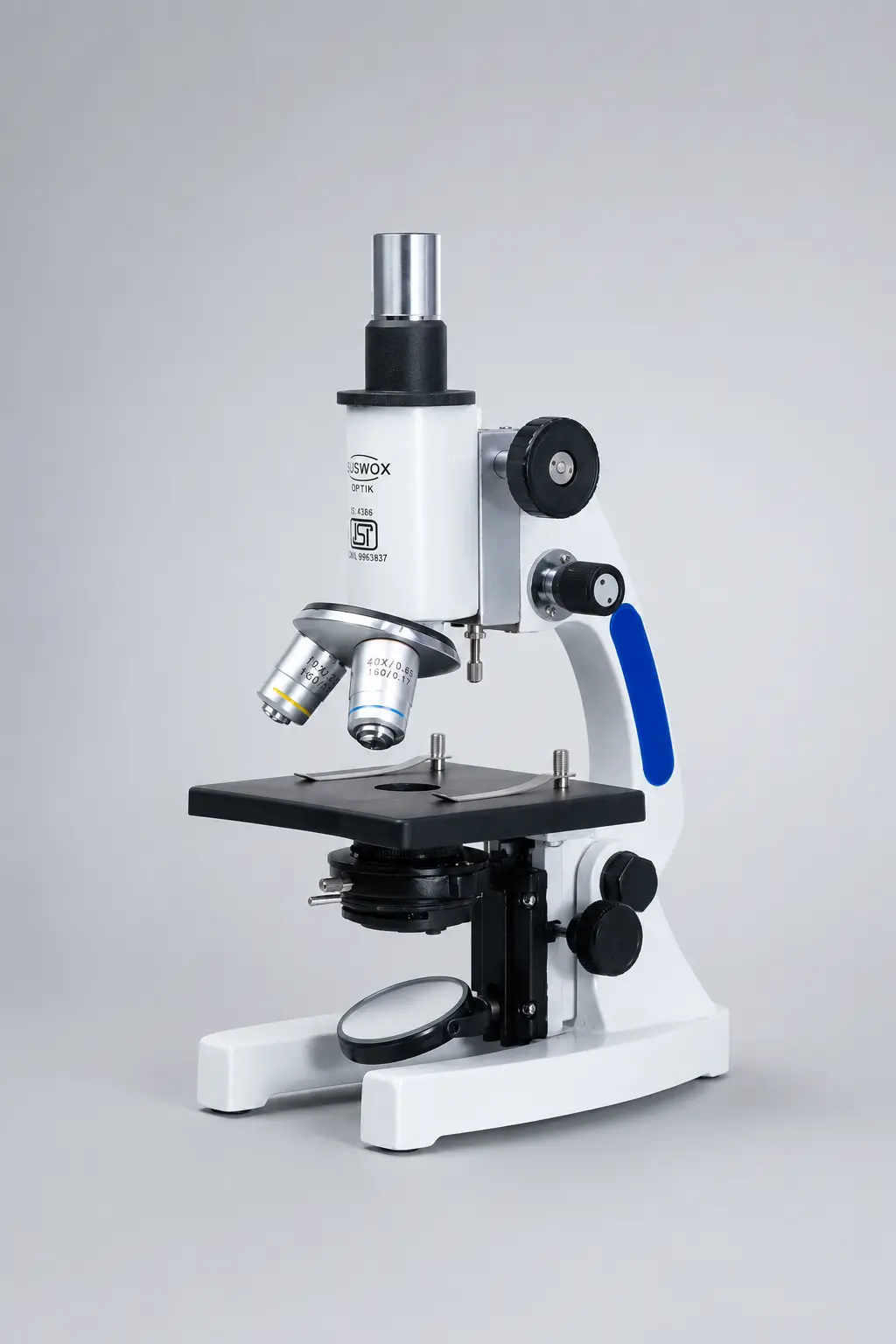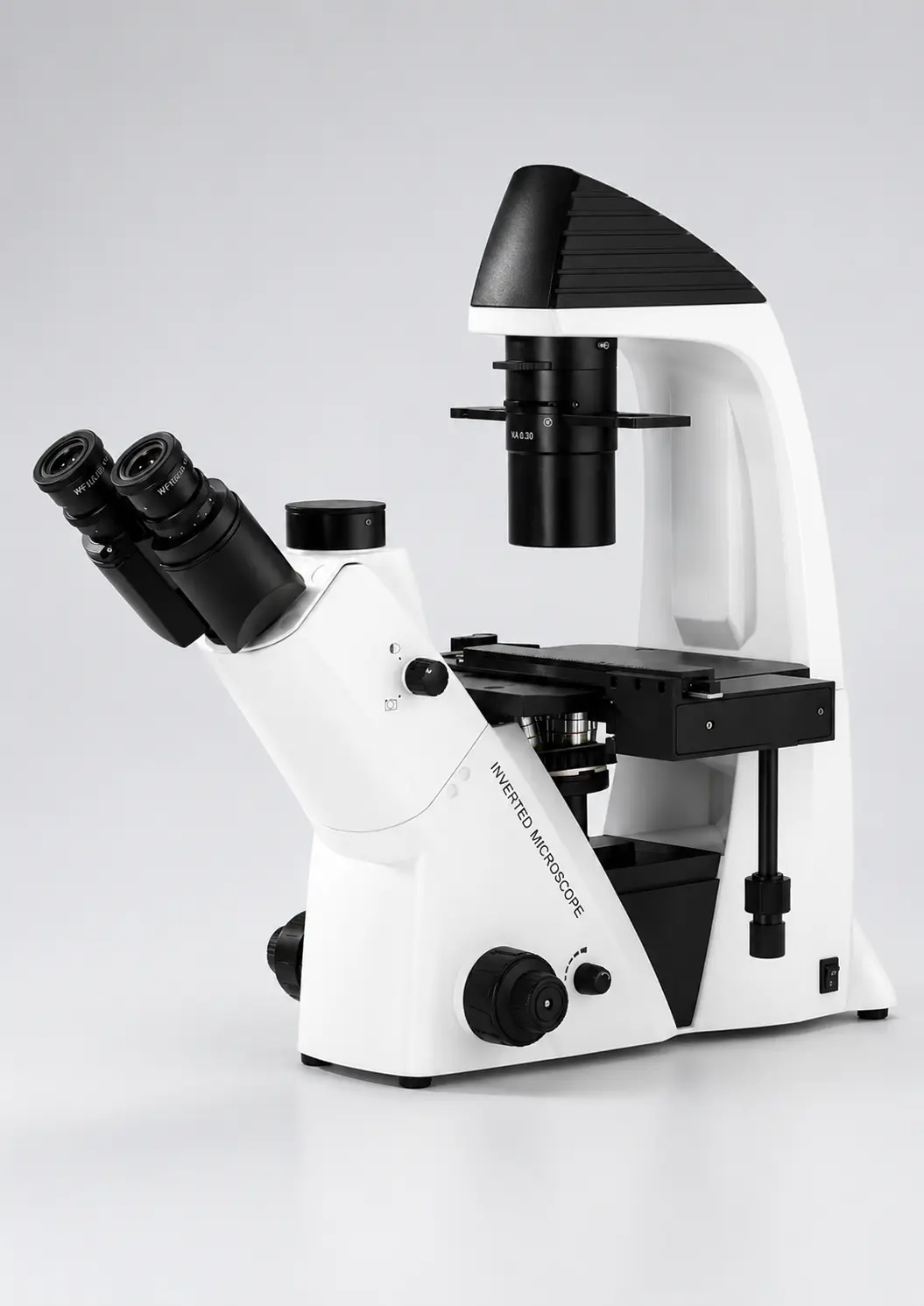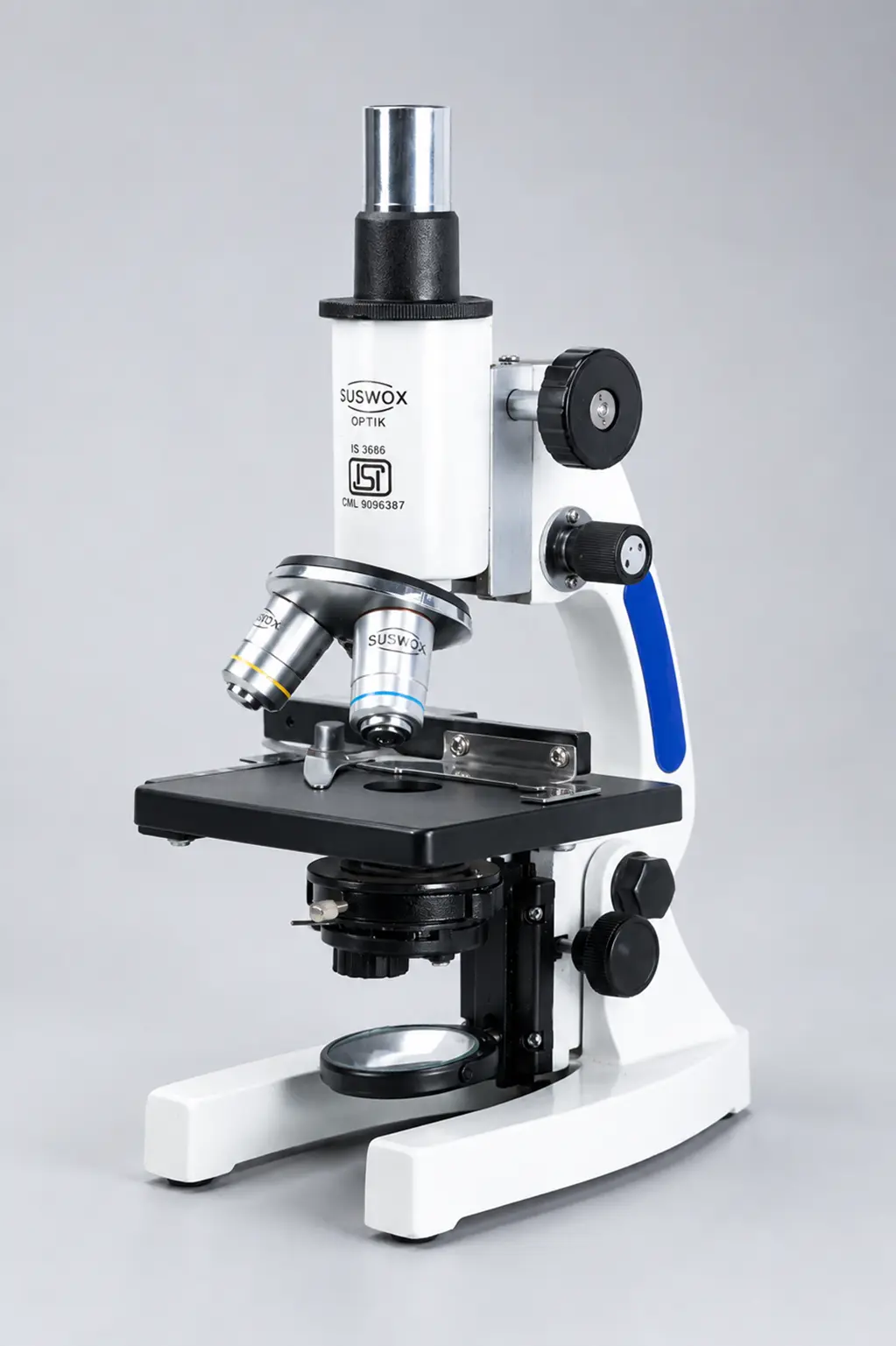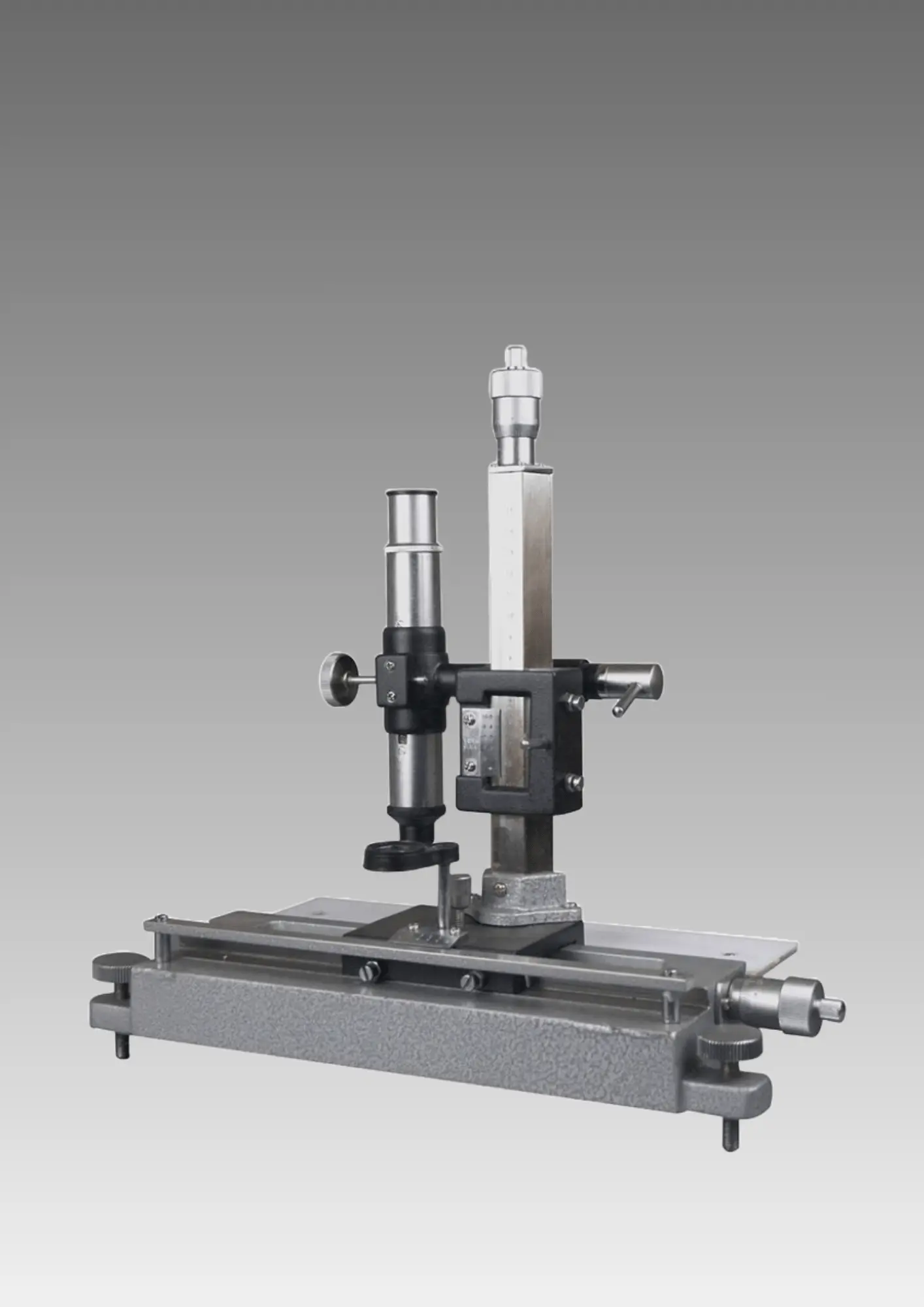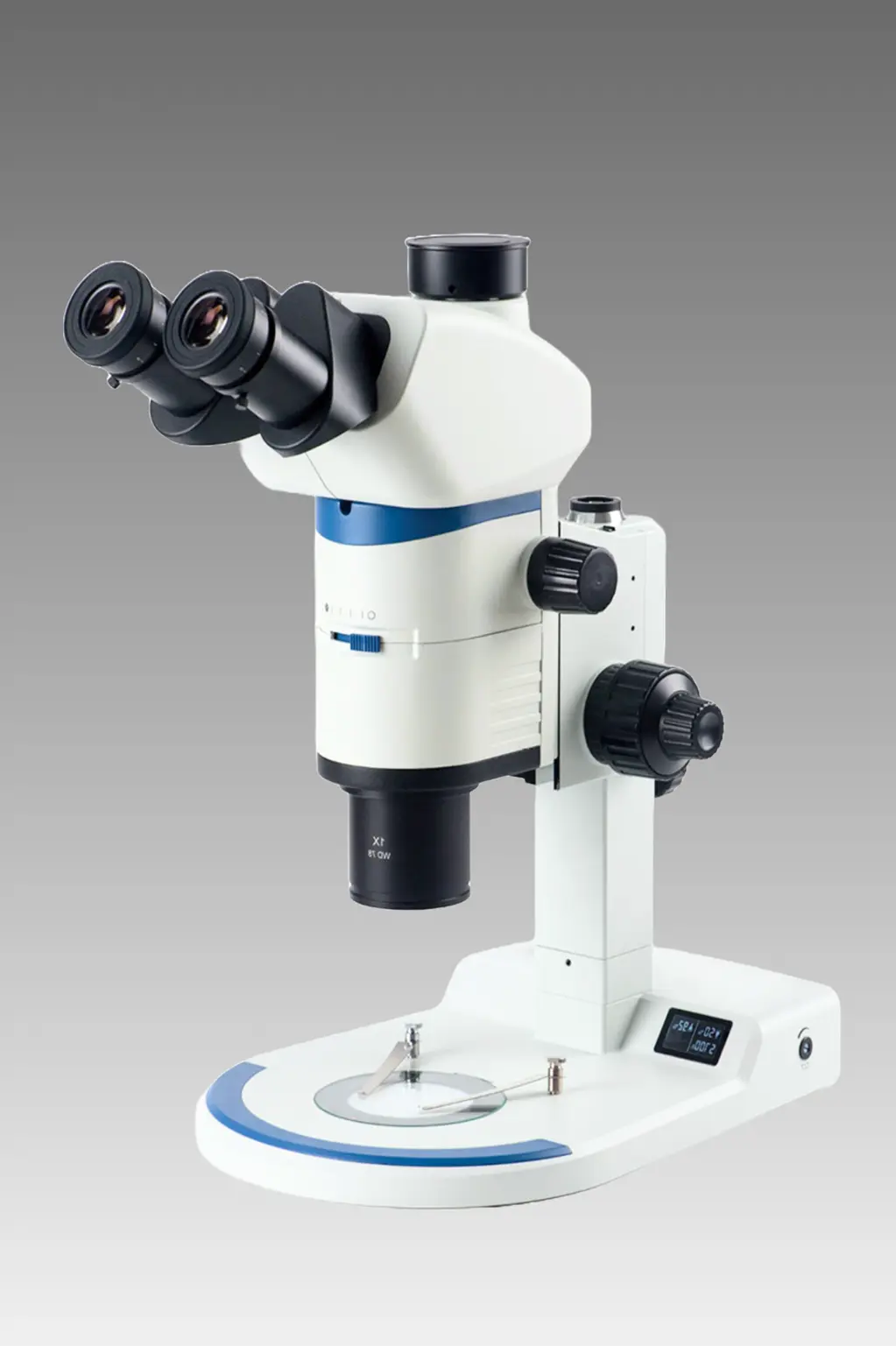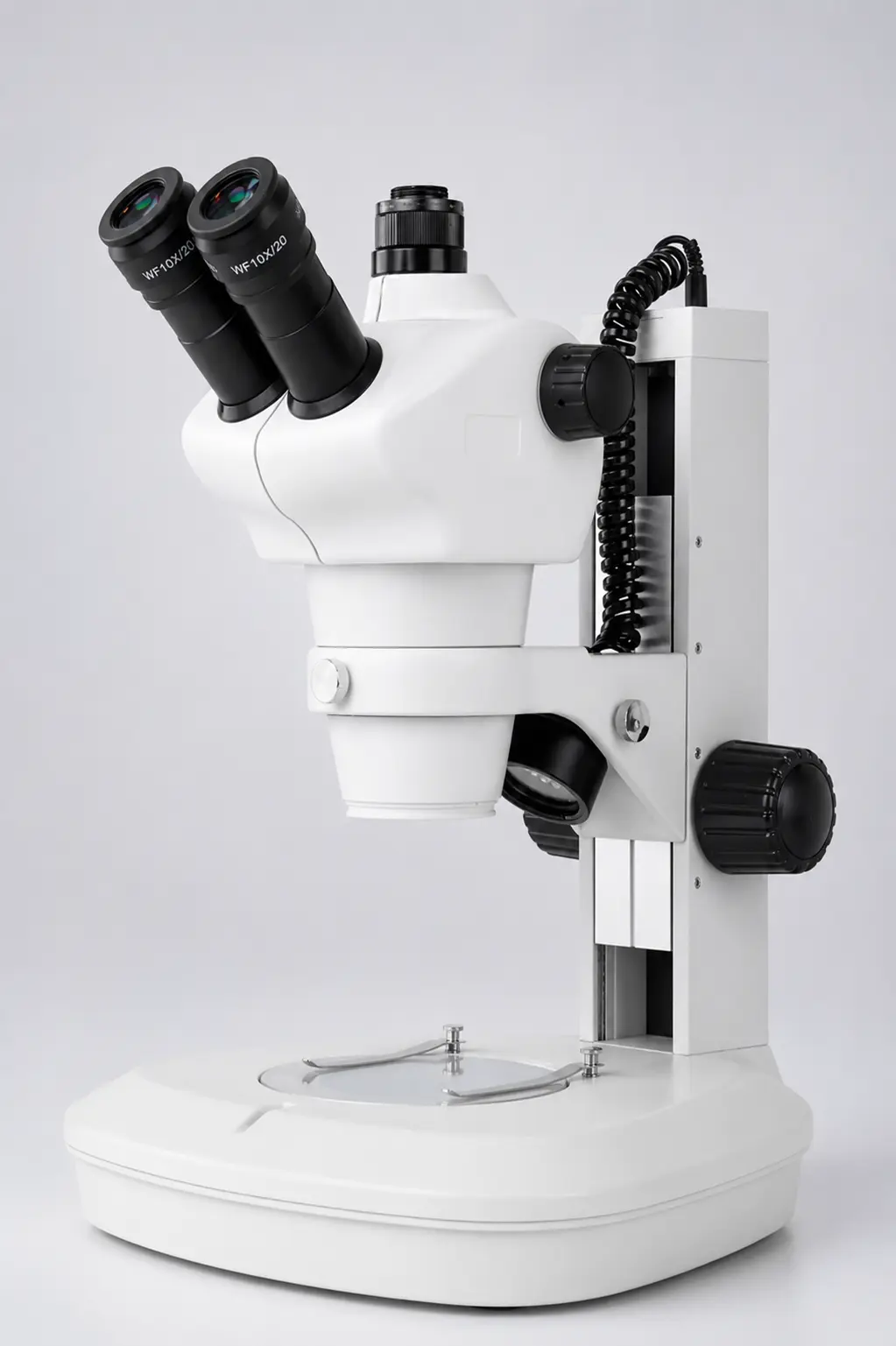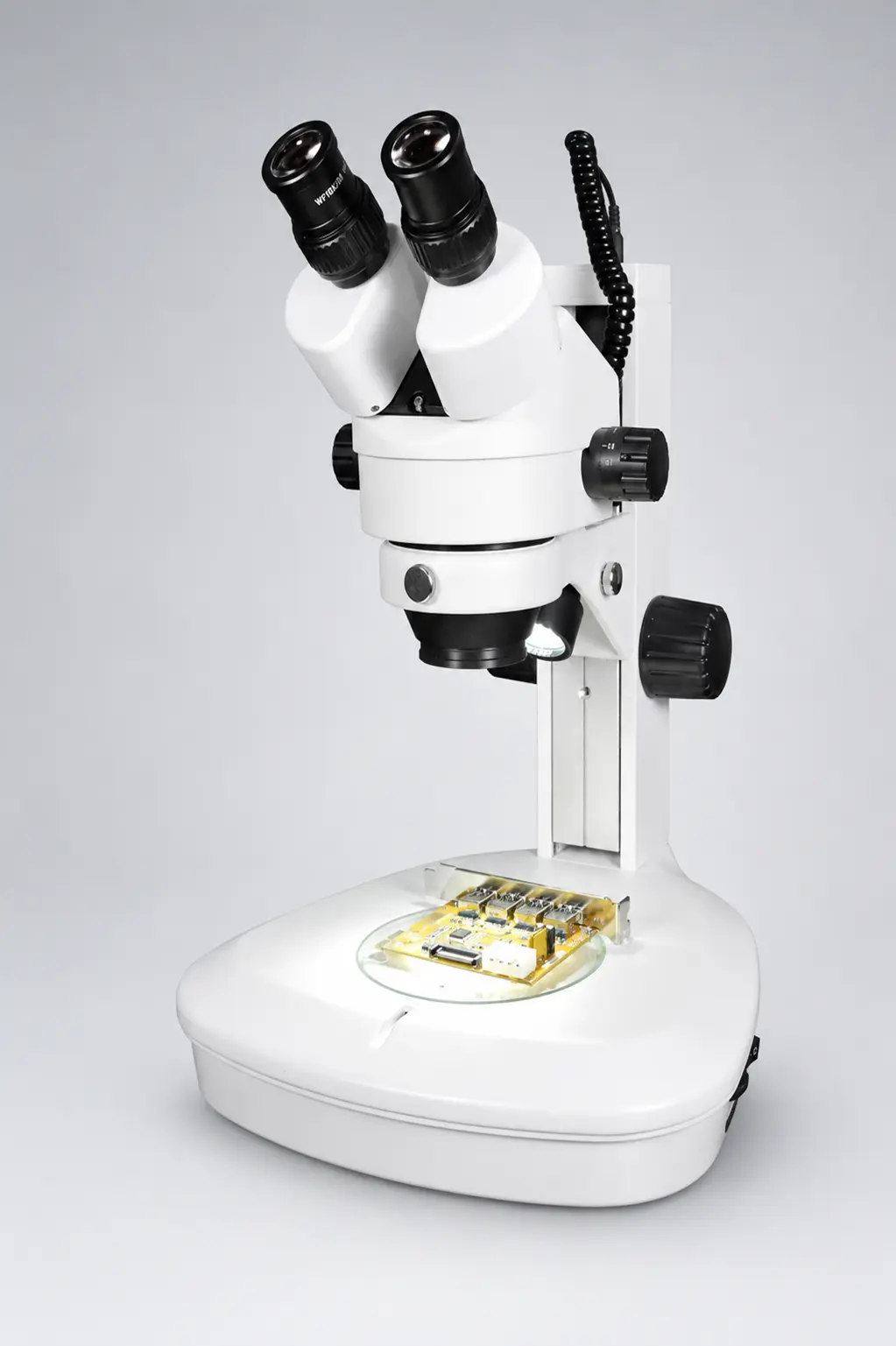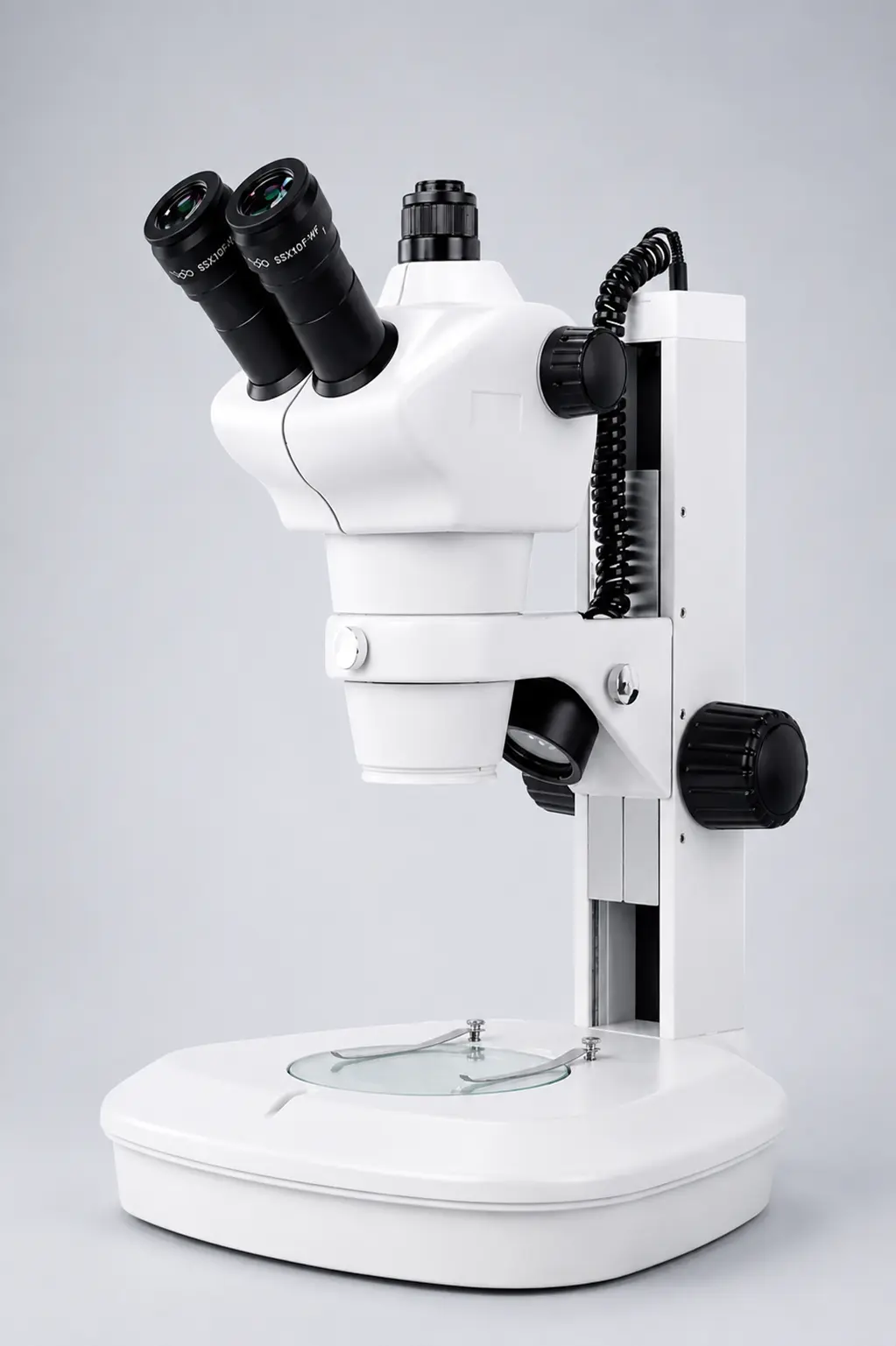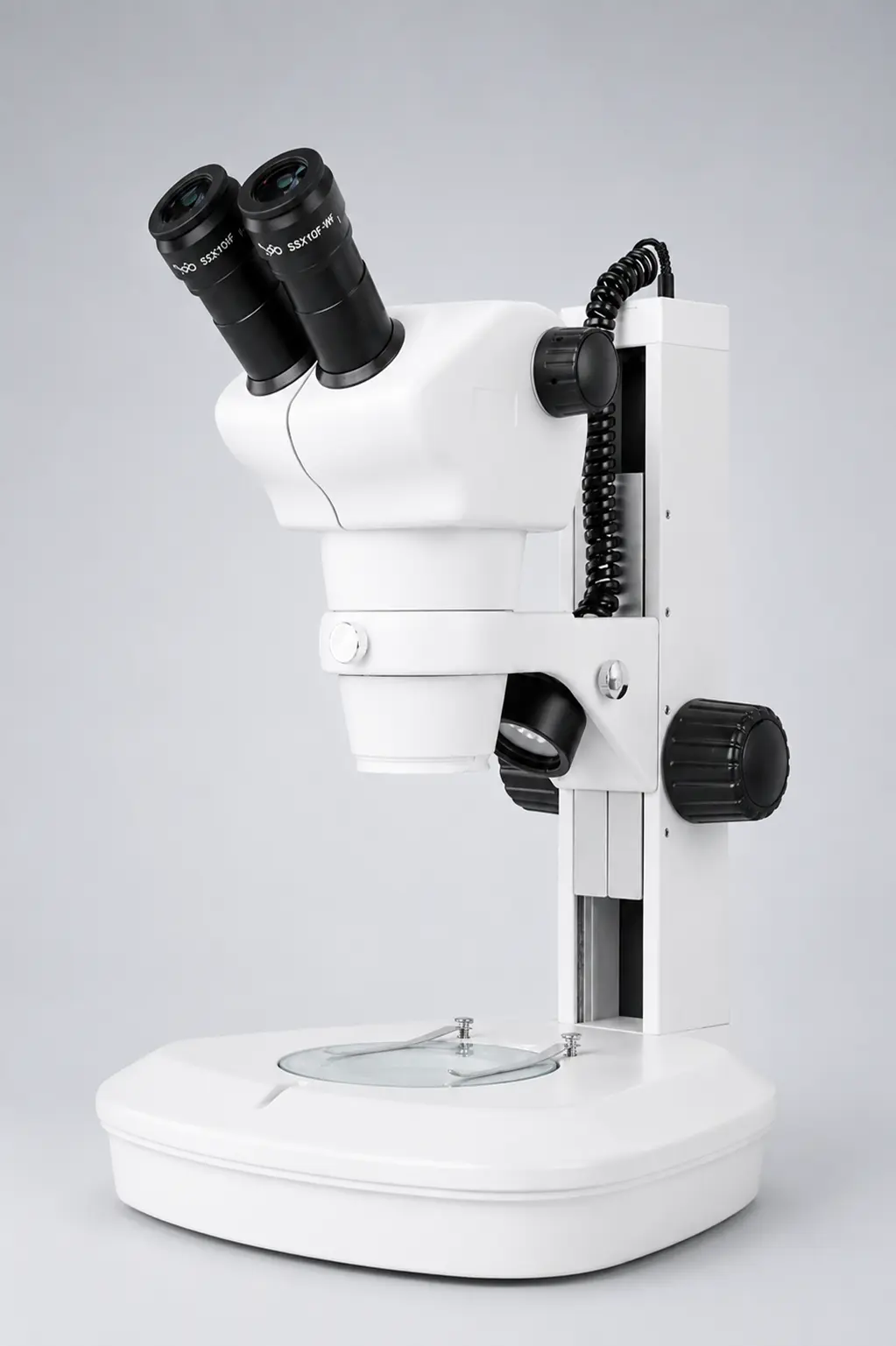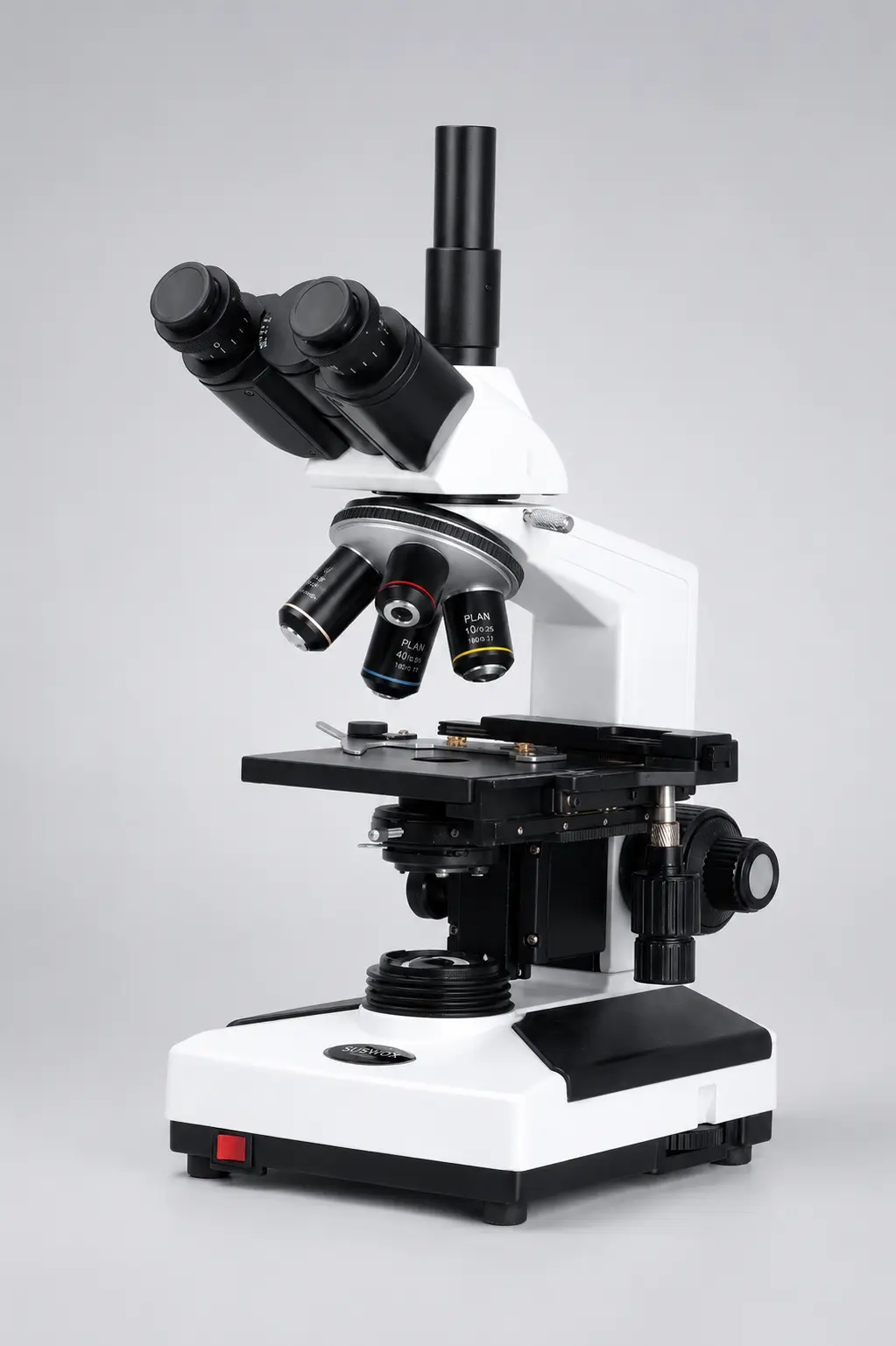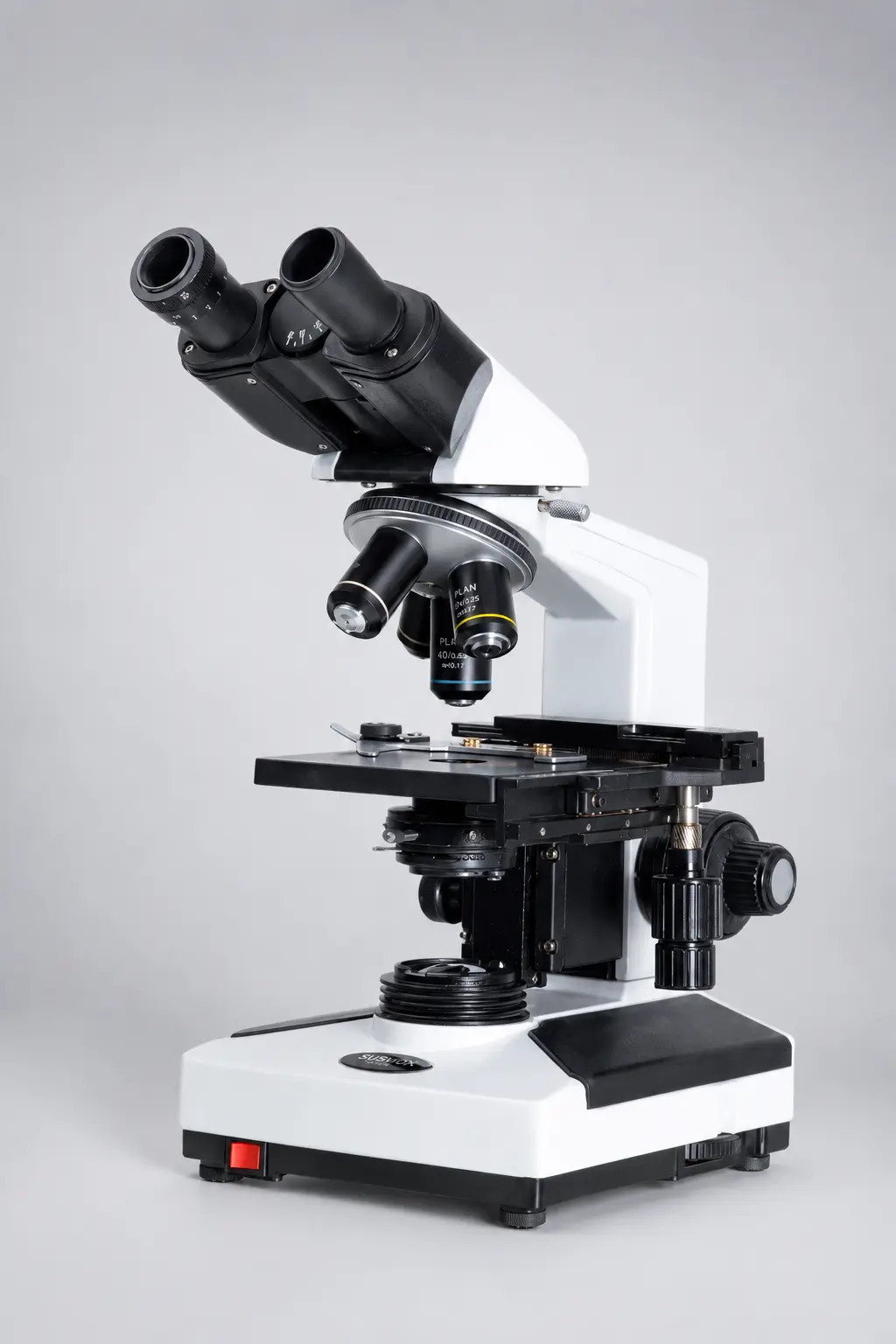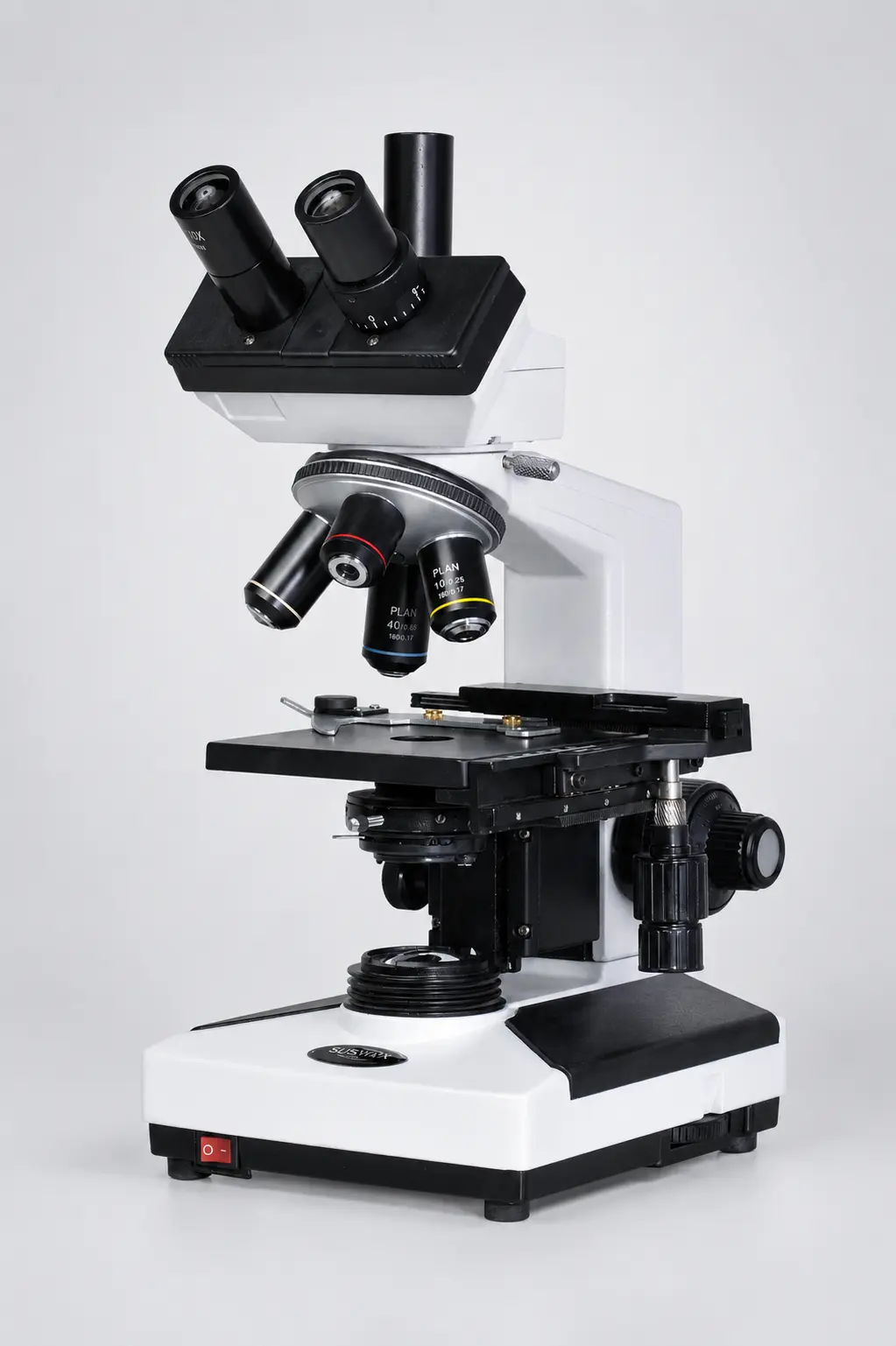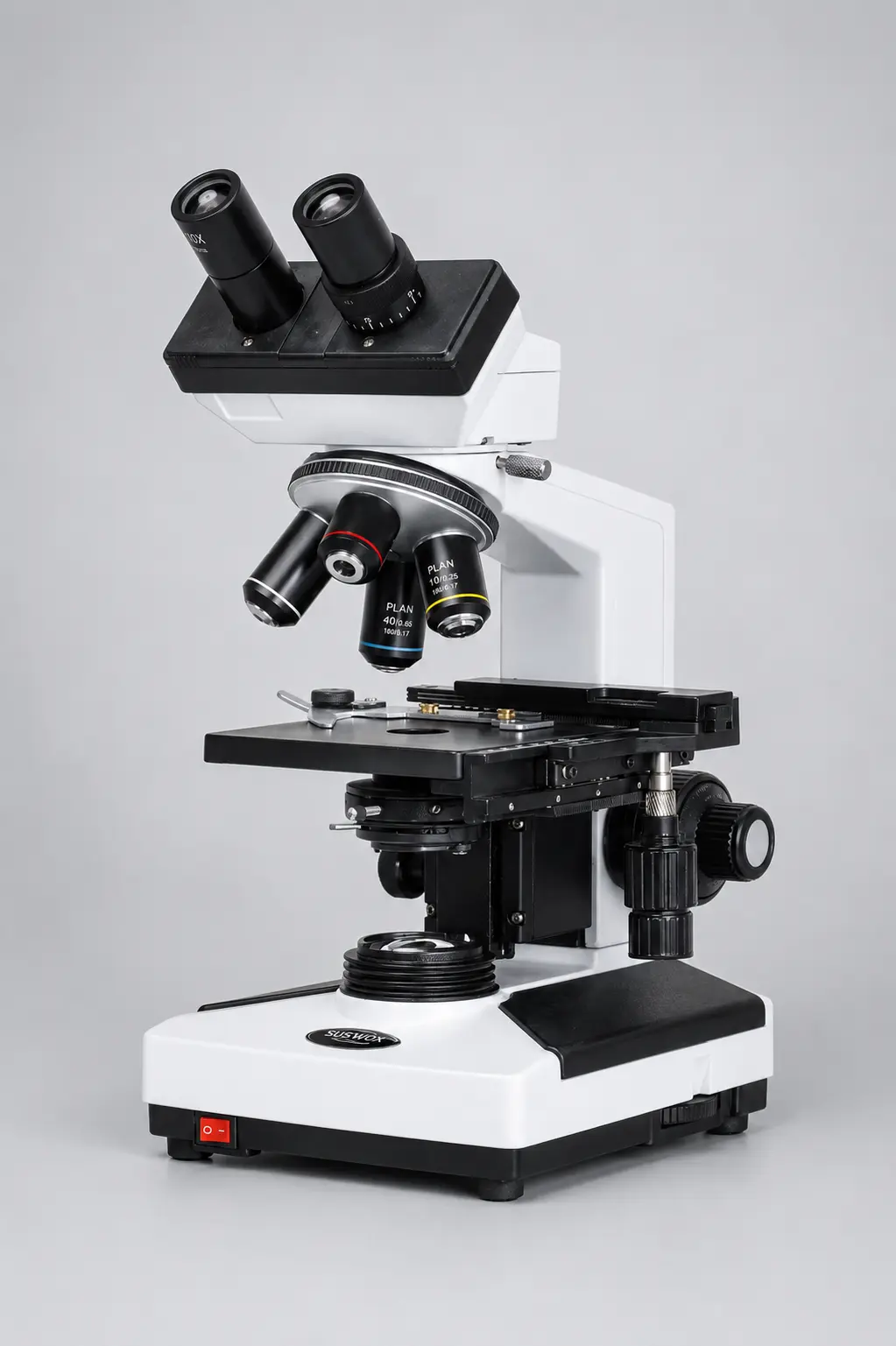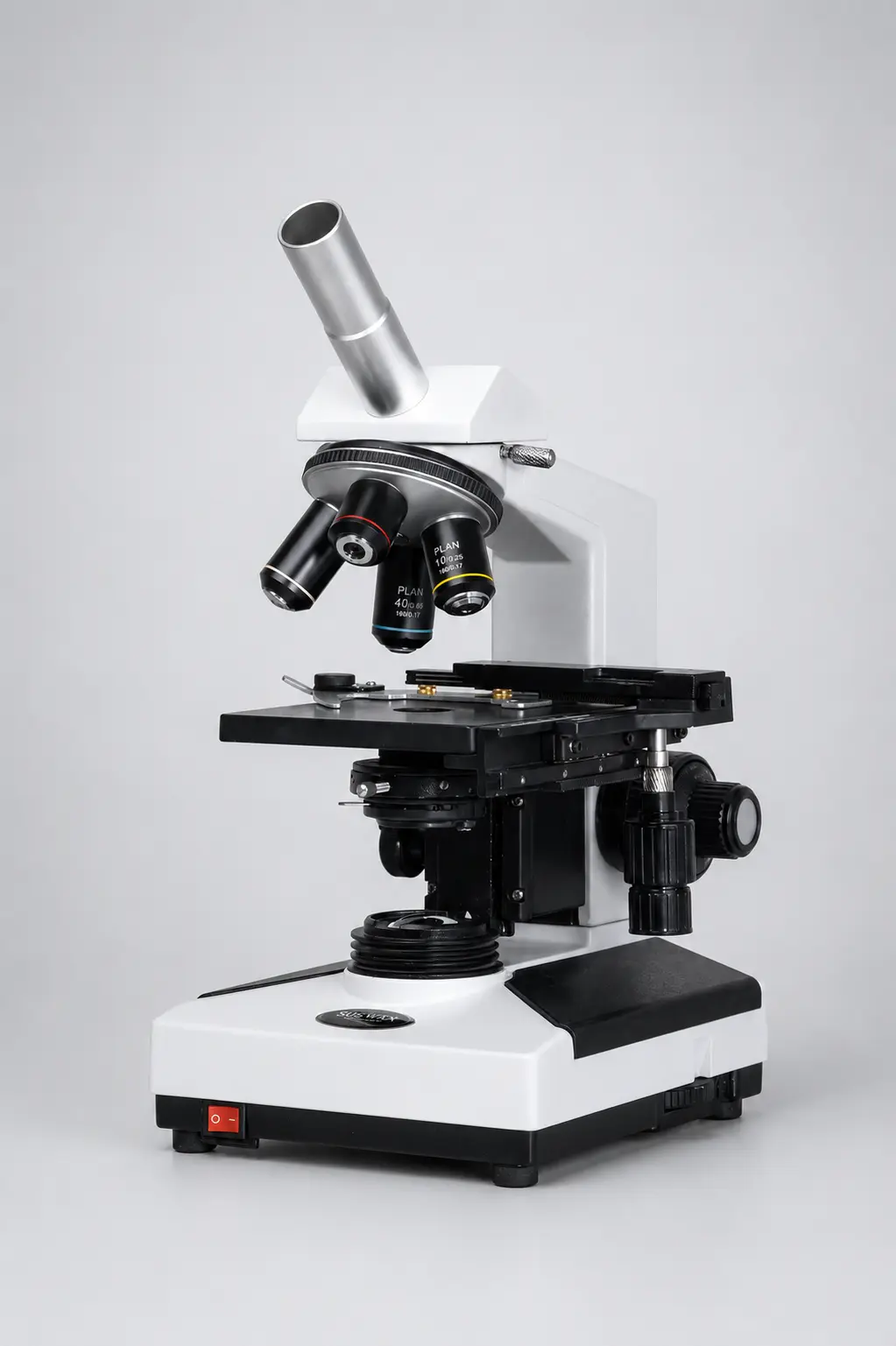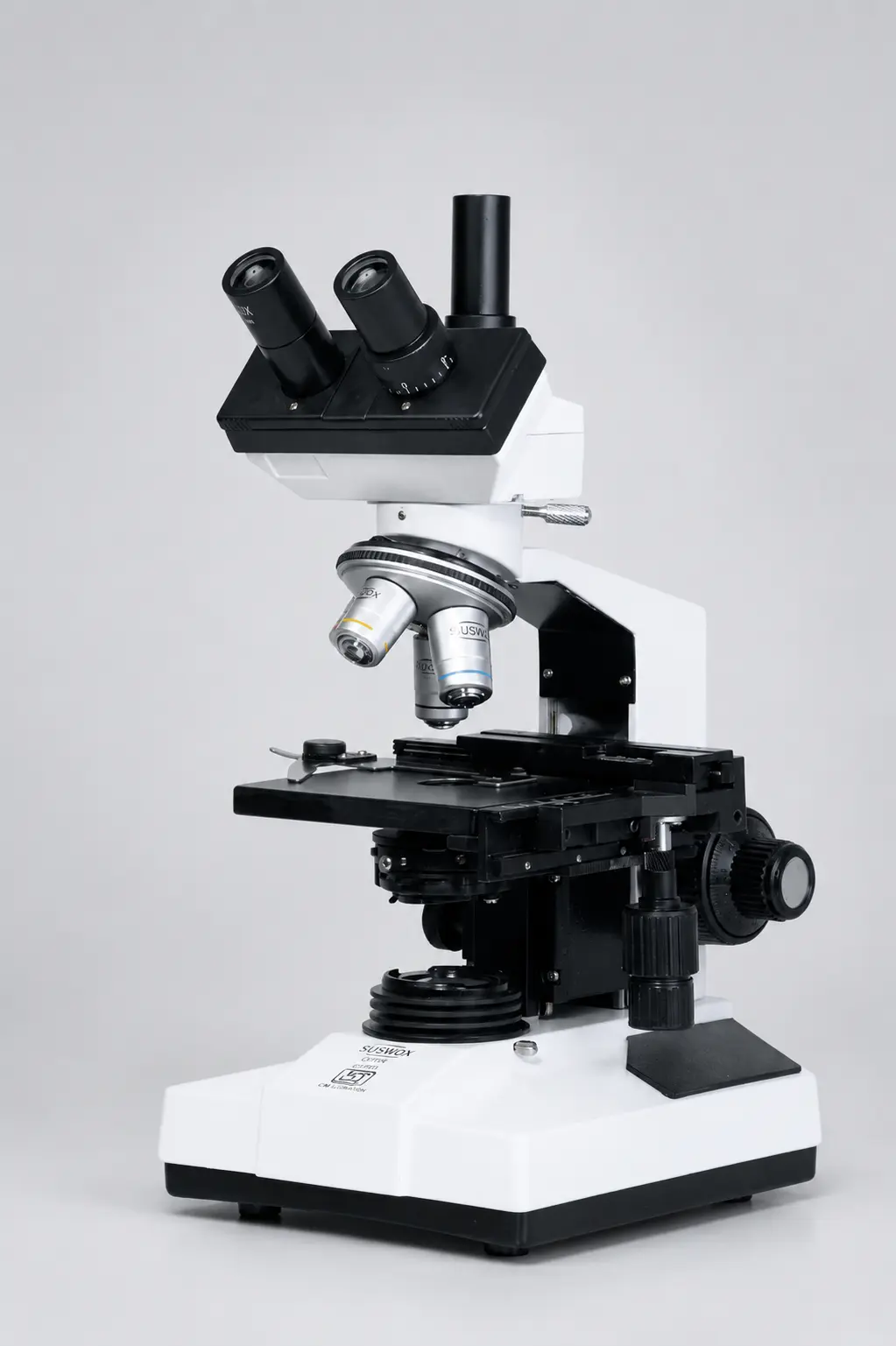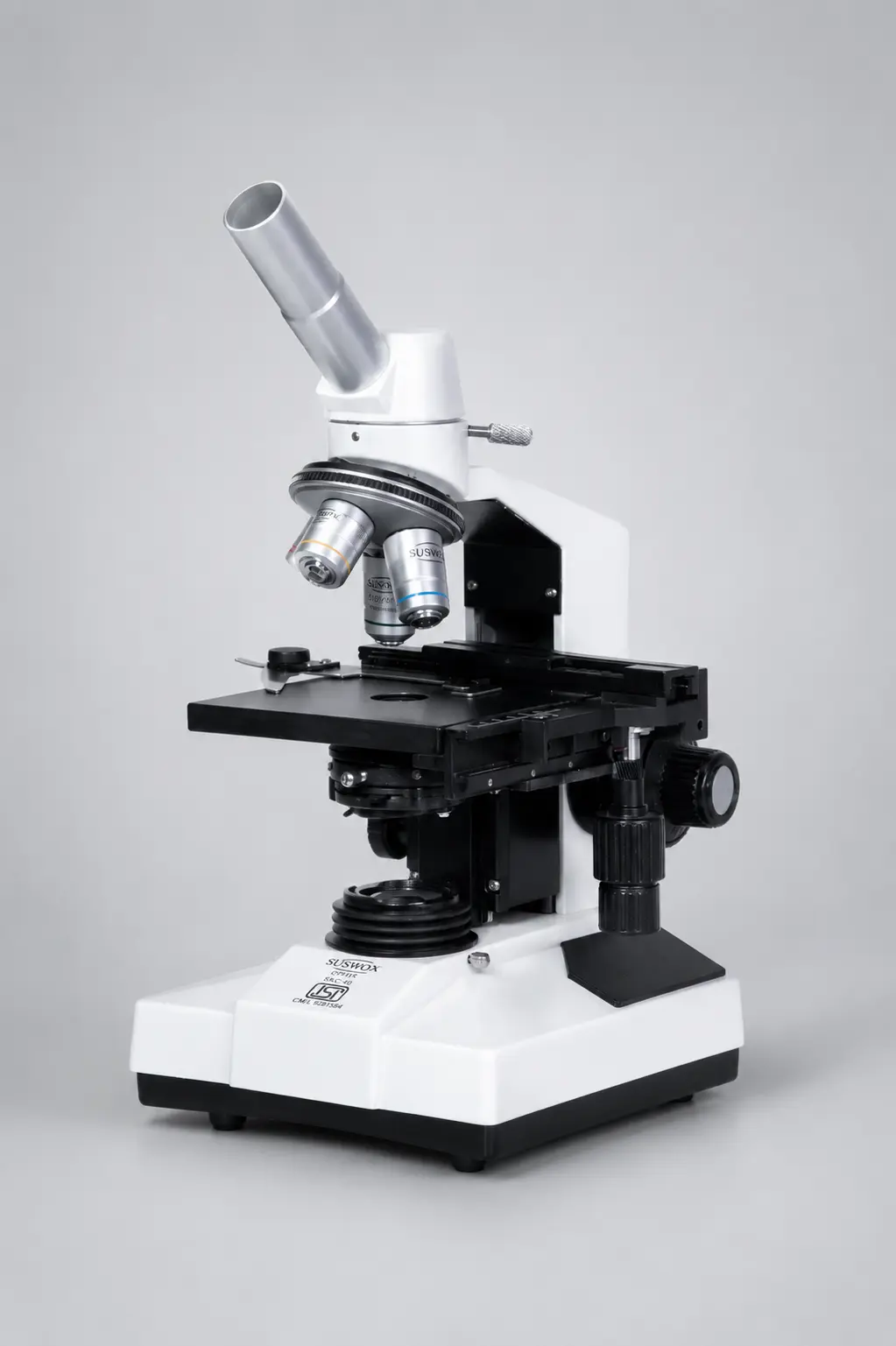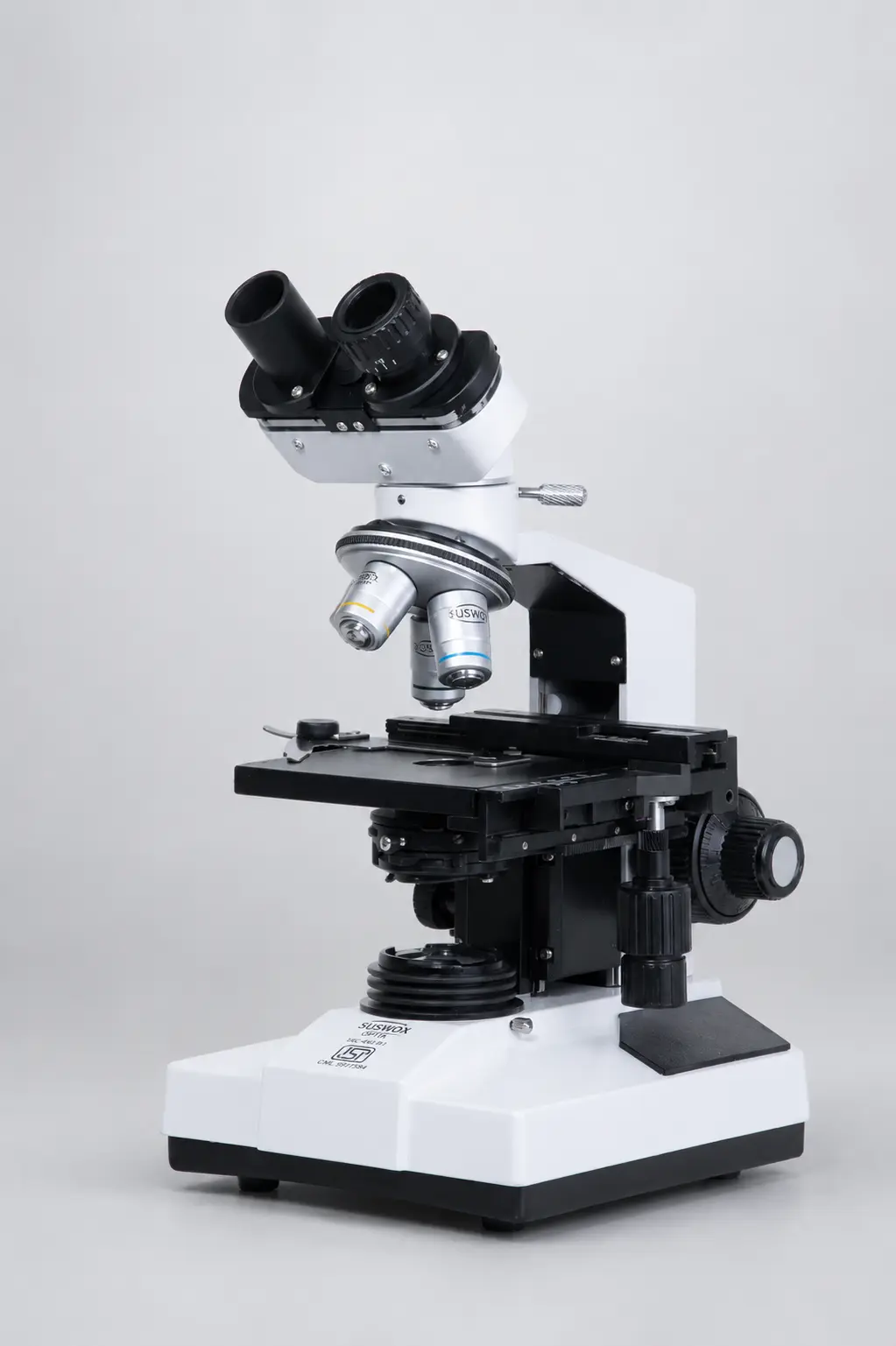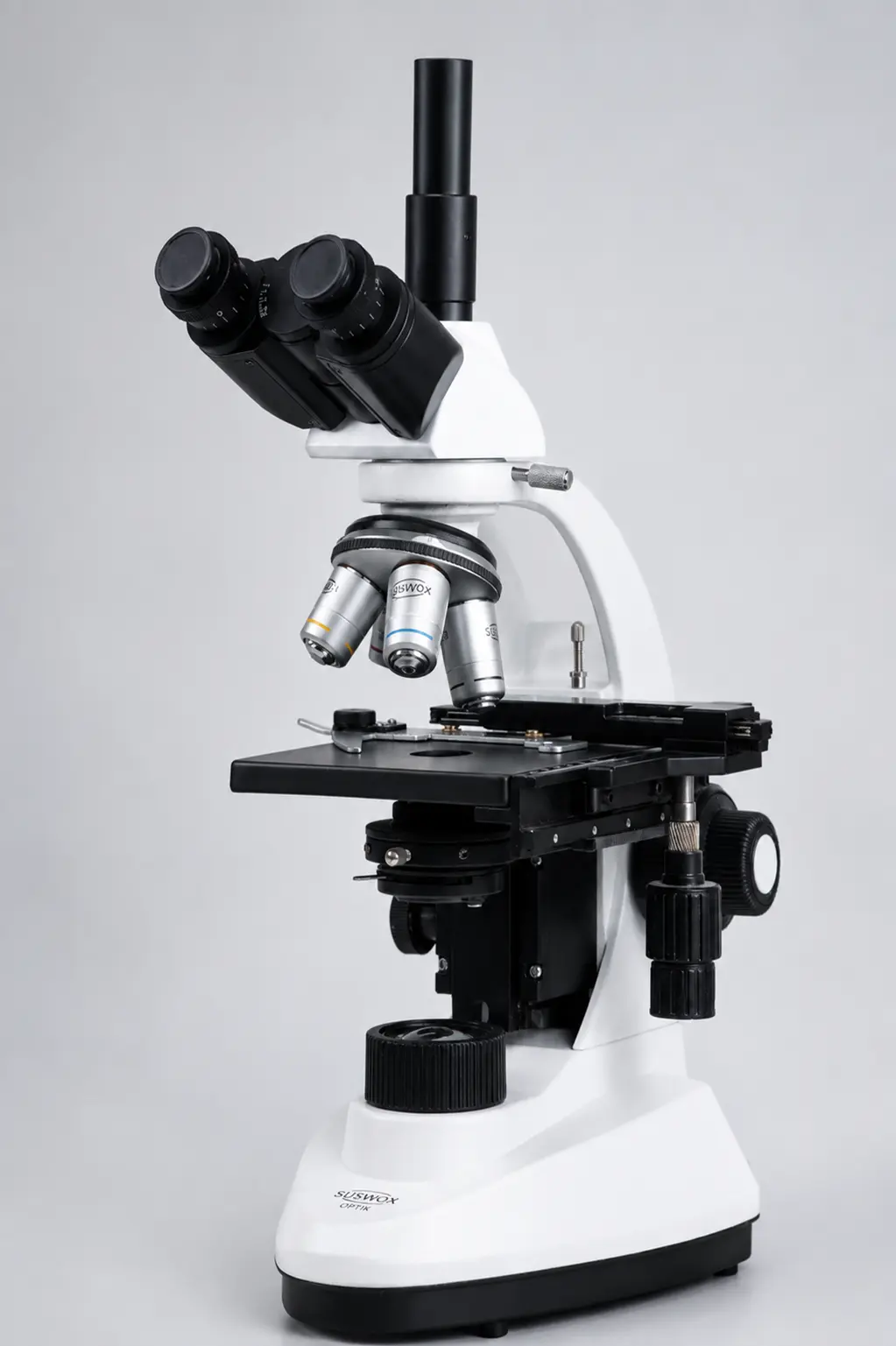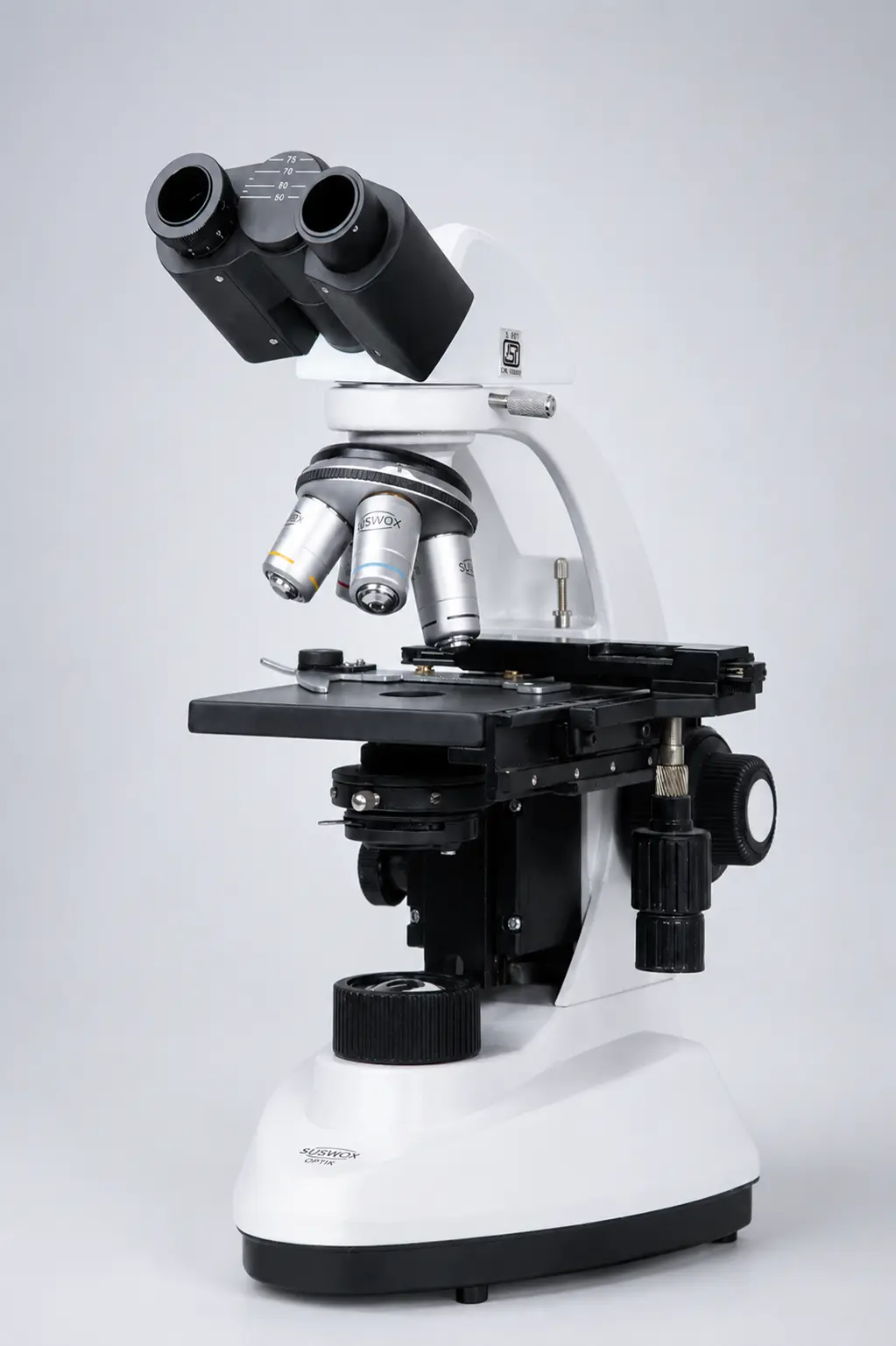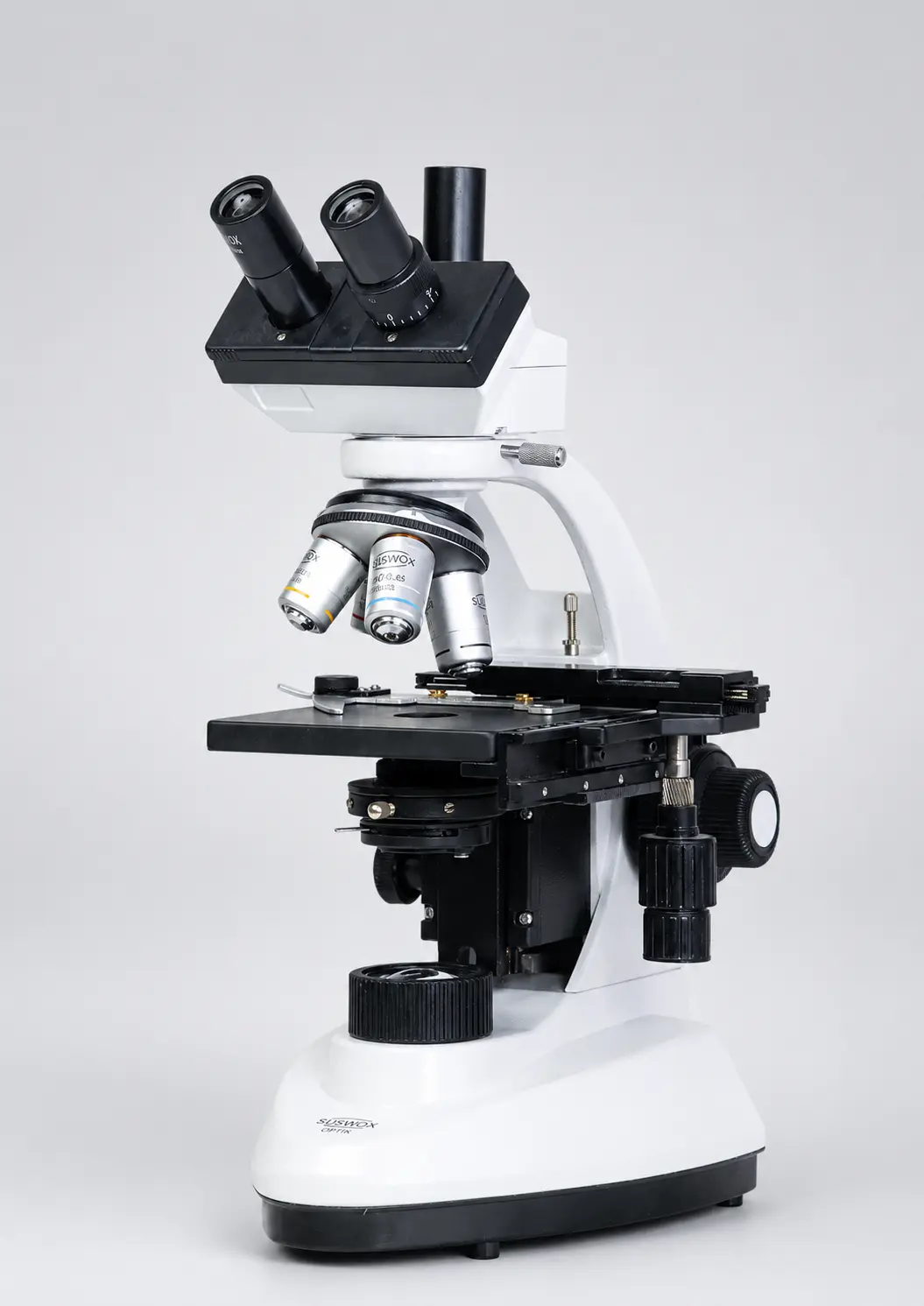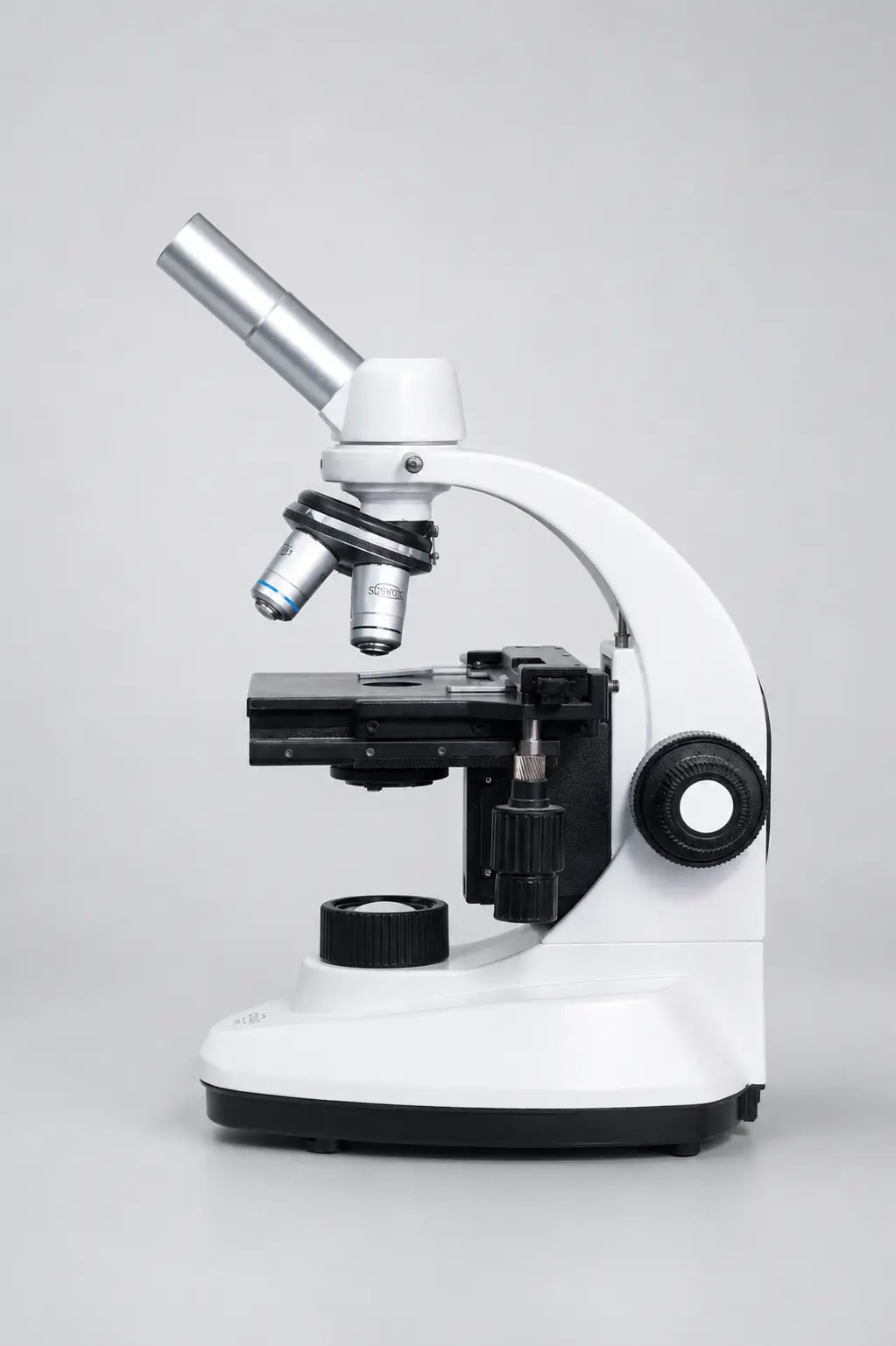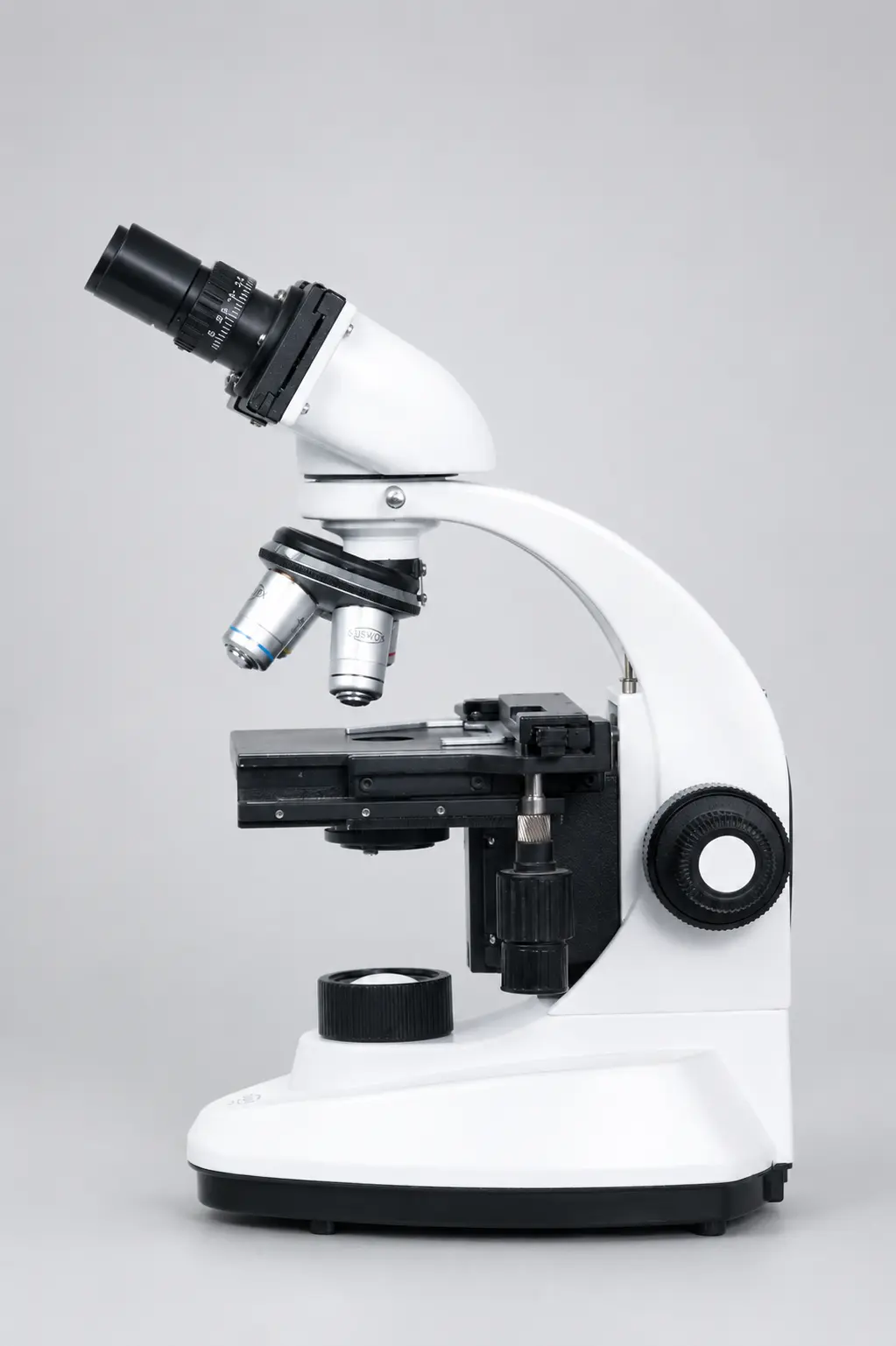
A government medical college in Punjab bought twelve imported binocular microscopes in 2019. Reputed brand. Impressive quotation. Two years later a stage clamp snapped on one unit and a 40x objective went hazy after a bad monsoon.
The replacement parts took seven months to arrive.
Seven months of two benches sitting empty in a teaching lab, while second-year students took turns on the remaining ten. Nobody had asked about spare part availability at the time of purchase. The specification sheet looked excellent, so the question never came up.
This is the part of the made in India versus imported microscopes debate that specification sheets never cover. Optical performance is only the first thing a lab should compare. What happens in year three, year five and year ten matters just as much, and that is usually where the two options separate.
Are made in India microscopes as good as imported ones?
For routine laboratory, pathology, educational and industrial inspection work, a well-built Indian microscope performs on par with an imported unit at a fraction of the landed cost. The gap appears only at the specialised research end, such as confocal, fluorescence and advanced phase contrast systems, where imported optics still hold a genuine advantage.
That is the honest answer, and it is worth understanding why it is true.
Most laboratory work happens between 40x and 1000x on stained slides. Achromatic and semi-plan objectives at these magnifications are mature technology. The glass, the coatings and the grinding processes have been standardised for decades. An Indian unit built to ISI specification and an imported unit at the same objective grade will resolve the same bacterial smear with the same clarity.
Where imported systems still lead is at the top of the range. Motorised stages, apochromatic objectives corrected across four wavelengths, integrated fluorescence filter cubes and software-linked imaging platforms are areas where global manufacturers have invested heavily. If your lab does live cell imaging or publication-grade fluorescence work, that is a real consideration. For everything else, browse the microscope models built for exactly that work and compare the optical specification line by line.
What an imported microscope actually costs after landing
The quoted price is rarely the final price. Customs duty, IGST, freight, insurance, clearing charges and inland transport all stack on top, and by the time the instrument reaches the bench the figure has usually moved a long way from the number on the proforma.
Then comes the part nobody budgets for.
Every service visit on an imported unit is routed through an authorised agent, often in another city. Objectives, condensers, illumination assemblies and stage components have to be indented from the parent company. Currency movement between the order date and the delivery date changes the amount again. And warranty terms on many imported instruments do not cover freight for the returned part.
An Indian-made unit removes most of that. The manufacturer is a phone call away, spares ship domestically, and the price you agreed is the price you pay.
Spare parts and service: where most labs get stuck
Ask any lab technician who has run the same instrument for a decade and this is the first thing they will bring up.
A microscope is not a sealed appliance. Objectives get scratched. Stage rack and pinion mechanisms wear out. Focus knobs develop play. LED assemblies fail. Coarse focus tension needs re-adjustment. None of this is a defect, it is simply what happens to a mechanical instrument used for six hours a day across ten years.
The question is what happens next. With an imported instrument, availability of a part depends on whether the model is still in production globally and whether the Indian agent still holds the distributorship. Models get discontinued. Distributorships change hands. Many labs have discovered mid-repair that their instrument has become an orphan.
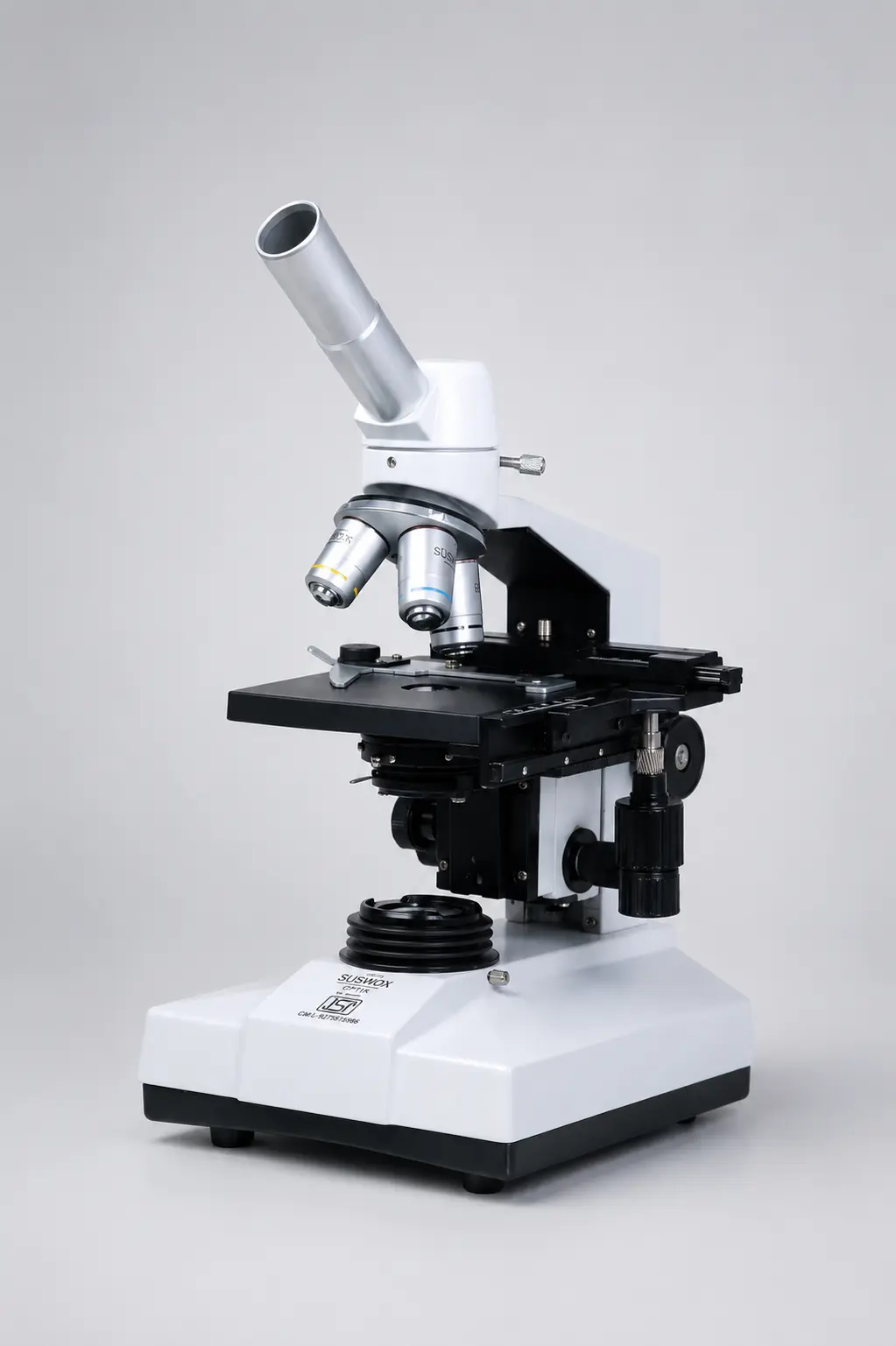
A domestic manufacturer holds a different position, because the same unit that assembled your instrument still holds the drawings and the tooling. SUSWOX, as a microscope manufacturer in India operating from its own Ambala facility since 1973, still supplies spares for models sold two decades ago. That continuity is not marketing language, it is a direct consequence of manufacturing rather than reselling.
What tenders and GeM listings actually expect
Institutional buying adds a layer that private labs never encounter.
Government tenders and GeM procurement usually require the ISI mark, an OEM certificate, an authorisation letter, a technical compliance sheet and a proforma invoice with GST clearly broken out. Some tenders additionally carry Make in India preference under public procurement policy, which gives domestic manufacturers a scoring advantage on local content.
An importer or trader cannot issue an OEM certificate for a product they did not manufacture. They have to route the request back to the principal abroad, which adds weeks and sometimes derails the bid entirely. A domestic manufacturer issues the whole documentation set directly.
For AIIMS campuses, state universities and government medical colleges, that difference decides who can realistically participate in the tender.
When an imported microscope is genuinely the right choice
There are cases where it is, and pretending otherwise helps nobody.
If your work involves confocal imaging, super-resolution microscopy, advanced fluorescence with multiple filter sets, or electron microscopy, the Indian manufacturing base does not currently compete at that level. If a funded research protocol names a specific instrument model, that specification is usually non-negotiable. If your existing imaging software is locked to a particular vendor ecosystem, switching brands creates more problems than it solves.
Outside those situations, the case for importing gets thin very quickly.
How to compare the two before you place the order
Four questions settle it faster than any brochure.
First, ask for the objective specification in writing, not the magnification. Achromat, semi-plan or plan, and the numerical aperture at each power. Magnification alone tells you almost nothing about image quality.
Second, ask how long spares are guaranteed for that specific model, and get the answer in the quotation rather than over a phone call. Third, ask who physically performs the service, and where they are located. Fourth, ask for two reference installations of the same model that you can call. If you are still deciding which instrument type suits your samples at all, our guide to the different types of microscopes covers that ground first.
Labs that ask these four questions rarely end up with an empty bench for seven months.
Frequently Asked Questions
Are Indian microscopes ISI marked?
Reputable Indian manufacturers carry the ISI mark on their laboratory and student microscope ranges. SUSWOX supplies the certification documents along with the quotation and invoice, which most government tenders and institutional purchases require as standard.
Is an imported microscope better for a pathology lab?
Not usually. Routine haematology, histopathology and microbiology work sits well within the range of a good Indian-made compound microscope. The imported advantage appears in specialised fluorescence and research imaging, not in daily diagnostic workflow.
How much cheaper are made in India microscopes?
Once customs duty, IGST, freight and clearing charges are added to an imported unit, the difference is substantial across comparable specifications. The larger saving usually comes later, through domestic spare parts pricing and service without freight or agent margins.
Can Indian manufacturers customise a microscope configuration?
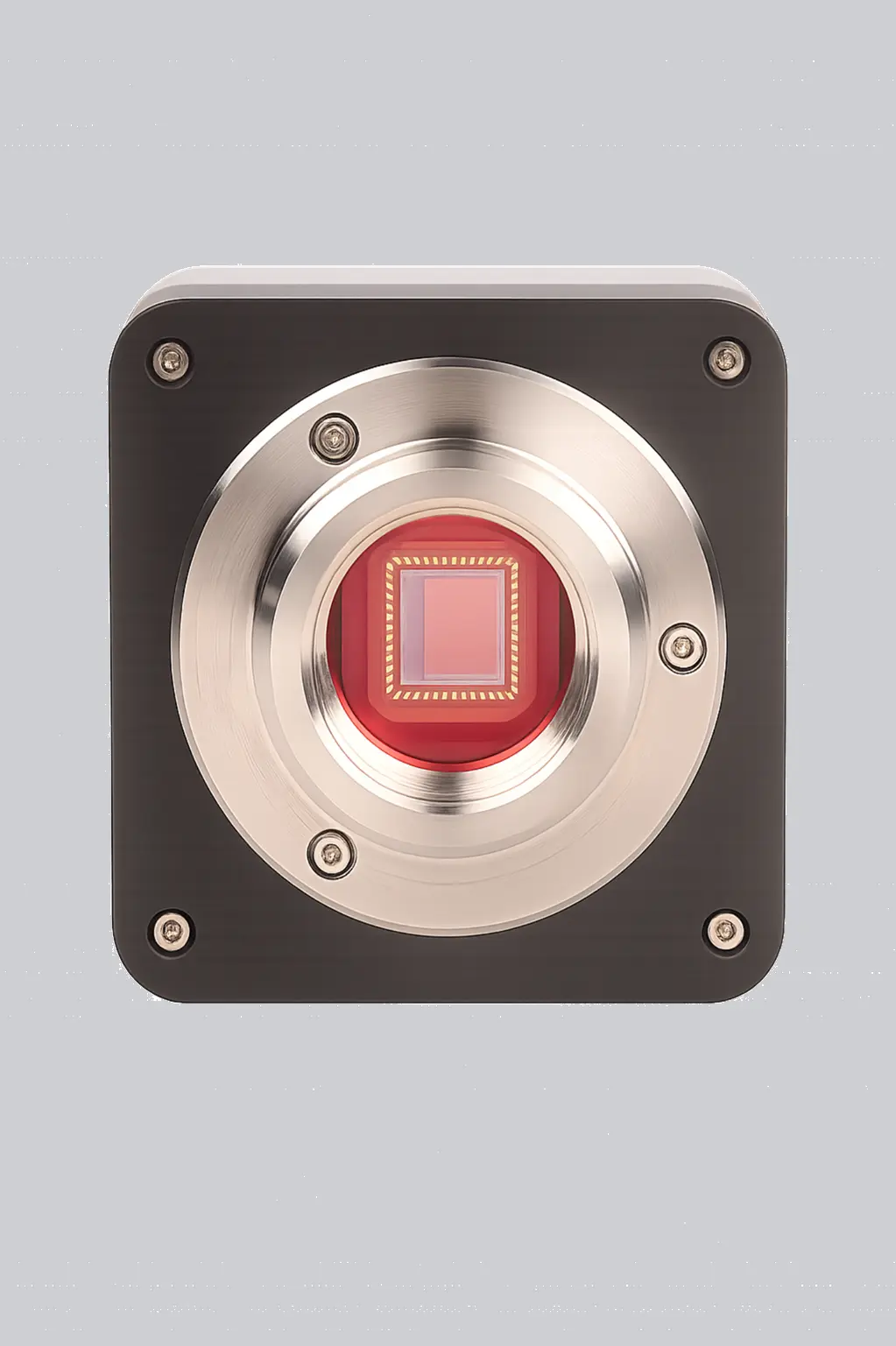
Yes, and this is one of the clearest advantages of buying domestically. Viewing heads, objective sets, illumination type, stage design and camera attachments can be configured to your application because assembly happens locally rather than at a factory overseas.
What documents should I ask for during a government tender?
Request the ISI certificate, OEM certificate, authorisation letter, technical compliance sheet and a proforma invoice showing GST separately. A manufacturer can issue all of these directly, which is why domestic sourcing usually moves faster through tender scrutiny.
How long do microscopes from Indian manufacturers last?
With normal laboratory use and periodic servicing, fifteen to twenty years is realistic. Many SUSWOX instruments sold in the early 2000s are still in daily use, which is only possible because spares for those models remained available.
Talk to the manufacturer directly
SUSWOX has been manufacturing optical instruments in Ambala, Haryana since 1973, supplying AIIMS Bathinda, AIIMS Nagpur, AIIMS Bilaspur, BHU, MDU Rohtak and the Haffkine Institute. Share your application, sample type and quantity, and our team will recommend a configuration and send a formal quotation, usually within one working day. Start by comparing our full microscope range.
Call +91 87270 15757 or write to sales@suswox.com. 1265 Bengali Mohalla, Ambala, Haryana 133001.